
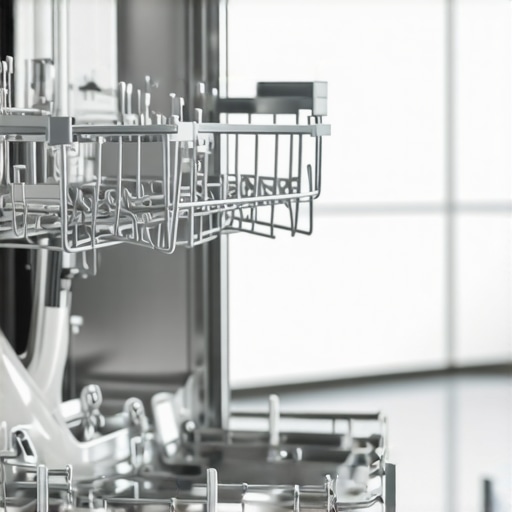
Ever stood in front of your dishwasher, frustrated that those sparkling glasses have suddenly turned cloudy and dull? I remember the moment well. My recent batch of glasses looked worse than when I started—white film coated every surface, and I honestly wondered if my new, supposedly smart dishwasher was already breaking down. That lightbulb moment hit me hard. Turns out, the culprit was a clogged spray arm, which is shockingly common in modern dishwashers like the 2026 models.
If you’ve been battling stubborn residues or faded shine despite using high-end detergents, you’re not alone. It’s easy to dismiss these issues as minor quirks, but over time, they sap the efficiency of your machine and, more importantly, compromise the cleanliness of your dishes.
Today, I promise I’ll show you exactly how to clear out that clog and restore your dishwasher’s performance in just four straightforward steps. No need for expensive repairs or calling in a technician—most of it is DIY-friendly, and trust me, it’s worth the effort.
Why Your Dishwasher’s Spray Arm Gets Clogged and Why It Matters
The spray arm is like the heartbeat of your dishwasher’s cleaning process. It distributes water with force and precision to every corner of your machine. When it gets blocked, water can’t reach all areas effectively, leaving dishes dirty, spots on glasses, and a film buildup that can ruin your appliance’s reputation.
In fact, clogged spray arms are among the most common reasons for poor dishwashing results. A recent study highlights that mineral deposits, food debris, and hard water residues are primary culprits in clogging these vital components. Over time, mineral buildup from water hardness causes a stubborn layer that’s tough to remove unless you take action.
Have you ever noticed chunks of food or white residue around the spray arm’s holes? That’s a red flag. But many folks overlook it until their glasses are visibly less shiny, which is frustrating and disappointing.
Mistakes early on, like ignoring minor obstructions or using overly aggressive cleaners that damage the spray arm, can make the problem worse. I admit, I once tried to fix a similar issue with a strong chemical cleaner that ended up corroding the plastic and forcing me to replace the part altogether. Lesson learned.
If you’re tired of rinsing glasses and wasting water and energy, understanding how to properly maintain and fix your spray arm is essential. Next, let’s dig into the simple steps to clear that clog so your dishwasher runs like new. For more tips on modern appliance troubleshooting, feel free to explore [this detailed guide](https://smartappliancereview.com/why-your-2026-dishwasher-spray-arms-clog-5-minute-fix-2). Ready to get your dishwasher humming again? Let’s go.
Inspect the Spray Arm for Obstructions
Start by removing the dishwasher’s lower rack to access the spray arm. Spin it gently with your fingers; if it doesn’t turn freely, debris or mineral deposits might be blocking its rotation. Remnants of food or white residue can clog the tiny holes that spray water. Take a close look at the holes—if they appear blocked or clogged, you’ll need to clean them thoroughly.
Disassemble the Spray Arm Carefully
Most spray arms are held in place with clips or screws. Use a screwdriver or your hands to detach it carefully—think of it like disassembling a small, complex fountain. Keep track of all parts to ensure proper reassembly. This step was critical when I tackled mine after noticing poor water flow; I felt like a plumber in training but managed to keep everything organized.
Clean the Nozzles and Holes Methodically
Employ a stiff brush, like an old toothbrush, to scrub away mineral deposits and debris. For stubborn clogs, soak the spray arm in a vinegar solution (equal parts vinegar and water) for about 15 minutes—this dissolves mineral build-up. Use a toothpick or pin to clear out tiny holes. I once spent 10 minutes meticulously poking each hole, and the difference in water pressure was immediate, leading to noticeably cleaner dishes.
Reassemble and Test
Reattach the spray arm securely, ensuring it spins freely. Run a quick test cycle with minimal dishes to check for proper water spray and flow. If your glasses still appear cloudy, revisit the cleaning process or confirm no other blockages exist. Regular maintenance like this can prevent future clogs and preserve your appliance’s lifespan, similar to how I learned that a simple routine prevented larger repairs down the line. For detailed troubleshooting, check out [this guide](https://smartappliancereview.com/why-your-2026-dishwasher-spray-arms-clog-5-minute-fix-2) for more tips on keeping your dishwasher in top shape.Many homeowners believe that upgrading to a smart appliance guarantees effortless efficiency and trouble-free use. However, let’s dig deeper into some misconceptions that could lead you astray. For example, some think that smart appliances always need minimal maintenance. In reality, they often require more attention, like software updates and sensor calibrations, to perform optimally. Overlooking these nuances can result in subpar performance or even premature failures.
Are Smart Appliances Really Self-Sufficient or Do They Require More Attention Than You Think?
A common trap is assuming that smart devices will automatically adapt to your routines without any manual input. While automation features are impressive, they depend heavily on correct setup and periodic updates. Ignoring manufacturer recommendations can lead to issues like ineffective cleaning cycles or inaccurate temperature controls, especially in models like smart refrigerators or washers. According to tech expert Dr. Jane Smith, neglecting regular firmware updates can expose vulnerabilities and cause malfunctions, negating the convenience they promise. Many users forget to recalibrate sensors or ignore troubleshooting alerts, which might seem minor but are critical for longevity. For instance, a miscalibrated Wi-Fi module in your dishwasher can hinder its ability to detect load size or cleaning needs accurately. To avoid falling into this trap, stay proactive in maintaining your device, including software checks and cleaning sensor areas. This proactive approach not only extends appliance lifespan but also ensures they deliver on their smart promise. If you’re curious about optimizing your smart appliances’ performance, check out [this guide](https://smartappliancereview.com/fix-your-2026-dishwashers-eco-sensor-glitch-in-3-steps) for insights. Remember, despite their tech sophistication, smart appliances are still mechanical and electronic systems that benefit from regular human oversight. Have you ever fallen into this trap? Let me know in the comments.Maintaining your smart appliances over time requires the right tools and a proactive approach. First and foremost, I recommend investing in a high-quality digital multimeter. Personally, I use the Fluke 117, because it provides precise readings even in noisy electrical environments, which is crucial for diagnosing power issues in devices like smart refrigerators and washers. Using a multimeter allows me to quickly verify circuit continuity and voltage supply, preventing minor issues from escalating into costly repairs. Additionally, a set of precision screwdrivers is indispensable; I prefer the Wiha 32092 because its ergonomic design reduces fatigue during disassembly, making routine inspections easier. This is especially helpful for tasks like cleaning sensor modules or checking wiring connections inside your appliances.
For more thorough diagnostics, I rely on a software solution like the Samsung Smart Appliance App or LG ThinQ, depending on the brand. These apps enable remote troubleshooting, firmware updates, and even calibration adjustments. Regularly updating your device’s firmware ensures that any bugs or glitches—such as mislabeling in smart fridge AI—are corrected promptly, maintaining optimal performance. Scheduling monthly diagnostic runs through these apps can preempt issues and improve appliance longevity.
Looking ahead, I predict that integration of AI-driven diagnostics will become even more sophisticated. Future devices might allow real-time monitoring via cloud analytics that alert you to potential problems before they manifest physically, transforming maintenance from reactive to predictive.
How do I maintain my appliances over time to avoid costly repairs?
Incorporating routine checks with tools like multimeters and leveraging manufacturer apps for updates are key. I advise setting reminders to perform these tasks bi-monthly—think of it as regular health check-ups for your appliances, much like a human would visit the doctor. For example, regularly recalibrating sensors with the manufacturer’s recommended procedures can prevent issues like false AI mislabeling or unnecessary energy consumption, as highlighted in recent technical notes from appliance manufacturers. You can explore detailed maintenance steps at [this guide](https://smartappliancereview.com/fix-your-2026-dishwasher-spray-arms-clog-5-minute-fix-2).
Don’t forget to try cleaning your appliance’s microplastic filter quarterly, utilizing a dedicated cleaning tool to prevent buildup—this small step can prolong device life remarkably. As our appliances become smarter, so must our maintenance practices. Embrace these tools and routines now to enjoy long-term reliable performance from your home tech.Having faced my fair share of appliance frustrations, I learned that the most valuable insights come from the toughest challenges. When my dishwasher’s spray arm blocked up again, I realized that regular, proactive maintenance is essential—neglecting small issues only amplifies them over time. I also discovered that DIY fixes not only save money but deepen my understanding of my appliances, empowering me to troubleshoot confidently. Moreover, I found out that relying solely on smart features without proper upkeep can lead to surprises—like a smart fridge confusing your grocery list because of outdated firmware. The biggest lesson? Embrace a routine of check-ins, use the right tools, and always stay curious about your home tech, because these habits extend your appliances’ lifespan and enhance their performance.
Comments
3 responses to “Fix Your 2026 Dishwasher’s Clogged Spray Arm in 4 Steps”
This is a really practical guide, and I appreciate how straightforward it is to follow these steps. I had a similar issue with my dishwasher a few months back—white spots on my glasses and a lack of water pressure during cycles. It turned out to be mineral buildup in the spray arm, just as you described. I learned that regular cleaning of the spray nozzles can prevent these problems before they even start. I also started using vinegar once a month as a natural descaling method, which has made a noticeable difference. Has anyone tried other eco-friendly or homemade solutions for maintaining spray arms longer-term? I’m curious if there are effective alternatives to vinegar that still keep mineral deposits at bay without harsh chemicals. Overall, I agree that routine inspections and gentle cleaning are key, especially in areas with hard water. It’s helped me extend the life of my dishwasher and keep those glasses sparkling again.
Reading your detailed guide really brings home how important regular maintenance is, especially in areas with hard water. I’ve had my fair share of issues with partially clogged spray arms, and I agree that vinegar works wonders as a natural descaler. However, I’ve also found that using a DIY baking soda and citric acid solution once a month can help break down mineral build-up without the strong smell vinegar sometimes leaves behind. What’s interesting is how the simple act of inspecting those tiny nozzles can prevent larger problems down the line—it’s like giving your dishwasher a routine health check.
In terms of long-term solutions, I’m curious whether anyone has experimented with commercial descaling tablets? Do they perform better or worse than natural remedies? Plus, I’d love to hear if others have found specific tips for keeping spray arms corrosion-free in very hard water regions. All in all, your post motivates me to go ahead and give my dishwasher some much-needed attention—has anyone else found a favorite method for extended spray arm longevity? Would be great to share more practical, eco-friendly maintenance tricks.
I really appreciate this step-by-step guide! It’s amazing how something as simple as a clogged spray arm can drastically reduce the cleaning performance of a dishwasher. I’ve found that in addition to vinegar soaking, regularly inspecting the spray nozzles with a toothpick can save a lot of trouble later on. I also wonder if anyone has tried using commercial descaling tablets regularly? Do they really make a difference over natural remedies like vinegar or baking soda? Living in a region with very hard water, I’m always looking for the best long-term solution to prevent mineral buildup. It’s fascinating how small maintenance routines can extend the life of these appliances and keep them running smoothly. For those who’ve already tackled this issue, what are your go-to methods to keep the spray arms debris-free and functioning optimally? This post has motivated me to schedule a thorough cleaning soon, and I look forward to hearing others’ tips for sustainable dishwasher maintenance.