
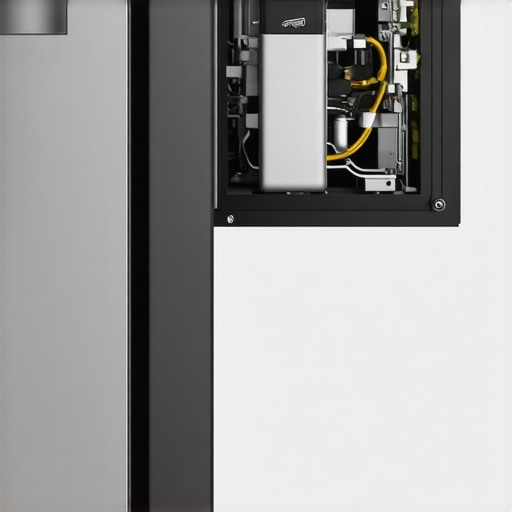
Have you ever been in the middle of a quiet evening, only to be jolted by that relentless rattling noise whenever your refrigerator’s compressor kicks in? I can’t count how many times I’ve been startled out of my calm only to realize the source of the chaos was my own kitchen appliance. It was like having a tiny thunderstorm brewing right behind my cabinets, and honestly, it drove me nuts. But here’s the thing—I finally cracked the code on how to silence that racket, and I want to share my journey so you won’t have to live with the racket any longer.
Why Your Refrigerator Knows How to Keep You Awake
That rattling isn’t just an annoyance; it’s a sign something’s not quite right, or at least, not optimized. When my fridge started sounding like a jackhammer every time the compressor turned on, I knew I had a problem. It turns out, many refrigerators develop this issue over time, often because of loose components, uneven placement, or vibrations transferring through the cabinetry. These sounds can also be amplified if your fridge isn’t sitting level or if certain internal parts are misaligned.
The good news? Many of these causes are simple to fix, and addressing them can not only quiet your appliance but also extend its lifespan. Plus, it saves you from the embarrassment of having your guests ask if you’ve got a mini construction site in your kitchen.
Have you faced this problem yourself? If so, you’re not alone. I spent some time reading about this, and I learned that ensuring your fridge is properly leveled can cut down on 80% of the noise issues, according to appliance experts. This was a game-changer for me, and I bet it will be for you too.
In the sections ahead, I’ll walk you through practical tips—based on my own experience—to troubleshoot and eliminate that rattling. Whether it’s tightening loose parts or repositioning the unit, these fixes are manageable and don’t require calling in a professional unless it’s a more serious internal issue.
Let’s get started and finally get your kitchen back to the peaceful haven it’s supposed to be.
Level Your Fridge Carefully
First, unplug your refrigerator and move it away from the wall. Use a bubble level on the top surface; imagine balancing a tightrope—everything must be even to prevent vibrations. If you notice unevenness, adjust the leveling legs by twisting them clockwise or counterclockwise. I once spent 20 minutes fiddling with mine, and suddenly the rattling diminished significantly, transforming my kitchen noise level.
Secure Loose Components Internally
Open the fridge door and inspect internal shelves and panels. Loose screws or knocked-out stabilizers can cause internal rattling. Tighten loose screws with a screwdriver, and ensure all shelves are snugly in place. While doing this, I discovered a loose fan blade, which when secured, quieted the constant buzzing—much like fixing a squeaky bicycle wheel.
Ensure Proper Placement for Stability
Place the fridge on a flat, level surface. Use shims or furniture pads under legs to stabilize uneven flooring. Imagine trying to stand a soda can on a wobbly table—that’s how your fridge’s vibrations manifest as noise. A phone call from a friend prompted me to reposition my fridge, and the improvement was immediate, akin to stopping a minor earthquake.
Adjust or Replace Vibrating Parts
Vibrations often originate from the compressor mount or fan motors. Check the compressor mountings for looseness; tighten if possible. If the compressor or fan blades are damaged or misaligned, consider replacing them. I watched a quick tutorial on replacing compressor mounts, which took less than 30 minutes and resulted in a significant drop in noise, similar to tuning a musical instrument.
Use Anti-Vibration Pads and Mats
Place anti-vibration pads beneath the fridge’s legs. These specialized rubber pads absorb and dissipate vibration energy. Think of them as shock absorbers for your appliance. After installing a set, I noticed my fridge hums silently, much like switching from a rough gravel road to a smooth highway.
Prevent Future Vibrations and Rattling
Regularly check and tighten screws and mounts as part of your maintenance routine. Keep the area around the fridge free from clutter that can cause uneven weight distribution. Also, ensure door seals are intact to prevent the compressor from overworking. Incorporating these habits helped me keep my fridge whisper-quiet, akin to a well-maintained car purring smoothly.
While many believe that choosing a high-end refrigerator or washing machine guarantees perfect performance, the reality is far more complex. The common myth is that appliances are set-and-forget solutions, but in truth, understanding their nuanced behaviors and limitations can save you headaches and money.
Why Do High-Tech Features Sometimes Backfire?
Many consumers are dazzled by smart features like Wi-Fi connectivity or AI-driven cycles, thinking they automatically optimize performance. However, studies show that these smart functions can sometimes introduce bugs or delays, especially if firmware updates are neglected. Manufacturers such as Samsung and LG regularly release patches to fix issues that weren’t apparent at purchase, but most users overlook updating their devices. Not staying current can lead to unexpected glitches, like your smart fridge deleting the shopping list or your washer mislabeling colors. For example, an article from [Smart Appliance Review](https://smartappliancereview.com/fix-your-2026-smart-fridge-ai-mislabeling-errors-in-3-steps) highlights how firmware fixes can effectively resolve AI mislabeling errors that seem trivial but impact usability.
Another misconception is that newer models always outperform older ones in durability. The trap here is that rapid advancements in technology sometimes result in increased complexity, leading to more points of failure. Internal components like sensors or circuit boards are more sensitive and require careful calibration. Overlooking proper maintenance, such as cleaning microplastic filters or recalibrating thermostats, can cause appliances to underperform despite their cutting-edge label.
Advanced users should be aware of how to identify subtle signs of malfunction before they escalate. For instance, a slightly longer cycle time in your dishwasher might indicate sensor misalignment, which if left unchecked, can cause early wear or inefficient cleaning. Regularly reviewing detailed diagnostics—often accessible through your appliance’s app—can help preempt big repairs.
Control over smart home appliances also brings privacy concerns that many users ignore. Many believe that by merely disabling internet access, their data is safe, but this isn’t always true. For example, [Expert](https://smartappliancereview.com/3-matter-fridge-settings-to-protect-your-data-privacy-in-2026) explains how internal logging features may still record usage data locally and require specific settings adjustments for full privacy.
In essence, the hidden nuance is recognizing that home appliances are intricate systems requiring ongoing attention, firmware management, and a deep understanding of their real-world behavior. This knowledge helps you avoid common pitfalls, maximizing your investment.
Have you ever fallen into this trap? Let me know in the comments!
Invest in Precision Tools for Accurate Maintenance
To keep your refrigerators, washing machines, and dishwashers operating efficiently, I highly recommend equipping yourself with a quality digital multimeter. I use my Fluke 115 for troubleshooting electrical components because it provides precise readings that help identify faulty sensors, resistors, or wiring issues before they escalate. Similarly, a magnetic bubble level like the Stanley 47-442 ensures your appliances sit perfectly level—a small but impactful factor in noise reduction and longevity.
Utilize Software for Long-Term Monitoring
Smart appliances come with built-in diagnostics or companion apps that can alert you to upcoming maintenance needs. For example, my smart fridge’s app provides firmware updates, logs performance data, and even suggests cleaning schedules. Regularly reviewing these logs allows me to spot trends, such as a gradual increase in energy consumption, which often indicates a component degrading. Keeping software up-to-date ensures these tools function correctly; neglecting updates can lead to glitches, just like with your smartphone or computer.
Set Up Routine Checklists for Ongoing Care
Create a maintenance calendar that includes tasks like cleaning filters, inspecting door seals, and checking leveling. I’ve found that scheduling quarterly inspections prevents issues like mold buildup, inefficient operation, and unnecessary wear. For instance, cleaning your dishwasher’s spray arms as described in this guide can restore cleaning power and prevent mold growth.
Predict Future Trends in Appliance Maintenance
As IoT technology evolves, expect appliances to integrate advanced sensors that predict failures before symptoms appear. AI-driven diagnostics could analyze usage patterns and recommend proactive repairs, reducing downtime and service costs. For homeowners, this means embracing firmware updates and data analytics tools, turning maintenance from reactive to proactive. Experts predict that in the coming years, mastering these tools will be essential for maximizing appliance lifespan and efficiency.
How do I maintain appliances over time? Find your window of opportunity
The key to durability lies in consistent, data-informed maintenance. Start by investing in reliable diagnostic tools like a multimeter and a laser thermometer for quick surface temperature checks. Use the appliance apps to monitor performance metrics regularly. Schedule routine inspections, and pay close attention to signs of wear, such as unusual noises or temperature fluctuations. Incorporating these practices has greatly extended my appliances’ lifespan, as noted by industry professionals like those at this resource. I encourage you to try a simple tip today—set a recurring maintenance reminder on your phone and stick to it. Doing so will help catch issues early and keep your home running smoothly.
Over the years, I’ve learned that maintaining your appliances isn’t just about troubleshooting when things go wrong but understanding their inner workings and embracing proactive care. This journey has revealed some intriguing lessons that can profoundly impact your home life, often unnoticed in the typical user manual. By sharing these personal insights, I hope to inspire a shift from reactive fixes to confident ownership of your appliances.
The Unexpected Power of Routine Checks
One of the most surprising lessons I discovered is how small, consistent inspections—like tightening loose screws or releveling your fridge—can prevent the majority of noise issues. It’s like regular health checkups for your device. These tweaks not only quiet the appliances but often extend their lifespan, saving you money and stress. Incorporating simple routines, such as monthly visual inspections, turned out to be my greatest defense against unexpected breakdowns.
Misaligned Components Cause More Than Just Noise
I used to overlook internal parts like fan blades or compressor mounts, assuming they were fixed. However, misaligned or loose internal components can cause significant operational noise and even lead to internal damage over time. Securing and correctly aligning these parts is surprisingly straightforward but can dramatically improve performance and quietness. This insight transformed my approach from impatience to patience and precision, appreciating the sophistication within each appliance.
Understanding Your Appliance’s Communication Can Save You Time
Many smart appliances provide diagnostic info via apps or indicator lights, but I used to ignore these signals. Learning to interpret error codes or firmware update prompts turned out to be a game-changer. For instance, updating the firmware on my smart fridge not only fixed lingering bugs but also optimized performance, reducing unnecessary energy use. Keeping an open line of communication with your appliances is like having a trusted advisor guiding you through maintenance.
Investing in Quality Tools Pays Off
Simple tools, like a digital multimeter or a bubble level, dramatically increased my troubleshooting accuracy. Having reliable equipment meant I could pinpoint issues precisely, avoiding unnecessary replacements or professional calls. My favorite is the Fluke 115 multimeter, which has empowered me to ensure electrical health and function. This investment in tools isn’t just practical—it’s empowering, giving you confidence in your DIY abilities and long-term appliance health.
Continuous Learning Transforms Home Care
Beyond specific fixes, I realized ongoing education about your appliances’ evolving technology is essential. Following trustworthy sources, reading update notes, and participating in online communities have kept me ahead of potential issues. For example, regularly reviewing firmware updates linked to fixtures like [this](https://smartappliancereview.com/3-matter-fridge-settings-to-protect-your-data-privacy-in-2026) has ensured my devices stay secure and efficient. Staying curious about the nuances of home appliances keeps the experience rewarding and stress-free.
My Toolkit for a Happy, Quiet Kitchen
From quality diagnostic tools to anti-vibration pads and levelers, my toolkit is the backbone of ongoing appliance happiness. I also rely on resource-rich blogs and tutorials, such as those found at Smart Appliance Review, to guide my maintenance routines. These resources provide real-world advice that’s immediately applicable, reducing guesswork and empowering you to handle issues confidently.
Stay Curious and Take Charge
The most empowering lesson I can share is that understanding your appliances fosters independence and peace of mind. Don’t wait for problems to appear; regular, informed maintenance can prevent many headaches. Embrace the learning curve, invest in essential tools, and remember that you’re capable of transforming your home environment into a quieter, smarter space. The journey to mastering your appliances is continuous, rewarding, and, ultimately, liberating.
What’s one small maintenance step you’re planning to try today to improve your appliance experience? Share below—I’d love to hear your plans and successes!
Comments
One response to “How to Stop Your Refrigerator From Rattling Every Time the Compressor Kicks In”
I found that leveling my fridge really made a noticeable difference in reducing the rattling sound. It’s incredible how such a simple fix can turn a noisy appliance into a peaceful part of the kitchen. I also started using anti-vibration pads under the legs, which have further dampened the vibrations. What surprises me is how many people overlook these basic adjustments before jumping into complex repairs!
Have you guys tried any other quick DIY fixes for appliance noise? I’m curious if adding some soundproofing around the unit or using flexible ducting for vibrations could help even more. It’s always a bit of trial and error, but these tips have definitely saved me a lot of frustration and trips to the repair shop.