
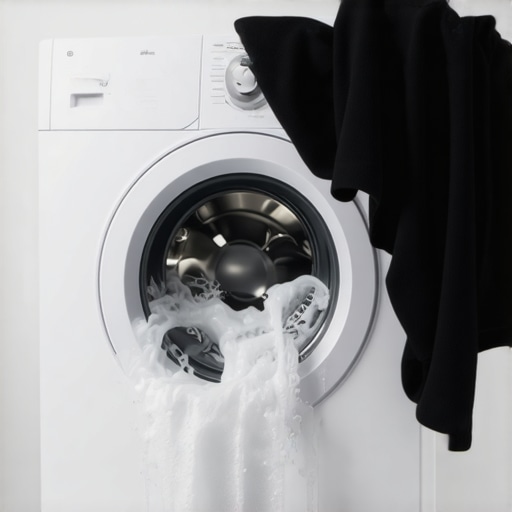
I remember the moment clearly—my favorite pair of dark jeans came out of the laundry looking like they’d been dipped in a chalk factory. Frustration mounted. It wasn’t just a one-time thing; every wash seemed to leave a stubborn white film, turning sleek dark garments into dull, patchy messes. That lightbulb moment made me realize I wasn’t alone. Many new washers, despite being high-tech marvels, can leave behind these pesky residues that ruin the look of our dark clothes.
Understanding the White Residue Puzzle
If you’re like me, you’ve probably wondered why this happens right after investing in a supposedly state-of-the-art washing machine. The good news? You’re not imagining things, and there’s often a simple explanation rooted in common mistakes or overlooked maintenance steps. Today, we’ll explore the root causes of this pesky problem and arm you with practical solutions that actually work.
Is White Residue on Dark Clothes Really a Big Deal?
Let’s be honest—seeing that white film can make you question the quality of your new appliance or the effectiveness of your laundry routine. But here’s the thing: it’s usually fixable. Early on, I made the mistake of assuming my machine was faulty and ignoring the detergent settings, which only worsened the residue. Trust me, with a few adjustments, you can restore your clothes’ original look and even extend the life of your garments.
Research indicates that mineral deposits from hard water and the incorrect use of detergent are primary culprits behind white deposits on clothes (source: Environmental Working Group). Knowing that, you can now start diagnosing whether your situation matches these common causes.
In the next sections, I’ll guide you through straightforward steps to eliminate this residue and keep your dark clothes looking fresh and vibrant. So, have you faced this exact issue with your washer? If yes, don’t worry—you’re about to become a laundry pro!
Prepping Your Washer for a Deep Clean
Begin by inspecting your washing machine. Remove any built-up detergent or fabric softener residues from the gasket, drum, and detergent drawer. A moist cloth or toothbrush helps dislodge stubborn grime. Think of it like cleaning out a clogged coffee machine: old residue hampers performance. This step prevents re-depositing on your dark clothes and sets the stage for effective cleaning.
Clear the Clogs and Bacteria Buildup
Next, run an empty cycle with hot water and white vinegar (about two cups). Vinegar acts as a natural degreaser and residue remover. Imagine it like a detox for your machine—breaking down mineral deposits that cause white films. If your washer has a self-cleaning option, activate it. Regularly doing this keeps residue-causing build-up in check and minimizes white streaks on dark garments.
Use the Correct Detergent and Measure Precisely
Switch to a high-quality, HE-compatible liquid detergent designed for dark fabrics. Measure the detergent carefully as excess causes soap scum, which can leave white deposits. To visualize, think of it like seasoning: too much ruins the dish. Always follow manufacturer guidelines. When in doubt, use ¼ to ⅓ of the recommended amount and adjust based on load size and water hardness.
Choose the Ideal Wash Cycle
Select a cycle optimized for dark clothes—many washers have a ‘dark wash’ or ‘delicates’ setting. Use cold water to prevent color fading and reduce mineral deposit formation. Cold water and gentle agitation wash away dirt without rubbing off dye or leaving residue. Remember, a quick rinse with cold water can flush out any remaining detergent traces that might cause residue.
Extra Tip: Incorporate an Additive for Residue Prevention
Adding a water softener or mineral deposit remover—like borax or washer cleaner—can help prevent mineral buildup in hard water areas. Think of it like adding a water filter to keep mineral particles out of your clothes. For instance, periodically running a cleaning cycle with an appropriate additive keeps your washer’s internal parts free from deposits, reducing white films on dark garments. Check out this guide on how to clean your refrigerator’s internal drain to ensure plumbing and drainage efficiency, which complements your washer maintenance.
Applying these steps once a month creates a clean, residue-free washing environment. This proactive maintenance ensures your dark clothes stay sleek, vibrant, and free from unsightly white films—saving you time and frustration in the long run.
 Many homeowners believe that modern appliances like washing machines, dishwashers, and refrigerators are completely maintenance-free due to their advanced technologies. However, this misconception can lead to costly repairs and subpar performance over time. For example, some assume that using standard detergent is always sufficient, but overlooking the importance of water quality and appropriate cleaning cycles can cause buildup and inefficiency. In reality, understanding the nuanced needs of each appliance is key to longevity and optimal operation.
Another common trap is neglecting periodic deep cleaning. Many think that a quick run with the regular cycle is enough, but appliances like dishwashers and washing machines require thorough maintenance, including cleaning filters and spray arms, to prevent clogs and mold growth. This oversight leads to decreased efficiency and potential damage, especially in high-tech models that rely on precise water flow and sensor accuracy. Regularly performing recommended maintenance, such as descaling and gasket checks, can prevent costly issues down the line.
Why Do So Many Beliefs About Home Appliances Fall Short?
A prevalent myth is that smart appliances eliminate the need for user intervention. While these devices offer automation and data tracking, they still depend on proper setup, firmware updates, and routine cleaning. Ignoring these responsibilities can cause features to malfunction or data to be misused. For instance, failing to update your refrigerator’s firmware may disable new energy-saving features or lead to misinterpretations of temperature sensors, as highlighted by appliance experts who stress the importance of maintaining the software ecosystem.
Additionally, a significant mistake is trusting manufacturer recommendations blindly without considering your local environment. Hard water, for example, can dramatically affect appliance performance. Studies like those from the Smart Appliance Review reveal that water hardness impacts residue buildup and appliance longevity. Installing water softeners or using specific detergents tailored for your water type can mitigate these issues, prolonging appliance life and ensuring cleaner results.
Understanding these nuances helps you avoid pitfalls and optimizes your appliances’ performance. Don’t fall into the trap of thinking that high-tech means maintenance-free; instead, view regular upkeep as an investment in their long-term efficiency. Remember: even the most sophisticated device benefits from user knowledge and attentive care. Have you ever fallen into this trap? Let me know in the comments.
Must-Have Tools for Appliance Upkeep
Investing in the right tools transforms maintenance from a chore into a manageable task. I personally rely on a digital multimeter to regularly check electrical connections in my smart appliances, ensuring they operate safely and efficiently. A high-quality microfiber cloth is indispensable for cleaning delicate components without scratching, especially when removing dust from vents or digital panels. For more stubborn grime, a toothbrush with soft bristles allows precise cleaning of gasket seals and small crevices, preventing mold growth and residue buildup.
Why I Recommend a Microfiber Cleaning Kit
This kit includes various cloths and brushes designed specifically for appliances. The microfiber cloths trap dust and oil effectively, reducing the need for chemical cleaners. I use them for wiping down refrigerator doors, control panels, and dishwasher interiors. Regular cleaning with these tools helps prevent mineral deposits and residue, which can compromise your appliance’s performance over time.
Software Tools That Make Maintenance Easier
Many modern appliances come with companion apps that monitor their health and notify you when maintenance is due. I use my refrigerator’s app regularly to check temperature stability and get alerts for door seals or filter replacements. For complex diagnostics, apps like Home Assistant allow integration of appliance data, providing real-time analytics that can identify issues before they become costly repairs. These tools enable proactive care, extending the lifespan of your devices.
Scheduling Routine Checks with Automation
Automation tools such as IFTTT or Tasker can send reminders for cleaning filters or performing descaling cycles. Personally, I set monthly alerts to run a descaling cycle on my coffee machine and a deep clean cycle on my dishwasher. This habit maintains optimal performance and prevents problems such as residue buildup that can cause container stains or reduce cleaning efficiency. Embracing automation shifts routine maintenance from reactive to proactive, saving money and time in the long run.
Best Practices for Long-Term Appliance Care
Consistent maintenance is key to avoiding costly repairs and maintaining your appliances’ performance. For example, regularly inspecting and cleaning refrigerator gaskets prevents cold air leaks that increase energy consumption, as detailed in this comprehensive gasket maintenance guide. Additionally, descaling your dishwasher and washing machine every few months removes mineral deposits, ensuring efficient operation and preventing issues like white residue on dark clothes or inefficient drying cycles.
I advise keeping a maintenance log, noting dates of filter replacements, cleaning cycles, and inspections. This record helps identify recurring issues and plan for future upgrades. Also, consider investing in internal leak detectors or water sensors that send alerts if moisture is detected, preventing water damage and mold buildup.
Where Do Appliance Trends Head?
Looking ahead, I predict that AI-driven diagnostics and predictive maintenance will become standard features, allowing appliances to alert you proactively about issues—much like a health monitor for your home. Integrating these advanced tools will further simplify upkeep, minimize downtime, and enhance energy efficiency.
One practical tip I recommend today: try installing a mineral deposit remover in your washing machine once a quarter. It’s a simple step that can vastly improve long-term performance and prevent mineral buildup that causes residue issues. By combining quality tools with smart maintenance habits, you ensure your appliances serve you well for years to come.
The Hidden Lessons No One Tells You About Restoring Dark Clothes’ Luster
Over time, I discovered that keeping dark garments looking their best isn’t just about choosing the right detergent—it’s about understanding your appliances deeply. One of the biggest lightbulb moments was realizing that regular maintenance routines could transform my laundry results dramatically. The real secret? Consistent, proactive care of your washing machine and understanding how water quality affects residue buildup. This insight changed everything, saving me money and frustration.
My Favorite Tools for Appliance Confidence
Investing in a quality microfiber cleaning kit has been a game-changer. It allows me to keep the gasket, drum, and detergent drawer spotless without harsh chemicals, protecting my appliances and clothes alike. I also rely on a digital multimeter to troubleshoot electrical issues early, preventing costly repairs. These tools empower me to stay ahead, ensuring my dark clothes stay vibrant, and my appliances function flawlessly.
Embrace a Fresh Mindset for Appliance Care
Instead of viewing appliance maintenance as a chore, I now see it as an ongoing act of love for my home. Scheduling regular deep cleans, using water softeners if needed, and staying attentive to small signs of wear make all the difference. It’s inspiring to think that a few mindful habits can extend the life of my appliances and keep my dark clothes looking pristine. Remember, a little effort today pays off with stunning results tomorrow.
Your Next Step in Laundry Excellence
Now, it’s your turn to take control of your laundry routine and appliance health. By applying these insights, you’ll not only preserve the sleekness of your dark wardrobe but also enhance your home’s overall efficiency. Keep learning, experimenting, and caring—your wardrobe and wallet will thank you. Have you ever uncovered a simple tip that dramatically improved your laundry results? Share below, and let’s grow together in this journey towards flawless laundry days!
Comments
2 responses to “Why Your New Washer Leaves White Residue on Dark Clothes”
This post hit home for me because I used to struggle with white residue on my dark clothes and never realized it was mostly due to water hardness and overusing detergent. Running a vinegar rinse cycle monthly has really helped clear the buildup and improve my laundry results. I also started measuring my detergent carefully and switching to a detergent specially formulated for dark fabrics. It’s amazing how small adjustments can make such a difference! Has anyone here tried using water softeners or specific additives to combat hard water issues? I’d love to hear what’s worked best for others, especially in areas with very hard water—sometimes the high-tech washer features aren’t enough without extra measures. Overall, routine cleaning and proper setup seem to be key to keeping dark clothes looking sleek, and I’m excited to try some of the tips here for even better results.
I’ve definitely experienced the white residue on my dark clothes after switching to a high-efficiency washing machine. At first, I thought the machine was defective, but turns out, it’s all about water quality and detergent use. I started using a water softener additive, especially since our area has very hard water, and I also opted for a detergent specifically for dark fabrics and low suds. The change was noticeable pretty quickly — my dark jeans look much better and less dull now.
One thing I’ve found helpful is running a monthly vinegar rinse, as you mentioned, to clear out mineral deposits. Do you think there’s a point when a more thorough descaling or professional service might be needed if residues persist? Or even installing a water softener system might be a worthwhile long-term investment for high-tech washers in cold climates with hard water? I’d love to hear how others with similar issues have tackled this long-term problem.