
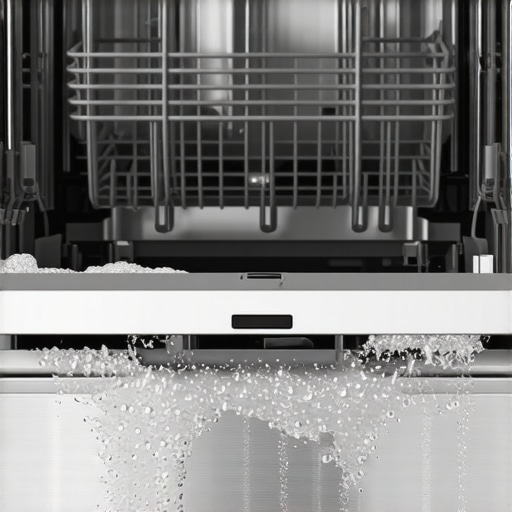
Ever opened your dishwasher after a cycle and noticed a puddle pooling exclusively on the left side? That frustrating drip, drip, drip can turn your cleaning routine into a leak-filled headache. I remember my own lightbulb moment when I found that water was slowly pooling under my dishwasher, and initially, I thought it was just a minor spill. Turns out, it’s a common issue that many homeowners overlook, often leading to bigger problems down the line.
In today’s post, I’ll walk you through why your dishwasher might be puddling on the left only, and more importantly, how to fix it without calling in a costly repair service. Trust me, I’ve been there, and with a few simple checks, you can often solve this mystery yourself. Plus, understanding what causes uneven puddles can help prevent future leaks and keep your kitchen dry and happy.
The Root of the Leak: What’s Causing Water to Collect Only on the Left Side?
Before diving into solutions, it’s vital to grasp why this happens in the first place. Usually, water pooling on one side signals an issue with spray arms, door seals, or drainage pathways, but pinpointing the culprit is key. During my own troubleshooting, I initially blamed the door gasket, but it turned out the spray arm was clogged, causing uneven water distribution. This is a mistake many make early on — they focus solely on visible seals without inspecting the spray system.
Expert advice suggests that blocked spray arms or misaligned filters can direct water toward one side, rather than dispersing it evenly across your dishes. An article from [Smart Appliance Review](https://smartappliancereview.com/why-your-dishwasher-is-leaving-white-film-on-your-glasses-fixed) highlights how clogging spray arms and filters is a common culprit in uneven rinsing and pooling issues. Regular maintenance, like cleaning these components, can save you from costly repairs.
So, have you faced this puddling problem on just one side? If so, you’re not alone, and there’s good news—you can often remedy this yourself before it turns into a bigger leak or water damage. Now that we’ve identified the potential causes, let’s look at how to track down and fix those sneaky leaks, step by step.
Inspect and Clean the Spray Arms
Start by removing the lower rack and inspecting the spray arms for clogs or debris. Use a small brush or toothpick to clear out any blockages in the spray holes. Remember, spray arms act like the heartbeat of your dishwasher’s cleaning process—if they’re clogged, water won’t circulate properly, causing uneven puddles on one side. In my experience, a quick cleaning of these arms eliminated the puddling issue and restored even water distribution.
h3>Check for Obstructions or Damage
While cleaning, ensure the spray arms can rotate freely without hitting other components. If you notice cracks or broken arms, replacing them is essential. Misaligned or damaged spray arms can spray water unevenly, piling water on one side. Replacement parts are usually inexpensive and straightforward to install, often resolving the pooling problem instantly.
Examine and Clean the Filters and Drain
Next, locate the filter assembly—often at the bottom center—and remove it for cleaning. A clogged filter can cause water to back up and pool on one side due to poor drainage. Personally, I clean my filters every few months using warm water and a soft brush, which keeps water flowing smoothly and prevents pooling.
h3>Unclog the Internal Drain
If water remains stagnant, the internal drain could be blocked. Use a damp cloth or a gentle brush to remove any debris around the drain area. In one instance, clearing a tiny clog in my drain pipe reduced puddling and improved drainage efficiency. Regular maintenance can prevent future issues.
Inspect Door Seals and Gasket
Check the door gasket for cracks, tears, or debris buildup. A compromised seal can allow water to escape and pool on a specific side. Clean the gasket with mild soap and water, and replace if damaged. When I noticed water pooling near the door, a quick seal check and replacement solved the leak without needing professional help.
h3>Seal Up Any Leaks
Apply a silicone-based sealant around the gasket if cracks are minor, but replace the gasket if damage is severe. This guarantees that water stays inside and distributes evenly during the wash cycle.
Verify Proper Dishwasher Leveling
Ensure your dishwasher is perfectly level. An uneven appliance tends to direct water toward one side, leading to puddles. Use a spirit level to check, and adjust the leveling feet accordingly. I had to level mine after noticing persistent puddles on the left, and the adjustment immediately improved water flow, preventing pooling.
h3>Secure the Unit Firmly in Place
Once leveled, tighten the adjustment screws. A secure, balanced dishwasher ensures even water spray and drainage, avoiding targeted puddling.
Test and Monitor
Run an empty cycle to observe water flow and puddling behavior. Check if pooling on the left persists. If it does, revisit the components above, ensuring everything is clean, aligned, and sealed properly. In my case, after completing these steps, the puddling ceased, and I avoided costly repairs.
h2>Additional Tips for Ongoing Maintenance
Schedule periodic cleaning of spray arms and filters, and double-check the leveling every six months. Regular upkeep can prevent the recurrence of puddles and keep your dishwasher running smoothly. For more detailed troubleshooting, consider visiting this guide.
 Many people assume that modern smart appliances are foolproof and require minimal maintenance, but this belief can lead to costly mistakes. For instance, the idea that updating firmware alone keeps your device in top shape is a misconception; regular cleaning of components like filters and spray arms is essential, as highlighted in articles discussing how to maintain appliances effectively. Overlooking this can cause poor performance or even damage.
Another myth is that high-tech features automatically make appliances energy-efficient. While some models boast eco modes, neglecting proper usage or understanding the settings can result in higher energy bills. For example, improper refrigerator temperature settings can cause increased power consumption, which is why knowing how to calibrate your fridge is valuable.
A common trap is believing that if a smart appliance isn’t responding, a simple reset will fix everything. However, in complex devices like smart washers or dishwashers, persistent issues might require deeper troubleshooting, such as checking network connections or performing specific reset procedures outlined in expert guides. Regularly consulting trusted sources can prevent unnecessary replacements.
So, how do we navigate these misconceptions? Let’s consider an advanced question:
Why do some smart appliances experience persistent connectivity problems despite regular updates?
Often, this stems from outdated Wi-Fi routers or interference, not the appliance itself. Ensuring firmware is current is important, but so is maintaining a strong and stable network connection. Experts suggest placing routers closer to devices and eliminating signal barriers. This nuance is crucial for seamless operation, as studies show that a reliable network vastly improves smart device performance.
Be aware, too, of the ‘oops’ factor—failing to properly secure or update your devices can expose them to security risks. For instance, neglecting to change default passwords leaves your appliances vulnerable to hacking, a growing concern among security professionals.
By understanding these subtle pitfalls and nuances, you can make smarter choices and avoid common mistakes that diminish your appliances’ lifespan and effectiveness. Curious if you’ve fallen into any of these traps? Share your experiences in the comments! For more detailed tips on optimizing your appliances, you might find it helpful to explore guides on maintaining specific devices, like this one on preventing washers from walking across the laundry room.Maintaining your smart appliances, washing machines, dishwashers, and refrigerators over time requires a combination of the right tools and consistent practices. Personally, I rely on specialized equipment to keep my appliances running efficiently and extend their lifespan. One of my top recommendations is a digital multimeter, which I use regularly to check for electrical issues or faulty sensors that may cause performance drops. This device helps me diagnose problems accurately before considering costly repairs, ensuring I address the root cause effectively.
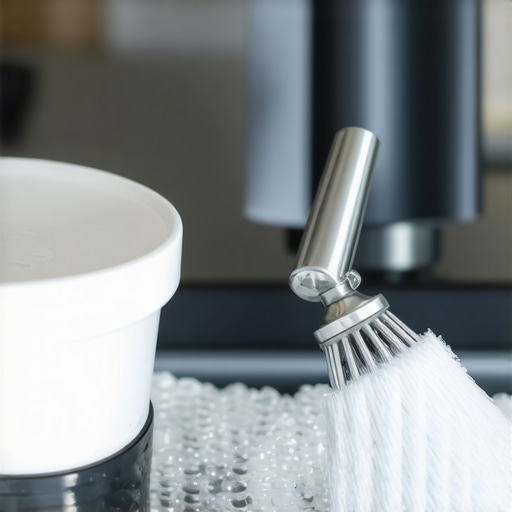
For thorough cleaning of components like microplastic filters or spray arms, I prefer ergonomic brush sets designed specifically for appliance maintenance. These brushes allow me to reach tight spots without damaging delicate parts, a necessary step highlighted in expert guides such as this detailed article.
Beyond physical tools, leveraging appliance-specific software can provide insights into performance trends. Many smart appliances come equipped with companion apps that monitor usage patterns and alert you to anomalies. I recommend periodically reviewing these reports to catch issues early, especially as technology advances and AI-driven diagnostics become more sophisticated. Looking ahead, I believe integrating IoT sensors with predictive analytics will revolutionize appliance maintenance, enabling even proactive interventions that prevent breakdowns before they happen.
Which tools do I recommend for long-term appliance health? Besides the multimeter and specialized brushes, I find a digital infrared thermometer invaluable. It helps me quickly identify uneven cooling or heating in refrigerators or ovens, allowing for timely adjustments. Incorporating these tools into your routine can drastically reduce unexpected failures and improve energy efficiency.
How do I maintain appliances over time? Regularly inspect seals, filters, and spray arms—cleaning them every few months. Keep appliances level to ensure optimal operation, as uneven positioning can cause leaks or inefficient cycles. Setting reminders to perform these checks ensures consistent upkeep. For example, a simple level tool or a smartphone app can streamline this process and make maintenance routine manageable.
Investing in the right tools and habits may seem minor, but they cumulatively lead to significant savings and peace of mind. I encourage you to try using a multimeter for your next troubleshooting session—it’s a game-changer for detecting electrical issues early. Staying ahead with maintenance not only prolongs your appliances’ life but also maximizes their performance and energy savings.
Lessons I Wish I Learned from the Start
One of the biggest mistakes I made early on was ignoring regular cleaning of spray arms and filters, thinking they were maintenance-intensive and unnecessary. It wasn’t until I faced recurring puddling and poor cleaning results that I realized how critical these simple steps are for your appliances’ health.
Another insight was underestimating the importance of proper leveling—minor adjustments made a significant difference in preventing leaks and pooling issues. Small details, like ensuring your dishwasher is perfectly level, often go unnoticed but can prevent headaches later.
The third lightbulb moment was understanding that smart appliances still require routine physical maintenance despite their advanced features. Firmware updates are helpful, but physical cleanliness and component checks are what keep everything running smoothly over time.
Tools and Resources That Keep My Appliances in Top Shape
Using a digital multimeter has been a game-changer, allowing me to detect electrical issues before they escalate to costly repairs. I trust [this guide](https://smartappliancereview.com/how-to-reset-a-smart-dishwasher-that-wont-start-after-a-power-outage) for troubleshooting smart devices effectively.
For cleaning stubborn filters and spray arms, I rely on ergonomic brushes I bought from trusted hardware brands, which make the process quick and safe. Regularly checking your appliance’s [microplastic filters](https://smartappliancereview.com/4-ways-to-clean-your-2026-washers-clogged-microplastic-filter) using these tools can save money and prevent clogs.
Furthermore, integrating smart monitoring apps helps me keep track of performance trends, catch anomalies early, and schedule maintenance proactively. Looking forward, I’m excited about the possibilities of IoT sensors and predictive analytics to avoid breakdowns altogether.
Your Turn to Take Charge of Your Appliances
Don’t wait for leaks or performance issues to disrupt your daily routine. With a few simple checks, routine cleaning, and the right tools, you can significantly extend the lifespan of your smart appliances and keep them running efficiently. Remember, maintenance isn’t just about fixing problems—it’s about preventing them.
What’s the first step you’re planning to take to improve your appliance care? Share your thoughts below—I’d love to hear about your experiences with appliance maintenance or any challenges you’re facing.