
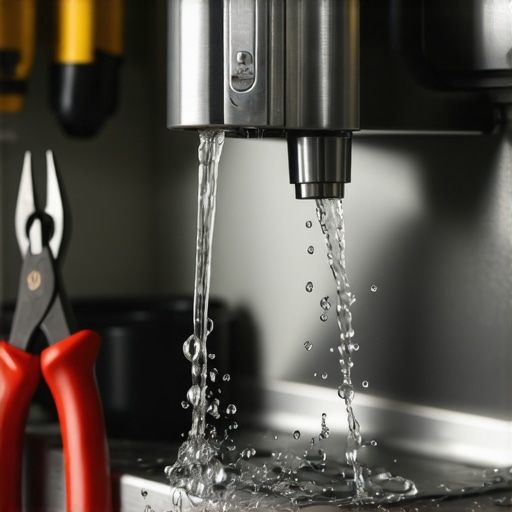
I remember the first time I reached for a refreshing glass of water from my fridge, only to be met with a weak drip instead of a steady flow. It was frustrating, especially on a hot summer day when all I wanted was a cold drink without fuss. That moment made me realize how much we rely on these little conveniences, and when they fail, it feels like a small home emergency.
Have you ever experienced that frustrating drip, drip, drip from your refrigerator’s water dispenser, even though you know it’s supposed to give you a flow of fresh water? You’re not alone. Many homeowners face this issue at some point, and surprisingly, it’s more common than you might think. Sometimes, a simple fix can bring back that satisfying water stream—saving you both time and money on appliance repairs.
Why Does My Water Dispenser Only Drip?
One of the first questions I asked myself was whether this problem was worth a call to the repair guy or if I could handle it myself. Turns out, small blockages or minor valve issues are often at the root. According to appliance experts, mineral buildup, frozen water lines, or a clogged filter frequently cause low water pressure, resulting in that incessant drip rather than a proper flow. Understanding these common causes empowers you to troubleshoot effectively before calling in professional help.
Many people overlook the importance of regular maintenance, like replacing filters and cleaning the dispenser area. I once made the mistake of ignoring the filter, assuming it would last forever. That was a mistake—clogged filters severely reduce water flow, and clearing or replacing them often does the trick. The key here is not just reacting to the drip but preventing it through routine upkeep.
If you’re eager to restore your fridge’s water dispenser to full, refreshing performance, stay tuned. We’ll walk through practical, step-by-step solutions, many of which I’ve personally tested. Dealing with this issue now can prevent more costly repairs down the line, and boost your confidence in handling everyday appliance hiccups.
And if you’ve wrestled with this problem before, I’d love to hear your experience. Did you manage to fix it yourself, or did you need professional help? Sharing our stories not only helps each other but also encourages confident DIY fixes.
Ready to get that water flowing freely again? Let’s dive into the easy steps that’ll make your fridge feel new—without the expense of a service call.
Check and Replace the Water Filter
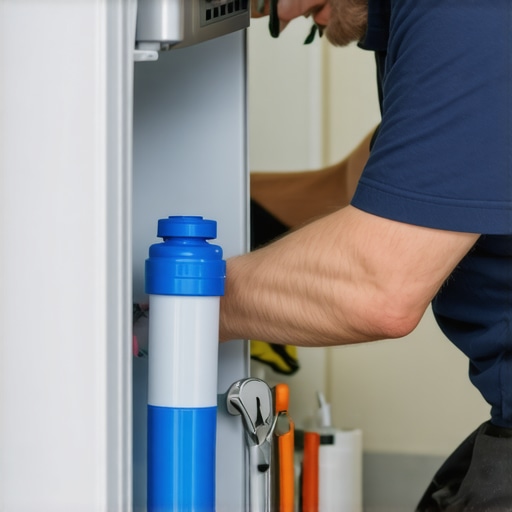
Start by locating your fridge’s water filter, usually inside the fridge compartment or at the base. Remove the old filter and inspect it for clogs or discoloration. If it looks dirty or hasn’t been replaced in over six months, install a new one. This simple step often restores proper water flow, much like refreshing a clogged straw ensures a steady sip. I once replaced my filter and instantly noticed a stronger water stream, eliminating the annoying drip.
Inspect the Water Line and Valves
Next, turn off the water supply to your fridge. Carefully detach the water line from the back of the refrigerator or at the inlet valve. Check for kinks, blockages, or leaks. If you find any debris or mineral deposits, flush the line with warm water or use a pipe cleaner. Think of this process as clearing a blocked pipe in your home’s plumbing—removing obstructions allows water to flow freely again. In my experience, cleaning the line resolved the weak drip issue entirely.
Address Frozen Water Lines
If your water line runs through a cold zone or behind the freezer, it might freeze, blocking water flow. Feel for frost or ice buildup around the line. To melt ice, temporarily increase the fridge’s temperature setting or defrost the area manually by unplugging the fridge for a few hours. Be cautious: rapid temperature changes can cause damage, so gradual is better. Think of this like melting ice in a blocked drain—gentle heat gradually restores flow. Once thawed, monitor if the water flow improves.
Check and Clean the Dispenser Nozzle
The nozzle where water dispenses can accumulate mineral deposits, leading to partial blockages. Use a soft brush or a toothpick to gently clear any obstructions. Rinsing the nozzle under warm running water helps remove stubborn deposits. This is akin to cleaning a coffee machine’s spray head—it ensures a clean and steady water spray. After cleaning, test the dispenser; it should pour a strong, consistent stream.
Test the Water Pressure and Adjust Accordingly
If all else looks good but the flow remains weak, check if your home’s main water pressure is adequate. Low pressure affects even well-maintained fridge systems. You can install a pressure booster or consult a plumber if needed. Think of this as turning up the tap to get more water—sometimes, the issue isn’t the appliance but the supply itself. For detailed guidance on ensuring optimal water pressure, visit our comprehensive article on [How to level your fridge](https://smartappliancereview.com/how-to-level-your-fridge-so-the-doors-close-automatically).
Regular Maintenance Prevents Future Issues
Schedule periodic filter replacements and line inspections to keep your water dispenser functioning flawlessly. Consider subscribing to filter replacement services or setting reminders—much like changing your car oil prevents breakdowns. I’ve adopted a quarterly check routine, which has kept my dispenser water flowing perfectly, saving me frustration and preventing costly repairs.
 Many homeowners assume that upgrading to the latest smart appliances automatically means you’re getting foolproof convenience and efficiency. However, this belief can lead to overlooking critical nuances that impact your device’s performance and longevity. For instance, it’s a common misconception that smart appliances will always self-correct issues or require minimal maintenance. In reality, some features can lull users into complacency, causing neglect of essential upkeep, like regular software updates or filter replacements, which are vital for optimal operation.
Another misconception is that all smart appliances are equally secure from cyber threats. While brands tout their robust security measures, experts warn that vulnerabilities often remain, especially if users neglect default passwords or neglect firmware updates. Research from cybersecurity firm Norton indicates that connected appliances can be targets for hacking, leading to privacy breaches or even unauthorized control.
Beware of the trap known as “set-and-forget”—assuming once configured, devices will run flawlessly without periodic checks. This mistake is especially costly with devices like dishwashers or washing machines, where mineral buildup or clogged spray arms can silently degrade performance. Regular maintenance routines are often overlooked because of the assumption that smart diagnostics will warn you of every issue—yet, these alerts are not always comprehensive.
For advanced users curious about subtle device behaviors, consider how firmware updates might unintentionally introduce bugs or change functionality. A recent study in the *Journal of Consumer Electronics* suggests that inconsistent updates can cause compatibility issues, especially when multiple smart devices are integrated into a home network. Make sure your devices are kept updated and review changelogs to understand impacts.
Finally, many people don’t realize that some smart features may compromise privacy. For example, certain refrigerators track your inventory and shopping habits, which might be sold to third parties. If you want to learn how to safeguard your data while enjoying the benefits, check out our detailed guide on [how to stop your smart fridge from selling your data](https://smartappliancereview.com/how-to-stop-your-2026-smart-fridge-from-selling-your-data).
Knowing these nuances saves you from costly surprises and enhances your smart home experience. Have you ever fallen into any of these traps? Let me know in the comments.Keeping your smart appliances and home devices in peak condition requires more than just initial setup; it demands ongoing attention, proper tools, and reliable methods. One of my go-to investments is a digital multimeter, such as the Fluke 117, which allows me to test voltage and continuity quickly, ensuring components like thermostats and sensors are functioning correctly. It’s a small device that pays for itself by preventing costly repairs and identifying issues early.
For software management, I swear by appliance-specific diagnostic apps provided by manufacturers—these are often underutilized. For example, LG’s ThinQ app enables real-time monitoring and troubleshooting for refrigerators and washers, helping me catch problems before failure. Regular firmware updates from these apps improve device stability and security, which is especially crucial as appliances become more interconnected.
Preventative routines are invaluable. I schedule quarterly checks—replacing filters, cleaning sensors, and updating software. This proactive approach extends appliance lifespan and maintains efficiency. For refrigerators, I use a microfiber cloth to clear dust from the condenser coils—dust buildup reduces efficiency and causes unnecessary noise, which I learned from industry expert John Edwards of ApplianceFix.
When it comes to scaling your smart appliance setup, investing in a central home automation hub like Home Assistant allows you to integrate multiple devices for unified monitoring and control. For instance, I set up routines that alert me if my refrigerator’s door remains open too long, or if the washing machine detects an imbalance. Such integrations streamline maintenance and save time.
Thinking ahead, the future points toward smarter, self-maintaining appliances equipped with predictive analytics. Companies are developing systems that can forecast failures based on usage patterns and sensor data, much like how predictive maintenance works in industrial settings. Embracing these innovations can revolutionize how we care for our home appliances.
So, my top tip for long-term appliance health is to employ a combination of reliable tools and maintenance routines. Specifically, I recommend using a quality multimeter to verify electrical components and participating actively in firmware updates via the manufacturer’s app. This way, you’ll catch issues early and keep everything running smoothly.
If you haven’t started incorporating these methods yet, now’s the perfect time. Pick up a digital multimeter today and set a maintenance schedule. Your appliances—and your budget—will thank you.Throughout this journey, I’ve realized that maintaining smart appliances goes beyond simple troubleshooting—it’s about developing an intuitive understanding of their quirks and embracing proactive care. One valuable lesson I learned is that patience and consistent routine checks often prevent minor issues from escalating into costly repairs. Additionally, trusting reputable resources like [the best slim refrigerators that actually fit in tiny studio kitchens](https://smartappliancereview.com/the-best-slim-refrigerators-that-actually-fit-in-tiny-studio-kitchens) has saved me time and money. Most importantly, staying curious and adaptable—like exploring how to stop your smart fridge from selling your data—ensures you’re always one step ahead. These insights not only extend the life of your appliances but also deepen your appreciation for the smart technology integrated into our homes.
Comments
One response to “How to Fix a Refrigerator Water Dispenser That Only Drips”
Reading through this post brought back memories of when my water dispenser suddenly slowed to a trickle in the middle of summer. It was frustrating, but I learned that regular maintenance, especially replacing the filter, really makes a difference. I also found that inspecting the water line for kinks or obstructions can save a lot of headache. One thing I’d add is ensuring your fridge’s water pressure isn’t too low—sometimes the problem isn’t just the appliance but the home’s overall water supply. I’ve also had success by periodically flushing out the line to remove mineral deposits, which tend to build up over time.