
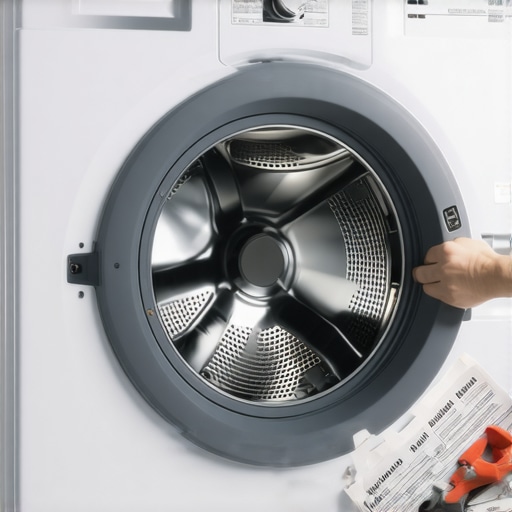
I remember the moment vividly—standing in my laundry room, watching my washing machine fill up painstakingly slow, realizing I was about to spend another half hour waiting for my laundry to be ready. It’s a frustrating sight, especially when you’re juggling a busy schedule, trying to squeeze in chores between meetings or family commitments. That lightbulb moment made me realize how much I depend on my appliances working efficiently and reliably. And let’s be honest, who has time to deal with a slow-filling washing machine that drags out the laundry process?
The Quick Fix That Can Save Your Day
Have you ever experienced a washing machine that seems to fill more like a teapot than a modern appliance? Believe me, I felt the same way. It turns out that many of these issues are surprisingly simple to fix— often right at home, in just a few minutes. Today, I’m going to share the practical tips and tricks I’ve used to solve this problem, saving me time, money, and frustration. If you’ve been frustrated by your washer’s sluggish fill, this guide is tailored for you.
Is It Worth Tinkering or Time to Call an Expert?
Early on, I made the mistake of assuming that any plumbing or repair task required a professional. But after reading a few reliable guides—like this detailed [microplastic filter cleaning](https://smartappliancereview.com/4-ways-to-clean-your-2026-washers-clogged-microplastic-filter)—I realized that most common issues are surprisingly straightforward to resolve myself. If you’re wondering whether this fix is worth your time or if it’s something more complex, remember that many refrigerator or washer problems stem from simple blockages or clogs that are easy to clear with basic tools.
Have you faced this sluggish fill before? If so, you’re not alone. This issue is more common than you might think, and I promise that the solution I’ll share is both effective and quick. So, let’s dive into what causes slow water filling and how you can tackle it head-on—without calling in a technician or spending a fortune.
Check the Water Supply Rapidly
Start by inspecting the water inlet hoses connected to your machine. Turn off the washer, then disconnect the hoses—think of them as the rivers feeding your machine. Use a flashlight to look inside the hoses for any blockages or kinks. Sometimes, mineral buildup or debris can restrict water flow, acting like a clogged pipe in your home’s plumbing. If you notice any debris, detach the screen filter (usually located where the hose connects to the washer) and rinse it under running water. Reattach everything securely, then run a test cycle to see if water fills faster.
Inspect and Clean the Microplastic Filter
Many modern washers have microplastic filters, akin to tiny sieves catching lint, debris, or microplastics. These filters can become clogged, throttling water intake. Locate the filter—it’s often behind a panel at the bottom front of the machine. Unscrew or pull out the filter carefully; expect some minor water to spill. Clean out any trapped dirt or debris with warm water and a soft brush. For a thorough cleaning, consult the manufacturer’s guide or visit this detailed article. Reinstall the filter and run a test cycle.
Test the Water Pressure
Your washer relies on sufficient water pressure; think of it as water being pushed uphill to reach your machine. If your home’s main pressure is low, it affects fill times. Use a hose or faucet to check if water flows strongly into your kitchen or bathroom sink. If pressure is weak across fixtures, contact your water supplier or consider installing a pressure booster. Additionally, look for any shut-off valves between the water supply and your washer—ensure they’re fully open. Mistakes here are common, and correcting them can dramatically improve fill times.
Verify the Door Lock and Valve Operation
Believe it or not, a faulty door lock or water inlet valve can prevent your washer from filling properly. The door lock sensor signals the machine to start filling; if faulty, the washer may hesitate. Test the door lock by gently tugging—if it feels loose or doesn’t latch properly, replace it. For the inlet valve, listen for a faint click when the washer demands water. If you hear none, or if the valve feels loose, it may be defective. Replacing the valve involves shutting off water, disconnecting hoses, and unscrewing the part—similar to replacing a garden hose connector. New valves are affordable and available online. If you’ve tried all these steps and water still isn’t flowing fast enough, it might be time to consult a professional or consider upgrading to a model known for its fast fill capabilities, like the [5-2026 washers that remove stains using only cold water](https://smartappliancereview.com/5-2026-washers-that-remove-stains-using-only-cold-water-tested).Many homeowners assume that all appliances operate within the same basic principles, but in reality, understanding the nuances can save you time, money, and frustration. A common myth is that newer, smart appliances are always better; however, they often come with hidden pitfalls like data privacy issues, which you can explore further in [how to stop your smart fridge from selling your data](https://smartappliancereview.com/how-to-stop-your-2026-smart-fridge-from-selling-your-data). One misconception I frequently encounter is the belief that maintenance isn’t necessary unless there’s an obvious problem. In truth, neglecting routine care—like cleaning the microplastic filter in your washer—can cause significant inefficiencies, a process detailed here.
A less obvious but critical nuance involves the sensors and electronic components. For instance, some think that if an appliance appears to be functioning, it’s operating optimally. But sensors can be dirty or misaligned, leading to issues like a dishwasher not drying properly or a fridge not maintaining temperature, which can often be fixed with simple calibration or cleaning. Advanced users should consider that sensor calibration is crucial for high-tech appliances, and improper calibration can cause inefficiencies that are attributed to hardware faults. For example, calibrating your smart fridge’s temperature sensor correctly ensures it maintains optimal cooling without wasting energy.
The trap many fall into is ignoring the connection between appliance location and performance. For instance, placing a refrigerator near a heat source or in direct sunlight can cause it to overwork, leading to higher energy bills and uneven cooling. Proper placement and ventilation are often overlooked but are vital for appliance longevity and efficiency.
Regarding common mistakes, many forget that not all issues require a full replacement. A bad water inlet valve or a clogged spray arm in a dishwasher can be fixed with a few simple repairs, saving considerable expense. However, attempting to fix complex electronic issues without proper knowledge can lead to further damage. Always consult expert resources or professional repair services when in doubt.
Let’s challenge a prevalent belief: that all appliances will last just as long without maintenance. Studies, such as those summarized by consumer advocacy groups, show that regular maintenance extends the lifespan of devices like washing machines and refrigerators, sometimes by years. For example, cleaning the drainage system in your washer prevents mold buildup and odor, as explained in detail here.
Now, for the advanced appliance user, a frequently overlooked aspect is software updates. Modern smart appliances rely on firmware that can have bugs or security vulnerabilities. Regularly checking for updates, or ensuring your device connects securely to the internet, prevents issues like false expiry alerts or data breaches. Learn how to stop your smart fridge from constantly dropping the Wi-Fi signal and ensure your device operates smoothly.
Finally, be cautious of the ‘quick fix’ mentality. While many appliances have simple solutions, some problems mask deeper issues. For instance, persistent brown spots on clothes or residue on plates might seem minor but could indicate a malfunctioning sensor or dirty filter, which require thorough cleaning or part replacement. Using expert advice and understanding the nuances ensures you don’t fall into costly traps.
Have you ever fallen into this trap of assumptions or overlooked these details? Let me know in the comments.Keeping your home appliances running smoothly over the long term requires more than just occasional cleaning. I rely heavily on specialized tools to diagnose and address issues proactively. For example, a high-quality multimeter is essential for testing electrical components like inlet valves and sensors, ensuring your appliances operate efficiently and safely. I personally prefer the Fluke 117, as it provides precise readings without complex settings, which helps me quickly identify faulty wiring or short circuits, preventing costly replacements.
Another indispensable tool is a digital ultrasonic cleaner, which I use to thoroughly clean small parts such as microplastic filters in washing machines or spray arms in dishwashers. This method reaches into tiny crevices, removing stubborn debris and mineral buildup that can throttle performance. Regular cleaning with this device — as explained in this guide — significantly extends appliance lifespan.
Software updates for smart appliances are often overlooked, yet they play a critical role in ongoing performance. Manufacturers frequently release firmware updates that fix bugs, improve energy efficiency, or enhance features. I recommend subscribing to alerts from your appliance brands to stay informed about critical updates—modern smart devices like the 2026 refrigerator benefit from regular firmware patches, which you can find detailed about here. This small step can prevent issues like false expiry alerts or Wi-Fi connectivity problems.
Additionally, investing in diagnostic apps compatible with your appliances allows for remote troubleshooting. For instance, some smart washers can self-diagnose issues such as uneven spin cycles or water inlet problems, with real-time data sent to your phone. Using these apps, you can often resolve simple problems without a technician, saving money and downtime.
Looking ahead, the trend points toward even smarter, self-maintaining appliances. Future models are likely to include predictive analytics, prompting users about upcoming maintenance needs before issues escalate—think of it as having a virtual technician constantly at your side. To get ahead, I recommend adopting some of these tools now, such as digital testers or diagnostic apps, to make maintenance a seamless part of your routine.
How do I maintain my appliances over time? Regular cleaning of filters and sensors is just the start. I also schedule bi-annual inspections using these tools to catch potential problems early. For instance, checking electrical connections with a multimeter or verifying software updates ensures longevity. Consistent attention, paired with the right equipment, keeps appliances running at peak performance and saves significant repair costs down the line.
Don’t forget that even advanced appliances benefit from proactive care. Consider upgrading your toolkit with a quality multimeter and an ultrasonic cleaner—these are game changers. For example, cleaning filters regularly with an ultrasonic device is detailed extensively in this article. Try implementing one of these tools today to see immediate improvements in appliance reliability, and stay ahead in home maintenance.Reflecting on the journey through common appliance issues, I’ve uncovered some invaluable lessons that many overlook. First, **never underestimate the power of routine maintenance**—a simple cleaning of filters and sensors can prevent costly breakdowns. Second, **understand your appliance’s unique quirks**—knowing where your microplastic filters or water inlet valves are located saves time and frustration. Lastly, **embracing smart technology with a cautious eye** ensures you benefit from innovation without falling prey to cyberspying or unnecessary updates. These insights have transformed the way I care for my home devices, turning potential headaches into manageable tasks.