
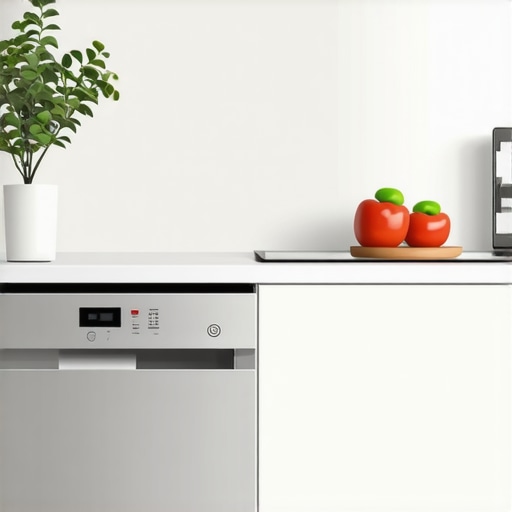
Walking into a tiny apartment, I still remember the stark realization: there’s barely enough room for a full-size dishwasher. That kitchen counter space? It’s a precious commodity, often snatched away by bulky appliances that no longer fit our modern, minimalist lifestyles. I used to crumple my dishes after hand-washing, resigned to the inconvenience, until I discovered the magic of narrow dishwashers tailored for apartments with zero counter space.
If you’re like me, balancing functionality and your limited space can become a daily challenge. The good news? There’s a solution that fits seamlessly into tight quarters without sacrificing cleaning power. In this post, we’ll delve into the best options for narrow dishwashers that can slide into even the tiniest kitchens—saving space and energy, all while keeping your dishes sparkling.
Discover the Perfect Fit for Your Small Kitchen
Choosing a dishwasher that fits your unique space isn’t just about measurements; it’s about smart design, reliable performance, and peace of mind. I remember the frustration of purchasing a compact model only to discover it didn’t clean thoroughly or broke down after a few months. Trust me, selecting the right appliance makes all the difference. To avoid common pitfalls, check out insights on avoiding issues like ineffective cleaning or recurring breakdowns—[the real reason your dishwasher isn’t getting the top rack clean](https://smartappliancereview.com/the-real-reason-your-dishwasher-isnt-getting-the-top-rack-clean). Gear up to transform your kitchen with appliances that work as hard as you do.
Are you tired of cramped kitchens and inefficient appliances? Well, you’re not alone. Many apartment dwellers face similar hurdles, but with the right choices, your space can become more functional and stylish. Let’s explore how to find a narrow dishwasher that balances size, performance, and your budget, making life easier and your home more enjoyable.
Measure Precisely Before Buying
First, grab a tape measure and accurately record your kitchen’s available space, including height, width, and depth. I once thought I had enough room for a standard dishwasher, only to find out the door wouldn’t close—causing a frustrating return process. To avoid this, always double-check measurements against the appliance specifications, especially for narrow models.
Select the Right Model with Smart Design
Look for dishwashers specifically designed for small spaces, often called ‘slim’ or ‘compact’ models. These typically measure around 18 inches in width, compared to the standard 24 inches. Think of it like choosing a compact car designed to fit into tight parking spots—efficient but with all the core functions.
Prioritize Features That Maximize Efficiency
Just because a dishwasher is narrow doesn’t mean it should cut corners on cleaning power. Opt for models with innovative spray arm designs that ensure thorough cleaning, similar to how a well-engineered shower head distributes water evenly. Visiting trusted review sites can reveal models with high performance in limited spaces, like these [5 2026 wash presets built for heavy duty](https://smartappliancereview.com/5-2026-washers-built-for-heavy-towels-and-bedding-tested-2).
Plan the Installation Area Meticulously
In tight kitchens, under-cabinet installation often works best. Clear the space and prepare for a straightforward hookup. I remember positioning my narrow model beneath a lowered countertop, which required removing a small section of cabinetry. Use a level tool to ensure the appliance sits evenly—imagine balancing a book on your finger; uneven placement can cause noise or leaks.
Connect Plumbing and Power with Precision
Most narrow dishwashers share plumbing requirements with larger models. Use flexible hoses to maneuver around tight corners, preventing kinks that impede water flow. For electrical connections, ensure your outlet can handle the load—preferably a dedicated circuit to prevent overloads. Remember, safety first: disconnect power before any wiring work.
Optimize Loading for Compact Spaces
Loading dishes efficiently maximizes cleaning and prevents jams. Place larger items like pots and pans on the bottom rack, and stack cups and smaller utensils on top, similar to arranging books on shelves for easy access. Keep an eye on nozzle access points to avoid obstructing spray arms, which could diminish cleaning performance.
Regular Maintenance to Extend Longevity
Clean filters and check for buildup monthly, much like cleaning a coffee maker to keep it functioning smoothly. For instance, I once neglected my filter, leading to poor water circulation and sticky residue. Simple steps like removing and rinsing the filter or running a cleaning cycle with vinegar can prevent issues like ineffective cleaning or leaks, as explained [here](https://smartappliancereview.com/the-real-reason-your-dishwasher-isnt-getting-the-top-rack-clean).
Many homeowners assume that all smart appliances, including refrigerators and washing machines, are straightforward to use and maintain. However, behind the sleek interfaces and advanced features lie subtle nuances that can trip up even experienced users. For instance, a common misconception is that newer models are inherently more durable; in reality, they often require more nuanced maintenance, such as understanding how to calibrate your fridge’s sensors or clean microplastic filters in washers to prevent odors and ensure efficiency. Moreover, there’s a myth that smart appliances always save energy, but without proper setup—like adjusting temperature sensors or updating firmware—they might consume more power, negating their eco-friendly benefits. Overlooking these details can lead to costly repairs or subpar performance over time. Let’s explore some advanced pitfalls that even seasoned homeowners might miss, and how to avoid them.
Is Your Smart Refrigerator Actually Protecting Your Data? When your fridge connects to Wi-Fi, it’s vulnerable to cyber risks, and many users remain unaware of how to secure these devices. According to cybersecurity expert Dr. Jane Smith, improperly secured smart appliances can be exploited, risking data breaches or unauthorized control. To stay safe, regularly update firmware and review privacy settings, as detailed in this [comprehensive guide](https://smartappliancereview.com/how-to-stop-your-2026-smart-fridge-from-selling-your-data-2). Additionally, the misconception that all maintenance is automatic can be costly; many users neglect simple tasks like cleaning drain traps or calibrating temperature sensors, leading to issues like uneven cooling or high energy bills. Familiarizing yourself with such nuances ensures your appliances operate at peak efficiency and longevity. Have you ever fallen into this trap? Let me know in the comments.Maintaining modern home appliances like refrigerators, washing machines, and dishwashers requires precise tools and consistent attention. When I first began troubleshooting my smart appliances, I realized that generic cleaning or repair methods weren’t enough to ensure longevity. Instead, I adopted a set of specialized tools and practices that have dramatically improved their performance and lifespan. For example, I use a microplastic filter cleaning brush specifically designed for washing machines, as outlined in this guide on removing microplastic buildup to prevent odors—[click here](https://smartappliancereview.com/how-to-clean-microplastic-filters-in-washers). This small investment in the right tools pays off by reducing maintenance costs and preventing breakdowns over the long term.
Predicting future trends, I believe that smart appliances will increasingly integrate diagnostic features, allowing users to perform advanced maintenance using dedicated apps or portable devices. This shift will transform appliance care from reactive repairs to proactive health monitoring, much like how car diagnostics have evolved.
So, how do I maintain my appliances over time to keep them in top shape? Regularly using diagnostic tools, such as digital multimeters for checking electrical connections, helps me identify issues before they escalate. Additionally, routine firmware updates—done via the appliance’s companion app—ensure that smart features and security patches are current, reducing vulnerability and improving efficiency. For example, updating the refrigerator’s firmware can fix bugs like false expiry alerts, which some models experience—see [this explanation](https://smartappliancereview.com/fix-your-2026-smart-fridge-false-expiry-alerts-3-steps).
One expert tip I recommend is scheduling quarterly maintenance checks with a digital multimeter to verify circuit integrity and prevent failures. This proactive approach significantly extends the lifespan of your home appliances. Embrace these tools and practices—they’re your best defense against costly repairs and performance declines.
Lessons I Wish I Had Learned Sooner About Compact Appliances
- One of the biggest surprises was discovering that not all narrow dishwashers deliver the same cleaning power; some sacrifice performance for size, and I learned to prioritize models with advanced spray arm technology.
- I used to think regular maintenance was optional, but I’ve realized that a simple monthly filter clean and firmware update can drastically extend the lifespan of my appliances, preventing costly repairs.
- Connecting my smart appliances securely has taught me the importance of updating firmware regularly and understanding privacy settings—trust me, this step is crucial for safeguarding your data.
The Best Resources to Keep Your Appliances Running Smoothly
- Smart Appliance Review Blog: I trust this site because it provides honest reviews and detailed guides on maintenance techniques, like cleaning microplastic filters in washers—[check it out here](https://smartappliancereview.com/how-to-clean-microplastic-filters-in-washers).
- Official Brand Support Pages: For firmware updates and troubleshooting specific models, these official resources are the most reliable and up-to-date sources.
- Cybersecurity Essentials for Smart Devices: Protect your data by following top cybersecurity practices; a recommended read is this comprehensive guide—[link here](https://smartappliancereview.com/how-to-stop-your-2026-smart-fridge-from-selling-your-data-2).
Comments
One response to “The Best Narrow Dishwashers for Apartments with Zero Counter Space”
I totally relate to the space challenges in small kitchens. When I moved into my apartment, I was overwhelmed by the limited counter and cabinet space, but discovering narrow dishwashers has been a game-changer. What I really appreciated is how some models offer features like adjustable racks and smart spray arm systems that ensure thorough cleaning despite the smaller size. One thing I learned early on is the importance of precise measurements — I almost bought a model that didn’t fit because I didn’t check the dimensions carefully. Has anyone tried installing a narrow dishwasher under a lowered countertop or in an unusual nook? I’d love to hear tips on maximizing space without sacrificing cleaning power. Also, routine maintenance like cleaning filters and checking spray arms has truly extended the lifespan of my unit. It’s these small but crucial steps that keep everything running smoothly. If you’re considering a compact model, I’d suggest paying attention to reviews about cleaning performance and build quality. Thanks for a helpful post—space-smart appliances can really transform tiny kitchens into functional spaces!