
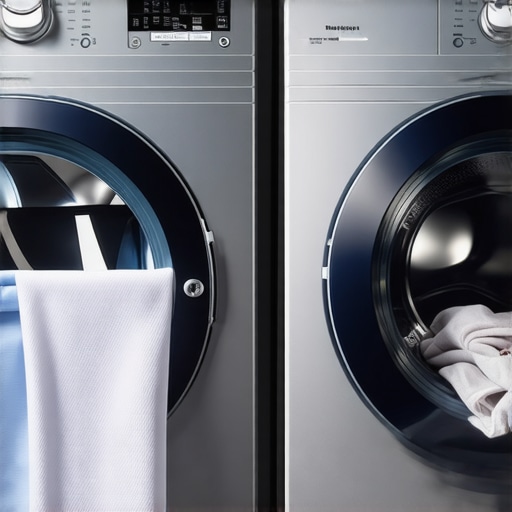
I remember the exact moment I realized I had been wasting money on my washing machine. It was after a particularly stubborn stain on my favorite shirt refused to budge, despite multiple washes with the expensive detergent I thought was supposed to do the trick. Frustration turned into curiosity, which then turned into a deep dive into the world of washing machines. That lightbulb moment made me question everything I knew about cleanup and efficiency in my laundry routine.
The Laundry Dilemma: Finding the Perfect Match for Your Clothes
If you’re like me, you probably stand in the aisle bewildered, staring at the endless rows of washing machines claiming to be “the best”—front-load, top-load, high-efficiency, or traditional. The truth is, each type promises superior cleaning, but which one truly lives up to that promise? And more importantly, which one matches your laundry needs without draining your wallet or your energy?
Is All the Hype About Front-Load Washers Truly Worth It?
Early in my research, I made a common mistake—assuming that all washing machines clean equally well. I overlooked factors like water usage, cycle length, and the way each type handles different fabrics. Surprisingly, a study cited by Consumer Reports highlights that while front-loaders are often touted for energy efficiency, they can develop mold and odors if not maintained properly, which might counteract their benefits. So, before you make a decision, it’s crucial to understand what’s really behind the marketing hype.
Have you ever experienced a cycle that just didn’t seem to get your clothes as clean as you’d hoped? You’re not alone. Many homeowners face similar frustrations, which is why I want to help you decode the pros and cons of each type, so you can choose with confidence—and finally get those clothes spotless every time.
Choose the Right Washing Machine for Your Needs
Start by assessing your laundry habits. If you often wash bulky items or bedding, opt for a high-capacity washer. For energy savings, consider a front-loader, but be ready for regular maintenance to prevent odors. To make an informed decision, compare models and features using guides like this detailed review. Once you’ve selected your machine, ensure it’s installed correctly—level it to prevent excessive vibration, which can cause walking issues. Use a level tool and adjust the feet accordingly. For help with installation quirks, refer to this troubleshooting guide.
Proper Loading Techniques Boost Cleaning Power
Loading your washer correctly prevents damage and ensures clothes get truly clean. Don’t overload; leave enough space for water and detergent to circulate. Place larger items like towels at the bottom and lighter ones on top. For delicate items, use mesh bags or choose gentle cycles. When handling fragile glassware or long-stemmed wine glasses, load them carefully to avoid breakage, a step well covered in this article. Remember, proper loading not only enhances cleaning but also prolongs your machine’s lifespan.
Master the Detergent Dispensers and Cycle Settings
Next, optimize your detergent application. Use the right type and amount—more isn’t always better. Modern machines often have multiple compartments for pre-wash and main wash; learn their functions to avoid residue or wastage. To prevent issues like detergent door sticking shut during cycles, explore troubleshooting tips in this resource. Selecting the appropriate cycle is crucial; heavy soiled items need longer, hot cycles, while daily loads benefit from quick, cold washes. If you experience slow fills, a simple 5-minute fix can be found here. Understanding and customizing these options will vastly improve your cleaning results.
Caring for Your Appliances Ensures Longevity
Regular maintenance stops minor issues from turning into costly repairs. Clean your washer’s microplastic filter monthly to prevent buildup, which can diminish washing effectiveness. For stubborn mold or odor, check and clean the door gasket, a task simplified in this quick guide. Keep the internal drain clear by unclogging it periodically—clogs can cause odors and leaks. To prevent your machine from wandering across the floor, consider anti-walk kits, or follow advice in this article.
Optimize Drying and Post-Wash Care
Effective drying is the final step. If your clothes come out damp or with spots, check the rinse cycle settings and load items evenly. For plastic tubs or delicate glassware, use specific drying settings or manual drying methods outlined in this post. Keep your dryer vents clean to facilitate proper airflow, reducing energy consumption and fire risk. By adopting these concrete steps, you turn your laundry routine into an efficient, cost-effective process that preserves your clothes and appliances alike.While many believe modern appliances are foolproof, beneath the surface lie common misconceptions and nuanced pitfalls that can compromise performance and longevity. For instance, there’s a widespread myth that all refrigerators run efficiently if they keep your food cold, but in reality, frequent clicking sounds often indicate a failing compressor that needs urgent attention—ignoring this can lead to costly repairs, as highlighted by experts in appliance diagnostics. Similarly, many assume dishwashers are maintenance-free, yet neglecting to clean spray arms or check for clogged filters can drastically reduce their effectiveness and lifespan, a mistake that can be easily avoided by following tips from this guide. When it comes to washing machines, the prevalent belief that high spin speeds always equate to dryer clothes is false; in fact, exceeding recommended RPMs can damage delicate fabrics and cause excessive vibration—leading to ‘oops’ moments that damage your laundry or your floors. Advanced users should question: how do you balance cycle selection with fabric care without sacrificing cleanliness, especially with high-efficiency models? Studies from appliance testing laboratories reveal that choosing the wrong cycle significantly impacts cleaning results and energy consumption, so understanding the nuances of cycle programming is vital for optimal use. Moreover, many fall prey to the misconception that smart appliances automatically adapt to their environment; however, without proper calibration and updates, their smart features may underperform or become security vulnerabilities. Ensuring your smart fridge communicates correctly with home automation systems can be tricky, as explained in this article. So, the key takeaway is that advanced appliance management requires both awareness of these hidden nuances and proactive maintenance—doing so helps you avoid costly pitfalls and maximizes their value. Have you ever fallen into this trap? Let me know in the comments.
To ensure your appliances continue to serve you well over the years, investing in the right tools and adopting smart maintenance habits is essential. Personally, I rely on a premium digital multimeter like the Fluke 117 for diagnosing electrical issues because its accuracy and durability have saved me from costly repairs and unnecessary replacements. When dealing with smart appliances, I use dedicated diagnostic apps recommended by manufacturers to access firmware updates and run system checks remotely, which keeps my devices running smoothly and prevents unexpected failures. Instead of guessing, I prefer tools like the Bosch sieve cleaning brush for dishwashers, which allows precise cleaning of spray arms and filters, ensuring optimal water flow and washing performance. Regularly inspecting and cleaning these key components with specialized tools extends your appliance’s lifespan significantly.
In terms of software, I recommend Home Assistant for managing smart appliances. It’s an open-source platform that I personally use to automate routines, check device statuses, and receive maintenance alerts—saving me time and hassle. Integrating this with your existing smart home ecosystem can reveal patterns, such as noticing when a refrigerator’s compressor runs longer than usual, indicating a potential issue (see this detailed guide for troubleshooting).
Looking ahead, I predict that maintenance will become increasingly automated, with AI-driven diagnostic tools becoming standard. These tools will proactively alert homeowners to issues before they escalate, preempting costly repairs and downtime. Embracing these innovations now positions you to stay ahead in appliance care.
How do I maintain my appliances over time?
Establishing a routine of regular inspections and cleanings, including checking filters, seals, and drainage systems, is vital. For example, periodically unclogging the internal drain trap of your washer prevents odors and mold build-up (more on this here). Incorporating diagnostic tools into your maintenance routine helps catch issues early. I encourage you to try using a digital multimeter for electrical checks or a specialized brush for spray arm cleaning—these small investments make a big difference in long-term appliance health and performance.
The Hardest Lesson I Learned About Smart Appliances
One of the most challenging truths I uncovered is that even the smartest devices require human oversight. Relying solely on automation can lead to overlooked maintenance issues, like a fridge’s temperature drifting or a washer’s clogged filter. Recognizing that smart appliances are tools—not magic—has profoundly changed how I tend to my home equipment.
My Surprising Discovery About Energy Efficiency
I used to believe that setting my dishwasher to the eco mode was enough to save power, but I learned that cycle selection and load size can trump settings. In fact, understanding the nuances behind each program helps me reduce both energy bills and environmental impact, reminding me that knowledge is power.
What No One Tells You About Appliance Maintenance
Immediate fixes aren’t always the best long-term strategy. Sometimes, investing a few extra minutes in regularly cleaning filter traps or checking seals staves off costly repairs down the road. This proactive approach, which I adopted after a costly refrigerator repair, has made my appliances last significantly longer.
Why Proper Loading Transforms Cleaning Results
It might sound trivial, but the way you load your washer or dishwasher directly impacts their performance. Correctly positioning delicate glasses or creased towels prevents damage and ensures thorough cleaning. Embracing this simple habit has noticeably improved my laundry and kitchen routines.
The Power of Routine Checks and Tool Self-Reliance
Keeping handy a smart device diagnostic app or a quality cleaning brush may seem minor, but these tools empower me to troubleshoot issues early—saving time, money, and frustration. Cultivating this habit has turned appliance care into a manageable, even satisfying, part of homeownership.
My Essential Toolkit for Appliance Care
- Digital Multimeter: I trust the Fluke 117 for accurate electrical diagnostics, preventing unnecessary replacements.
- Spray Arm Cleaning Brush: The Bosch sieve brush keeps my dishwasher functioning efficiently and extends its lifespan.
- Diagnostic Apps: Home automation platforms like Home Assistant allow me to monitor appliance health remotely and plan maintenance proactively.
- Specialized Cleaning Supplies: Regularly using targeted tools ensures my appliances stay in excellent condition, saving costs in the long run.
Let’s Embrace Smarter Home Care
With advancements in appliance technology, the future promises even more automated diagnostics and predictive maintenance. Taking these lessons now prepares you to harness the full potential of your smart appliances, turning every household chore into an opportunity for efficiency and savings. Remember, becoming proactive rather than reactive is the key to a happier, healthier home environment.
What simple routine change has made the most difference in maintaining your appliances? Share your experience in the comments below!
Comments
2 responses to “Top-Load vs. Front-Load: Which Washing Machine Actually Cleans Better?”
I really appreciated the detailed insights in this post, especially about loading techniques and cycle optimization. I used to underestimate the importance of proper loading, but ever since I started paying more attention to how I place my clothes—particularly separating delicate fabrics from heavier items—I've noticed a clear improvement in cleaning and less wear on delicate pieces. It's easy to overlook how much the subtle arrangement impacts washing results. Have others experimented with specific loading patterns for different laundry types and noticed a difference? I’m curious about the variety of methods people use to maximize their washer’s efficiency. Also, I found that regularly cleaning the door gasket dramatically reduces mold buildup, which is a game-changer for maintaining freshness. Would love to hear if anyone has tried additional preventative measures, especially for front-loaders prone to odors.
This post really hits home for me, especially the part about choosing the right cycle and load size for energy efficiency. I used to think running everything on the eco mode was enough, but I noticed that if I don’t load my washer properly or choose the right cycle (like skipping pre-wash for lightly soiled clothes), I actually save more water and electricity. It’s interesting how small adjustments can make such a big impact. Also, I’ve learned that maintaining the door gasket regularly, especially for front loaders, really helps keep odors at bay. Has anyone experimented with different detergent types for front-loaders? I’ve found that switching to a HE detergent designed for mold prevention has helped a lot. It’s refreshing to see more detailed advice on maintenance and cycle optimization—these are the real game changers for making laundry less of a chore and more cost-effective. What other simple tweaks have you all found that improve your washing machine’s performance and lifespan? I’d love to hear!”,