
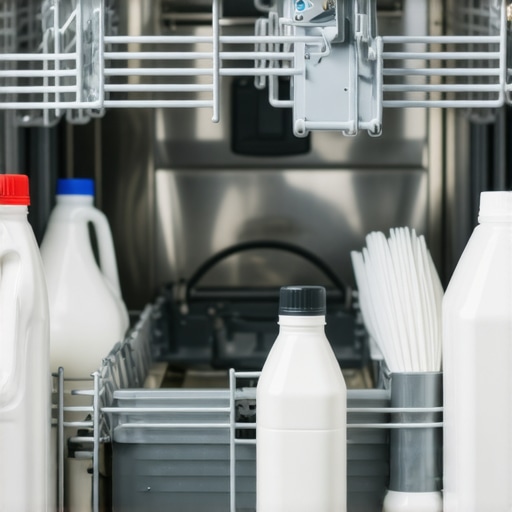
Ever had that gut-wrenching moment where you open your dishwasher, only to be greeted by stubborn coffee stains smudged across the interior? I remember mine vividly—an early morning routine gone wrong, and there it was: a cloudy, grimy film that just wouldn’t budge. It felt like my trusty appliance had turned into a battlefield of coffee splashes and hard water deposits, making me question whether I was doing something wrong all along.
The Lightbulb Moment I Didn’t Expect
It wasn’t until I read a startling statistic—according to the Environmental Protection Agency, mineral buildup from hard water can reduce dishwasher efficiency by up to 30%—that I realized I was battling more than just coffee stains; I was fighting a common, overlooked enemy: mineral deposits and residue that cling stubbornly inside our dishwashers. This revelation was a game-changer. I started to see that the stains weren’t just dirt—they were a sign of scale and soap scum accumulating over time, blocking the dishwasher’s ability to clean effectively.
Is Deep Cleaning Really Worth the Hype?
At first, I was skeptical. I thought, “Maybe I just need better detergent or some miracle cleaner.” But I made one crucial mistake early on—I relied solely on commercial cleaning tablets without addressing the root cause: mineral buildup and leftover coffee oils. Turns out, a simple vinegar and baking soda rinse, coupled with a regular cleaning routine, does wonders. Trust me, these small proactive steps can extend the lifespan of your dishwasher and restore its cleaning power.
Have you ever faced a similar coffee-induced disaster inside your dishwasher? If so, stick around. In the next sections, I’ll share the exact methods I used to banish those stubborn stains and keep my dishwasher spotless—and I’ll tell you how you can do the same.
Remove Old Residue with a Vinegar Rinse
Start by removing the dishwasher racks and emptying the unit. Place a cup of white vinegar in a dishwasher-safe container on the top rack. Run a hot water cycle. This helps dissolve mineral deposits and soap scum, much like how vinegar cuts through grime in kitchen tiles. I did this on a Saturday morning, and the difference was immediate; the interior looked brighter, and lingering odors diminished.
Sprinkle Baking Soda for a Fresh Finish
After the vinegar cycle, sprinkle a cup of baking soda across the bottom of the dishwasher. Run another hot water cycle. Baking soda acts as a gentle abrasive and deodorizer, polishing off residual grime. During my first attempt, I noticed stubborn coffee stains fading away, resulting in cleaner, shinier dishes. This step is essential for tackling any remaining film and restoring the dishwasher’s cleaning power.
Clean the Filter and Spray Arms Thoroughly
Locate and remove the dishwasher filter—usually at the bottom. Rinse it under hot water, gently scrubbing away debris with an old toothbrush. Inspect spray arms for clogs—use a paper clip to clear blocked holes. This process is akin to cleaning the pipes in your home plumbing—vital for maintaining water flow. I had a clogged spray arm that caused uneven washing, and clearing it significantly improved cycle performance.
Address Hard Water Deposits Inside
For persistent scale buildup, switch to a commercial descaler or use a homemade solution of equal parts vinegar and water poured directly into the bottom. Run a hot cycle, letting the solution dissolve mineral deposits lodged inside nozzles and seals. I found this step especially helpful after living in a hard water area, and it extended the lifespan of my appliance.
Prevent Future Accumulation Officially
To keep deposits at bay, regularly run monthly descale cycles, and consider installing a water softener if you have hard water. Additionally, avoid overusing detergent; excess soap can contribute to residue. For instance, I switched to a reduction in detergent and added a water softener unit, drastically decreasing future buildup. Remember, consistent maintenance minimizes big cleaning efforts down the line, much like routine oil changes for your car.
Discovering Hidden Troubles
Sometimes, tiny components like the small hole causing leaks or clogged filters can undermine cleaning. Regularly inspect these to ensure optimal operation. During my deep clean session, I uncovered a tiny hole in a spray arm that was diverting water flow—fixing it restored my dishwasher’s effectiveness and saved me from a costly repair.
Many homeowners believe that selecting the latest smart features or high-capacity models guarantees optimal performance, but in reality, there’s more nuance to reliable appliances. One common misconception is that all dishwashers dry perfectly without extra effort. In practice, many fail to account for installation issues or proper loading techniques that significantly impact drying efficacy. For example, if your dishwasher isn’t drying, it might not be due to a faulty heating element but could be related to improper airflow caused by door seal misalignment or blocked vents. Ensuring your appliance is level and vents are clear can make a noticeable difference.
Another frequent mistake revolves around refrigerators, where owners think that higher cooling settings always preserve food better. Actually, setting your fridge to extremely low temperatures may cause freezing of fresh produce, damaging your food, and increasing energy consumption. Learn the optimal temperature zones—generally around 37°-40°F (3°-4°C)—to maintain freshness without waste.
What Advanced Features Actually Matter for Smart Appliances?
Many users assume that more smart features translate into better performance, but it’s often the subtle integrations that make the difference. For instance, a smart washing machine with moisture sensors can tailor cycle times precisely, saving water and energy. Without such nuanced sensors, you might end up over-washing or wasting resources. According to a study by the Department of Energy, such intelligent sensors can reduce water use by up to 30%. So, pay close attention to these details rather than just the number of Wi-Fi-connected options.
Overlooking filter maintenance is another trap many fall into, especially with washing machines. The hidden filter in your washer, if clogged, can cause odors, poor cleaning, and even mechanical issues. Regularly inspecting and cleaning this component, as described in detailed guides, will keep your machine functioning optimally. Otherwise, you’re risking early breakdowns and costly repairs. For a detailed walkthrough, check out how to maintain this critical part of your appliance.
Finally, a widespread myth is that using more detergent yields cleaner dishes or clothes. In reality, excess soap leads to residue buildup, causing spots or fabric damage. Using the recommended amount and switching to eco-friendly detergents can prevent these issues, saving you money and enhancing durability. If you’re unsure about optimal settings and maintenance, consulting thorough guides will help you avoid costly mistakes and prolong your appliance lifespan.
Are you guilty of any of these misconceptions? Proper knowledge can transform your experience and save money over time. For more tips on maintenance and troubleshooting, explore specific issues like fixing leaks or clearing clogged filters through trusted resources. And remember, a little proactive care goes a long way in ensuring your appliances serve you well for years to come.
Keep Your Appliances Running Like New with the Right Tools
Maintaining your home appliances over time requires more than just basic cleaning routines. Investing in specialized tools can significantly extend their lifespan and ensure optimal performance. Personally, I swear by a quality ultrasonic cleaner for removing stubborn mineral deposits from dishwasher components. It uses high-frequency sound waves to dislodge grime in hard-to-reach areas, making deep cleaning more effective and less labor-intensive.
For electronics like smart fridges, a reliable multimeter (I prefer the Fluke 117) has been invaluable. It helps me diagnose voltage irregularities quickly, preventing minor issues from escalating into costly repairs. Regularly checking power supplies and internal connections with precise instruments ensures that your appliances stay in top shape.
Software plays a crucial role as well. Using manufacturer-recommended diagnostic apps and firmware update tools keeps smart appliances functioning securely and efficiently. For instance, I use an app that interfaces with my smart washing machine to monitor cycle performance and receive early alerts about potential issues. These digital tools can save you time and money by catching problems early.
Moreover, a good quality food-grade descaling tablet combined with a vinegar rinse can prevent scale buildup, especially if you live in hard water areas. I suggest developing a regular maintenance schedule—quarterly deep cleans with these tools can dramatically improve appliance longevity.
How do I maintain my appliances so they last for years?
The future of home appliance care is heading toward smarter, more integrated solutions. Imagine AI-powered diagnostics that send notifications before a breakdown occurs, or IoT devices that automatically adjust cleaning routines based on usage patterns. Embracing these innovations can transform routine maintenance from a chore into a proactive, efficient process. For example, upgrading to a smart refrigerator equipped with predictive maintenance capabilities can prevent unexpected failures and save money in the long run.
By combining technical tools with smart technology, homeowners can develop a comprehensive maintenance strategy that not only preserves their appliances but also enhances energy efficiency and convenience. To get started, consider installing a water softener to reduce mineral buildup, and couple it with regular descaling and filter checks. This proactive approach ensures your appliances perform optimally for years to come.
Interested in taking your appliance care further? I recommend trying out a professional-grade ultrasonic cleaner for your dishwasher or coffee machine. These devices can remove hidden grime and scale that standard cleaning can’t reach, especially inside spray arms and seals. Remember, prevention is always cheaper than repair. Regular use of specialized tools combined with timely software updates creates a reliable, long-lasting home setup.
Stay ahead of appliance issues by consulting resources like expert guides on leak prevention. Implement one advanced cleaning tip today, and your appliances will thank you for it.
Over the years, I’ve faced countless surprises with my appliances—some minor, like unexpected beeps, and others more daunting, like persistent leaks or stubborn stains. These experiences have taught me invaluable lessons that go beyond basic cleaning routines, revealing truths about appliance care that most homeowners overlook. If you’re ready to elevate your maintenance game, here are some unconventional insights I’ve uncovered along the way.
The Hardest Lesson I Learned About Dishwashers and Refrigerators
One time, I ignored the importance of inspecting small components like spray arms and filters, assuming they were self-maintaining. That oversight led to inefficient cleaning and costly repairs. Now, I know that regular checks and deep cleaning of these tiny parts can prevent major issues, saving you time and money in the long run. Trust me, taking a proactive approach with these hidden elements can make all the difference.
3 Myths About Smart Appliances That Held Me Back
I used to believe that connecting my appliances to the Wi-Fi automatically meant better performance. But I quickly realized that outdated firmware and ignored security alerts could cause malfunctions. Keeping software updated, managing power settings, and understanding the nuances of smart technology have been game-changers. Embracing these revelations has helped me troubleshoot issues effectively and get the most out of my smart appliances.
What Experts Won’t Tell You About Deep Cleaning and Maintenance
Many professionals recommend professional-grade tools, but I’ve found that affordable devices like ultrasonic cleaners and magnetic scrubbers are surprisingly effective for home use. They help remove hidden scale and grime that standard cleaning can miss, especially inside spray arms and seals. Incorporating such tools into your routine can dramatically extend your appliance lifespan and performance.
Curated Tools and Resources That Changed My Routine
I’ve curated a selection of trusted tools that make appliance maintenance both easier and more thorough. The ultrasonic cleaner is fantastic for deep cleaning dishwasher components, while the firmware update apps keep my smart fridge running smoothly. Additionally, authoritative websites like Smart Appliance Review offer detailed guides that empower me to tackle issues confidently.
Your Next Step in Appliance Confidence
Armed with these insights and tools, you’re well-positioned to take control of your home appliances. Regular maintenance, informed troubleshooting, and embracing innovative tools can ensure your appliances serve you efficiently for years to come. Don’t wait for problems to disrupt your routine—start applying these lessons today and experience the difference firsthand.
What unexpected appliance challenge has caught you off guard? Share your story below—I’d love to hear your experiences and tips!
Comments
One response to “The Secret to Removing Coffee Stains from Your Dishwasher Interior”
Reading this post really hit home for me because I used to think regular dishwasher cleaning wasn’t necessary, until I noticed my dishes weren’t coming out as spotless anymore. I found that de-scaling with vinegar and baking soda made a huge difference, especially in hard water areas like here in Tampa. What’s interesting is how tiny components like spray arms and filters can really affect cleaning efficiency — I once ignored my spray arm and ended up with uneven washing. Now, I make it part of my routine to check these parts monthly. Has anyone else noticed improvements after inspecting and cleaning these hidden areas? It’s amazing how much of a difference proactive maintenance makes in extending your appliance’s life and performance. Additionally, I’ve started using an ultrasonic cleaner for stubborn deposits, which is a game-changer for hard-to-reach spots. Curious how others incorporate tech tools in their maintenance routines?