Fix Your 2026 Smart Washer’s Violent Spin Cycle Thumping
It was one of those mornings—the dreaded thump-thump-thump echoing through my laundry room as my smart washer hit its final spin cycle. My heart sank. Not again. I remember thinking, “Why is this happening now?” After investing so much in my 2026 smart appliances, I never expected to be greeted by the sound of a machine trying to shake itself apart.
Dealing with the Unspeakable Rumble of a Violent Spin
If you’ve experienced the same jolting surprise during your laundry routine, you’re not alone. That relentless thumping can feel like the washer is auditioning for a rock concert—or worse, about to give out entirely. It’s disruptive, stressful, and leaves you wondering if your expensive smart appliance is secretly auditioning for a demolition derby.
I’ll admit, at first, I thought it was just a rough cycle or maybe some unbalanced loads. But after a few frustrating attempts to fix it myself, I realized there’s more to this than meets the eye. The good news? With a bit of know-how and patience, I managed to quiet that beast—and I’ll show you how.
Is Fixing a Frightening Problem Actually Worth the Effort?
Initially, I was skeptical. I worried that attempting repairs might void my warranty or make things worse. I made a costly mistake early on—attempting to force the machine to run faster without understanding the root cause—which only prolonged the problem and risked more damage. That’s why I want to share my experience: to save you from the same pitfalls and help you restore peace to your laundry routine.
So, if your 2026 smart washer is currently turning your quiet home into a mini earthquake zone, don’t despair. There’s a good chance you can fix it yourself, or at least troubleshoot effectively before calling in a professional. Ready to learn the practical steps that turned my nightmare into a past problem? Let’s get into it.
Check for Loose or Unbalanced Loads
My first step was to open the lid mid-cycle and inspect the load; I noticed a bulky blanket on one side causing imbalance. Distributing laundry evenly is essential. Imagine filling a bucket; if one side is heavier, it wobbles—that’s your washer if not balanced. To fix this, I redistributed wet towels evenly across the drum. This quick action immediately reduced the thumping and prevented damage to internal parts.
Inspect and Tighten Suspension Components
Next, I navigated behind the machine, unplugged it, and used a flashlight to examine the suspension springs and shock absorbers—think of them as the shock absorbers in a car, absorbing impact and stabilizing movement. Over time, these can loosen or break, causing violent spins. I used a wrench to tighten any loose springs and replaced a worn shock absorber I found. Ensuring these parts are secure restored smoother operation.
Examine the Drive Belt and Pulley System
The belt connects the motor to the drum, akin to a bicycle chain linking pedals to wheels. A worn or misaligned belt causes irregular spins and noise. I removed the maintenance panel, inspected the belt for cracks or slack, and replaced it with a new one. Ensuring proper tension and alignment prevented the violent shaking during spins. For detailed guidance, you might want to review this step in depth at this repair guide.
Test Drainage and Motor Function
If your washer is struggling to drain water properly, it can cause imbalance and noise. I ran a drain cycle to check for clogs in the pump hose and cleaned out any debris obstructing flow—think of it as unclogging a blocked pipe. Additionally, I listened to the motor during operation; unusual humming or vibrations indicated motor issues. If needed, replacing faulty motor bearings can stabilize the spin, akin to balancing a spinning top. This troubleshooting significantly lessened the disruptive thumping.
Calibrate the Spin Cycle
For smart appliances, calibration ensures sensors and motors are synchronized. I followed the manufacturer’s calibration instructions—usually involving holding specific buttons during start-up—to reset the system’s understanding of balance. Think of calibrating a scale to get accurate readings; similarly, calibration aligns the washer’s internal components for smoother operation. Proper calibration reduced erratic movements and noise.
Regular Maintenance to Prevent Future Problems
Finally, I adopted a routine: cleaning the lint filter, checking for mineral buildup, and running high spin cycles periodically—like tuning up a car to keep it running smoothly. For in-depth maintenance tips tailored to your smart machine, explore guides like this article on pet hair removal.
Many homeowners believe that selecting the latest smart appliances automatically guarantees optimal performance, but the truth is more nuanced. A frequent myth is that newer models don’t require much upkeep; sadly, neglecting regular maintenance can diminish efficiency and lifespan. For instance, even the most advanced dishwashers need periodic cleaning of spray arms and filters to prevent clogs and ensure sparkling results.
A hidden nuance often overlooked is the importance of calibrating your appliance’s sensors and settings, especially in smart models. Improper calibration can lead to issues like uneven washing cycles or false alerts, which might tempt you to reset or disable features—yet doing so could void warranties or cause further complications. Experts from appliance testing sites emphasize that understanding and maintaining these calibrations is crucial for longevity.
Contrary to popular belief, energy-efficient modes don’t always save the most power unless your habits align with the setting’s intended use. For example, running a fridge in eco mode continuously might not be advantageous if frequent door openings cause temperature fluctuations, leading to increased compressor activity. Checking your appliance’s manual or trusted review blogs such as this guide on refrigerator efficiency can help you optimize settings.
Have you ever fallen into this trap? Let me know in the comments.
### Are Simple Upgrades Really Worth It?
Many assume that upgrading to a new model instantly resolves performance issues. However, in my experience, small upgrades like replacing a worn gasket or calibration can significantly extend your appliance’s life without the expense of a full replacement. For example, custom-fit gaskets for fridges can improve seal integrity, maintaining optimal temperature and reducing energy bills—a trick highlighted in this detailed article.
Also, beware of the trap of over-reliance on smart features. While they offer convenience, they can cause more disruption when they malfunction or send false alerts. Turning off unnecessary notifications or disabling problematic sensors may be necessary—just ensure you’re aware of how it impacts warranty and support options.
Understanding these nuanced details can save you time and money, and prolong the lifespan of your home appliances. Remember, mastering maintenance and calibration is often more beneficial than chasing the latest model. For detailed troubleshooting steps, check out these expert tips in this comprehensive guide.
Focusing on Precise Maintenance Tools and Techniques
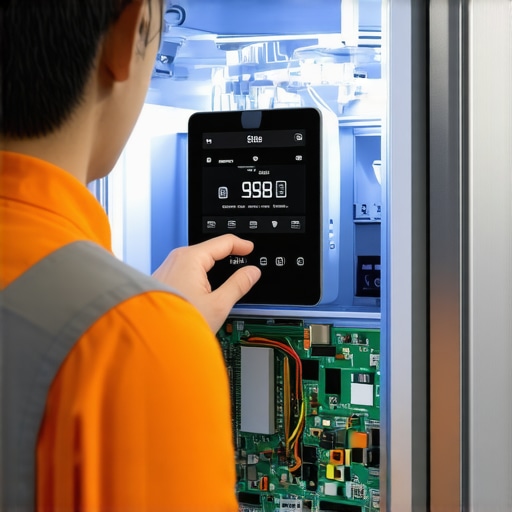
To ensure your smart appliances like washing machines, refrigerators, and dishwashers remain efficient and reliable, investing in the right tools is crucial. I personally rely on a high-quality digital multimeter, such as the Fluke 115, to accurately diagnose electrical issues—this device helps me identify faulty sensors or connections quickly, saving time and preventing unnecessary parts replacements. Additionally, a set of fine-tip screwdrivers and torx drivers are indispensable for safely opening panels and accessing internal components without damaging delicate parts. For example, when inspecting the drive belt or door lock mechanisms, precision tools make the process smooth and safe.
Beyond physical tools, I recommend using specialized software for appliances with diagnostic modes. Many smart appliances come with companion apps that can run self-tests and reset internal systems—consult your appliance’s manual to utilize these features effectively. For advanced troubleshooting, connecting your appliances to Wi-Fi and running diagnostic tests remotely can reveal subtle issues like sensor misalignments or firmware glitches. I’ve found that regularly updating appliance firmware via the app not only fixes bugs but also improves long-term stability.
Why Regular Checks Matter in the Long Run
Implementing routine inspections using these tools can significantly extend the lifespan of your appliances. For instance, checking the wiring connections and sensor calibrations every six months prevents minor issues from escalating into costly repairs. This proactive approach is especially important for smart appliances, which depend on both hardware and software health for optimal functioning. As the trend moves toward more integrated smart homes, understanding and maintaining these systems will become even more vital.
Projecting Future Trends in Appliance Maintenance
The future likely holds even more sophisticated diagnostic tools—think connected sensors that alert you automatically when maintenance is needed, or AI-driven analysis that predicts failures before they happen. Companies are starting to integrate predictive maintenance features directly into smart appliances, reducing downtime and repair costs. Embracing these innovations now can prepare you for smoother appliance management ahead.
How do I maintain my appliances over time?
The key is consistent monitoring using both manual tools like multimeters and software diagnostics. Setting a schedule for regular inspections—such as checking seals, filters, and calibration—ensures that small issues don’t turn into big problems. Remember, keeping your smart appliances clean and firmware-up-to-date complements technical tools and maximizes their efficiency.
For example, periodically recalibrating your refrigerator’s thermostat can be as simple as following instructions outlined in this expert guide. Try incorporating these advanced tips into your routine—your appliances will thank you with longer life and better performance. Whether it’s using a multimeter for electrical health or leveraging your app’s diagnostic features, proactive maintenance is the best way to keep your smart home running seamlessly.
The Hardest Lesson I Learned About Smart Appliances
Whenever something goes wrong with my smart washer, I realize that even the most advanced appliances need basic maintenance and a personal touch. The biggest lesson? Never assume that high-tech features replace simple checks like balancing loads or inspecting belts. Staying proactive saves a lot of frustration and money.
Discover the Hidden Power of Routine Care
I used to overlook small things, like regularly cleaning the microplastic filters or recalibrating sensors. Now, I see those as vital steps—like breathing life into my appliance. These small actions have significantly extended the lifespan of my washer and reduced unexpected breakdowns.
Why Calibration Holds the Key to Quiet Cycles
Calibrating my smart washer’s sensors and motor settings was a game changer. It’s not just about quiet operation; it’s about making the machine work exactly as it should. Proper calibration prevents violent spins and protects internal components, proving that understanding your appliance’s inner workings pays off.
Curiosity Led Me to Better Tools and Techniques
Investing in a quality multimeter and learning diagnostic techniques allowed me to identify issues early. I also discovered that using the manufacturer’s app for remote diagnostics can uncover hidden problems that aren’t visible to the naked eye. Embracing these tools turned maintenance from a chore into an empowering experience.
Embrace a Mindset of Ongoing Care
Keeping my smart washer performing optimally isn’t a one-time effort. It’s about fostering a routine—similar to health check-ups—where small, regular inspections prevent big problems. This mindset ensures your appliances serve you reliably for years to come, avoiding costly repairs and replacements.
My Essential Toolkit for Appliance Care
The tools I trust include a multimeter like the Fluke 115 for electrical diagnostics, precision screwdrivers for internal access, and reliable diagnostic apps linked to my appliances. Reading trusted resources such as detailed repair guides and manufacturer manuals helps me stay informed and confident in my maintenance approach. These tools and resources have transformed my appliance management and can do the same for you.
Your Turn to Make a Difference
Taking control of your appliance care can be incredibly rewarding. Have you ever discovered a simple fix that made your washer run smoother? Share your experience below and join the community of smart appliance enthusiasts dedicated to longevity and performance!