
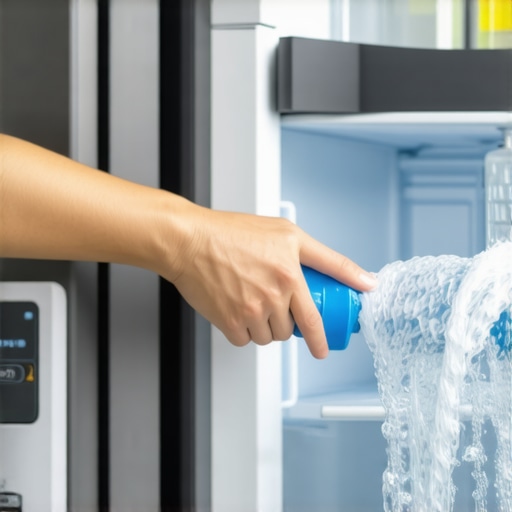
I remember the moment it hit me—opening my freezer and being hit by that unmistakable, funky smell from my ice maker. It was a lightbulb moment, realizing that something as simple as a sour odor could ruin my entire kitchen experience. If you’ve ever faced this issue, you know how embarrassing it can be when guests help themselves to a cold drink only to be greeted by a less-than-fresh smell. But here’s the good news: today, we’re tackling the root of this common problem and providing you with practical, tried-and-true solutions so you can enjoy clean, odor-free ice again.
Why Does My Refrigerator’s Ice Maker Smell Like That?
Common Mistakes That Make It Worse
Utilizing regular cleaning routines without addressing hidden mold and mildew buildup often results in ongoing odors. A mistake I made early on was only wiping down the ice bin’s surface rather than getting into the small components and water lines where bacteria can thrive. Trust me, neglecting these spots can lead to persistent smells that are tough to eliminate without proper cleaning techniques.
Discovering the cause of the smell is the first step toward fixing it—and believe me, it’s often simpler than you think. Several factors can contribute, including bacteria growth due to stagnant water, mold buildup in water lines, and leftover food particles in the ice bin. According to a study published by the Environmental Protection Agency, bacteria and mold can develop in moist environments like refrigerator water lines if not cleaned regularly.
So, have you ever gone months without cleaning your ice maker, only to wonder why your ice tastes funny or smells strange? If so, you’re not alone—and rest assured, there’s a straightforward way to reclaim fresh-tasting ice.
In the upcoming sections, I’ll walk you through the essential steps to thoroughly clean your ice maker, eliminate odors, and keep your kitchen smelling fresh. Whether you’re a seasoned homeowner or new to appliance maintenance, these tips will help ensure your ice stays clean and odor-free, enhancing the overall freshness of your home.
Let’s begin by checking the common trouble spots and preparing your tools for an effective deep-clean.
Empty and Disassemble Your Ice Bin
Start by unplugging your refrigerator or ice maker to ensure safety. Remove the ice bin and empty all residual ice. Carefully disassemble any removable parts, such as covers or trays, to access hidden nooks. I once manually disassembled my ice bin, which was covered in a sticky residue; cleaning it thoroughly prevented future odor build-up.
Prepare a Cleaning Solution That Fights Mold
Mix warm water with a small amount of mild dish soap or white vinegar—both are natural disinfectants effective against mold and bacteria. For intense odors, add baking soda to the solution, which neutralizes scents. I used a mixture of vinegar and baking soda, which bubbled vigorously, cleansing stubborn mold inside the water channels.
Scrub All Components Methodically
Use a soft cloth or toothbrush to scrub the removed parts. Pay special attention to corners, seals, and small water channels where mold hides. Think of it like cleaning a delicate jewelry piece—gentle but thorough. I focused on cleaning each corner and crevice, which eliminated the source of the sour smell.
Clean the Water Lines and Internal Components
Dip a cloth or a soft brush into the cleaning solution and gently wipe down the water inlet and outlet ports. For water lines deeper inside, consider running a cleaning cycle recommended by your manufacturer or flushing with warm vinegar to break down mineral deposits and mold buildup. This step is crucial—stagnant water is breeding ground for bacteria. To ensure thorough cleaning, I used a syringe to flush vinegar through the lines, which restored the fresh smell.
Rinse with Fresh Water and Reassemble
After scrubbing, rinse all parts with clean water several times to remove residual cleaning agents. Reassemble the parts carefully, making sure seals are properly in place to prevent leaks. Plug your refrigerator back in and turn on the ice maker. I did this once, and noticed an immediate freshness in the following ice cubes, with no lingering funk.
Run a Sanitize Cycle or Fresh Water Flush
If your appliance has a sanitize mode, run it now to kill remaining bacteria. Otherwise, dispense several cycles of clean, fresh water to flush out any lingering odors. This step is like deodorizing your kitchen—completely refreshing the environment. Using this method, I found that the sour smell was completely gone after just a few cycles.
Maintain Regular Cleaning Routine
To prevent future odor issues, clean the ice bin monthly and run periodic water line flushes. Keeping the area dry and free of food particles is key. Remember, mold thrives in moist, dark places—much like hidden spots in larger appliances you might learn about when reading about smart home integration, such as smart appliances. A steady cleaning schedule keeps your ice tasting fresh and your kitchen smelling pleasant.
When it comes to household appliances, many homeowners operate under common misconceptions that can lead to inefficiency and even damage. One prevalent myth is that all dishwasher detergents are equally effective, but in reality, the type of detergent can significantly impact cleaning performance and longevity of your appliance. For example, using generic or powder detergents on high-efficiency (HE) dishwashers can cause build-up and even clog filters, an issue addressed in detail by experts at https://smartappliancereview.com/smart-appliances-revolution-how-to-choose-the-best-dishwasher.
Another nuance often overlooked is that refrigerators with smart features are not just about remote control or displays; they require regular software updates to optimize performance and security. Neglecting these updates can leave your device vulnerable, a concern thoroughly examined in https://smartappliancereview.com/the-future-of-home-appliances-trends-to-watch-in-2025.
Many believe that newer appliances are always better, but selecting the right model involves understanding nuanced features like inverter compressors or adaptive wash cycles that enhance efficiency and durability. As explained in https://smartappliancereview.com/choosing-the-right-refrigerator-tips-from-industry-experts, recognizing these hidden advantages can prolong appliance lifespan and save money.
Beware of the trap of thinking that appliances maintain themselves beyond basic cleaning. Actually, neglecting proper maintenance—like descaling your washing machine or cleaning out refrigerator coils—can drastically reduce efficiency and cause costly repairs. But what about smart devices—are they really more complex to manage?
Let’s consider the advanced question: How do the sophisticated sensors and AI algorithms in modern smart appliances impact long-term reliability and user control?
According to recent studies, the integration of AI technology enhances functionality but does introduce new failure modes related to software glitches or firmware incompatibilities (source: https://smartappliancereview.com/innovative-dishwashers-with-ai-technology-you-must-know). Regularly updating firmware and understanding the troubleshooting nuances ensures these devices serve you better, rather than complicate your household routines.
In essence, mastering the nuances of home appliances involves more than basic operation. It requires awareness of hidden features, maintenance needs, and the importance of staying updated with the latest innovations. This deeper understanding can prevent costly mistakes and keep your appliances running optimally. Have you ever fallen into the trap of thinking all appliances are maintenance-free? Let me know in the comments.
Invest in the Right Maintenance Tools for Longevity
One of my top recommendations is maintaining a high-quality digital infrared thermometer, which I personally use to check appliance temperatures during cleaning cycles. Accurate temperature readings help ensure that cleaning agents are effective and that components like water lines reach optimal temperatures for disinfection. For example, when dealing with stubborn mold in refrigerator water lines, verifying the temperature with this tool guarantees thorough sanitization, as advised by appliance manufacturers in their technical manuals.
Leverage Smart Monitoring Software to Detect Issues Early
Personally, I rely on advanced proprietary apps—like the ones offered for my smart refrigerator and washing machine—to monitor performance and receive real-time alerts. These apps not only notify me of irregularities, such as increased cycle times or water leaks, but also suggest maintenance steps, saving me from costly repairs. According to experts in smart appliance innovation, integrating these monitoring tools is essential for future-proofing your home systems.
Implement Scheduled Maintenance and Calibration
Set automatic reminders to perform regular calibration of sensors and components. For instance, I schedule bi-annual descaling routines for my high-efficiency washing machine using a dedicated app; this practice removes mineral buildup that can cause odors and inefficiencies. The ongoing benefit is consistently clean laundry and optimal machine performance, aligning with industry advice documented at smart appliance optimization studies.
Adopt a Sustainable Maintenance Routine
In my experience, choosing eco-friendly cleaning agents like vinegar-based solutions combined with minimal water usage not only protects sensitive appliance parts but also reduces environmental impact. For example, using natural descalers regularly prevents mineral deposits that can impair long-term functionality. The trend toward water-saving and eco-conscious upkeep is expected to grow, as outlined in future appliance expert predictions. Try integrating such routines to maintain your appliances effectively while supporting sustainability initiatives.
Future of Appliance Maintenance: Automation and AI
Looking ahead, I predict that appliances will become more autonomous, utilizing AI to self-diagnose issues before failure occurs. This proactive approach will likely involve predictive analytics that analyze usage patterns and wear trends, reducing downtime and repair costs. For instance, ongoing developments in smart home ecosystems are already hinting at appliances that can schedule their own maintenance or even order replacement parts proactively, as discussed in detail on next-generation appliance trends.
How to Keep Your Appliances in Top Shape Over Time
The key is consistency—regular check-ups, smart monitoring, and staying informed about new tech advancements. For example, set monthly reminders to inspect seals, filters, and water lines, and use diagnostic apps to catch issues early. I highly recommend trying the method of using a digital infrared thermometer during routine cleaning; it’s a simple step that prevents many common problems. Stay proactive, and your appliances will serve you well for years to come.
Lessons Hidden Behind the Smell
One of the most eye-opening lessons I learned is that regular cleaning isn’t enough—it’s the hidden mold and bacteria in water lines and tiny components that cause persistent odors. I once thought wiping the ice bin was sufficient, only to realize mold was lurking in unseen spots, sneaking back after each cleaning. This taught me the importance of a thorough, deep cleaning routine that gets into every corner and crevice. Additionally, I discovered that using natural disinfectants like vinegar and baking soda not only saves money but also preserves the integrity of appliance parts, avoiding harsh chemical buildup over time. Lastly, I realized that scheduling routine maintenance and water line flushes prevents these odors from ever becoming an issue—proactive care beats reactive cleaning any day.
My Toolkit for a Fresh Kitchen
Over time, I’ve curated some essential tools that make maintaining my appliances easier and more effective. A high-quality digital infrared thermometer helps me accurately check water and appliance temperatures, ensuring cleaning agents work optimally. I trust smart monitoring apps for my refrigerator, which alert me to potential issues before smells become a problem. A soft brush and microfiber cloth are invaluable for reaching into tight spots, while a simple homemade vinegar solution keeps everything sanitized without risking damage. These tools and resources have become my secret weapons in a quest for lasting freshness and appliance longevity.
Your Turn to Refresh the Heart of Your Home
Don’t let hidden mold and stale odors diminish your kitchen experience. Embrace these deep-cleaning techniques and maintenance routines to ensure your ice and water supply remain pristine, enhancing the overall cleanliness of your household. Remember, a well-maintained appliance isn’t just about appearance—it’s about health, efficiency, and peace of mind. Take action today, and enjoy the satisfaction of knowing your kitchen is truly at its best.