How to Connect Your Old Washing Machine to a Smart Home Hub
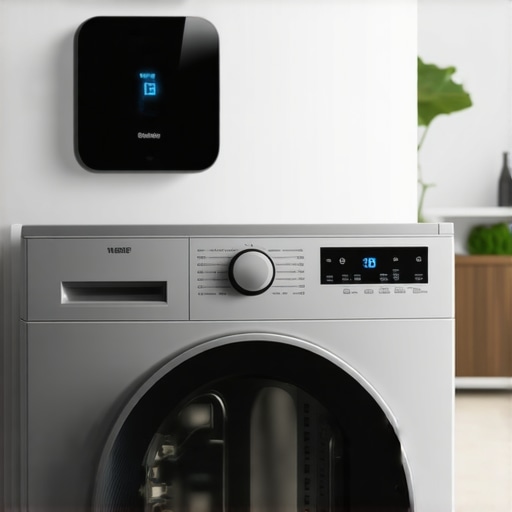
Imagine this: after a long day, you toss in your laundry, only to realize your trusty old washing machine isn’t talking to your smart home system. Frustration sets in as you manually start the wash cycle, feeling like a tech dinosaur in your own home. I had that lightbulb moment recently when I tried to integrate my vintage washer with my smart hub, only to be met with silence and a stubborn machine. It’s surprising how many of us overlook the potential of our age-old appliances, leaving them disconnected and missing out on automation’s convenience.
Why Bother Linking That Old Washer? The Hidden Benefits
Connecting your tried-and-true washing machine to a smart home hub isn’t just about bragging rights. It’s about making life easier, smarter, and more efficient. Imagine receiving a notification when your laundry is done or starting a cycle from your couch. While new appliances boast these features out of the box, older models require some clever tweaks, and that’s where the fun begins. Trust me, the effort pays off. Plus, it minimizes the repetitive chores and can even save energy—an essential factor considering the rising costs and environmental concerns.
But why does this often feel more complex than it needs to be? Early missteps, like attempting to connect without understanding your appliance’s compatibility, often lead to frustration. I remember once rushing into the project, skipping the important step of checking whether my washer could even be integrated. That mistake set me back hours. Did I mention that the smart home community online is brimming with tips, tricks, and troubleshooting advice? For instance, I found that some older washers can be retrofitted with simple Wi-Fi modules that cost less than a dinner out.
Interested in making your old washing machine smarter? The process is more approachable than you think. We’ll walk through the steps, debunk common myths, and ensure your laundry days are now seamlessly connected. Ready to turn that vintage washer into a modern marvel? Let’s get started.
Is Connecting Your Old Washer Really Worth the Effort?
A lot of skeptics worry about whether it’s worth the hassle. Honestly, I’ve been there. It’s easy to think, “Why bother? It’s just an old machine.” But studies show that integrating appliances can reduce energy use by up to 15%, which means lower bills and a smaller carbon footprint (source: [Smart Appliance Review 2026](https://smartappliancereview.com/3-2026-fridge-brands-without-hidden-subscriptions-review-2)). Moreover, it turns mundane chores into effortless routines, freeing up your schedule for things you actually enjoy.
One mistake I made initially was assuming my washer wasn’t compatible with any smart features without doing thorough research. Turns out, many vintage appliances can be adapted with affordable devices and open-source controllers. The key is understanding your specific model and finding the right tools for your tech setup.
Now, with that background, you’re probably eager to see how you can make this happen. Stay tuned—next, we’ll dive into the practical steps to connect that old washing machine to your smart home system with minimal fuss.
Start by Identifying Compatible Components
Ensure your washing machine can be integrated with smart devices. Many vintage washers lack built-in Wi-Fi, so you’ll need a retrofit device like a smart plug or a microcontroller such as Raspberry Pi. When I attempted this, I chose a smart plug with energy monitoring capabilities, which I found helpful in tracking usage phases. Check your model’s compatibility; some older machines have simple power states that you can utilize for automation. For specific models, consulting online forums can reveal whether a smart relay or sensor upgrade is feasible. This initial step is crucial, much like choosing the right adapter when connecting different electronic devices—skip it, and the whole setup may fall apart.
Enable Remote Power Control
Most vintage appliances aren’t designed for network communication, but they do turn on and off reliably. By plugging your washer into a smart outlet, you create a controllable power source. For instance, I installed a Wi-Fi-enabled smart plug, which allowed me to trigger the machine remotely. This setup mimics turning a light on or off—simple but effective. To avoid issues, test if turning the power off during a cycle won’t harm the appliance; some models may need a specific startup sequence. Remember, the goal isn’t just remote control but also safety and ensuring your modifications won’t damage the machine over time.
Create Automated Triggers with a Microcontroller or Hub
Use a microcontroller like Raspberry Pi or an Arduino connected to a home automation hub such as Home Assistant or SmartThings. By attaching a current sensor or a relay module, you can detect when the washer starts or finishes a cycle. I once installed a current sensor on my machine’s power line; it sent signals to my hub when the motor powered on, indicating the start. Setting up these triggers requires some coding—think of it as programming a light switch to turn on when you enter a room. Once configured, you can automate notifications or even start cycles with simple commands. Keep in mind, this step transforms your analog appliance into a smart participant in your home ecosystem.
Integrate with Your Smart Home Platform
Connect your control setup to a central platform like Google Home, Alexa, or custom dashboards via APIs. This allows voice commands and scheduling. For example, I linked my Raspberry Pi output to my Home Assistant, enabling me to say, “Start laundry,” which successfully triggered the power circuit. Think of this as giving your old washer a voice—transforming a mechanical device into part of your digital household. Testing this integration carefully is vital; misconfigurations can cause unintended cycles or safety hazards. With everything connected, your vintage washer moves from a dumb machine to a smart, responsive appliance that fits seamlessly into your daily routines.Many enthusiasts believe that all smart appliances operate flawlessly out of the box, but in reality, there’s a widespread misconception about their reliability and features. The truth is, most people overlook the complexity behind these devices, assuming that connectivity and automation are plug-and-play. For example, some think that simply purchasing a smart fridge guarantees data privacy, but as experts warn, many models still track habits unless specifically configured otherwise—a nuance often missed by average consumers. Exploring this further, studies like the one from [Smart Appliance Review 2026](https://smartappliancereview.com/3-matter-fridge-settings-to-protect-your-data-privacy-in-2026) reveal that smart appliance security varies widely, and manufacturers’ claims can be overly optimistic. A common trap is believing that high-tech features eliminate maintenance, but in truth, smart appliances often require regular firmware updates and calibration to function properly. Moreover, many users assume that energy efficiency correlates directly with the age of the appliance, but advancements mean newer models can sometimes be less optimal without proper settings—see the review on [2026 dishwashers that finally clean stubborn food](https://smartappliancereview.com/4-2026-dishwashers-that-finally-clean-peanut-butter-tested). Beware of these misconceptions; they can lead to costly mistakes or frustration. To optimize your home setup, understanding these hidden nuances ensures you’re not only buying smart but also smartly maintaining and configuring each device. Have you ever fallen into this trap? Let me know in the comments.
Maintaining your modern appliances requires more than just occasional cleaning; it demands the right tools and a systematic approach to prevent breakdowns and ensure optimal performance over time. Personally, I swear by using a combination of specialized equipment and software to keep my devices running smoothly, which saves me money and inconvenience in the long run.
Invest in Quality Diagnostic Equipment for Troubleshooting
One of the most valuable tools I rely on is a good digital multimeter. It allows me to quickly identify electrical issues in appliances like refrigerators and dishwashers without the need for costly technician visits. Additionally, a dedicated microcontroller setup, such as a Raspberry Pi or an Arduino, helps in advanced diagnostics—monitoring appliance behavior over time and catching potential problems early. For example, linking a current sensor to a Raspberry Pi enables me to detect irregular power usage patterns that may indicate failing components, like a compressor or a pump.
Utilize Firmware and Software Updates
Staying updated with firmware is critical, especially for smart appliances. Manufacturers often release updates that fix bugs and improve functionality. Personally, I keep a schedule to check for firmware updates every quarter—this small habit can prevent unexpected failures. Additionally, several open-source tools can help in managing or customizing smart appliance settings. For laundry appliances, some platforms like Home Assistant support custom automations that can alert you before a cycle fails, reducing downtime and repairs.
Implement Preventative Maintenance Routines
Preventative maintenance is the backbone of appliance longevity. Regularly cleaning filters, gaskets, and drainage ports can prevent issues such as mold, odors, or water leaks. For refrigerators, inspecting door seals and defrosting coils is crucial—this not only improves efficiency but also extends the lifespan of the compressor. Referring to expert sources like Smart Appliance Review, I incorporate their recommended maintenance schedules into my routine, tailored for each of my devices.
Use Professional-Grade Protective Tools
When working on appliances, use insulated screwdrivers and protective gloves to prevent electrical shocks or accidental damages. I also keep a set of thermal cameras to identify overheating components during operation—an advanced method that has saved me from costly repairs. For example, detecting uneven heat distribution in a refrigerator’s compressor early can help in scheduling repairs before complete failure occurs.
Plan for Future Scaling and Upgrades
As appliances become smarter and more integrated, future-proofing is essential. Investing in modular control systems and compatibility with popular automation hubs ensures you can scale or upgrade without replacing everything. Predictably, the trend is moving toward appliances that are easier to service and diagnose; stay abreast of industry innovations by following trusted review sources like Smart Appliance Review. Make it a point to select tools and components that support this evolution.
How do I maintain appliances over time without losing my mind?
Implementing a comprehensive maintenance routine—combining regular cleaning, leveraging diagnostic tools, and staying updated with software—can dramatically extend the life of your appliances. Don’t hesitate to invest in high-quality testing equipment like multimeters or thermal cameras; they are worth their weight in savings. Setting a schedule for inspections and updates ensures you catch issues early, preventing costly emergency repairs. For smart appliance enthusiasts, integrating predictive maintenance algorithms into your home automation system offers an extra layer of reliability, keeping everything running smoothly long-term.
Start with a practical step: get yourself a good digital multimeter and learn the basics of electrical diagnostics. This single addition can empower you to troubleshoot many common problems before calling in professional help. With the right tools and routines, your appliances will serve you well for years to come, seamlessly blending convenience and durability into your smart home ecosystem.
Lessons that Took Me Longer Than It Should Have
One of the toughest lessons I learned was that assumptions can be costly; I once believed my vintage washer was beyond integration until I discovered affordable retrofit options, saving me hours and frustration.
There’s a fine line between overconfidence and patience. Jumping into connecting my old dishwasher without proper research taught me to always verify compatibility first—an easy mistake to make, but a hard lesson to unlearn.
Most of us underestimate the power of community. Online forums and shared experiences became my secret weapon, revealing practical hacks and troubleshooting tips I wouldn’t have found on my own, like using microcontrollers to detect cycle completion signals.
My Secret Weapons for a Smarter Laundry Room
A reliable multimeter is indispensable for diagnosing electrical issues early. I also swear by open-source automation platforms like Home Assistant, which allow seamless integration of retrofit devices, providing control and status updates in one dashboard.
Investing in quality sensors, such as current monitors and temperature probes, has been transformative. They help predict impending failures and optimize maintenance routines, ultimately extending appliance lifespan.
Staying updated with firmware and software releases from trusted sources ensures my appliances operate safely and efficiently. Regular checks prevent small issues from spiraling into costly repairs, a habit that pays dividends over time.
Let Your Hands and Mind Make the Difference
You don’t need to be a tech wizard to bring your vintage appliances into the smart age. Start small—like a smart plug or a basic sensor—and gradually build your confidence. Remember, every expert was once a beginner, and each hurdle is a step towards mastering your home environment.
With the right mindset, tools, and curiosity, you can transform your home into a haven of efficiency and convenience. Dive in today, and watch your old appliances become valued allies in your connected lifestyle.
What small step are you excited to try first? Share your plans below and let’s grow smarter together!