
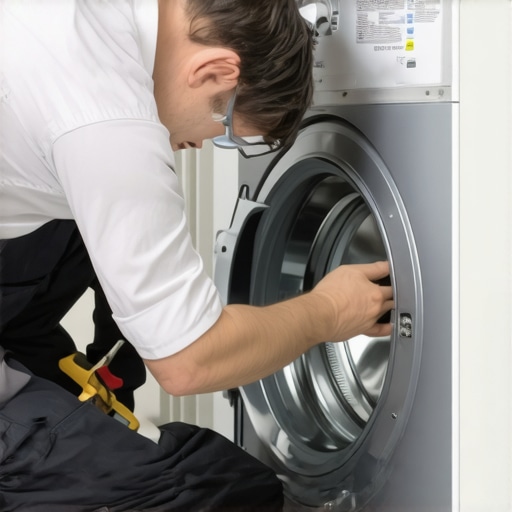
Ever experienced that sinking feeling when you’re ready to start your laundry, only to find your washing machine’s lid refuses to unlock? I remember the first time it happened to me — frustration rising as I punched the side of the machine, wondering if I’d have to call a repair technician. Turns out, that pesky lid lock jammed because of a simple glitch, not some major breakdown. That lightbulb moment motivated me to crack the code of fixing a washing machine lid lock that won’t release, and today, I want to share what I’ve learned so you don’t have to sweat it out alone.
Why Your Washing Machine Lid Lock Keep Failing and Why It Matters
A stuck lid lock isn’t just an inconvenience — it’s a safety feature designed to prevent accidents during wash cycles. When it malfunctions, it can halt your laundry routine entirely, turning mundane chores into a frustrating ordeal. Plus, if you ignore the problem, it might lead to more costly repairs down the line. According to appliance experts, many lid lock issues are caused by minor electrical faults or sensor misreads, which are often easy to troubleshoot.
If you’ve ever encountered your washer’s lid lock sticking and wondered whether it’s worth fixing yourself or calling in a professional, you’re not alone. Early on, I made the mistake of assuming a damaged lock meant replacing the entire unit — a costly mistake that was totally unnecessary. Instead, I discovered that understanding the common causes of lid lock failures and learning a few simple repair tricks could save both time and money.
Are you tired of your washing machine acting up, especially when you need it most? If so, stay tuned. We’ll walk through practical steps to diagnose and fix a stubborn lid lock, all without the need for fancy tools or technical know-how. By the end of this guide, you’ll have the confidence to troubleshoot your washer’s lock like a pro. Before we get into the how-to, consider the question: have you faced this problem before, and how did you handle it? If not, you’re about to learn what could become your go-to solution for future appliance hiccups.
Let’s dive into why your lid lock might be acting up and what you can do right now to get it working smoothly again.
Check the Power and Reset
Begin by unplugging your washer and plugging it back in; this resets the appliance much like rebooting a computer, resolving minor electrical glitches. I had a stubborn lid lock that refused to release, and after doing this simple reset, it unlocked without issue. Ensure your washer is powered before proceeding to diagnostics or repairs.
Inspect and Test the Lock Switch
Locate the lid lock assembly—usually at the top or front of the machine—and disconnect it carefully. Use a multimeter to test the switch’s continuity; if there’s no reading, the switch may be faulty. Think of it as a door latch: if it doesn’t click or engage when pressed, it won’t unlock. Replacing a faulty switch is often quick and inexpensive, and you can find tutorials online for your specific model.
Clean or Replace the Lock Mechanism
If the switch tests fine, dirt, debris, or rust might be jamming the lock. Use a soft cloth and mild detergent to clean the mechanism thoroughly. If corrosion is severe, replacing the lock assembly is advisable; refer to your user manual or online guides. I replaced mine after cleaning didn’t resolve the issue, and that fixed the problem permanently. Consider checking out this guide for cleaning tips that extend beyond dishwashers.
Address Electrical or Sensor Failures
If the mechanical steps don’t work, electronic issues or sensor failures might be at fault, akin to a smartphone’s touch screen malfunctioning due to software bugs. Testing the wiring harness for damage or loose connections is critical. If you’re comfortable with electrical work, use a multimeter to check connections; otherwise, consult a professional to avoid electrocution or further damage. Sometimes, updating the washer’s control software or resetting it can resolve sensor glitches, much like updating a smart fridge.
Additional Tips for Smooth Repairs
Always refer to your specific appliance’s manual for guidance. Wearing gloves and disconnecting power ensures safety during repairs. For stubborn issues, check online forums or manufacturer’s resources—many homeowners share effective fixes for common problems like lid lock malfunctions. Keep in mind that certain models may have unique mechanisms, so tailored solutions are often preferable.
Many homeowners believe they understand their appliances thoroughly, but in reality, there’s a lot more beneath the surface. For example, a widespread misconception is that energy-efficient appliances always cost less to run; however, according to studies by the Department of Energy, some models with high upfront costs may actually lead to higher utility bills due to complex electronic components that can malfunction or require specialized repairs. This nuance often leads people to buy cheaper models expecting savings, only to face recurring issues and expenses.
Why Do Smart Appliances Sometimes Fail to Live Up to Their Promises?
Smart appliances promise convenience and connectivity, but many users are surprised to learn that firmware bugs, incompatible networks, or poor data synchronization can cause failures. These issues aren’t just annoying—they can compromise the appliance’s operation entirely. For instance, an intelligent refrigerator might malfunction if its software isn’t updated regularly, or if certain smart features don’t work with older home Wi-Fi systems. Experts from the appliance industry confess that many smart features are underutilized because users aren’t aware of the importance of regular updates and maintenance. To avoid falling into these traps, frequent firmware updates and proper setup are essential. For further insights, check out this article on addressing smart fridge login issues. On the topic of maintenance, many think that cleaning is enough to keep appliances functioning well, but neglecting internal components can lead to unexpected failures. For example, numerous dishwashers leave white spots because users overlook the importance of cleaning the spray arms and filters regularly—something that can be prevented with simple maintenance routines discussed here. Moreover, homeowners often assume newer models are always better, but sometimes older, well-maintained appliances outperform new ones in terms of reliability. The key lies in understanding your specific model’s quirks and maintenance needs rather than relying solely on brand-new features or specifications. Are you aware of how your appliance’s internal mechanics truly work? If not, consider exploring model-specific repair guides or consulting with trusted technicians. Recognizing these hidden subtleties and debunking common myths can save you considerable time, money, and frustration down the line. Knowing that many supposed “advanced” features may be pitfalls in disguise encourages a more informed approach—whether you’re troubleshooting a noisy refrigerator or preventing a dishwasher leak. As I always say, proactive maintenance and knowledge are your best defenses against costly appliance failures. Have you ever fallen into this trap? Let me know in the comments. For more tips on maintaining your appliances efficiently, explore this guide on what to do when your dishwasher squeals.
Keep It Running with the Right Tools
Maintaining home appliances over time requires precision and reliable equipment. I personally swear by a high-quality multimeter, such as the Fluke 115, because it provides accurate readings of electrical components like sensors and switches. When troubleshooting a dishwasher that won’t start, I use this device to test the control board’s wiring harness quickly, saving me hours of guesswork. Additionally, a digital contactless thermometer is invaluable for checking refrigerator compressor temperatures or ensuring washing machine motors operate within optimal ranges. These tools empower homeowners to diagnose issues safely and effectively, often preventing costly repairs or replacements.
Standard Software and Diagnostic Tools
For smart appliances, manufacturer-specific diagnostic apps are game-changers. I rely on the Samsung Smart Washer app to run remote diagnostics on my washer, pinpointing problems like water leaks or error codes faster. These apps update firmware, provide troubleshooting guides, and sometimes even reset appliances remotely. Combining hardware tools with these software solutions takes maintenance from reactive to proactive, extending appliance lifespan significantly. As technology advances, integrating IoT diagnostics will become the norm, providing real-time health reports directly to your phone.
Scheduling Regular Checks for Longevity
Creating a maintenance routine is key. I recommend setting monthly reminders to clean filters, inspect hoses, and run self-diagnostic tests on your smart refrigerator or dishwasher. For example, regularly cleaning the filter in your high-efficiency washer (more on that here) prevents buildup that can cause malfunctions. Using a combination of DIY checks and professional tune-ups—done annually—ensures your appliances stay efficient. Investing in a digital inspection mirror or a flashlight helps you see into tight spaces behind appliances, making routine checks more thorough.
Anticipating Future Trends
The future of appliance maintenance leans heavily toward automation. Predictive diagnostics, powered by machine learning, could soon alert homeowners about impending failures days before they happen, much like predictive analytics in vehicles. For instance, some brands already monitor motor health and water valve operation remotely, notifying owners via smartphone. As these technologies become more affordable, expect to manage maintenance proactively rather than reactively, saving both time and money, and ensuring your appliances serve longer and better.
How do I maintain my appliances over time?
Consistent, scheduled inspections with the right tools—like multimeters, diagnostic apps, and cleaning kits—are essential. Implementing routine checks, updating firmware, and promptly addressing small issues before they escalate not only prolongs appliance life but also enhances performance. For complex problems, consulting manufacturer resources or professional technicians can be worthwhile; for instance, referencing detailed repair guides on this site can save you from costly mistakes. Embracing upcoming smart diagnostics features will make maintenance even easier, turning appliance care into a hands-off task. Don’t hesitate to try some of these tools and techniques; I recommend starting with a good multimeter and running regular self-diagnostics on your connected devices.
The Hardest Lesson I Learned About Home Appliances
One of my biggest takeaways is that a stubborn lid lock often signals a simple fix rather than a replacement. Many homeowners, myself included, assume the worst when faced with an appliance malfunction. But with patience and the right knowledge, you can often resolve these issues yourself, saving time and money.
How I Discovered DIY Fixes to Save My Laundry Routine
After experiencing multiple lid lock jams, I learned to diagnose electrical faults and sensor misreads. This empowered me to troubleshoot effectively, which proved invaluable during busy mornings. Now, I understand that these small glitches are part of routine appliance maintenance and aren’t as intimidating as they seem.
Why Regular Maintenance Prevents Embarrassing Breakdowns
Consistent checks and cleaning are key. For instance, cleaning the lock mechanism helps prevent rust and debris buildup, which can cause sticking. Investing in a good multimeter and diagnostic apps has also upgraded my repair game, making troubleshooting faster and safer.
Curated Recommendations for Home Appliance Success
- Fluke 115 Multimeter: Reliable and accurate, this tool is essential for electrical troubleshooting. I trust it because I’ve used it across different appliances, and it never fails.
- Manufacturer’s User Manuals: They provide model-specific guidance that helps avoid DIY pitfalls. I keep mine accessible for quick reference.
- Online Repair Forums: Community-driven advice often offers troubleshooting tips tailored to your appliance. Sharing experiences here has saved me $$$ and headaches.
- Smart Diagnostic Apps: Apps like Samsung Smart Washer allow me to run remote tests, which is a game-changer for quick diagnostics without opening up the machine.
Your Turn to Take Action with Confidence
Dealing with appliance hiccups might seem daunting at first, but armed with the right tools and knowledge, you can turn a frustrating problem into a manageable task. Remember, understanding your appliance deeply helps you extend its life and keep household routines running smoothly. Eager to try fixing your washer’s lid lock? Share your experiences or ask questions below — your laundry day could become easier than ever!