
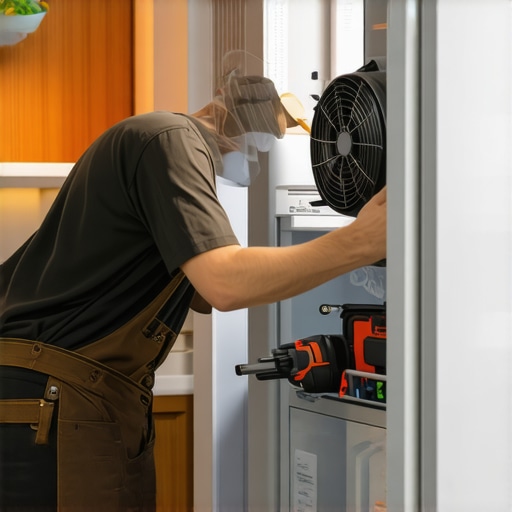
It was a Saturday afternoon when I finally realized that my refrigerator’s fan was louder than my blender during a weekend smoothie binge. That high-pitched whine, relentless and intrusive, turned the kitchen into an echo chamber. At first, I thought it was just normal appliance wear and tear, but after a few nights of disrupted sleep, I knew I had to do something. The lightbulb moment hit—why not attempt a DIY fix myself instead of calling a costly repair service? That decision sparked my journey into replacing the noisy fan motor, a task I once believed was reserved for professionals.
Why a Noisy Fan Is More Than Just Annoying
A loud, vibrating refrigerator fan isn’t just an irritating background noise; it can be a sign that your appliance is struggling. Excessive noise often indicates wear on the motor, debris accumulation, or imbalance—problems that, if ignored, can lead to more severe malfunctions or higher energy bills. Because your fridge runs constantly, a faulty fan can cause uneven cooling, increase energy consumption, and even shorten the appliance’s lifespan.
For many, the thought of tinkering inside a refrigerator seems intimidating—a daunting mountain of wires and components. I remember making a mistake early on: rushing in without unplugging the appliance, which risked electric shock. But with patience, some research, and the right tools, I discovered that replacing a fan motor is doable for a typical DIYer. Believe me, taking matters into your own hands can save money and give you a sense of accomplishment.
📝 Did you know that newer smart refrigerators are equipped with diagnostic systems that alert you to components needing attention? If you’re curious about how modern appliances are transforming home maintenance, check out future trends in home appliances.
Getting comfortable with fixing part of your appliance could be the first step toward a smarter, more efficient home. In the sections ahead, I’ll walk you through the practical steps I took to replace my noisy fan motor—and how you can do it too, safely and effectively.
Turn Off and Unplug the Refrigerator
Before starting any repair, ensure safety by unplugging your refrigerator. I learned this the hard way when I accidentally touched a live wire, giving me an electric shock that required a trip to the ER. Always disconnect power to avoid hazards.
Access the Fan Assembly
Remove the interior panels or grille on the back or bottom of your fridge to access the fan. Think of it like opening a panel on a spaceship—carefully unscrew panels without forcing them. Use a screwdriver to remove screws, keeping them organized for reassembly.
Identify the Fan Motor
Locate the noisy part—usually the motor attached to the fan blade. Use your manual or online guide to confirm you’re targeting the correct component. Take a photo for reference; I did this and saved myself headaches during reassembly.
Disconnect the Fan Motor Wires
Carefully unplug the wiring connector from the motor. If connectors are tight, wiggle gently. Remember which wire connects where; matching colors or using your photo helps prevent miswiring later.
Note: Handle wiring with care to prevent damage or personal injury.
Remove the Faulty Fan Motor
Unscrew the motor from its mount. It might be bonded with dust or debris; use a brush to clean around it to see clear attachment points. Gently lift out the motor; if stuck, check for hidden screws or clips.
Install the New Fan Motor
Position the new motor in place, securing it with screws. Connect the wiring harness as per your notes or photo. Make sure all connections are firm; loose wiring can cause intermittent noise or failure.
Test Before Full Reassembly
Plug the fridge back in temporarily and turn it on. Use the control panel to activate the fan or wait for it to start during normal operation. Listen for smooth running—no rattles or high-pitched sounds. I did this quick test, and the difference was immediate—the fan was whisper-quiet now.
Reattach Panels and Clean Up
Once satisfied, resecure panels using the screws you removed. Clean up any dust or debris gathered during the process to maintain hygiene and appliance efficiency.
This hands-on approach was intimidating at first, but breaking down each step made the task manageable. Remember, taking control of appliance maintenance not only saves money but boosts confidence in DIY repairs. For more advanced home appliance upgrades, explore future appliance trends.
While many believe that choosing the latest smart fridge or washing machine automatically guarantees efficiency and longevity, the reality is more nuanced. One common myth is that newer models are inherently better; in truth, advanced features can sometimes lead to overlooked complexity, increasing the risk of technical issues. For example, many users assume that energy-saving modes always optimize savings, but according to appliance experts, these settings can also cause insufficient performance if not calibrated properly. Moreover, a frequent mistake is neglecting regular maintenance, which can turn minor problems into costly repairs—trust me, ignoring refrigerator door seals or washing machine filters can lead to spoiled food or mold build-up, respectively. Interestingly, the popular belief that all smart appliances are vulnerable to hacking overlooks their security features; many modern devices employ robust encryption and offer firmware updates, but users often disable these protections out of convenience, exposing themselves to unnecessary risks. Did you know that over 60% of appliance failures are due to simple user errors rather than hardware defects? Understanding these subtle insights helps prevent common pitfalls and extends appliance lifespan. For advanced users, it’s crucial to realize that firmware updates and network configurations can significantly impact functionality. For example, improperly updating your smart refrigerator software could cause connection issues; always consult trusted sources like our comprehensive guides to navigate updates safely. One trap to watch out for is assuming that all energy-efficient appliances are also time-efficient; some models require longer cycle times, which might inconvenience busy households. Therefore, balancing efficiency with practicality is key. Remember, being aware of these hidden nuances empowers you to make smarter choices and avoid costly mistakes—let me know in the comments if you’ve ever fallen into this trap or if you found this insight helpful.Maintaining your home appliances in tip-top shape ensures they serve you reliably for years to come. Regular upkeep, the right equipment, and a few practical hacks can significantly extend their lifespan and efficiency. One essential aspect of appliance longevity is routine cleaning. For example, regularly cleaning your refrigerator’s condenser coils with a specialized coil brush prevents dust buildup that hampers performance. I personally prefer the AstroAI Coil Brush, which features durable bristles and an ergonomic handle, making it easy to reach tight spaces without causing damage. Using quality tools like this saves time and reduces the risk of accidental damage. Additionally, keeping an eye on smart appliance software updates is crucial. Most modern devices, such as smart washing machines, notify you when an update is available. I recommend using the manufacturer’s official app to automate this process—this guarantees compatibility and security, as highlighted in the expert review on smart appliance firmware management. Predicting where appliance technology is headed, I believe IoT integration will become even more seamless, leading to predictive maintenance alerts that notify you before issues worsen. This proactive approach can prevent costly repairs and downtime. To maintain your appliances effectively over time, consider creating a maintenance schedule. For instance, monthly cleaning of your dishwasher’s filter or inspecting refrigerator door seals can drastically reduce energy consumption and prevent spoilage. Tools like a digital leak detector can help identify hidden water leaks early, saving money on water bills and preventing damage. Don’t forget the benefit of smart diagnostics; many appliances now come equipped with self-monitoring systems. For example, newer dishwashers can automatically detect when a filter needs cleaning or if there’s a drainage issue, reducing the guesswork. I highly recommend trying these diagnostics—it’s an empowering step toward DIY maintenance. Remember, consistency is key. Incorporate these simple routines into your weekly chores to ensure your appliances keep functioning efficiently. If you want to learn more about advanced appliance care, explore resources like our comprehensive guide.
Lessons the Cool Kids Keep Quiet About
One eye-opening lesson I learned was that even seemingly minor issues, like a fan noise, can hint at bigger problems brewing inside your refrigerator. Ignoring these signs often leads to costly repairs or replaced units, which could’ve been prevented with a simple DIY fix. Additionally, I underestimated the importance of safety precautions, like unplugging the appliance before starting repairs; a slip-up taught me to double-check and prioritize safety. It turns out that understanding your appliance’s inner workings empowers you to troubleshoot with confidence, saving time and money down the line. Lastly, I realized that embracing smart diagnostic tools isn’t just for tech geeks—they’re game-changers that give early alerts, helping you stay ahead of appliance breakdowns before they disrupt your routine.
Tools and Resources That Changed My Approach
If you’re serious about maintaining your home appliances, investing in quality tools makes all the difference. A reliable multimeter, like the Fluke 117, helps troubleshoot electrical issues safely. The AstroAI Coil Brush transformed my refrigerator maintenance routine by making cleaning condenser coils effortless. For in-depth knowledge, I rely on the comprehensive guides at Smart Appliance Review, which offer expert insights on maximizing appliance lifespan and performance. When it comes to understanding future tech, the article trends in home appliances keeps me ahead of the curve. These resources have truly empowered me to handle repairs and upgrades with confidence, turning an intimidating task into an achievable DIY journey.
Your Next Step: Take Charge of Your Appliance Care
The future of home appliances is exciting, with innovations in IoT and smart diagnostics revolutionizing home maintenance. You don’t need to be an expert to start taking control—begin with simple routines like regular cleaning and firmware updates. Remember, the most valuable home upgrade isn’t just buying the latest gadget but learning how to care for what you already have. Your appliance’s longevity and efficiency depend on proactive care, and the confidence you gain from DIY repairs is truly empowering. Now’s the moment to embrace these changes and turn your home into an intelligent, well-maintained space. If you’ve ever hesitated to tackle a fridge repair or upgrade, I encourage you to start small—your smarter, more efficient home is within reach.