

I stood in my kitchen at 2 AM, staring at the gleaming stainless steel beast I’d just bought, wondering if I’d accidentally invited a swarm of bees into my home. The low, vibrating hum felt like it was shaking the very floorboards under my feet. You spend a fortune on a high-tech appliance expecting silence, but instead, you get a persistent soundtrack for your midnight snacks that you never asked for. I’ve been there, and I know that sinking feeling in your chest—the ‘did I just buy a lemon?’ panic. It is loud. It is annoying. But more often than not, it is actually a sign that your fridge is working exactly as designed. Today, we are going to dive into the mechanical heart of your kitchen to silence that buzz and reclaim your peace.
Stop Worrying About That Weird Kitchen Buzz
The reality is that most of the time, that annoying sound isn’t a sign of impending doom or a faulty unit. I made the classic mistake of calling a technician out on day three of my new fridge ownership, only to have him tell me that my fridge was simply ‘doing its job.’ Talk about an expensive lesson in embarrassment. Modern units, especially those packed with the latest features, have a completely different acoustic profile than the clunky, power-hungry boxes our parents owned. While I was choosing the right refrigerator, I didn’t realize that the very efficiency I wanted would come with a new set of noises. One of the biggest reasons why modern refrigerators dont last as long as your grandmas is the complexity of the components, which often run longer and at different frequencies to keep your food fresh. According to the Association of Home Appliance Manufacturers (AHAM), modern high-efficiency compressors are designed to run up to 80-90% of the time to maintain consistent temperatures, which is a major shift from the ‘on-off’ cycles of older machines.
Is this noise actually a sign of a broken motor?
This is the big fear that keeps us up at night, right? You think the compressor is about to explode or the fan is shredding itself to pieces. In reality, you are likely hearing the difference between inverter and traditional refrigerator compressors. Inverters don’t just shut off; they slow down and speed up, creating a variable hum that can sound quite strange if you aren’t used to it. Before you panic, ask yourself: is the fridge still cold? If the temperature is steady, the noise is likely just the ‘new normal’ of energy-efficient cooling. Have you noticed the sound getting louder when you open the door, or does it stay the same regardless? I’d love to hear about the specific noises your unit is making in the comments below. We are going to explore the secret to making your refrigerator run more quietly so you don’t have to tolerate a noisy kitchen any longer. It’s time to separate the mechanical glitches from the standard operational sounds.
Stop the Vibration Before You Call for Help
I once spent a whole afternoon pulling my hair out because of a rhythmic ‘clack-clack’ sound coming from my kitchen. I had just finished reading about refrigerators in 2025 and was terrified my expensive new unit was already dying. I even started looking up warranty details in a panic. It turned out that a single glass jar of pickles was vibrating against a plastic shelf every time the compressor kicked on. I felt like a fool, but it taught me that the first step in silencing a fridge is a thorough internal ‘shakedown.’ Before you touch a single tool, open the doors and move things around. If the noise stops when you touch a specific shelf or bin, you’ve found your culprit. Use small pieces of food-grade silicone or even a folded paper towel to dampen the contact point between the shelf and the fridge wall.
Level the Feet to Eliminate the Rattle
If the internal check doesn’t work, your fridge is likely physically off-balance. Think of a washing machine that ‘walks’ during a spin cycle; a refrigerator does a much subtler version of this. If the unit isn’t perfectly level, the compressor’s natural vibration will cause the entire metal cabinet to hum against the floor. Grab a carpenter’s level and place it on top of the unit. Most modern fridges have adjustable legs or rollers behind the bottom kick plate. Twist them until the bubble is centered. This simple fix can reduce the decibel level of your kitchen by half in less than five minutes.
Clean Your Coils to Lower the Compressor’s Workload
When dust builds up on the condenser coils, your fridge can’t shed heat efficiently. This forces the motor to work overtime, leading to a much louder, more strained hum. I’ve seen coils so matted with pet hair that they looked like a shag carpet. This is a primary reason why your refrigerator compressor is cycling too often. Use a vacuum with a narrow crevice tool or a dedicated coil brush to clear the debris. Once the heat can escape freely, the compressor won’t need to run at high-RPMs, and the high-pitched whine will often vanish.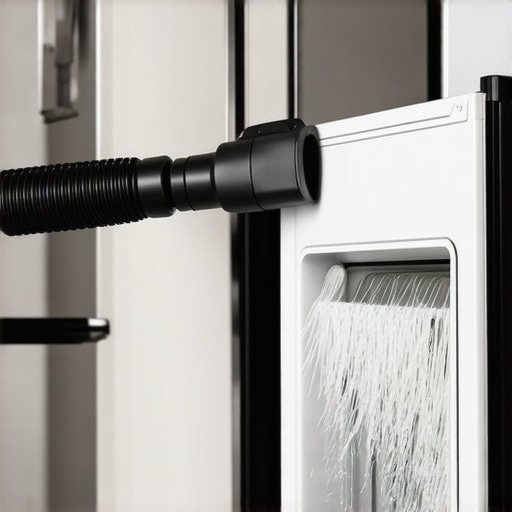
Identify a Failing Fan Motor Before It Quits
If you hear a sound like a small plane taking off inside your freezer, the evaporator fan might be the issue. This fan circulates cold air, and if the bearings start to go, it screams. A quick way to test this is to open the freezer door and manually press the door switch. If the noise gets louder when the fan kicks in, you know exactly what needs replacing. Learning how to tell if your refrigerators fan motor is failing early can save you from a warm fridge and spoiled milk. Replacing a fan is often a simple DIY job involving just a few screws and a plug-in wire harness, much easier than the complex repairs required for smart washing machines or AI-driven ovens. If the noise is coming from the bottom-back, it’s likely the condenser fan, which you can often silence with a drop of specialized lubricant or a quick cleaning of the blades.
The Eco-Mode Myth That is Costing You Money
But fixing the noise is only half the battle; the real mystery for most owners is why these smart machines seem to behave so illogically compared to their predecessors. Everyone tells you that Eco-mode is just a marketing gimmick that leaves your plates greasy and your clothes damp. In my experience, the opposite is true if you understand the chemistry involved. The truth about eco mode on modern dishwashers is that they are designed to use less water over a longer period, allowing modern detergent enzymes to break down proteins at lower temperatures. A study by the American Council for an Energy-Efficient Economy (ACEEE) confirms that modern sensors are far more precise at detecting soil levels than our manual heavy-duty guesses ever were. If your dishes aren’t coming out clean, it is likely because you are pre-rinsing them too much, which tricks the sensors into thinking the load is clean before the cycle is truly finished. 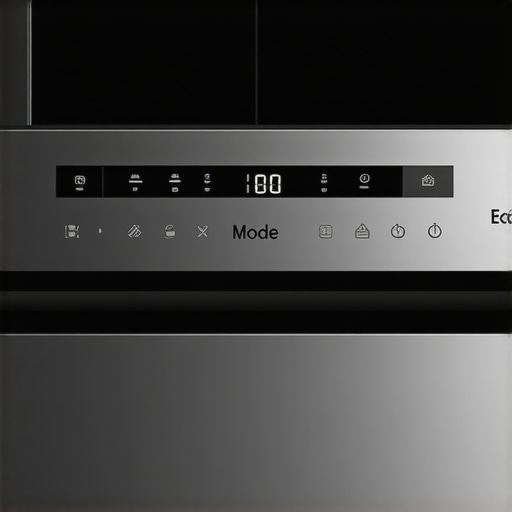
Why Bubbles Are Actually the Enemy of Clean Clothes
Here is the big ‘oops’ factor that ruins thousands of machines every year: the over-sudsing trap. We are culturally conditioned to think that more bubbles mean more cleaning power. In a high-efficiency (HE) environment, excess soap creates a physical cushion that prevents clothes from rubbing together, which is actually how they get clean. This lead-to-soil redeposition is why your high-efficiency washer is leaving white streaks on dark clothes. Even worse, that excess soap stays trapped in the outer drum, leading to the growth of biofilm. This is exactly the reason your high-efficiency washer smells like old gym socks after only a few months of use. Have you ever fallen into this trap of thinking ‘more is better’? Let me know in the comments—I definitely did with my first front-loader, and the repair bill was a wake-up call. We often blame the hardware, but 5 mistakes that are shortening the life of your smart refrigerator and other appliances often come down to these small, daily habits.
Does Using Less Water Actually Ruin Your Expensive Fabrics?
It’s a valid fear for anyone who just dropped a paycheck on high-end linens. If the water level doesn’t even cover the laundry, how can it be safe? The nuance here lies in the mechanical design. Modern machines use a lift-and-drop or a high-speed centrifugal motion that is actually much gentler on fibers than the old-school central agitators that thrashed clothes back and forth. If you’re seeing damage or performance issues, it’s likely not the water level but an overloaded drum. When you overfill, the clothes can’t move freely, causing them to grind against each other or the door seal. This is a common culprit for why your top load washer wont spin after a heavy load correctly. As we look toward future of home appliances trends to watch in 2025, weight sensors will become even more aggressive to prevent this, but for now, we have to be smarter than our machines. Whether you are looking into innovative dishwashers with ai technology you must know or just trying to keep your current fridge from humming, the secret is always in the nuance of how these systems interact with your home environment.
To keep these machines humming along without a glitch, I’ve stopped relying on the ‘it feels right’ method of care. I now keep a digital multimeter and a set of long-reach flexible coil brushes in my kitchen utility drawer. Why a multimeter? Because half the time, a ‘broken’ part is actually just a loose wire or a blown thermal fuse that costs five dollars to fix. If you want to know for sure, you need to check for continuity yourself. This level of DIY care is exactly how to calibrate your refrigerator thermometer without calling a pro and saves me hundreds in service fees every year. I also highly recommend using the best smart plugs for monitoring appliance energy use. These plugs give you a real-time ‘heartbeat’ of your machine; if the energy draw suddenly spikes, you know a motor is struggling before it actually burns out.
How do I keep my high-end appliances running for a decade?
The secret isn’t just cleaning; it is deep-system maintenance. For example, most people never realize their dishwasher has a ‘secondary’ filter hidden beneath the spray arm. I make it a habit to learn how to clean the hidden filter in your energy efficient dishwasher every three months. According to service manuals from industry leader Bosch, the chemical interaction between modern rinse aids and these fine-mesh filters is crucial for moisture evaporation—if the filter is clogged, the sensor-driven drying cycle will fail every single time. It isn’t a hardware failure; it is just a lack of maintenance. Over time, these small habits determine whether your investment lasts five years or fifteen. If you are scaling up your home tech, consistency is your best friend.

Stop Treating Your Smart Screen Like a Tablet
We often forget that the ‘smart’ in our appliances is essentially a small computer exposed to heat, steam, and vibration. I’ve seen so many people frustrated because their fridge’s interface is lagging, but they haven’t checked for a software update in a year. Knowing how to update the firmware on your smart kitchen appliances is just as important as changing the water filter. These updates often contain ‘patch’ fixes for sensor bugs that cause the machine to overwork. Looking toward the future of home appliances trends to watch in 2025, I predict we will see ‘self-healing’ diagnostics where the machine doesn’t just alert you to a problem but actually adjusts its power consumption to prevent a total breakdown until a replacement part arrives. Try this today: Go into your appliance’s settings menu and check for a pending update. It might just fix that annoying lag or strange cycling noise you’ve been ignoring.
Lessons My Repairman Charged Me to Learn
After years of tinkering with everything from rattling compressors to silent-but-dead control boards, I’ve realized that the ‘hum’ is actually a conversation your home is having with you. The biggest shift in my thinking happened when I stopped treating my kitchen like a set of passive boxes and started seeing it as a dynamic system. Here are the core truths I live by now:
- The Wait and Watch Rule: Before I panic about a new noise, I wait 24 hours. Modern systems often run long calibration cycles, especially if you’ve recently looked into washing machines that save water or other high-efficiency tech.
- App Glitches Aren’t Mechanical Failures: I once almost tore my dishwasher apart because the app said it wasn’t draining. It was just a server lag. If your smart appliance app gives you wrong notifications, trust your eyes and ears over the Wi-Fi signal every single time.
- Sound is Energy: Any vibration you can hear is energy being wasted. By dampening a rattle or leveling a foot, you aren’t just making it quiet; you’re literally making the machine more efficient.
Tools That Saved My Sanity and My Wallet
I don’t believe in buying every gadget on the shelf, but a few specific items have paid for themselves ten times over. First, a flexible 26-inch coil brush is non-negotiable; it reaches the dust bunnies that standard vacuums ignore, preventing the heat-death of your compressor. Second, I always keep the AHAM (Association of Home Appliance Manufacturers) database bookmarked to verify real-world decibel ratings before I buy. If you’re looking for the top smart appliances for your home, cross-referencing their specs with independent lab results is the only way to avoid marketing noise. Finally, I swear by a basic digital multimeter for checking continuity—it’s the difference between a $10 DIY fix and a $400 technician visit.
Reclaim Your Kitchen Peace Today
Your home should be a place of restoration, not a source of low-level acoustic stress. By taking these small steps—leveling the feet, clearing the coils, and updating the brain of your machine—you transform your appliances from noisy burdens back into the helpful partners they were meant to be. This journey toward modern living doesn’t have to be loud or intimidating. If you ever feel stuck or if your machine is making a sound that defies logic, don’t hesitate to reach out via our contact page. We are all learning this new language of technology together. Have you ever discovered a ‘phantom’ noise in your kitchen that turned out to be something incredibly simple? Let me know in the comments below!