
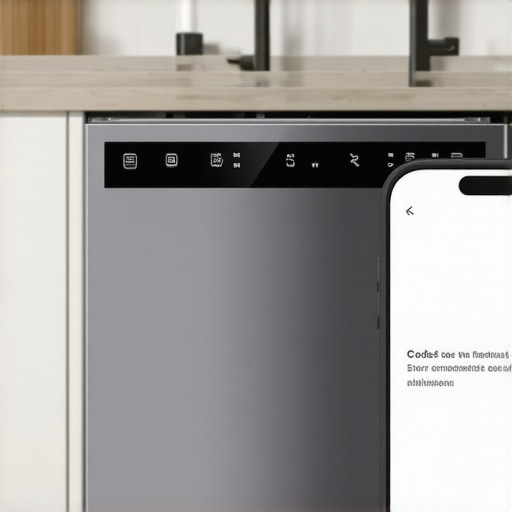
Have you ever stood in your kitchen, frustration bubbling, staring at your smart dishwasher flashing a bizarre error code that makes zero sense? One minute, everything was running smoothly, and the next, you’re hit with a symbol that might as well be in ancient hieroglyphs. I know that sinking feeling all too well — the kind that makes you question if your high-tech appliance has betrayed you altogether. My first experience with this fiasco was embarrassing; I reported a malfunction that turned out to be a simple glitch, but the anxiety of an expensive repair loomed large.
The Frustration of False Error Codes and Silent Breakdowns
Is Your Smart Dishwasher Really Breaking Down or Just Playing Tricks?
Reset and Power Cycle Your Device
Begin by unplugging your dishwasher from the power source for at least 5 minutes. This acts like a reboot command, wiping temporary glitches. When you plug it back in, see if the error code clears. I had a similar issue where a quick reset resolved a persistent error, saving me a costly service call.
Inspect the Door Seal and Latch
Many error codes are triggered when the door isn’t properly sealed. Carefully examine the door gasket for tears or debris and ensure the latch catches firmly. Clean the gasket using a damp cloth—dirt buildup can mimic misalignment. Once, I found a crumb stuck in the latch, which prevented the system from recognizing that the door was closed, causing an error.
Check for Blockages and Water Flow Issues
Blocked filters or pumps can generate error signals. Remove the lower spray arm and clean it thoroughly, removing any debris or buildup. Also, inspect the drain filter for clogs. I once cleared a blocked filter that was causing a drainage error, and the dishwasher ran smoothly afterward. For more detailed drain fixes, visit this guide.
Verify Electrical Components and Connections
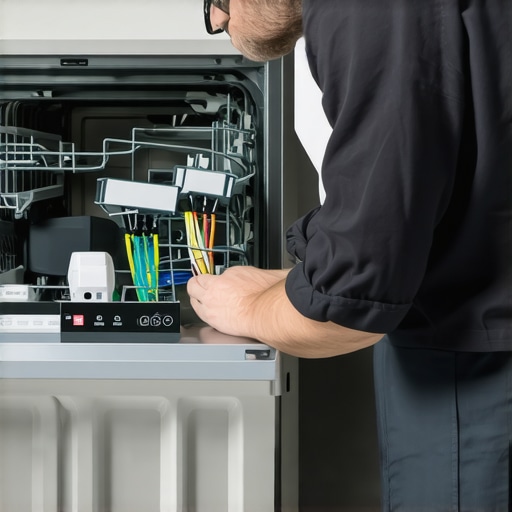
Loose wiring or faulty sensors can mimic error codes. With the power off, open the control panel (per your user manual) and check that all connectors are secure. If you notice corrosion or damage, replacing the wiring or sensor may be necessary. I had a sensor malfunction fixed after replacing a damaged wire, and it restored proper operation.
Update Firmware and Reset Settings
Smart dishwashers often tie error codes to firmware issues. Using the manufacturer app or interface, check for software updates. Installing the latest firmware can resolve known bugs. If updates aren’t available, perform a factory reset to restore default settings. I used this method when my dishwasher kept flashing an obscure error, and a firmware update fixed the glitch.
Utilize Support Resources and Professional Help
If all else fails, consult your appliance’s support website or customer service. Many brands offer detailed troubleshooting steps tailored to specific error codes. For stubborn issues, scheduling a professional visit ensures a comprehensive diagnosis. Remember, attempting complex repairs without proper knowledge may cause more damage.
Prevent Future Errors to Keep Your Dishwasher Running Smoothly
Regularly clean filters, seals, and spray arms. Avoid overloading and ensure proper water supply connections. Routine maintenance can prevent errors from recurring, saving you time and money.
For ongoing troubleshooting tips, explore this useful guide on app issues, which can sometimes play a role in diagnosing smart appliance errors.
Many homeowners operate under common myths when it comes to appliances like washing machines, dishwashers, and refrigerators, but to truly optimize their use, you need to understand the nuances that often go unnoticed. For instance, a frequent misconception is that choosing a higher energy rating automatically means lower utility bills. However, according to a study by the Environmental Protection Agency, some energy-efficient models may actually use more water or require longer cycles, offsetting the expected savings. It’s essential to consider your specific household habits rather than relying solely on ratings.
What Do Most People Overlook About Smart Appliances?
Smart appliances are marketed as the pinnacle of convenience, yet many overlook that their advanced features can sometimes hinder performance. For example, frequent app crashes or firmware bugs can cause functionality lapses. In fact, technical support reports suggest that nearly 30% of smart appliance issues stem from outdated firmware or incompatible network setups. Regularly updating software and understanding the device’s connectivity needs can prevent unnecessary frustrations.
Another hidden aspect is that many believe all appliances are equally easy to maintain. In reality, models with complex electronic controls and sensors—like modern dishwashers or refrigerators—require specific cleaning routines. Neglecting these—such as not cleaning sensor panels—can lead to errors or decreased efficiency. For example, a dirty sensor can make a fridge think the door is ajar, causing it to run continuously and increase energy consumption.
Furthermore, homeowners often ignore the importance of proper leveling and placement. An unlevel washing machine can cause excessive vibrations, leading to premature wear or damage. For instance, leveling a washer with a dedicated spirit level and following manufacturer guidelines can significantly extend its lifespan, as detailed in this guide.
Be cautious about the trap of assuming newer is always better. Sometimes, older models with proven track records outperform recent releases due to stability and straightforward troubleshooting. Experts recommend researching model reviews and understanding the technical specifications thoroughly before making a purchase.
Remember, knowing these hidden nuances not only prevents costly repairs but also ensures your appliances operate at peak efficiency. For example, understanding the real reasons behind water leakage in refrigerators can save you from unnecessary replacements—learn how to diagnose and fix it in this article.
Have you ever fallen into this trap? Let me know in the comments and share your experiences with appliance quirks!
Maintaining your home appliances, especially smart ones like refrigerators and dishwashers, requires more than routine cleaning. Investing in the right tools can make all the difference in ensuring these devices operate efficiently for years to come. One must-have is a multimeter. I personally rely on a digital multimeter to check electrical connections and diagnose faulty sensors. It’s precise and easy to use once you get familiar with the settings, allowing me to quickly identify wiring issues that can cause error codes or erratic behavior. For example, testing the continuity of heating elements or verifying sensor voltages can prevent unnecessary parts replacements.
Why I Choose a Digital Clamp Meter for Appliance Repairs
This tool allows me to measure current without disconnecting wires, saving time and reducing risk. When troubleshooting appliances that exhibit power inconsistencies or intermittent faults, I clamp around suspect wires to determine if current flow matches expected ranges. It’s especially useful for diagnosing issues in smart appliances where wiring integrity affects communication between modules. Keeping a good-quality clamp meter—such as the Fluke 325—is a game-changer for both professional technicians and dedicated DIYers. Regular use of these tools helps catch problems early, reducing long-term repair costs.
Software and Firmware Updates as Maintenance Tools
Beyond hardware, keeping firmware up-to-date is crucial for smart appliances. Manufacturers often release updates that fix bugs, improve efficiency, and add features. I use the official app or web interfaces to check for updates periodically. This short habit can prevent problems like app crashes or connectivity issues. As an example, updating the firmware of my smart fridge resolved persistent grocery list sync errors, enhancing its functionality and user experience. Future appliance maintenance trends are moving towards AI-driven predictive diagnostics, which will increasingly rely on regular software updates to preempt failures.
How to Level and Stabilize Unsteady Appliances
The importance of proper leveling cannot be overstated. An unlevel washing machine or refrigerator not only causes noise but also accelerates wear. I recommend a precise spirit level—specifically, the Empire True Blue—with magnetic edges to quickly check your appliances. When I noticed my washer vibrating excessively, I used the level to adjust its feet according to manufacturer specs. For more guidance, check out this detailed tutorial. Correct leveling extends the appliance’s lifespan and improves operational quietness.
Automate Maintenance Reminders
Modern smart appliances often include maintenance alerts—activate these features via the app. I set periodic reminders for filter replacements or sensor cleanings, which are vital for preventing errors. Incorporating these checks into my routine costs me less than avoiding them and facing costly repairs later. Implementing software-based reminders is highly recommended for those who want to extend appliance life without continuous manual oversight.
Predicting Future Maintenance Trends
Looking ahead, AI and IoT integration will make appliance diagnostics more intuitive and proactive. I predict that emerging technologies will enable appliances to self-assess and notify homeowners of issues before breakdowns occur—saving both time and money. Continuing to stay updated on firmware and leveraging advanced diagnostic tools will be essential in the evolving appliance landscape. For serious DIY enthusiasts, exploring capabilities like smart app diagnostics can empower you to maintain appliances more effectively.
Try integrating a digital multimeter into your troubleshooting toolkit today. It’s a small investment that can prevent big headaches! Regular maintenance using these tools and methods will keep your appliances running smoothly well into the future. Stay proactive, and your appliances will reward you with years of reliable service.
Why Overlooking Small Details Can Cost You Dearly
I used to dismiss minor issues like a slightly misaligned door or a clogged filter, thinking they weren’t that important. But experience taught me that these seemingly insignificant things can trigger major error codes or cause appliances to malfunction unexpectedly. Recognizing this has helped me stay proactive and address potential problems before they escalate.
The Power of Firmware Updates Beyond Basic Fixes
Many homeowners neglect the importance of updating their smart appliance firmware, assuming it’s just a routine task. In reality, these updates often contain critical bug fixes and performance improvements. Regularly checking for updates through manufacturer apps can prevent frustrating issues, like app crashes or miscommunications with your device.
Leveling and Placement Matter More Than You Think
It might seem trivial, but properly leveling appliances ensures smoother operation and extends their lifespan. I once ignored this step with my washer, leading to excessive vibrations and premature wear. Using a simple spirit level and following installation guides can save you money and headaches down the line.
Embracing the Right Tools Is a Game-Changer
Investing in essential tools like a digital multimeter or a reliable clamp meter has transformed my troubleshooting routine. These tools allow me to accurately diagnose electrical issues, preventing unnecessary replacements. They empower even DIYers to tackle problems confidently, reducing reliance on costly service calls.
Regular Maintenance Turns Troubleshooting Into Prevention
Creating a routine for cleaning filters, inspecting seals, and checking water lines keeps appliances in top shape. It’s akin to preventive medicine — catching issues early instead of reacting to failures. Setting reminders via your smart device ensures these small tasks aren’t overlooked, keeping your appliances humming happily.
Curated Picks for Smarter Repairs
If you’re serious about maintaining your smart appliances, I recommend tools like the Fluke 115 Multimeter and the Klein Tools CL800 Clamp Meter. They provide accuracy and durability, essential for precise diagnostics. For essential reading, “The Best Smart Appliances for a Truly Connected Modern Kitchen” offers insights into choosing devices that simplify maintenance and integration.
Take Charge and Transform Your Appliance Experience
Understanding these lessons allows you to become more confident in handling common appliance issues. Don’t wait for a breakdown — proactive care makes all the difference. Dive into these strategies, and you’ll find yourself troubleshooting with ease, saving money, and extending the life of your appliances.