
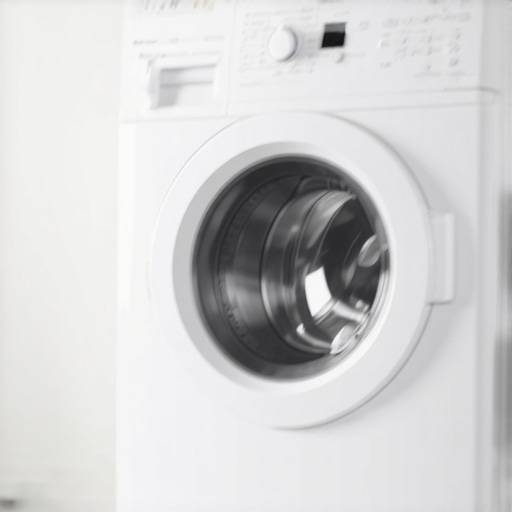
I was sitting in my kitchen, minding my own business with a cup of coffee, when the floor started vibrating like a 4.0 magnitude earthquake. I thought a heavy truck had hit the side of the house. I ran to the laundry room only to see my front-loader halfway across the linoleum, practically blocking the exit. It was screaming, banging, and quite literally migrating. If you have ever had to physically tackle your appliance to stop it from ripping its own hoses out of the wall, you know exactly the kind of panic I felt. It is not just annoying; it is a sign that something is fundamentally wrong with the setup. Today, I am going to show you how to ground that runaway machine once and for all so you can finally do a load of towels without fearing for your drywall.
Your Washer Is Not Trying to Leave You It Is Just Out of Balance
The first time I saw my machine walking, I made the classic rookie mistake: I just pushed it back and hoped for the best. I did not check the feet, and I definitely did not check if the floor was level. A few weeks later, I was desperately looking up how to stop your washing machine from banging against the wall because the noise had become unbearable. Modern high-efficiency machines, especially those washing machines that save water we all love for the environment, spin at incredibly high speeds to extract moisture. When that drum is off-center, the centrifugal force is enough to move hundreds of pounds of steel. According to the Association of Home Appliance Manufacturers, an unbalanced load can generate forces equivalent to several Gs, which is why your machine seems to develop a mind of its own.
Is My Floor About to Cave In From the Vibrations?
That was my biggest fear when the rattling started. I thought for sure the floor joists were going to snap under the pressure. While your house is likely sturdy enough to handle it, your appliance is a different story. Constant migration puts immense stress on the internal components. You might eventually find yourself wondering how to tell if your washer bearings are about to fail because you let the dance go on for too long. If you have ever dealt with a situation where your top load washer won’t spin after a heavy load, you have seen the early warning signs of a balance issue. It is a completely solvable problem, but it requires more than just a shove back into the corner. Have you ever walked into your laundry room and found your machine in a completely different spot than where you left it? It is a startling sight, but we are going to dive into the leveling and dampening techniques that will keep it stationary forever.
Get Your Bubble Level Ready
It sounds basic, but most walking washers are simply victims of an uneven floor. I once tried to shortcut this by shoving a folded piece of cardboard under the front-left foot. For three days, it was silent. On the fourth day, a small leak turned that cardboard into a soggy mess, and I woke up to the sound of the machine trying to beat its way through the laundry room door. The lesson? Never trust a temporary fix for a high-speed appliance. Start by tipping the machine back slightly and inspecting the feet. These should be rubberized to provide grip. If the rubber is cracked or missing, the machine will slide regardless of how level it is.
Adjusting the Feet for Stability
Use a wrench to loosen the locking nut—this is the thin metal ring pressed against the machine’s body. Once loose, you can rotate the foot to extend it or retract it. Place your level on top of the machine. Check it from left to right, then from front to back. Even a fraction of an inch of tilt can cause the drum to oscillate violently during the spin cycle. If you find that the floor itself is damaged or wet, you might need to investigate how to find a leak in your washing machines water supply line before finalizing the position. When you finally have that bubble centered, tighten the locking nuts firmly. If you leave them loose, the vibration will act like a slow-motion screwdriver, eventually loosening the feet again and sending your machine back on its travels.
Stop the Shake with Anti-Vibration Pads
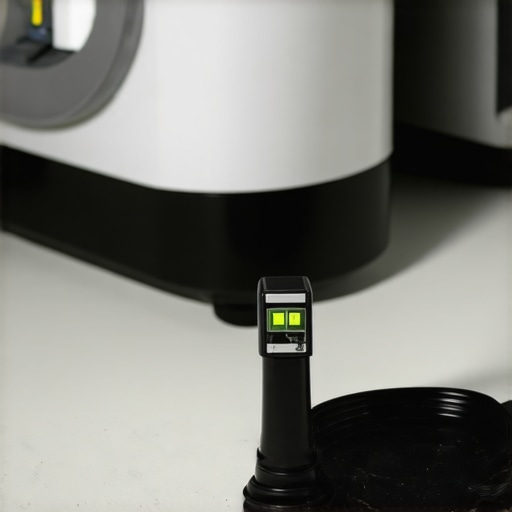
If your laundry room is on a second floor or over a crawlspace, the floor might have too much flex. No matter how level the machine is, the floor itself will bounce like a trampoline. This is a common headache for those using the best washer dryer sets for stacking in a small hallway closet, as the vertical center of gravity is much higher. Heavy-duty rubber anti-vibration pads can absorb the kinetic energy before it reaches your floor joists. They basically act like sneakers for your appliance, providing the grip and cushioning needed to stay put. I installed a set after my kitchen earthquake, and the difference was night and day; the house finally stopped rattling every time I washed my gym clothes.
Why Transit Bolts are Your Worst Enemy
If your machine is brand new and it is jumping like a bronco, stop it immediately. Many homeowners forget to remove the transit bolts. These are heavy-duty bolts in the back of the machine designed to keep the drum from moving during shipping. If they are still in place, the drum cannot move on its internal suspension, and every vibration is transferred directly to the frame. It is a one-way ticket to structural damage. While we love how smart washing machines can simplify laundry day through high-tech automation, they still rely on you to handle the manual mechanical setup correctly.
Balance the Load Every Single Time
We have all been tempted to throw just one more towel into a full load. However, an overstuffed drum is the primary cause of sudden migration. When the clothes clump on one side, the centrifugal force becomes lopsided, much like a car tire that has lost its weights. This is a frequent reason why your clothes are still sopping wet after the spin cycle; the machine’s sensors detect the danger and refuse to reach top speed to protect the bearings. Always wash similar weights together. A single heavy denim jacket mixed with light silk shirts is a recipe for a walking disaster. If you are struggling with a heavy load, hit the pause button and manually redistribute the items before the spin begins.
Wait, before you close the lid on your newly leveled machine, there is a nuance most people completely ignore: the chemistry of the wash itself. You might think that more suds mean a deeper clean, but in a high-efficiency (HE) environment, excess soap is the enemy of stability. When you over-sud, you create a ‘suds lock’—a cushion of foam that interferes with the machine’s ability to detect weight correctly. This leads to those maddening situations where you wonder why your high efficiency washer is leaving white streaks on dark clothes because the machine is struggling to rinse out the chemical overkill. It is not just a mess; it is a mechanical hazard. According to the Association of Home Appliance Manufacturers (AHAM), using even two tablespoons too much detergent can confuse the internal sensors, leading the machine to believe the load is unbalanced even when it is not.
Can a Software Update Actually Stop the Banging?
Surprisingly, yes. If you are using a modern unit, the problem might not be your floor or your feet, but the ‘brain’ of the machine. Manufacturers frequently release patches to improve how sensors interpret drum oscillations. If you have not looked into how to update the firmware on your smart kitchen appliances, you might be fighting a battle that a five-minute download could solve. These updates often recalibrate the ‘out-of-balance’ tolerances, which can prevent the machine from entering a violent spin cycle if it detects the slightest hiccup. The ‘Oops’ factor I see most often is the plastic drain pan trap. We buy them to protect our floors from leaks, but if that pan is not perfectly flat or if it is made of flimsy plastic, it creates a slippery ‘skating rink’ for the washer feet. 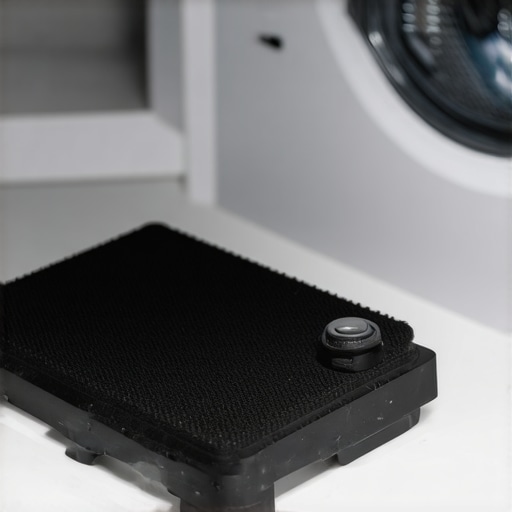 While many people assume ‘Eco Mode’ is just a gimmick to save a few pennies, the truth about eco mode on modern dishwashers and washers is that these cycles are designed for longer, lower-intensity mechanical action. This is actually gentler on your machine’s suspension in the long run. Have you ever fallen into the ‘more soap is better’ trap only to find a mountain of bubbles on your floor? Let me know in the comments below. Ignoring these small technical details is often the reason your high efficiency washer smells like old gym socks—it is all connected to how well you maintain the balance between chemistry and mechanics.Beyond the suds and software, there is a physical toolkit I keep tucked away specifically for my high-efficiency machines. If you are serious about stopping the migration of your appliances, stop relying on your phone’s built-in level app. I switched to a dedicated digital inclinometer last year because it offers precision down to 0.1 degrees. In high-speed centrifuges, that tiny difference prevents the harmonic resonance that eventually snaps suspension springs. I also keep a long-reach flexible brush for the internal vents. Most people focus on the drum, but if you do not know how to clean a front load washer filter without flooding the room, you are leaving the machine’s kidneys to fail.
How do I keep my heavy appliances healthy for the long haul?
Maintenance is a game of consistency, not intensity. Every six months, I pull my units out to check the hoses. If you find a bulge, you are looking at a potential flood. I recommend switching to braided stainless steel hoses immediately if you still have the factory rubber ones. Also, wiping down the door seal is non-negotiable. Learning how to clean a front load washer gasket without using bleach is a game changer for preserving the rubber’s elasticity and preventing that swampy smell. According to research published in the Journal of Mechanical Systems and Signal Processing, irregular maintenance of dampening systems in household appliances can increase mechanical wear on the motor bearings by up to 40% over five years. 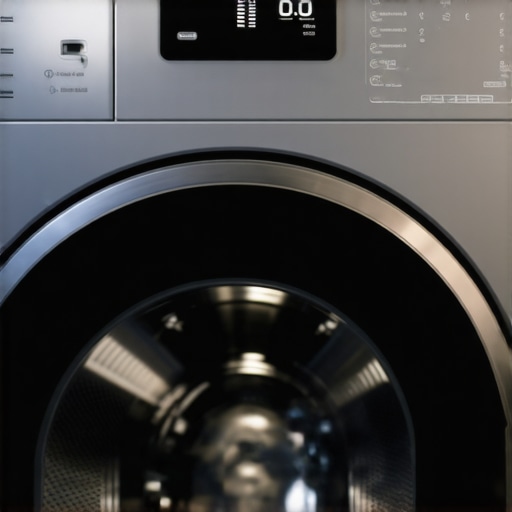 Looking ahead, the future of home appliances trends to watch in 2025 suggests we are moving toward self-balancing drums that use internal liquid counterweights or magnetic stabilizers. Until that tech hits every home, we are the first line of defense. I strongly suggest you try the hand test today: if you can’t slide your hand comfortably between the top of your laundry load and the top of the drum, take one item out. Your motor and your floor will thank you. For more tips on building a high-performance household, check out our ultimate guide to smart home appliances for a modern living. Your appliances are an investment, and treating them like a precision race car rather than a dumpster is the secret to making them last twenty years instead of five.
The Most Expensive Mistakes I Made Before Fixing the Vibration
Looking back, I wasted months trying to ‘train’ my washer to stay still. One major lightbulb moment was realizing that the floor under the machine is just as important as the machine itself. If your subfloor is weak, no amount of leveling will fix the bounce. Another trap is the ‘set it and forget it’ mentality. Houses settle, and what was level in January might be slanted by July. I also learned that ignoring small smells often pointed to the same balance issues; if your drum is tilted, water does not drain correctly, and you will soon be wondering about 3 reasons your energy efficient washer smells like damp. The biggest lesson? Fixing the vibration is not just about noise; it is about preventing the machine from literally shaking its internal electronics to death.
Tools and Guides I Trust for a Vibration-Free Home
If you are ready to go beyond a basic spirit level, I highly recommend looking into how to sync your laundry room with your smart home hub so you can get vibration alerts directly to your phone. For those still building out their setup, our ultimate guide to smart home appliances for a modern living is the best place to find high-performance units designed with better internal dampening. I personally swear by heavy-duty reinforced hoses and high-density rubber pads—never the cheap plastic ones that crack under pressure. These resources helped me move from a house that rattled to a home where I can finally sleep through a spin cycle.
#IMAGE_PLACEHOLDER_E#
Stop the Chaos and Trust Your Machine Again
You do not have to live in fear of the laundry room earthquake. By taking twenty minutes to level those feet, ditching the excess soap, and ensuring your loads are balanced, you can finally how to stop your washing machine from banging against the wall for good. It is about taking control of your environment so your technology works for you, not against you. Your laundry day should be the most boring part of your week—and that is exactly how we want it. Have you ever had a washing machine ‘walk’ so far it actually unplugged itself? Let me know your craziest appliance stories below!