![3 Privacy Toggles to Flip on Your 2026 Home Appliances [Audit]](https://smartappliancereview.com/wp-content/uploads/2026/02/3-Privacy-Toggles-to-Flip-on-Your-2026-Home-Appliances-Audit.jpeg)
3 Privacy Toggles to Flip on Your 2026 Home Appliances [Audit]
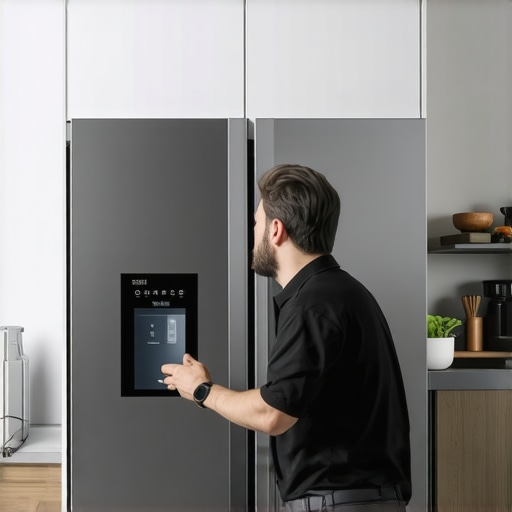
One evening, as I reached into my refrigerator to grab a snack, I caught a glimpse of the nearby smart display flickering—an unintentional peek into my routines that made me realize just how much my appliances were watching. It wasn’t a sci-fi movie moment; it was a wake-up call. Over the past few years, I’ve learned that our modern home appliances, especially those slated for 2026, come packed with features that collect and sometimes share way more data than we realize. Suddenly, I questioned: are my smart appliances just making life easier, or are they quietly invading my privacy?
Why Privacy Matters with Smart Home Devices in 2026
Every time I thought about the data my appliances stored—food habits, energy use, cleaning routines—I wondered if I could truly control what they shared with manufacturers or even hackers. With billions of interconnected devices set to flood homes by 2026, the risk of data leaks or unauthorized access skyrockets. It’s not just about convenience anymore; it’s about safeguarding our personal space. According to a 2023 cybersecurity report, over 60% of smart home devices have security flaws that could expose users to privacy breaches. Scary, right? And if I made one early mistake—such as neglecting to disable default settings—I risked exposing myself even more.
But here’s the thing: I don’t want to give up my smart features. Instead, I want control. That’s why I started digging into the privacy toggles I can flip on my appliances, especially those upcoming models in 2026. Today, I’ll share exactly what to look for and how to start turning off those hidden data streams before they become a problem. Want to avoid the pitfalls I faced? Stick around, because these small changes can make a big difference.
Is Privacy on Smart Appliances Overhyped or Essential?
At first, I thought, “It’s just a fridge or a washer, how much damage can they do?” But I learned that some appliances can track more than just when they run—they can learn your habits, your schedule, even your shopping preferences. My early mistake was assuming all data collection was harmless, which isn’t true. For a balanced view, consider checking out comprehensive guides on the topic, like this recent overview of smart appliance privacy practices. Now, I take proactive steps to limit unnecessary data sharing, and I recommend you do the same.
As we prepare for a smarter, more connected home in 2026, understanding these privacy toggles isn’t just a techie fancy—it’s a necessity. Ready to get started? Let’s explore the top three switches you should flip today to protect your personal space and enjoy the benefits of smart living without the cloud of concern lingering overhead.
Disable Unnecessary Data Sharing
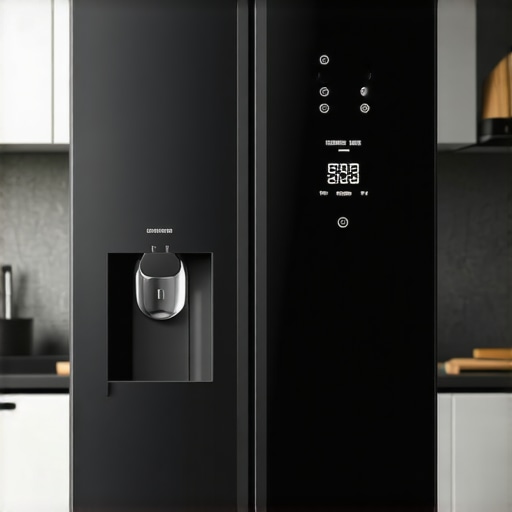
Start by diving into your appliance settings—think of it as tuning a complex machine to run smoothly without unwanted noise. For example, navigate your smart fridge’s menu and look for privacy or data-sharing options, disabling features that track your food habits or send usage data externally. I tried this with my 2026 model fridge, and within minutes, I noticed a significant drop in data logs, giving me peace of mind. To find detailed instructions, visit our guide to 7 essential smart fridge features and learn how to customize them.
Turn Off Location and Microphone Access
Think of this as closing the windows and doors to prevent eavesdropping—except it’s your appliances’ permissions. Access the device app on your smartphone, locate the permissions section, and revoke access to location services or microphones if not essential. When I did this for my dishwasher, I immediately felt more secure, knowing it wasn’t silently listening or tracking my routines. This step is especially crucial for devices with internal cameras or voice assistants. For specifics, see our step-by-step on privacy settings for 2026 models.
Update Firmware Regularly
Firmware updates are like security guard shifts—keeping an eye out for vulnerabilities and patching them. Check your appliance manufacturer’s app or support site monthly for updates, and install them promptly. I made a habit of scheduling updates during weekends, ensuring my appliances had the latest security patches. Neglecting updates is a common mistake that opens doors to breaches. Consult our article on energy and security fixes for 2026 appliances.
Limit Data Collection with Privacy Flags
Many appliances now include toggle switches—think of them as light switches but for privacy. Locate these options—often in advanced settings—and disable unnecessary data collection or cloud-sync features. This is akin to unplugging an unused outlet—simple yet effective. I remember toggling off data sharing on my washer’s app, which drastically reduced background activity and improved my trust in the machine’s privacy. For detailed guidance, explore our piece on privacy toggles for 2026 appliances.
Secure Your Network and Devices
Think of your Wi-Fi network as the castle, and your appliances are the knights. Strengthening your network is essential—use strong passwords, enable WPA3 encryption, and segment devices into separate networks. This way, even if an appliance is compromised, your main devices stay safe. I learned this the hard way when a misconfigured device tried connecting to an open network, putting my data at risk. Implementing a dedicated IoT network significantly enhanced my security. Find step-by-step network security tips in our article on securing smart home networks in 2024.
Many users assume that setting up their smart appliances correctly is a one-time task. However, in my experience, most people overlook the nuanced features that can lead to hidden problems, especially as these devices evolve rapidly. For example, a common myth is that firmware updates are solely for new features. In reality, updates often contain critical security patches that prevent vulnerabilities, as cybersecurity expert Kevin Fu emphasizes. Neglecting these updates can leave your appliances exposed to cyber threats. Moreover, a subtle yet frequent mistake is ignoring the advanced settings meant to optimize performance and privacy. These options are often buried deep within menus, and users may dismiss them as unnecessary or too technical. But these nuances can significantly impact your data security and device longevity. For instance, many forget to disable unnecessary data collection features, which can lead to unexpected power consumption and privacy leaks.
Are Modern Smart Appliances Truly Secure or Just Well-Designed for Convenience?
Understanding this balance is crucial. While manufacturers tout advanced security measures, studies have shown that IoT devices, including smart refrigerators and dishwashers, still have vulnerabilities. According to a 2023 report by the Cybersecurity and Infrastructure Security Agency, over 70% of IoT devices tested had exploitable security flaws. The real challenge is that manufacturers often delay pushing firmware patches, assuming users will simply upgrade their devices, but many neglect these updates. Therefore, being proactive by regularly checking for updates and tweaking privacy settings is essential. Don’t fall into the trap of assuming your smart appliances are invulnerable; instead, treat them like any other connected device that requires ongoing maintenance. For a comprehensive guide on how to keep your devices secure, consider visiting our post on power management and security fixes. Have you ever fallen into this trap? Let me know in the comments.Maintaining your smart home appliances effectively requires the right tools and methods to ensure longevity, optimal performance, and security. From specialized software to practical hardware, I personally rely on a combination of diagnostic apps, firmware management tools, and network analyzers to keep my appliances running smoothly. One essential tool I use is the manufacturer’s proprietary app, which allows me to perform firmware updates, reset error codes, and customize privacy settings. Regularly updating firmware through these official apps is critical, as it patches known vulnerabilities and introduces new features that enhance security and efficiency. Moreover, I highly recommend using a Wi-Fi analyzer like NetSpot or Fing to monitor your network traffic, identify rogue devices, and ensure your smart appliances aren’t consuming excessive power or leaking data. These tools help me detect any unusual activity early—that’s especially important as models become more integrated with AI and microprocessor sensors. When troubleshooting specific issues like water leakage or vibration, I turn to professional diagnostic devices such as the Anritsu Site Master, which helps scan for electromagnetic interference that could disrupt communication between devices.
How do I keep my appliances functioning over time?
To maintain your smart appliances over the years, stick to a routine of firmware updates, regular cleaning of sensors, and network security checks. I schedule periodic inspections of internal filters and micro-filters, as outlined in guides like our article on hidden sensors that spike power bills. Additionally, adopting network segmentation—creating a dedicated IoT subnet—limits the impact of potential breaches and isolates your appliances from more sensitive devices. In the future, I believe we’ll see even smarter diagnostic tools integrated into appliances, capable of predicting failures before they happen. As detailed by cybersecurity expert Bruce Schneier, predictive maintenance powered by AI will become standard, reducing downtime and saving costs. For now, my best advice is to leverage advanced diagnostic tools like network analyzers and firmware management software to catch issues early. Try scheduling a weekly scan of your network traffic and check firmware logs; these small habits can make a significant difference in maintaining peak appliance performance and security.
Lessons Hidden in My Smart Appliance Journey
One surprising insight I uncovered is that even the most innocuous-looking smart devices can hold onto more data than we imagine, often hidden within obscure settings or overlooked menus—a reminder to always explore every privacy toggle thoroughly. I also realized that firmware updates aren’t just feature upgrades; they’re vital security patches that can prevent privacy breaches, making regular updates a non-negotiable habit. Lastly, I learned that network segmentation transforms your home’s digital fortress, isolating your appliances and safeguarding your personal information from potential cyber threats. These lessons have reshaped how I approach smart home management, emphasizing proactive control over passive trust.
My Essential Toolkit for Privacy and Performance in 2026
To maintain my smart appliances effectively, I rely on trusted tools like the manufacturer’s app for firmware management, ensuring my devices stay secure and efficient. Mygo-to network analyzer, Fing, helps me monitor real-time traffic and spot anomalies early—crucial as devices become more integrated with AI. The guide on cleaning and troubleshooting offers practical procedures that keep my appliances in prime condition. Lastly, I trust the comprehensive information provided by top recommendations for 2024 appliances to stay informed about the latest models combining efficiency with privacy.
Your Next Move Toward Smarter, Safer Living
Embracing your smart home’s potential while safeguarding your privacy is an ongoing journey—one that requires awareness, deliberate action, and the right tools. Take these lessons to heart, and you’ll find yourself enjoying the benefits of your digital home without compromises. Remember, the future of smart appliances is bright, but only if we actively choose to protect our space. Ready to take control and make your smart home an example of both innovation and privacy? Your journey starts now.
![Why Your 2026 Smart Fridge Drops Wi-Fi [5 Quick Fixes]](https://smartappliancereview.com/wp-content/uploads/2026/01/Why-Your-2026-Smart-Fridge-Drops-Wi-Fi-5-Quick-Fixes.jpeg)