
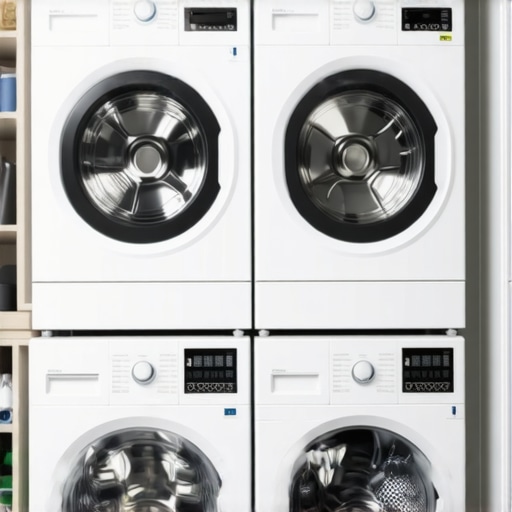
I remember the moment it all hit me—standing in my cramped laundry nook, laundry baskets overflowing on the floor, and realizing that my bulky washer and dryer were destroying what little space I had. It was like trying to fit a square peg into a round hole, and I knew I wasn’t alone. If your tiny laundry closet feels more like a closet chaos than a functional space, you’re probably dreaming of a simple, efficient solution that doesn’t scream big remodel.
Why Small Spaces Need Smart Solutions
It’s so frustrating when your home’s layout limits your possibilities, especially with essential appliances like your washer. I’ve learned through trial and error that the right stackable washer can be a game-changer, saving precious floor space while still delivering a thorough clean. But with so many models out there, how do you pick the best one for tight quarters? Today, I promise we’ll explore the top 5 stackable washers suited for tiny laundry closets, sharing honest insights and practical tips to keep your laundry routine smooth and your space uncluttered.
Is Size Really the Main Concern or Just Fancy Hype?
Early in my quest, I made a common mistake: assuming that a smaller washer meant sacrificing performance. Turns out, a compact model can be just as powerful—if you choose wisely. The key is understanding your needs and not falling for marketing hype. A reputable source, like [Smart Appliance Review](https://smartappliancereview.com/why-your-washing-machine-is-taking-three-hours-to-finish-a-load), highlights how modern compact washers now offer impressive efficiencies. Knowing this, I started focusing on features like load capacity, cycle options, and water usage, which are crucial for maximizing tiny spaces without sacrificing cleaning quality. If you’ve ever wondered whether squeezing a washer into a tiny spot compromises performance, you’re not alone. But the truth is, selecting the right model makes all the difference. Ready to transform your laundry nook into a sleek, efficient zone? Let’s dive into what to look for and how to pick the best stackable washer for your space.
Assess Your Space and Needs Precisely
Start by measuring your tiny laundry nook to determine the maximum size for your new washer. Use a tape measure, noting width, height, and depth, and include clearance for door swings and ventilation. For example, in my own closet, I measured 24 inches wide and 30 inches deep, leaving only a few inches for door clearance. Knowing exact dimensions prevents costly miscalculations later.
Select the Right Model with Focused Criteria
Prioritize load capacity, cycle options, and energy efficiency. Think of your washer as a car; a compact vehicle isn’t necessarily less powerful if you choose the right specifications. For instance, I looked for a model with at least 2.2 cubic feet capacity, multiple wash cycles, and a high Energy Star rating. Don’t assume small size equals poor performance; modern compact washers pack high-tech features that rival full-sized models.
Prepare Your Space with Floor and Wall Optimization
Ensure the floor is level and sturdy—using a level tool, I checked my closet’s uneven surface and used shims to stabilize the machine. If your floor isn’t flat, the washer may vibrate excessively—see https://smartappliancereview.com/how-to-level-a-washing-machine-on-an-uneven-floor for detailed steps. Wall-mounting or installing a sturdy platform can also prevent movement. Think of it as giving your washer a firm foundation, which extends its lifespan and reduces noise.
Plan Efficient Water and Power Connections
Identify existing plumbing and electrical outlets. To avoid drilling or costly modifications, choose a model with flexible inlet hoses and compatible plug types. I used existing corner pipes, and with a few adapters, I connected my washer without a hitch. Proper connections ensure no leaks or electrical issues—consider https://smartappliancereview.com/how-to-bypass-your-fridges-water-filter-without-losing-pressure for insights on water line maintenance if relevant.
Install and Level for Optimal Operation
Place the washer close to power and water sources, then level it using adjustable feet. After positioning, I slowly rocked the machine to identify wobble; adjustments restored stability. This helps prevent excessive vibration, which can cause noise, damage, or movement—like my experience where the washer danced across the floor until properly leveled. For detailed calibration, visit https://smartappliancereview.com/how-to-level-a-washing-machine-on-an-uneven-floor.
Connect and Test Before Full Use
Attach inlet hoses securely, ensuring no kinks or leaks, and plug in the machine. Run a short cycle with water to check for leaks and proper drainage. In my case, I watched the washer fill, spun briefly, and checked for leaks—adjusting hoses when necessary. Testing prevents issues down the line and guarantees your setup is safe and functional.
Maintain for Longevity and Performance
Regularly clean the filter (see https://smartappliancereview.com/how-to-clean-the-filter-in-your-front-load-washing-machine-fast), check water inlet filters, and keep the area free of clutter. Maintaining your compact washer is like tuning a sports car—small adjustments keep it running like new, saving you money and hassle over time.
Many homeowners operate under assumptions about appliances like refrigerators, dishwashers, and washing machines that can lead to inefficiency, higher costs, or even damage. Let’s explore some nuanced truths that often get overlooked and bust a few myths along the way.
Is Bigger Always Better When Choosing Appliances? Not Necessarily
A widespread myth is that larger appliances always deliver better performance. In reality, size should align with your specific needs and space constraints. Oversized refrigerators or washing machines may consume more energy and take up unnecessary space, leading to increased utility bills without proportional benefits. Modern appliances are designed with efficiency in mind, so a smaller, well-chosen model can outperform its larger counterparts in energy savings and functionality. For example, high-efficiency compact washers can clean just as effectively as full-sized models, provided you select the right features. Be wary of the temptation to always opt for the biggest option; instead, focus on capacity and efficiency ratings that suit your lifestyle.
The Hidden Dangers of Ignoring Maintenance
Many believe that appliances only need attention when they break down. This is a dangerous misconception. Regular maintenance extends the lifespan of your devices and keeps them running optimally. For instance, neglecting to clean refrigerator coils or dishwasher filters can cause overheating or residue buildup, decreasing efficiency and risking costly repairs. A study by the Department of Energy highlights how routine maintenance can reduce energy consumption by up to 20%. Don’t wait until problems manifest; schedule periodic checkups and cleaning. Skipping this step is a trap that many fall into, leading to unexpectedly early replacements or skyrocketing utility bills.
Advanced Question: How Do Smart Features Impact Appliance Performance and Reliability?
Smart appliances promise convenience, but do they genuinely improve performance or introduce new risks? In my experience, while features like Wi-Fi connectivity and remote diagnostics are beneficial, they can also become points of failure if firmware updates are neglected or if compatibility issues arise. Some users assume that smart features automatically mean better durability, which isn’t always true. For example, smart refrigerators with complex touchscreens can malfunction due to software glitches or power surges, as explained in a detailed review by appliance experts. To maximize benefits, keep firmware updated, use manufacturer warranties, and don’t rely solely on smart tech to compensate for poor initial choices. Recognizing this nuance helps prevent frustration and ensures you get the most out of your investment.Maintaining your home appliances like refrigerators, washers, and dishwashers is essential not only for their longevity but also for optimizing their performance and saving money. One of my go-to tools is a high-quality digital multimeter, which I use to regularly check electrical connections and ensure everything is functioning correctly. For instance, testing the voltage supply to your microwave outlet can prevent unexpected shutdowns, especially if you notice inconsistent performance. Additionally, a specialized appliance brush helps me clean hard-to-reach areas such as condenser coils or dishwasher spray arms, which is crucial for preventing residues and ensuring efficient operation. Regularly replacing water inlet filters is another practice I swear by; it prevents clogs and reduces strain on the motor, prolonging lifespan. For example, cleaning your refrigerator’s air filter with a vacuum cleaner can significantly improve airflow and cooling performance. Looking ahead, advances in smart diagnostics might make routine maintenance even more effortless, with appliances alerting you to issues before they become costly.
How do I maintain my appliances over time?
Adopting a scheduled maintenance routine—such as monthly cleaning of filters, inspecting seals, and running calibration checks—can massively extend appliance lifespan. I also recommend creating a simple log book or digital reminder system so you never forget essential tasks. Using an app linked to your smart appliances allows real-time monitoring and alerts on potential problems, which is especially handy for busy households. For persistent issues like dishwasher residue buildup, I personally rely on cleaning solutions designed explicitly for that purpose—like vinegar-based cleaners, which are effective and eco-friendly. Suppose your refrigerator starts making unusual noises or drops in performance; consulting reputable sources like [Smart Appliance Review](https://smartappliancereview.com/why-your-dishwasher-leaves-a-smelly-residue) can help diagnose and address issues promptly. Regular maintenance might seem tedious, but it’s a small investment of time that pays off by preventing costly repairs and downtime.
If you’d like a quick boost to your appliance care, try incorporating a monthly filter cleaning routine using the recommended tools—I’ve found it genuinely reduces energy consumption and extends appliance life. Taking proactive steps now ensures your home continues running smoothly without surprise breakdowns.
Lessons That Turn Tiny Space Challenges into Wins
One of my most valuable insights came when I realized that sacrificing performance for size isn’t necessary—modern compact appliances can be powerful allies in small spaces. I learned that prioritizing features like cycle versatility and water efficiency can dramatically elevate my laundry experience without sacrificing space or efficiency. Another lightbulb moment was discovering the importance of meticulous leveling and secure connections; these small steps prevent vibration issues and leaks, saving me time and frustration. Lastly, I uncovered that regular maintenance, like cleaning filters and checking seals, isn’t just routine—it’s a game-changer that extends appliance lifespan and conserves energy, making every dollar count.
My Go-To Resources for Smarter Appliance Choices
When I began transforming my laundry nook, I leaned heavily on trusted sources like Smart Appliance Review. Their detailed guides on appliance efficiency and troubleshooting have been invaluable. I also rely on practical maintenance tips from seasoned experts, ensuring I keep my appliances in top shape. For product comparisons and honest reviews, I turn to customer testimonials and industry insights that help me make informed, confident decisions. These resources empower me to optimize my small space and extend my appliances’ lifespan effectively.
Your Next Move Toward Food and Laundry Nirvana
Remember, mastering tiny laundry spaces and embracing smart appliances isn’t just about saving space; it’s about enhancing your daily life with efficiency and confidence. Take that first step—measure meticulously, select appliances with your specific needs in mind, and commit to regular upkeep. Small spaces can become havens of order and modern comfort when approached thoughtfully. You’ve got this—your optimized home awaits!