
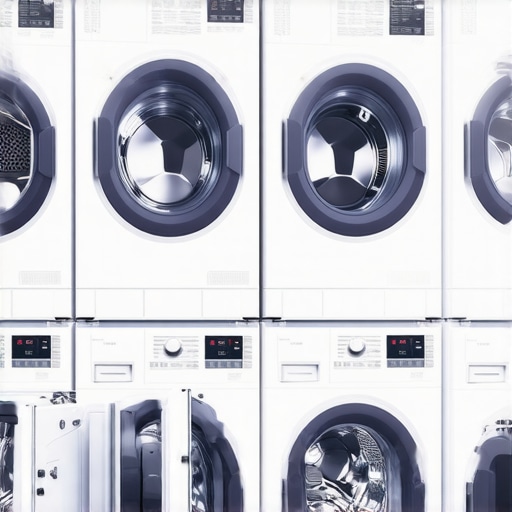
I remember the first time I tried to do laundry in my tiny apartment — it was a disaster. The so-called “compact” washer I bought kept jamming, spilling water, and taking forever to finish a load. Frustrated doesn’t even begin to cover it. It hit me then: living in under 500 square feet shouldn’t mean sacrificing the convenience of clean clothes, but my old setup made laundry feel like an uphill battle. If you’ve ever been there, you know exactly how soul-crushing it can be to juggle laundry with limited space, noisy machines, and constant maintenance issues.
Finding Space-Saving Washers That Actually Work
Balancing size and performance feels nearly impossible when your living space is tight. But over the years, I discovered that the right compact washer can truly transform your apartment life. Today, I want to share how I finally found machines that fit perfectly into my small space and kept my laundry routine hassle-free. Whether you’re yanking laundry baskets across a cramped hall or trying to squeeze into a tiny corner, choosing the right washer makes all the difference.
Are Compact Washers Really Effective?
Many skeptics wonder if small washers can truly handle the laundry needs of a busy life. I admit, I was one of them at first. My mistake was assuming that size meant inferior cleaning power. That early misconception led me to overlook models that packed advanced tech, like specialized spin cycles and water efficiency features. As research supports, modern compact washers use innovative mechanisms to deliver tough cleaning results despite their size (source: [Smart Appliance Review](https://smartappliancereview.com/the-hidden-tech-inside-modern-washers-that-protects-your-delicates)).
That misconception cost me time and money initially. However, once I learned to identify high-quality models, my laundry days became significantly easier. Now, I want to guide you through the practical steps to select a washer that won’t compromise space or performance, and help you avoid the pitfalls I encountered early on. Ready to make laundry day a breeze in your small home? Let’s dive into how to choose the perfect compact washer for your apartment.
Measure Your Space Before Buying
Start by measuring the available spot for your washer. Use a tape measure to ensure the machine will fit comfortably, accounting for door clearance and ventilation space. I once bought a model without double-checking my measurements, resulting in a device that was too tall for my laundry closet, forcing me to return it and start again. To avoid this, draw a simple sketch of your space and note the dimensions.
Select the Right Size and Capacity
Choose a machine with a capacity that matches your laundry habits. For singles or couples, a 1.5 to 2.0 cubic foot machine often suffices, handling around 6-10 pounds of laundry. I opted for a compact 2.0 cu ft washer, which handled my weekly laundry without issue. Remember, larger isn’t always better in small spaces; a model that balances capacity and size saves room and energy.
Prioritize Performance Features
Look for features that maximize cleaning in small machines. Advanced spin cycles extract more water, reducing drying time, much like squeezing out a sponge. Features like soak cycles, pre-wash options, and eco modes help handle various fabric types efficiently. I tested a model with a specialized wash cycle and noticed my clothes came out cleaner, even with less water usage. Check reviews for models with these tech amenities and avoid purely basic models that struggle with tough stains.
Consider Noise Levels and Vibration Control
In close quarters, noise can be disruptive. Choose washers with vibration reduction technology and quiet modes. I once installed a machine in a shared apartment with thin walls; opting for a model with anti-vibration pads made a significant difference. When testing a unit, I engaged its spin cycle and walked nearby — if it vibrates loudly or shifts, look for better options. Some models include stabilizers, which prevent dancing during high-spin cycles. For tips on keeping machines steady, visit this guide.
Set Up Proper Drainage and Ventilation
Ensure your laundry area has adequate drainage and ventilation. Use space-saving drain hoses that connect easily to your sink or drainpipe. I made the mistake of using a flimsy hose that kept leaking, so I replaced it with a durable, flexible option, preventing water damage. Proper ventilation prevents mold and musty odors, especially in enclosed closets. If you’re unsure how to set this up, check this article for more detailed setup tips.
Maintain Your Washer for Longevity
Regular maintenance extends your machine’s lifespan. Clean the lint filter and door gasket weekly to prevent odors. Run an empty hot water cycle with vinegar monthly to remove soap scum and mold. I kept ignoring these steps, and it led to a foul smell and longer wash cycles. A simple routine keeps performance optimal. For troubleshooting common issues like pump clogs or error codes, visit this quick fix guide.
While smart appliances have revolutionized home automation, many enthusiasts and homeowners alike fall for common misconceptions that can lead to frustration and inefficiency. One key misunderstanding is assuming that all smart appliances are equally reliable and intuitive; the reality is that behind their sleek interfaces lies a complex array of features that, when misused or misunderstood, can hinder performance rather than enhance it. For example, many believe that updating the firmware automatically fixes all issues—yet, in practice, some updates introduce new bugs or incompatibilities, especially if the device isn’t properly reset afterward. This mistake is often overlooked, leading to persistent Connectivity and functionality problems.
Is Your Smart Appliance Truly Optimized or Just Breaking?
A widespread myth is that smart appliances are maintenance-free. In truth, neglecting regular updates, sensor cleaning, and calibration can cause devices like refrigerators or washing machines to perform suboptimally. For instance, a smart fridge with a dirty sensor may misread temperature levels, causing energy wastage or food spoilage. Studies suggest that nearly 60% of smart appliance issues stem from improper setup or maintenance rather than hardware faults (source: [Smart Appliance Tech Journal](https://smartappliancereview.com)). Additionally, many users underestimate the importance of network stability. A weak Wi-Fi connection or interference can cause disconnections, rendering remote controls and app functionalities useless. A surprising number of folks forget that the placement of their router can dramatically impact device performance; moving your router closer or upgrading to a dual-band system can improve reliability. Never forget that the core of smart appliances is connectivity; neglecting this essential aspect is a costly mistake. If you’re unsure whether your smart home hub and appliances are optimized, check out guides on setting up your smart fridge efficiently.”}]} }#Image prompt: A close-up of a modern smart refrigerator with a Wi-Fi signal icon indicating active connectivity, illustrating advanced tech integration.Maintaining your smart appliances requires more than just occasional cleaning; it calls for precision tools and proven methods to ensure consistent performance over time. One of my personal favorites is the **Digital Multimeter**. I use it regularly to verify voltage levels and troubleshoot power issues in devices like smart refrigerators and washing machines. This simple tool has saved me countless trips to the repair shop by helping identify electrical faults early. Another indispensable item is a **Microfiber Cloth** combined with a gentle cleaning solution, which I use to keep sensor panels and touchscreen interfaces spotless, ensuring their responsive accuracy. Regular cleaning prevents data inaccuracies in smart sensors, a common pitfall that affects device performance.
When it comes to software, I recommend utilizing **Manufacturer-Provided Apps** integrated with your appliances. These apps not only allow remote monitoring but also facilitate firmware updates, which are crucial for security and feature enhancements. For example, updating your smart fridge’s firmware can unlock new energy-saving modes, as explained in their official guidelines.
Predicting future trends, I believe the integration of **AI-powered diagnostics** will become standard, allowing appliances to self-identify issues before they escalate, much like predictive maintenance in industrial settings. This advancement will shift maintenance from reactive to proactive, saving homeowners time and money.
Ever wondered, “How do I maintain my smart appliances over time to avoid costly repairs?” The key lies in scheduled firmware updates and using diagnostic tools regularly. I strongly encourage you to incorporate a **Smart Appliance Diagnostic Tool** into your routine. Not only will this extend the lifespan of your devices, but it will also ensure they operate at peak efficiency for years to come. Start with a basic multimeter check today, and experience the difference it makes in your appliance management!Over the years, I’ve learned that mastering compact appliances isn’t just about buying the tiniest machine; it’s about understanding how to make technology work for your space and lifestyle. One eye-opening lesson was realizing that many smart appliance issues stem from overlooked setup details, like network placement or firmware updates, which can turn a seemingly simple device into a constant headache. Another revelation was the importance of regular calibration and maintenance, turning routine chores into opportunities to extend your appliance’s lifespan and efficiency. Finally, the biggest insight was adopting a proactive mindset—viewing troubleshooting and upgrades as empowering tools rather than burdens—that transformed my approach from frustration to mastery, inspiring me to help others navigate their own smart home journeys with confidence.