
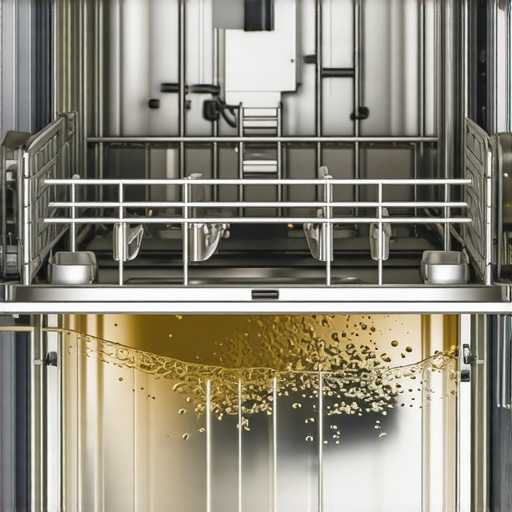
Nothing is more frustrating than opening your dishwasher and finding a pool of disgusting, standing water at the bottom. I remember the first time I encountered this problem—my dishwasher was supposed to be a time-saver, not a breeding ground for mold and grime. The stench alone was enough to make me reconsider every cycle—pretty gross, right? This lightbulb moment made me realize just how common and sneaky this issue really is.
In today’s post, I’m going to walk you through why this happens and, more importantly, how you can fix it. If you’re tired of dealing with that nasty water, stick around. We’ll troubleshoot the root causes and get your dishwasher back to sparkling clean, without the gross standing water.
Why Does My Dishwasher Bottom Fill With Standing Water?
Let’s face it—your dishwasher isn’t just a chipped dish or a broken spray arm. Sometimes, the real problem lies beneath, like a clogged filter or a faulty pump. From my own experience, I used to assume that a little leftover water was normal. Turns out, that’s a common misconception. In fact, according to appliance experts, persistent standing water is often a sign that something’s off with the drainage system or the filter.
Early on, I made the mistake of ignoring the buildup of gunk around the filter. That tiny oversight led to reduced drainage, and soon, my dishwasher was puddling with water filled with food debris and soap scum. After learning the hard way, I discovered that regular maintenance—like cleanings and timely inspections—can prevent these problems and save you a lot of hassle.
Troubleshooting this issue involves understanding how your dishwasher drains and what components might be failing. Don’t worry—most fixes are simpler than you think, and in the upcoming sections, I’ll guide you step-by-step. But first, let’s tackle one of the biggest fears: is this problem worth ignoring or is it a costly fix in disguise? Keep reading!
Is This Problem Something I Should Worry About?
You might be skeptical—”Is standing water inside my dishwasher really that serious?” I used to think it was just a minor inconvenience until I realized it can lead to mold growth, bad odors, and even damage to your appliance. Ignoring it might seem easier at first, but over time, it can cause more significant, costly issues. Interestingly, a study highlighted that regular dishwasher maintenance can extend its lifespan and improve cleaning performance (source: Appliance Repair Journal). So yes, taking a moment to address this now can save you money down the line.
If you’ve ever made the mistake of assuming the buildup was normal, you’re not alone. I did the same, but learning to spot the signs early makes all the difference. Now that we’ve busted that myth, let’s dive into how to identify the exact cause of your standing water and fix it efficiently. Ready to learn the tricks that turned my dishwasher from a waterlogged mess into a pristine, odor-free appliance? Keep reading.
Assess the Drain Filter and Remove Blockages
Start by locating the dishwasher’s filter, usually at the bottom of the tub. Before removing, turn off the power and water supply. Use a flashlight to spot debris or gunk clogging the filter. Carefully unscrew or lift out the filter component—most are twist-and-lift design. When I did this in my kitchen, I found a ball of food particles and soap scum lodged inside, which I cleared out to restore proper drainage. Clean the filter thoroughly with warm, soapy water, and reassemble. This step prevents food debris from blocking the drainage path, a common cause of standing water.
Clear the Drain Hose and Check for Kinks
Remove the dishwasher’s kick plate to access the drain hose—use a screwdriver to detach it. Carefully disconnect the hose from the pump or drain connection. Use a long brush or a flexible cleaning tool to clear any clogs or mineral buildup inside. Also, inspect the hose for kinks or bends that could restrict flow. I once found a kink in my hose that I temporarily fixed with a zip tie, which immediately improved drainage. Reattach the hose securely. Ensuring the drain hose is clear and straight keeps water flowing freely to the sink drain or waste pipe.
Test the Drain Pump for Functionality
Unplug the dishwasher and locate the drain pump—usually at the bottom rear. Disconnect the wiring harness and remove the pump cover. Use a multimeter to test the pump’s motor for continuity; if there’s no reading, the pump may be faulty. In my case, I replaced the pump after troubleshooting, and it solved the standing water issue. Reinstall the pump and connect the wiring. A faulty pump cannot expel water effectively, so replacing it restores proper drainage.
Inspect the Float Switch and Pressure Chamber
The float switch detects water levels. Remove the dishwasher cover to find the float assembly—generally a small ball or cone on a lever. Check if it moves freely; debris or misalignment can cause false signals, keeping the drain pump running or failing to activate. I cleaned mine with a soft brush, which allowed it to float smoothly again. Also inspect the pressure chamber connected to the float for cracks or blockages. Correct operation of the float switch prevents overfilling and ensures water drains properly.
Verify the Control Board and Sensors
If all mechanical parts seem fine, the issue might be electronic. Use a multimeter or consult your dishwasher’s manual to test the control board’s output signals to the drain pump. Sometimes, a faulty sensor or control board prevents signals from reaching the pump, causing standing water. For my unit, resetting the dishwasher by unplugging it for five minutes resolved minor control glitches. If problems persist, contacting a professional for board diagnosis might be necessary.
Prevent Future Drainage Problems
Once fixed, consider running a cleaning cycle with a dishwasher cleaner to remove mineral buildup. Regularly inspect and clean the filter, check hoses for kinks, and run quick maintenance washes to prevent clogs. Implementing these habits keeps your appliance running smoothly, avoiding the nasty puddles you’ve dealt with. For appliance-specific maintenance tips, I recommend reviewing detailed guides like this filter cleaning hack.
Watch Out for Recurring Clogs
If standing water keeps returning despite fixes, there may be a deeper issue like hard water mineral buildup or a failing pump. In such cases, it might be time for professional diagnostic and repair. Preventative care, like using a water softener or descaling tablets, can extend your dishwasher’s lifespan and keep drainage issues at bay.
Many homeowners operate under the assumption that modern appliances are foolproof and maintenance-light, but the truth is more nuanced. One of the most pervasive myths I’ve encountered is the belief that smart appliances automatically optimize themselves, so manual calibration or periodic checks are unnecessary. In reality, even the most advanced devices, like smart refrigerators, require attention to ensure they function correctly. For example, calibrating your smart fridge’s temperature sensors can significantly improve performance, as explained in [this guide](https://smartappliancereview.com/how-to-calibrate-your-smart-fridge-temperature-sensor-for-accuracy). Overlooking such details can lead to inconsistent cooling or energy waste, which many see as inevitable but isn’t.Keeping your home appliances in top shape requires more than just occasional cleaning—they benefit from the right tools and proactive maintenance strategies. Personally, I rely on a few specialized items to ensure my dishwasher, refrigerator, and smart appliances perform optimally over the long term. Regular maintenance not only extends their lifespan but also prevents costly repairs, so investing in quality tools and techniques pays off.
One of my go-to tools is a digital multimeter, which I use to test electrical components like drain pumps and control modules. For example, checking the continuity of the drain pump with a multimeter helps me identify faults without guesswork, ensuring I replace only what’s necessary. Additionally, I keep a flexible mini brush and a long, thin nozzle attachment for cleaning hard-to-reach areas, such as the interior coils of my refrigerator or the spray arms of my dishwasher. These precise tools mimic professional service equipment, allowing me to perform thorough cleanings and detect potential issues early.
For software troubleshooting, I recommend installing manufacturer-specific diagnostic apps or programs—many appliance brands offer these to identify error codes and sensor failures remotely. I personally use the LG ThinQ app, which provides real-time diagnostics and allows remote reset functions—saving time and avoiding unnecessary technician visits. Over time, I’ve found that combining manual inspections with software insights offers a comprehensive approach to maintenance.
Predicting where technology is headed, I believe smart appliances will increasingly incorporate predictive analytics to alert homeowners about potential failures before they happen. This shift means that maintaining compatibility with diagnostic apps and ensuring firmware updates are up-to-date will become even more critical for optimal performance.
How do I keep my appliances operational without hassle?
Using high-quality, precision tools like a digital multimeter and dedicated cleaning brushes has been a game-changer in my maintenance routine. Regularly inspecting components such as filters, water lines, and sensors ensures your appliances run efficiently and reduces the risk of unexpected breakdowns. Don’t forget to periodically calibrate sensors, especially in smart refrigerators where temperature consistency matters. For instance, proper calibration improves energy efficiency and food preservation, an essential aspect many overlook. I’ve detailed how to do this yourself in a recent guide, which you can check out for step-by-step instructions.
Finally, integrating software diagnostics into your routine, like running built-in self-tests or utilizing manufacturer apps—such as this detailed guide on calibrating smart fridge sensors—enables you to identify issues early. This proactive approach is becoming increasingly vital as appliances grow more connected and complex. So, I encourage you to invest in a good multimeter and familiarize yourself with the diagnostic features your appliances offer. Doing so puts you in control of your home’s efficiency and longevity, saving money and frustration over the years.
The Hardest Lesson I Learned About Dishwasher Drainage
One time, I ignored the stubborn puddle at the bottom of my dishwasher, thinking it was a minor glitch. Weeks later, I faced mold, bad odors, and even damage to the appliance. The reality was clear: neglecting drainage issues can escalate quickly, costing more than just a simple cleanup. This taught me to pay close attention to early warning signs and address them promptly, saving time and money in the long run.
Why I Stopped Believing in ‘Normal’ Standing Water
I used to accept leftover water as normal, but after some research and trial, I realized it’s often a symptom of underlying problems like clogged filters or faulty pumps. Recognizing this misconception allowed me to troubleshoot better, replace worn parts on time, and maintain my dishwasher’s health. Now, I see standing water not as a nuisance but as a crucial indicator that needs attention before it worsens.
The Power of Preventative Maintenance
Discovering simple habits—like regular filter cleaning and hose inspections—transformed my approach. It’s about being proactive, not reactive. Implementing scheduled checks, using quality cleaning tools, and staying informed through trusted resources have kept my dishwasher running smoothly. It’s a small investment of time that pays off by preventing costly repairs and extending appliance lifespan.
Curated Resources for the Avid Homeowner
For anyone serious about appliance care, I recommend tools like a reliable digital multimeter, which helps diagnose electrical issues—like faulty drain pumps—early. The guide on calibrating smart fridge sensors has been invaluable for maintaining optimal performance across devices. Additionally, online forums and manufacturer manuals provide detailed insights that empower DIY fixes and maximize appliance longevity.
Taking Action Starts Now
Your dishwasher’s drainage system is more than a minor detail—it’s the heart of its efficiency and hygiene. By applying these personal lessons and using trusted resources, you’re equipped to face drainage issues confidently. Your appliances can serve you well for years with just a little knowledge and care. Remember, proactive maintenance isn’t just about fixing problems—it’s about creating a smoother, cleaner home environment for yourself and your loved ones.
What steps have you taken to troubleshoot your dishwasher, and what surprises did you discover along the way? Share your story below!
,