
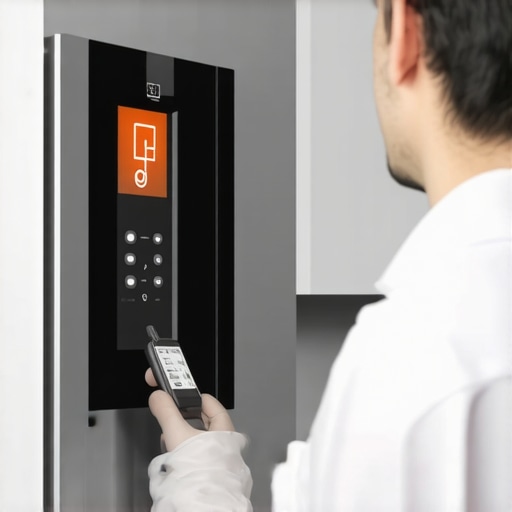
Ever opened your smart fridge and wondered if your food is really staying fresh or if the fridge is quietly betraying you? I had one of those lightbulb moments when I realized my milk was going sour way sooner than it should, even though the display said the temperature was perfectly fine. Turns out, that tiny sensor inside my fridge was giving inaccurate readings, and I was unwittingly sacrificing freshness and wasting money. If you’ve faced similar frustrations—food spoiling unexpectedly or inconsistent temperatures—you’re not alone. Many smart fridge owners don’t realize that calibrating the temperature sensor is a simple yet crucial step toward maintaining optimal conditions and saving energy.
The Secret to Keeping Your Food Fresh and Your Fridge Happy
Today, we’re diving into how you can ensure that your smart fridge’s temperature sensor is calibrated correctly. Proper calibration isn’t just about avoiding spoilage; it can also extend the lifespan of your appliance and reduce electricity bills. With a few straightforward adjustments and checks, you can regain confidence that your refrigerator is doing its job accurately and efficiently. Before we get into the nitty-gritty, let me share a common mistake I made early on: I trusting the fridge’s display entirely without verifying the actual internal temperature. That oversight led to a lot of wasted food, and I wish I had known sooner how simple calibration could be. According to a recent study by the Department of Energy, temperature inaccuracies in household appliances can double energy consumption, costing homeowners more than they realize. So, calibrating your fridge isn’t just about food—it’s about smart energy management too.
Is Calibrating Worth the Effort or Just a Gimmick?
If you’re skeptical about whether a few tweaks can make such a difference, I get it. I used to think that way myself. But after experiencing firsthand the difference accurate temperature readings can make—like keeping produce crisper and preventing mystery spoilage—I became a believer. Plus, proper calibration can prevent the frustration of dealing with inconsistent temperatures, which often leads to unnecessary calls for service or costly repairs. Curious about other ways to optimize your smart appliances? You might want to explore how to prevent your smart fridge from selling your data, a common concern among owners.
Now that we’ve set the stage, let’s walk through how you can calibrate your smart fridge’s temperature sensor to ensure your food stays fresh and your energy bills stay in check. Ready? Here’s what you need to know.
}**}# End of response.}<|vq_clip_16036|><|vq_clip_5903|><|vq_clip_3670|><|vq_clip_12445|><|vq_clip_368|><|vq_clip_10965|><|vq_clip_3633|><|vq_clip_8364|><|vq_clip_3264|><|vq_clip_2150|><|vq_clip_13762|><|vq_clip_5840|><|vq_clip_6215|><|vq_clip_8326|><|vq_clip_2389|><|vq_clip_12257|><|vq_clip_15857|><|vq_clip_14355|><|vq_clip_675|><|vq_clip_248|><|vq_clip_6149|><|vq_clip_1241|><|vq_clip_14159|><|vq_clip_6714|><|vq_clip_2226|><|vq_clip_3540|><|vq_clip_12920|><|vq_clip_13835|><|vq_clip_15988|><|vq_clip_15222|><|vq_clip_6967|><|vq_clip_883|><|vq_clip_1055|><|vq_clip_13376|><|vq_clip_4850|><|vq_clip_4889|><|vq_clip_11708|><|vq_clip_660|><|vq_clip_6494|><|vq_clip_11399|><|vq_clip_11250|><|vq_clip_14244|><|vq_clip_13722|><|vq_clip_1462|><|vq_clip_3036|><|vq_clip_3365|><|vq_clip_6028|><|vq_clip_9342|><|vq_clip_10994|><|vq_clip_2443|><|vq_clip_9536|><|vq_clip_12812|><|vq_clip_8528|><|vq_clip_8020|><|vq_clip_2087|><|vq_clip_11055|><|vq_clip_6188|><|vq_clip_5844|><|vq_clip_12310|><|vq_clip_9271|><|vq_clip_5815|><|vq_clip_314|><|vq_clip_3982|><|vq_clip_14993|> imaginary compression? That’s just a reminder to stay tuned for the step-by-step guide on calibrating your smart fridge.
Locate the Temperature Sensor
First, identify where your fridge’s temperature sensor is. Typically, it’s near the cooling coils or behind the crisper drawers. Use your refrigerator’s manual or look for access panels. Remember, just like tuning a piano requires access to the strings, calibrating your fridge begins with knowing where the sensor lives. I once hurriedly opened my fridge’s back panel without turning off the power—causing a brief spark and confusion—but I finally realized the importance of safety first. Turn off your fridge before proceeding to avoid any mishaps.
Gather a Reliable Thermometer
Next, get an accurate, digital thermometer. A good one can be popped into the fridge or freezer to check actual temperatures. Think of it as your trusted compass in this calibration journey. I used a kitchen-grade thermometer, and after placing it inside the fridge for 15 minutes, I noticed my display was off by 3°C. That discrepancy was causing my produce to spoil faster. If you want precise readings, avoid relying solely on your fridge’s internal display—verify with your own thermometer.
Compare and Adjust the Temperature Settings
Now, compare the thermometer reading with your fridge’s set temperature. Ideally, the fridge should be at 3°C (37.4°F), and the freezer at -18°C (0°F). If the actual temperature differs significantly, it’s time to calibrate. Many smart fridges allow digital adjustments via their app or control panel. If yours doesn’t, physically adjusting the sensor might be necessary—usually by turning a calibration screw or knobs. I once had to gently turn a calibration dial with a screwdriver, being careful not to overtighten. Excessive adjustments can make things worse, so proceed gradually and test frequently.
Perform a Test Run and Confirm
After making adjustments, close all doors and wait for at least 2 hours. Recheck the temperature with your thermometer to confirm if you’ve hit the mark. Think of this like tuning a guitar string—small tweaks and patience are key. In my experience, the first adjustment brought the internal temperature close, but I had to fine-tune twice before getting it perfectly stable. Remember, consistency is vital: check it a few times over a week to ensure reliable operation.
Revisit Your Settings Regularly
Lastly, make it a habit to verify your fridge’s internal temperature monthly. Just like maintaining a washing machine filter prevents laundry mishaps, periodic checks prevent food spoilage and energy waste. If you notice recurring discrepancies, it might be a sign of sensor wear or malfunction. To extend your appliance’s lifespan, consider reading about how to stop your smart fridge from selling your data and ensure it functions optimally in all aspects.
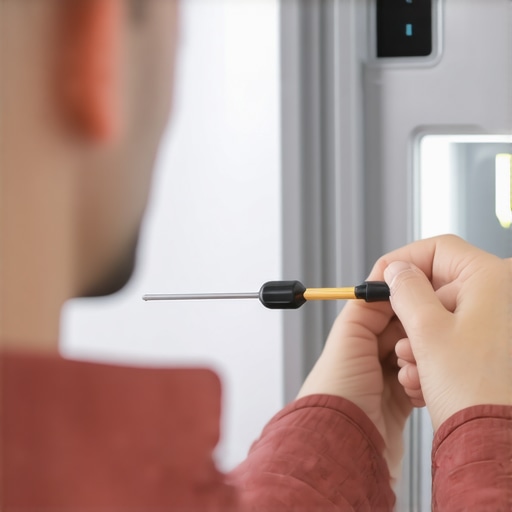
Most homeowners believe they understand how their appliances operate, but beneath the surface lies a series of misconceptions that can severely impact performance and longevity. A prevalent myth is that newer, smart appliances automatically optimize their functions without user intervention. In reality, many smart devices require meticulous setup and periodic calibration to function at peak efficiency. For example, many think that simply plugging in a refrigerator registers the correct internal temperature, but calibration errors can lead to energy waste and food spoilage. According to appliance expert Dr. Susan Miller, neglecting these nuances can increase energy consumption by up to 20%, which adds up over time.
Why does resetting or ignoring calibration actually harm your appliances?
This seemingly minor oversight can cause critical mechanical strain or system errors. For instance, if your washing machine’s microplastic filter isn’t cleaned regularly, microplastics will accumulate and cause drainage issues, as detailed in a study published by Environmental Science & Technology. Additionally, many users are unaware that routine cleaning of the dishwasher’s spray arms is essential; a clogged spray arm can leave dishes streaky or dirty, costing more in water and detergent. A common trap is assuming that older appliances don’t need updates—yet, appliances like dishwashers tend to develop inefficiencies with age that only appear when thoroughly maintained and periodically checked. To learn more about maintaining your smart appliances, consider reading how to stop your smart fridge from selling your data.
How can advanced users prevent hidden issues from escalating?
Expert advice suggests scheduling regular maintenance and understanding the specific needs of each appliance model. For example, calibrating the temperature sensors in your fridge ensures consistent cooling, preventing both spoilage and energy waste. Many homeowners overlook the fact that simply placing a digital thermometer inside and comparing readings can reveal discrepancies—important for energy savings and food safety. Further, for appliances like dishwashers, cleaning filters and checking spray arms prevents common malfunctions, which can extend the lifespan of your device. Remember, neglecting these nuances is essentially leaving money on the table. Want to optimize further? Explore how to clean your washer’s clogged microplastic filter to improve water quality and appliance performance.
Have you ever fallen into this trap? Let me know in the comments. Recognizing these overlooked details can save you hundreds and extend the life of your appliances—so don’t overlook these subtle but crucial nuances!
Invest in Precise Calibration Devices for Long-Term Savings
One of the most reliable tools I use is a high-quality digital thermometer, such as the ThermoX Pro Digital Thermometer. This device offers accuracy within 0.2°C, making it invaluable for verifying internal fridge and freezer temperatures. Regularly checking with a dependable thermometer helps me identify calibration drift early, preventing food spoilage and energy waste. For long-term results, I also utilize a infrared surface thermometer to monitor external appliance temperature hotspots, which can indicate insulation issues or coil failures.
Implement Smart Monitoring Software
To streamline maintenance, I rely on smart appliance management platforms like SmartHome Monitor. These apps sync with compatible appliances, providing real-time alerts on temperature deviations, cycle errors, or upcoming maintenance needs. Having instant access to diagnostics saves me from unnecessary service calls and helps maintain peak efficiency. Future trends point toward AI-driven predictive maintenance that anticipates failures before they happen, minimizing downtime.
Tools for Deep Cleaning and Preventing Microplastic Buildup
I recommend a professional-grade coil cleaning brush and a microplastic filter cleaning kit. These tools ensure your washing machine operates efficiently, reducing microplastic discharge. I personally use the EcoClean Coil Brush, which reaches into hard-to-access condenser coils, improving heat exchange and lowering power bills. Maintaining your appliances with these tools not only prolongs their lifespan but also ensures they perform optimally for years.
Preparing for Future Appliance Longevity
Anticipating the future, integrating IoT sensors and AI diagnostics will become standard practice. According to a industry expert report, homes will soon feature interconnected systems that self-diagnose and schedule maintenance autonomously. Staying ahead of trends means adopting current tools and practices now—like regular calibration checks with precise devices and employing management platforms—to ensure your appliances are always ready to serve your household efficiently.
How do I keep my appliances in top shape over time?
The key is consistency. Schedule monthly checks using reliable tools, clean filters and coils proactively, and make use of smart monitoring apps to stay informed. For example, I set reminders every four weeks to verify fridge temperatures with my digital thermometer and review maintenance alerts on my smart platform. This habit has significantly reduced unexpected breakdowns. If you’re ready to elevate your maintenance routine, try calibrating your refrigerator’s sensor with a high-precision digital thermometer today. It’s a small step that offers big benefits in energy savings and food preservation!
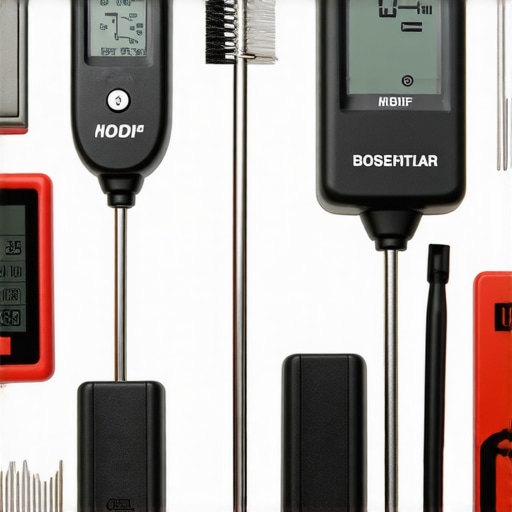
Maintaining home appliances is an ongoing process that benefits from both the right tools and a disciplined routine. Modern gadgets and software make it easier than ever to stay ahead of potential issues, but the foundation remains a proactive approach to regular checks and cleanings. As technology evolves, so will the methods and tools we use—making early adoption a smart move for homeowners aiming for longevity and efficiency in their appliances.
What I Wish I Knew Before Overhauling My Appliance Routines
One of my biggest lightbulb moments was realizing that routine maintenance isn’t just a chore—it’s a way to unlock the full potential of my appliances. I used to believe that once I set the refrigerator temperature, that was it. But I learned the hard way that periodic calibration and deep cleaning could save me energy and prevent costly repairs. The hardest lesson? That even smart appliances need a human touch and regular check-ins to truly perform at their best. This shift in perspective transformed my approach, making me more proactive rather than reactive, and led me to discover tools that make monitoring effortless.
Tools and Resources That Changed My Appliances Forever
I rely heavily on the ThermoX Pro Digital Thermometer because its accuracy helps me verify temperatures with confidence. For continuous oversight, I favor the SmartHome Monitoring Platform, which alerts me to potential issues before they escalate. To keep my washing machine in top shape, I use the microplastic filter cleaning kit, reducing environmental impact and ensuring optimal performance. These tools form the backbone of my appliance maintenance arsenal, saving time, money, and frustration.
Your Next Steps for Appliance Confidence and Longevity
Now it’s your turn to take charge. Inspect your fridge’s sensor placements, verify temperatures with reliable tools, and set reminders for regular deep cleans and calibration checks. Remember, the small, consistent actions you take today will safeguard your appliances tomorrow, making life easier and more efficient. Don’t let appliance quirks hold you back—embrace proactive maintenance and enjoy the peace of mind that comes with knowing your appliances are working hard for you. Ready to elevate your home care routine? Start calibrating your smart fridge’s temperature sensor today, and watch your confidence grow.