
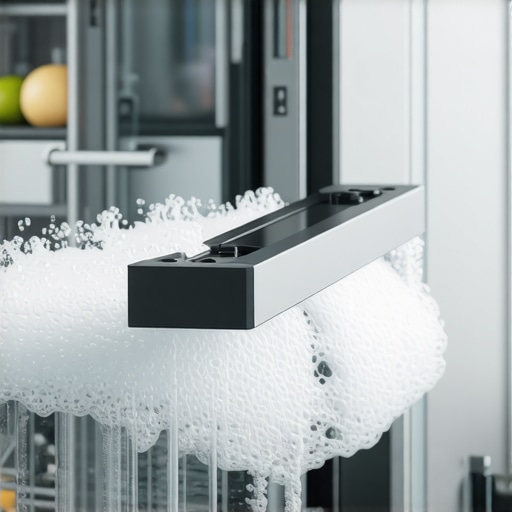
One evening, I opened my dishwasher expecting a sparkling clean load of dishes, only to find the door stubbornly stuck shut, refusing to open. It was frustrating—like a stubborn door that just wouldn’t budge, trapping my hope for an easy clean. I’ve been there, and I know many homeowners face this annoying issue, especially when it’s least convenient.
Why Does My Dishwasher Door Get Jammed During a Cycle?
This problem is more common than you might think. Typically, dishwasher doors stick due to a combination of mechanical glitches, water pressure issues, or even door latch malfunctions. Sometimes, the door latch or the lock mechanism can get jammed because of debris, corrosion, or a faulty sensor misreporting the door status. These little issues can snowball, leaving us stranded with a door that refuses to open and risking potential damage to the appliance or even injury if you try to force it open.
Early on, I made the mistake of repeatedly forcing the door open, which only worsened the problem. It wasn’t until I read some expert advice on appliance maintenance that I realized the importance of diagnosing the root cause rather than just trying to muscle it open. For instance, making sure the door latch is clean and free of debris can prevent a lot of hiccups. If you’re curious about hidden features that might be affecting your dishwasher, check out this guide for tips on optimizing your dishwasher’s settings.
Will Fixing It Be a Hassle or Worth the Effort?
If you’re like me, you might worry that a stubborn door is a sign of major repair work or closet full of tools. The good news is, most issues are simple fixes that you can do yourself. From inspecting the latch to resetting sensors, fixing this problem can be straightforward—and save you a service call. In the following sections, I’ll walk you through practical steps to get your door unstuck and ensure it stays that way, so you can enjoy peace of mind during your next wash cycle.
Are you tired of fighting with your dishwasher door mid-cycle? Stick around, because I’ll help you troubleshoot and resolve this frustrating issue once and for all!
Inspect the Door Latch Thoroughly
Start by examining the latch mechanism itself. Often, debris or mineral buildup can cause the latch to stick. I once found a thick layer of soap scum lodged within the latch catch, which prevented the door from opening. I used a soft brush and a mild cleaner to scrub away grime, then rinsed and dried the part. This simple step restored smooth operation and prevented future jamming.
Clean the Latch and Strike Plate
Remove the latch assembly from the door, following your appliance’s manual, and clean it carefully. Use a toothbrush or small brush to dislodge debris from the latch and strike plate, similar to clearing out clogged spray arms or filters. A clean latch ensures it functions reliably, avoiding miscommunications with sensors that might think the door is still closed.
Check the Door Seal and Hinges
Damage or debris around the door gasket can cause misalignment, making the latch difficult to operate. Gently inspect, and if needed, replace worn gaskets. On one occasion, I found a tiny pebble caught in the seal, which caused the door to stick. Clearing such obstructions guarantees a proper seal and smooth door movement.
Lubricate Moving Parts Safely
Apply a food-grade silicone spray or lubricant to hinges and latch parts. Do not overdo it; a light coat prevents sticking without attracting more dirt. I used a silicone spray on my dishwasher hinges, and it made opening the door effortless, especially during cold mornings when parts tend to stick due to temperature fluctuations.
Reset the Dishwasher’s Control System
Sometimes, electronic glitches cause the door to lock or stick unexpectedly. To reset, unplug the appliance for 5 minutes, then plug it back in. This resets sensors and control boards, similar to how rebooting a computer can fix minor bugs. I found that resetting often resolved phantom jams caused by misreported door status.
Test the Door after Each Step
After completing each fix, close and open the door gently to see if the problem persists. Avoid forcing the door, which can worsen existing damage. When I fixed my dishwasher, I followed this step rigorously, preventing further harm and ensuring each repair was effective.
Additional Tips for Long-Term Reliability
Regularly clean the latch and seals as part of routine maintenance. If issues recur, consider consulting the troubleshooting guides linked on appliance sites, like this detailed guide. Preventative care keeps your dishwasher operating smoothly, saving time and avoiding costly repairs.
Challenging the Not-So-Obvious Beliefs
Many homeowners hold beliefs about appliances that, surprisingly, are myths or oversimplifications. One widespread misconception is that newer models always perform better than older ones. In reality, some older appliances, if well-maintained, can outperform newer, feature-rich units in durability and efficiency. For example, a decade-old refrigerator might still be more reliable than the latest model if the latter suffers from untested AI systems that overcomplicate maintenance. It’s essential to scrutinize specs and reviews beyond the hype and consider your specific needs before upgrading.
Why Do So Many Think All Smart Devices Save Energy?
A common trap is assuming that smart appliances automatically reduce electricity consumption. While they offer customization and remote control, many smart features can lead to increased energy use if improperly configured. For instance, keeping Wi-Fi-enabled refrigerators in continuous connectivity mode might keep the device awake unnecessarily, wasting power. In line with expert advice, such as that found on this resource, understanding the nuances of device settings is critical for genuine energy savings.
Another often overlooked aspect is the misconception that all cleaning cycles are equally thorough. Many believe that longer cycles always deliver better cleanliness, but advanced models now feature sensors that optimize wash time based on load dirtiness. Overusing heavy cycles can unnecessarily wear out components and increase utility bills. Learning to leverage these smart sensors effectively can make a significant difference, and consulting detailed guides on routine maintenance, like this article, helps unlock their full potential.
How Can Overlooking These Details Affect Your Long-Term Costs?
Failing to recognize these hidden nuances can lead to premature appliance failure or inflated utility bills. For example, ignoring the importance of proper door seal maintenance might cause a refrigerator to work harder, consuming more power and increasing the risk of spoilage through temperature fluctuations. Similarly, underestimating the significance of cleaning filters on washing machines can lead to mold growth and microbial build-up, affecting both hygiene and appliance lifespan. Regularly inspecting and maintaining these components ensures longevity and performance.
To avoid these pitfalls, it’s beneficial to stay informed about the latest appliance technologies and maintenance tips. For detailed insights on optimizing your dishwasher’s performance, check out this guide. Remember, knowledge is your best tool to get the most out of your home appliances without falling into costly traps. Have you ever fallen into this trap? Let me know in the comments.
Investing in the Right Maintenance Tools
To ensure your appliances stay in top shape over the years, having the right tools is crucial. I personally rely on a high-quality digital multimeter like the Fluke 117, which allows me to quickly test electrical connections and troubleshoot issues with smart appliances. For cleaning and maintenance, a set of precision screwdrivers, such as Wiha’s insulated screwdriver set, helps me access and service sensitive components safely. Additionally, a microfiber cloth combined with a gentle, non-abrasive cleaner ensures I can clean seals, filters, and surfaces without risking damage.
Leveraging Diagnostic Software and Apps
Modern appliances often come with built-in diagnostics or companion apps that can identify issues more accurately. I recommend using manufacturer-provided diagnostic tools whenever possible. For example, LG’s ThinQ app not only allows remote control but also provides error codes and maintenance tips that save me time and money. Regularly updating appliance firmware ensures you benefit from recent fixes and features, preventing minor glitches from escalating into major problems.
Deep Dive into Long-Term Results
Consistency is key when maintaining appliances. Setting a regular schedule — such as monthly filters cleaning or sensor calibration — helps prevent unexpected failures. I schedule these checks into my calendar to build the habit. Over time, these small but consistent actions prolong the lifespan of your appliances. Moreover, keeping detailed logs of maintenance activities can help you spot recurring issues and plan timely upgrades or repairs.
Preparing for Scale and Future Upgrades
As technology advances, integrating smart home ecosystems can enhance appliance longevity and convenience. For instance, linking your refrigerator and washer to a centralized home automation system like Samsung SmartThings allows for remote diagnostics and maintenance alerts. Planning for scalability now means selecting devices compatible with upcoming standards like Matter, ensuring your appliances remain compatible and functional for years to come. For insight on this trend, exploring this article can be beneficial.
How do I maintain appliances over time without breaking the bank?
One effective method is to focus on preventative care, such as regularly cleaning filters, seals, and sensors. Investing in quality diagnostic tools and staying updated with firmware can prevent costly repairs down the line. Remember, small consistent actions yield long-term benefits, preserving your appliances’ performance and efficiency.
Thinking about future-proofing your home appliances? Consider integrating smart features that offer remote diagnostics and predictive maintenance alerts. This approach not only minimizes unexpected breakdowns but also optimizes energy efficiency. For a detailed look into making your appliances smarter and more sustainable, I recommend exploring this insightful guide.
Try Out This Advanced Tip
One highly effective tip is to calibrate your appliance sensors regularly using manufacturer-recommended tools. For example, re-calibrating the humidity sensor in a smart refrigerator can prevent excess frost build-up, improving energy efficiency and preserving food longer. This small step can significantly extend your appliance’s lifespan and reduce energy bills over time. Don’t hesitate to consult your manual or expert resources to perform this calibration properly—and see the benefits firsthand.
The Hardest Lesson I Learned About Dishwashers and Home Appliances
One of the most eye-opening lessons was realizing that many appliance issues are often simple fixes, not signs of impending doom. For years, I believed that a stubborn dishwasher door meant costly repairs, but it was usually just debris or misaligned sensors. This insight taught me to approach appliance problems with patience and a willingness to troubleshoot rather than panic.
3 Myths About Smart Appliances That Held Me Back
- Myth: All smart appliances automatically save energy.
Reality: They require proper configuration and maintenance to optimize efficiency. - Myth: Newer models are always better.
Reality: Older appliances, if well-maintained, can outperform newer ones in durability. - Myth: Firmware updates are optional.
Reality: Staying current is crucial for security and performance.
What The Experts Won’t Tell You About Appliance Longevity
Beyond basic maintenance, paying attention to subtle signs—like slight noise changes or inconsistent performance—can prevent major failures. Regularly calibrating sensors and updating firmware, for instance, extend your appliance’s lifespan. These hidden steps are often overlooked but can make a significant difference in your long-term costs.
Curated Recommendations for Smarter Appliance Care
- Properly configuring your dishwasher— This guide helped me unlock hidden features that improve performance and energy use.
- Drain maintenance tips— Keeping my refrigerator’s drain clear prevented leaks and cooling issues.
- Humidity control techniques— Proper calibration reduced frost buildup and improved freshness.
- Glass cleaning tips— Ensuring spotless dishes without extra effort.
Your Path to Confident Appliance Mastery
Embarking on regular maintenance and staying informed transforms appliance care from frustrating guesswork to empowering knowledge. Remember, each small step—like cleaning a seal or calibrating a sensor—adds years to your appliances’ life. The journey to smarter, smoother home management begins today—so why not start now? If you’ve ever struggled with a stubborn appliance or found a clever fix, share your story below. Your experiences might light the way for someone else seeking confidence in their appliance care journey.