
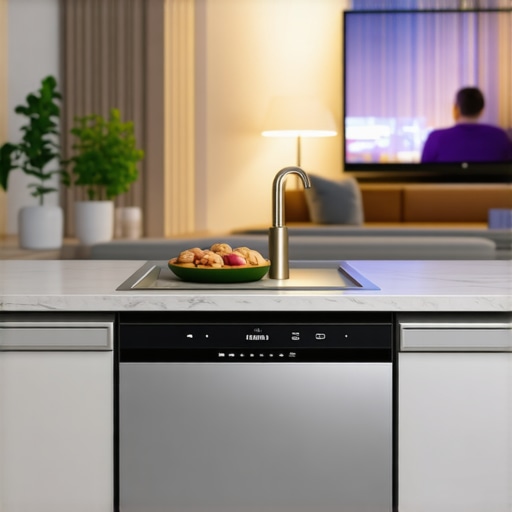
It was late evening, the kind where I settle into my cozy living room, popcorn ready, and the TV humming softly. Just as I press play on my favorite movie, I hear it — that dreaded *clunk* followed by the unmistakable whoosh of a dishwasher cycling through its rinse. Talk about a buzzkill! That moment made me realize how disruptive noisy appliances can be, especially when all you want is a quiet night. I’ve been there, battling the clash between household chores and relaxation. But here’s the good news: I found a solution that keeps your home peaceful and your movie nights uninterrupted.
The Quest for Peaceful Dishwashing Begins
Imagine this: you’re binge-watching your favorite series or hosting friends, and suddenly, the sound of clattering dishes or a loud rinse threatens to ruin the ambiance. It’s incredibly frustrating, right? For years, I accepted this as an unavoidable part of home life. That was until I started exploring the world of ultra-quiet dishwashers. I learned that you don’t have to choose between efficiency and peace; some models are designed precisely to keep noise levels almost undetectable. My personal journey led me to discover options that won’t shout over your movie soundtrack.
Skeptics Wonder if Quiet Dishwashers Are Really Worth It
I’ll admit, I was skeptical at first. Investing in a high-end dishwasher seemed like overkill — until I made the mistake of choosing a budget model without checking its noise ratings. The result? A dishwasher that sounded like a jet engine during peak hours, making it impossible to enjoy any quiet activity. That early mistake taught me the importance of reading reviews and understanding decibel levels. According to recent studies, some dishwashers operate at noise levels below 45 decibels — quieter than a typical library — making them perfect for open-plan living spaces or movie nights. If you’re tired of your dishwasher forcing you to mute the TV, you’re not alone, and I promise there’s a solution.
Ready to explore the best quiet dishwashers on the market? Let’s dive into how you can upgrade your kitchen without sacrificing peace and quiet. In the next sections, I’ll guide you through the key features to look for, trusted brands, and tips to ensure your new appliance blends seamlessly into your home.
Assess Your Current Dishwasher’s Noise Level
First, determine how loud your dishwasher is during operation. Use a decibel meter or a smartphone app to measure its noise—anything above 50 decibels can be disruptive. I recall the first time I rented an apartment with a noisy dishwasher, which drowned out my conversations. Measuring sound levels helps you decide whether a repair, upgrade, or soundproofing is needed.
Choose the Right Location and Installation
Proper placement minimizes noise transmission. Install your dishwasher on a solid, level surface—think of it as anchoring a boat in calm water. Use anti-vibration pads or mats under the unit to absorb vibrations, similar to placing rubber beneath industrial machinery. This simple step significantly reduces sound transfer to adjacent rooms.
Seal Gaps and Insulate
Leakage paths for sound often come from gaps around the door or mounting points. Applying weather stripping or sealing gaps with acoustical caulk creates an airtight barrier, akin to padding a drum to muffle sound. Additionally, lining the inside of cabinet enclosures with soundproof insulation can provide extra quiet.
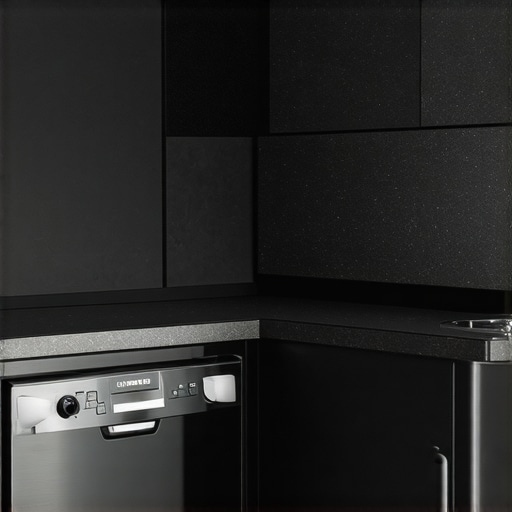
Image showing proper installation with vibration pads and sealed cabinet for noise reduction.
Optimize Dishwasher Settings and Usage
Select the quietest cycle offered; many modern dishwashers have a ‘silent’ or ‘eco’ mode designed for night use. For the best results, run the dishwasher during off-peak hours when noise impact is minimal. I experimented with my dishwasher’s eco cycle and found it almost silent, unlike the earlier loud cycles that sounded like a jet engine. Avoid overloading; crowded dishes cause longer cycles and more noise, similar to how a crowded train is noisier than an empty one.
Regular Maintenance Holds The Key
Cleaning filters and spray arms ensures smooth operation, reducing noise caused by strain or imbalance. For instance, I discovered a clogged filter was causing my dishwasher to strain and vibrate louder. Use this handy guide on cleaning your dishwasher filter effectively. Keeping the interior in top shape prevents unnecessary noise and prolongs appliance life.
Soundproof Your Environment Systematically
If quiet operation remains elusive, consider adding soundproof panels or mats around the dishwasher area. Think of this as installing noise-canceling headphones—reducing external sound influences. Combining installation tweaks with acoustic treatments offers the best results for a peaceful home environment.
Leverage Smart Technology
Smart dishwashers with load sensors and adaptive cycles adjust operation for efficiency and quieter running. Connecting your dishwasher to a smart home hub can optimize cycles and alert you when done, minimizing disturbance. This is akin to having a personal assistant managing the noise, freeing you for more relaxing activities.
While many homeowners think they understand their appliances—refrigerators, dishwashers, washing machines, and smart devices—there are subtle pitfalls and misconceptions that can lead to inefficiency, higher utility bills, or even appliance damage. One prevalent myth is that newer, high-tech features automatically mean better performance. However, some advanced settings are misunderstood or misused, resulting in suboptimal results or unnecessary energy consumption. For example, many users disable eco modes because they assume these settings compromise cleaning or cooling quality, when in fact, studies show that correctly used eco options can significantly save on electricity without performance loss.
What are the sneaky mistakes most homeowners overlook that reduce appliance lifespan or efficiency?
One common oversight involves neglecting the importance of regular maintenance—like cleaning filters or checking gaskets—which can cause appliances to work harder and consume more power. A typical mistake is assuming that high-end models don’t need as much care, but the truth is they often have more delicate components requiring regular attention. For instance, ignoring the condition of refrigerator door seals not only leads to increased energy bills but can also cause the compressor to overwork, potentially shortening its lifespan. You might want to consider the proven method of inspecting your door gaskets periodically; reports indicate that a simple seal check can reduce energy consumption by up to 15%. Check out this guide on sealing your fridge properly for more tips.
Furthermore, many users believe that all smart features automatically optimize their appliance’s performance. But without proper setup and understanding, these features might operate inefficiently or even disrupt routines. For example, some might not realize that connecting older washing machines to a smart hub can unlock useful automation, such as cycle monitoring or maintenance alerts. You can learn more about this process at this comprehensive tutorial. Misunderstanding or neglecting these nuances can lead to wasted energy or premature breakdowns.
Let’s not forget the impact of environmental factors: Is your appliance placed correctly? An often-overlooked detail involves installation. Improper leveling or insufficient insulation can amplify noise, reduce efficiency, and even cause damage over time. For instance, placing a washing machine on an uneven surface can increase vibrations, which accelerates wear and tear. Incorporating anti-vibration pads and proper leveling isn’t just about noise; it’s about extending the lifespan of your investment.
Now, consider the advanced question: How can understanding the specific cycle options and their calibrations help prevent common appliance malfunctions? Research indicates that not optimizing cycle selections or neglecting to clear filters regularly can lead to incomplete cleaning or mechanical strain. For example, not running a dishwasher’s cleaning cycle for filters can cause residual debris buildup, reducing washing performance and increasing wear. A good habit is to follow the manufacturer’s maintenance schedule diligently.
Remember, the key to maximizing your appliances’ lifespan and efficiency lies in understanding their nuances—beyond the basic operation. Have you ever fallen into this trap? Let me know in the comments, and feel free to share your experiences or questions about smarter appliance usage.Maintaining your household appliances over time requires more than just occasional cleaning; it demands the right tools, consistent routines, and a proactive mindset. I personally rely on precise equipment and software to extend the lifespan of my appliances and ensure they’re working at peak efficiency.
One of my go-to tools is a digital sound level meter. When I first noticed my dishwasher’s cycle becoming unexpectedly loud, I used this device to measure decibel levels, helping me determine if it was time for maintenance or replacement. For example, a reading above 50 decibels indicates potential issues, and addressing it early can prevent costly repairs. Regularly monitoring noise levels helps catch problems before they escalate.
Beyond measuring sound, I recommend investing in a good set of cleaning tools designed for appliance maintenance. A flexible, long-handled brush is excellent for cleaning dishwasher spray arms or refrigerator coils. I’ve found that [cleaning your dishwasher filter](https://smartappliancereview.com/the-secret-to-cleaning-a-dishwasher-filter-without-making-a-mess) regularly prevents buildup, reducing strain and noise. Setting reminders to clean filters every few months keeps the appliance operating quietly and efficiently.
Smart technology is also transforming maintenance routines. Connecting older washing machines to a smart home hub allows for cycle monitoring and maintenance alerts, which you can learn more about [here](https://smartappliancereview.com/how-to-connect-your-old-washing-machine-to-a-smart-home-hub). By getting real-time diagnostics, I can address minor issues before they cause major damage, saving time and money.
Predicting future trends, I believe integration of AI-driven diagnostics will become standard. Appliances will increasingly detect issues proactively and prompt you with solutions, possibly even ordering parts automatically.
When it comes to long-term results, establishing a consistent maintenance schedule is key. I schedule quarterly checks, including cleaning filters, inspecting gaskets, and running diagnostic tests. These small steps cumulatively extend appliance life and ensure optimal performance.
Now, to improve your appliance upkeep, I encourage you to try using a digital sound level meter to assess your appliance’s noise output. If you notice irregular noise levels, delve into targeted maintenance like cleaning filters or inspecting seals. Remember, small investments of time today can prevent costly replacements tomorrow.
How do I maintain my appliances over time to prevent unexpected breakdowns?
Maintaining your appliances involves regular inspections, cleaning critical components, and utilizing smart diagnostics. Establish a routine schedule—think quarterly—to check filters, seals, and operational performance. Embracing tools like sound level meters and smart connectivity not only simplifies this process but also provides you with actionable insights, helping you avoid costly repairs and extending your appliances’ lifespan.
The Hardest Lesson I Learned About Home Appliances
One of the most valuable lessons I discovered is that investing in ultra-quiet appliances isn’t just about comfort—it’s about reclaiming your peace of mind. I once thought that all dishwashers sounded alike until I realized that a quieter model drastically improved my evenings, proving that sometimes, spending more upfront saves countless frustrations later. Recognizing the importance of noise ratings taught me to look beyond the sticker price and focus on decibel levels and customer reviews for true peace of mind.
My Secret Weapon for Home Appliance Care
There’s a simple but effective tool I rely on: a digital sound level meter. Using it, I can instantly assess whether my appliances are operating within acceptable noise thresholds, helping me catch issues early. Pairing this with routine filter cleaning from this guide ensures my devices run smoothly and quietly, saving me both time and money. Trust me, small tools can make a big difference in extending your appliances’ lifespan.
Making Smarter Choices with Technology
Connecting your old appliances to a smart hub, as explained in this tutorial, has empowered me to monitor performance and diagnose issues proactively. I believe that embracing these innovations not only prevents breakdowns but also fine-tunes efficiency, helping me save on utility bills. The future looks promising—with AI-driven diagnostics becoming the new standard for appliance maintenance, giving homeowners like us more control and understanding.
Insider Wisdom About Appliance Longevity
- Don’t Overlook Routine Maintenance: Skipping regular cleaning of filters and gaskets can cause appliances to strain, leading to early failure. Proper care, like inspecting refrigerator seals, can reduce energy use by up to 15%—a small effort with big rewards. Learn more in this article.
- Be Wary of High-Tech Features: Not all smart settings are intuitive; misuse can lead to higher energy bills or diminished performance. For instance, misconfigured eco modes might seem ineffective but are designed to optimize efficiency when used correctly. Understanding these features through proper setup avoids costly mistakes.
- Place Appliances Thoughtfully: Proper leveling and soundproofing—like anti-vibration pads—can significantly reduce noise and wear. Correct placement turns a noisy, energy-hogging device into a discreet part of your home.
Your Path to a Quieter Home Starts Now
Embracing this journey means making informed decisions, investing in the right tools, and adopting smarter habits. Small steps, like measuring your dishwasher’s decibel level or routinely cleaning filters, can transform your living environment into a sanctuary of calm. Go ahead—take control, and enjoy the peace you deserve in your home.