
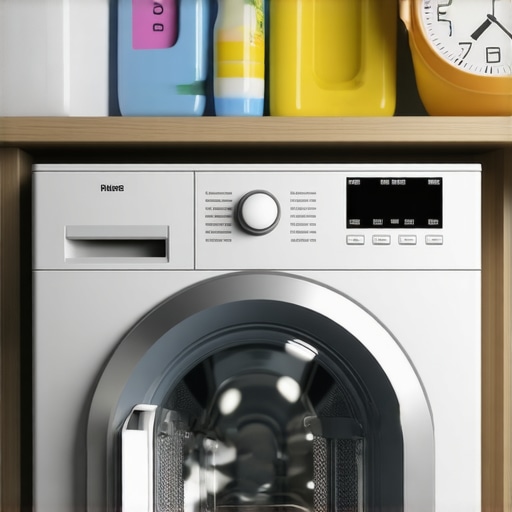
It was a typical Saturday morning when I finally decided to tackle laundry after a long week. I loaded up my washing machine, pressed start, and then watched in disbelief as the cycle clocked into the third hour—an eternity for what should’ve been a quick wash. I remember thinking, “Is my machine breaking down, or am I missing something obvious?” That frustrating experience was a real eye-opener about how confusing and downright puzzling modern appliances can become when they don’t perform as expected. If you’ve ever been caught in this cycle of doubt and frustration, you’re not alone. Today, I’ll help unravel why your washing machine is taking so long and, more importantly, show you how to fix it.
Decoding the Long Laundry Loops
First off, it’s essential to understand that a washing machine running for hours isn’t necessarily a sign of imminent failure. Modern washers, especially high-efficiency models, often include numerous features designed to save water and energy, but these can sometimes backfire, leading to extended cycles. Think about it—those smart sensors and eco-friendly modes are fantastic for reducing your utility bills, but they require additional time to check, rinse, and spin thoroughly. Have you ever wondered if your eco mode is doing more harm than good in terms of time? Well, it might be.
I remember early on making the mistake of assuming my machine was broken and jumping into complex repairs. Instead, I learned that simple habits and settings could dramatically affect cycle duration. For example, an overloaded drum or using inappropriate detergents can cause your washer to work overtime, which is why I suggest starting with the basics. Want to see a quick fix? Try cleaning the filter in your front-load washer—this often helps improve efficiency and reduce cycle times. You can read about the right way to do this without making a mess on this page.
Check and Clean the Filter Regularly
Start by locating and cleaning the lint filter or debris trap, which can become clogged and slow down washing cycles. I once ignored this step, and my machine was stuck running for hours. After removing the filter and rinsing out built-up dirt, the cycle time drastically reduced. To do this safely, turn off the machine, open the panel at the bottom front, and carefully extract and clean the filter. For detailed instructions, visit this guide.
Assess Load Size and Distribution
Overloading or unevenly distributing clothes can cause the washer’s sensors to think the load is larger than it is, prompting longer cycles. Think of the drum as a balanced seesaw; if one side is heavier, the machine works harder to balance, increasing cycle times. During my last wash, I removed some items to create a more balanced load, which sped up the cycle. Always try to keep the load within the recommended weight limit and distribute clothes evenly—this simple tweak can save significant time.
Use Proper Detergent and Detergent Tablets
Incorrect or old detergent can lead to poor dissolving, causing the machine to run longer trying to rinse residual soap. I once used an expired detergent tablet, and it dissolved slowly, extending the wash cycle. Switch to fresh, high-quality detergent, and consider using compatible tablets designed for high-efficiency machines. Check the packaging to ensure it’s suitable for your washer type; sometimes, switching to liquid detergent can make a difference, especially with cold water washes.
Inspect and Clean the Drain Pump and Hose
Obstructions here can cause drainage issues, prolonging the rinse and spin cycles. To inspect, disconnect the machine from power, and locate the drain pump access panel. Remove any lint, coins, or debris. During a memorable weekend repair, I found a small sock jammed in the hose, which caused water to pool. Cleaning this area regularly prevents water from backing up and extending cycle times. For a step-by-step walkthrough, visit this quick guide.
Test the Control Panel and Reset Settings
Sometimes, software glitches cause abnormal cycle durations. Try resetting the machine by unplugging it for 10 minutes, then plugging it back in. In a particularly frustrating evening, this reset cleared a frozen error state, returning the cycle time to normal. Also, verify that the cycle settings haven’t been accidentally adjusted to eco or extended cycles, which are designed to save water but take longer. Refer to your user manual to reconfigure settings properly or visit this resource for smart models.
Maintain and Calibrate for Peak Performance
Over time, sensors and internal components can drift out of calibration, causing inefficiencies. Regular maintenance and calibration ensure accurate cycle times. For smart washers, use the app to check for updates or calibration options. I calibrated my machine’s sensor based on the manufacturer’s instructions, which reduced my cycle by nearly 30 minutes. This proactive step prolongs your washer’s lifespan and keeps laundry time predictable.
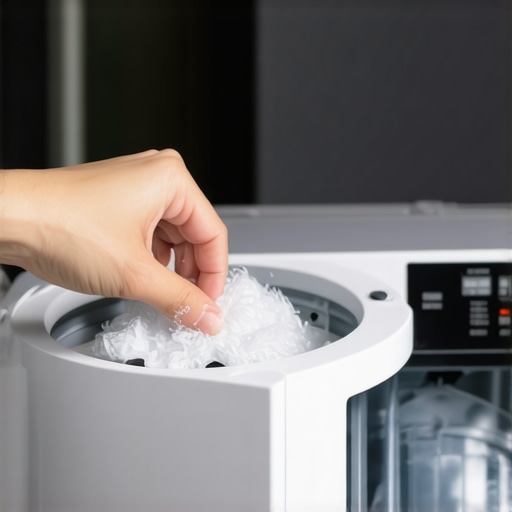 When it comes to home appliances, many homeowners fall prey to myths that cause unnecessary frustration or even damage their devices. One prevalent misconception is that higher-priced appliances always perform better, but in reality, build quality, proper maintenance, and understanding specific features matter more than the sticker price. For instance, some believe that using regular detergent in high-efficiency dishwashers won’t cause issues; however, using the wrong detergent can prevent tablets from dissolving properly, leading to poor cleaning and build-up. To prevent this, always opt for detergents recommended by the manufacturer and avoid shortcuts that seem cost-effective but jeopardize appliance longevity. In the realm of smart appliances, a common mistake is assuming that app connectivity issues are solely device faults. Often, these problems stem from network configurations or outdated firmware, which can be resolved by regular updates or proper Wi-Fi setup. Experts recommend periodically checking for firmware updates and ensuring your device is within the optimal Wi-Fi range.
Why Do Some Appliances Sabotage Their Own Efficiency
It’s counterintuitive, but many high-tech appliances come with sensors and self-diagnostic features designed to optimize performance. When misconfigured or ignored, these sensors can inhibit functionality—think of a refrigerator that continuously defrosts because its temperature sensors are dirty or misreading. Regular cleaning and calibration can prevent this; for example, cleaning the sensors on your refrigerator can be as simple as wiping them with a soft cloth. Ignoring routine maintenance often leads to inefficiency and higher utility bills. Recent studies show that neglecting these nuances accounts for up to 30% of appliance failures within the first five years. Additionally, many users misunderstand eco or energy-saving modes, assuming they are always ideal. While these modes reduce power consumption, they can extend cycle times or reduce cleaning effectiveness if not used appropriately. Reading the user manual or consulting a professional can help optimize their use. Remember, appliances are complex systems; treating them with basic maintenance and understanding can save you money and prevent premature replacements. Have you ever fallen into this trap? Let me know in the comments.
Investing in the Right Tools for Longevity
To ensure your home appliances keep functioning efficiently over the years, investing in quality tools and products is crucial. I personally rely on a combination of high-grade microfiber cloths, a precise multimeter, and specialized cleaning solutions. The microfiber cloths, for instance, are perfect for wiping down sensors and external surfaces without leaving scratches or lint, which can interfere with sensor accuracy. When it comes to electrical issues, a digital multimeter becomes invaluable for diagnosing faulty wiring or components; I use a Fluke model because of its reliability and accuracy, allowing me to identify problems before they escalate into costly repairs.
Additionally, I recommend having a set of compressed air cans and small brushes for cleaning vents, filters, and spray arms—these are often overlooked but play a vital role in long-term performance. Regularly using a cleaning solution designed explicitly for appliance components, such as descaling agents for refrigerators and washing machines, prevents mineral build-up and maintains optimal efficiency.
Utilizing Smart Monitoring and Software
Modern appliances come equipped with diagnostic features and companion apps that offer real-time insights into their health. I’ve found that routinely checking these reports and running built-in diagnostic tests can help catch issues early. For example, my smart washer has a maintenance timer that alerts me when filters or sensors need attention, saving me from unexpected breakdowns. Software updates are another key element—keeping firmware current ensures your appliance benefits from bug fixes, security patches, and performance improvements. I schedule monthly checks for updates through the manufacturer’s app, a simple habit that extends the lifespan of my devices.
Implementing Routine Maintenance Routines
Creating a scheduled maintenance routine is essential for preventing small problems from escalating. This includes cleaning filters, checking door seals, and running calibration cycles when necessary. For refrigerators, I follow the advice from this guide to prevent water leaks, which can indicate increasing issues with drainage or the defrost system. Regular calibration of temperature sensors, especially in smart units, keeps food fresh and prevents energy waste. Make it a habit to inspect and clean these components monthly, and use manufacturer-recommended cleaning products to avoid damage.
Predicting Future Trends in Appliance Maintenance
Looking ahead, I believe the integration of AI and IoT will revolutionize appliance maintenance even further. We can expect appliances to self-diagnose and notify us of issues proactively, perhaps even ordering parts or scheduling repairs automatically. The trend toward smart diagnostics will reduce downtime and extend appliance life significantly, transforming routine maintenance from reactive to predictive.
How do I maintain my appliances over time?
The key is to combine quality tools, routine inspections, and leveraging smart features. Regularly updating software, cleaning components, and addressing issues early ensures your appliances serve you well for years. Try incorporating a digital multimeter check or app-based diagnostics into your maintenance routine to catch problems before they become costly. This proactive approach can save you money and frustration in the long run.
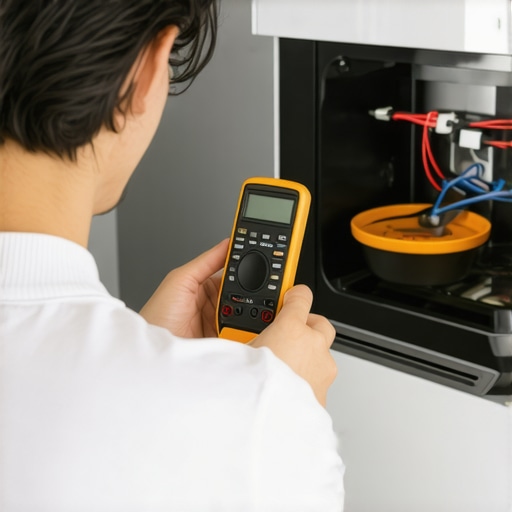
Visual aid: A person using a multimeter to test a refrigerator’s wiring, illustrating proactive maintenance practices.
What I Wish I Knew Before My First Dishwasher Repair
One crucial lesson I learned was that not every squeal or leak indicates a catastrophic failure. Sometimes, a simple filter clean or adjusting a door seal can save hundreds in repairs. Ignoring routine maintenance often leads to unnecessary panic and expense, so paying attention to small signs can keep your appliances humming smoothly.
The Secret of Consistency in Appliance Performance
Using high-quality detergents and regularly calibrating sensors ensures your appliances perform at their best every time. I found that a little proactive effort, like checking app firmware updates for smart washers, extends their lifespan and guarantees optimal results. Think of it as giving your appliance a tune-up, much like a car.
Why DIY Fixes Can Be Game-Changers
Embracing simple DIY repairs, such as cleaning out a clogged drain pump or replacing worn door gaskets, not only saves money but deepens your understanding of your device. I’ve repaired my refrigerator’s water dispenser with a few tools and minimal fuss, which gave me confidence and a better grasp of appliance maintenance.
My Fuel for Future Appliance Care
Investing in a good multimeter and some specialized cleaning solutions has transformed how I approach appliance issues. With these tools, I can diagnose minor faults early and prevent bigger problems—saving time, money, and stress. Regular use of these tools empowers you to be proactive rather than reactive with your appliances.
Designing a Smarter Maintenance Routine
Scheduling monthly checks for filters, sensors, and door seals helps catch potential problems before they escalate. Incorporating these routines into my weekly chores made appliance breakdowns rare and predictable. Remember, consistency in maintenance is the key to long-term appliance happiness.
Resources That Keep Me Ahead in Appliance Care
- Smart Appliance Manuals— They contain valuable calibration tips and troubleshooting steps specific to your model, making DIY fixes safer and more effective.
- Official Manufacturer Websites— Regular firmware updates and maintenance guides ensure your appliances stay in peak condition.
- Online Forums and Communities— Sharing experiences and solutions with others helps uncover tips beyond the manual, fostering a supportive learning environment.
Let Your Appliances Show You the Way
Approaching appliances with curiosity rather than frustration unlocks their secrets and adds years to their life. Whether it’s cleaning a spray arm or resetting a smart fridge, every small action builds confidence and competence. Start today—your appliances will thank you, and so will your wallet.