
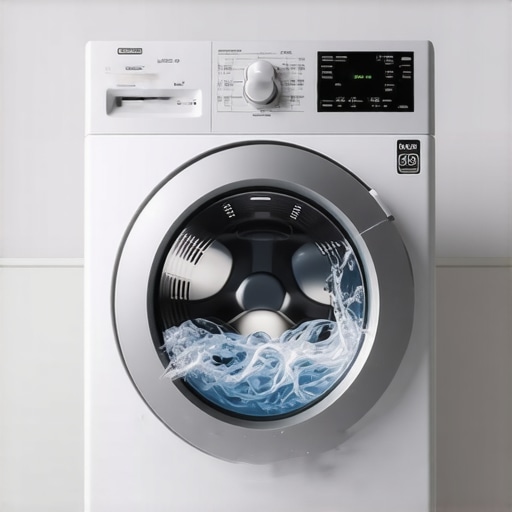
I’ll never forget the day I opened my laundry room and saw my brand-new high-efficiency washer, humming away silently, using barely any water. At first, I felt a twinge of skepticism—how could it possibly clean my clothes well if it was saving water? Plus, I worried about those tiny water levels not being enough to get everything truly spotless. That was my lightbulb moment—realizing that my assumptions about washing power and water use needed a serious rethink.
The Secret Behind Less Water and Cleaner Clothes
Today, I want to share what I’ve learned since then about these modern marvels, and how they actually benefit us. High-efficiency washers aren’t cutting corners; they’re leveraging advanced technology to use less water while still delivering excellent cleaning results. Instead of flooding your laundry with gallons of water, these machines use carefully controlled amounts combined with powerful, efficient detergents, and innovative wash mechanisms to tackle dirt like a champ. Think of it like giving your clothes a spa treatment—less water, more care, better clean.
Is Saving Water Actually Worth the Hype?
Early in my journey with these appliances, I made a mistake I want to help you avoid—assuming that less water meant less cleaning power. That false assumption nearly made me question whether I’d wasted my money. Turns out, I was wrong. According to the Environmental Protection Agency, high-efficiency washers can use up to 50% less water than traditional models, all while maintaining or even improving cleaning performance. It’s a game-changer, especially if you’re concerned about wasting resources but still want your clothes be fresh and bright.
Have you faced struggles with your old washing machine’s water usage or cleaning results? If so, you’re not alone. Luckily, understanding how these new washers operate can reshape your expectations and help you get the most out of your appliance. Next, I’ll walk you through the practical steps to maximize water efficiency and ensure your laundry comes out spotless every time.
But before we dive into those tips, let’s clear up some common doubts and fears about these smart, water-saving machines.
Adjust Your Load Size for Optimal Water Use
During my first experiment with my new high-efficiency washer, I recall tossing in an oversized load that I thought would save time. However, the machine struggled to distribute water evenly, leading to incomplete rinses. To prevent this, always match your load to the recommended capacity, avoiding overloading or underloading. Think of your washer like a teeter-totter; balance the weight properly to ensure maximum efficiency and thorough cleaning.
Use the Correct Detergent and Amount
Initially, I flooded my machine with too much detergent, thinking more equals cleaner. This not only wastes soap but can cause build-up and residue. Switch to high-efficiency (HE) detergents, which are formulated to work with less water, and measure precisely. Just like watering a plant, overwatering doesn’t make it grow faster; it can damage it. Proper detergent use ensures cleaner clothes and less water waste.
Choose the Right Wash Cycle
My mistake was selecting heavy-duty cycles for delicate items, which demand less agitation and water. Modern washers have specialized cycles—use the eco-friendly or quick wash options for lightly soiled clothes. This is akin to choosing a gentle jog instead of a marathon; both get you to the finish, but the effort and resources differ. Applying the appropriate cycle minimizes water use while maintaining cleaning power.
Leverage Eco Modes on Your Washer
One of the most effective steps I took was activating the eco mode, which adjusts water levels and cycle time automatically. These modes utilize smart algorithms that optimize water and energy consumption without sacrificing cleaning quality. Think of eco mode as a savvy driver who knows when to accelerate or brake—maximizing efficiency effortlessly. For detailed insights on maximizing your appliances’ eco features, check out this guide.
Inspect and Maintain Your Machine Regularly
In my experience, neglecting maintenance led to poorer performance, requiring more cycles and water. Clean the lint filter and drum regularly, and check for clogs or leaks. For example, I once found a small blockage in the drain hose that was causing water to cycle repeatedly, wasting resources. Think of your washer like a car engine; regular tune-ups keep it running smoothly and efficiently. For tips on maintaining your washer’s health, visit this troubleshooting article.
Implement Load Sorting Strategies
Sorting clothes by weight and soil level helps your washer adjust water levels more precisely. I once tossed a handful of heavily soiled jeans with lightweight shirts, leading to uneven rinses and water wastage. Instead, I now separate laundry into groups, allowing the machine to set optimal water levels per load. Imagine a chef preparing ingredients separately to cook perfectly—your washer operates better when loads are tailored to their needs. This strategy enhances cleaning and conserves water.
Optimize Your Washing Schedule
Running smaller loads more frequently can sometimes use more water overall. I found that batching laundry, especially during off-peak hours, allows my washer to operate at its most efficient setting, reducing unnecessary water use. Plus, it prevents me from running multiple cycles for tiny loads. Think of it as shopping in bulk—you save trips and resources. For more on scheduling for efficiency, explore this integration guide.
By following these actionable steps, you harness your high-efficiency washer’s full potential—saving water, energy, and money, all while keeping your clothes fresh and spotless. Remember, small adjustments lead to significant benefits over time, turning your laundry routine into a sustainability-conscious habit.
,
Many homeowners believe that newer or more advanced appliances automatically mean better performance or greater efficiency. However, this common assumption often leads to overlooked nuances that can significantly impact your appliance’s lifespan and effectiveness. For instance, people tend to think that all smart features are essential, but in reality, some can complicate maintenance or even cause compatibility issues. It’s crucial to understand that not every tech upgrade provides a meaningful benefit, and in some cases, it may introduce unnecessary complexity.
One of the most widespread myths is that larger capacity always equates to better utility. In truth, oversizing appliances like washing machines or refrigerators can result in higher energy consumption and inefficient operation, especially if you frequently run small loads. For example, a huge fridge might seem advantageous, but without proper organization, it can waste energy by maintaining a larger cooling zone than needed. To optimize your appliances, it’s essential to match their size and features to your actual needs, rather than assuming bigger is better.
Beware the Hidden Maintenance Traps that Even Experts Sometimes Miss
Advanced appliances often come with sophisticated systems that require diligent maintenance, yet many users neglect this aspect. A common mistake is ignoring regular cleaning of filters, drains, or sensors—thinking that the device will automatically self-maintain. For example, failing to clean your dishwasher’s spray arms or filters can lead to poor cleaning performance over time, which might be misinterpreted as a malfunction. Regular upkeep, as outlined in this guide, is key to preventing costly repairs and ensuring longevity.
Moreover, many overlook the importance of software updates in smart appliances. Updates often contain essential bug fixes and security patches that keep your devices running smoothly. Ignoring these can expose your system to vulnerabilities or degrade functionality. Staying on top of firmware updates is a subtle but critical step that even seasoned users sometimes forget, yet it can dramatically improve device performance.
Are you aware of how small habits can lead to big savings or prevent damage? For instance, just like how proper maintenance prevents odors, regular attention to details like load sizes and cycle selection can extend your appliance’s life and efficiency. Remember, the devil is in the details—overlooking them might cost you in the long run. Let me know in the comments if you’ve ever fallen into this trap!
Finally, staying informed about the latest technological nuances makes a difference. For example, understanding how dishwasher technology evolves helps you troubleshoot issues more effectively and avoid unnecessary replacements. Staying proactive with maintenance and updates, rather than reactive, empowers you to get the most out of your appliances and keeps your household running smoothly.
Investing in the Right Maintenance Tools
To ensure your appliances operate efficiently over the years, I rely on a few specialized tools that make routine maintenance straightforward and effective. For instance, I use a high-quality digital gasket scraper to gently remove mold and residue from rubber seals on front-loading washers, preventing odors and mold buildup. Additionally, a compact ultrasonic cleaner is fantastic for deep-cleaning dishwasher spray arms and nozzles, ensuring optimal water flow and cleaning performance. These tools save me time and help maintain appliance longevity without costly professional help.
Software and App Management for Smart Devices
Managing smart appliances effectively involves more than just hardware; it requires proper software handling. I recommend using a dedicated app for your smart refrigerator or washer, enabling you to schedule maintenance alerts and firmware updates. For example, regularly checking for updates through the official app ensures your device benefits from the latest features and security patches. Staying current with software updates can prevent bugs that might affect performance and efficiency.
Routine Inspection to Prevent Costly Breakdowns
Establishing a routine inspection schedule can help catch issues before they escalate. I set a monthly reminder to check filters, drains, and hoses—like inspecting my dishwasher’s small drain holes for clogs. A quick glance can reveal signs of wear or blockage, which if ignored, could lead to leaks or complete appliance failure. Regularly cleaning lint filters on dryers or defrosting freezer coils also contributes to more efficient operation and longer appliance life.
Scaling Your Setup to Match Growing Needs
As your household grows, scaling your appliances smartly can provide long-term savings. Upgrading to a modular smart kitchen system allows seamless integration and remote monitoring, making scaling easier. For example, adding a second washing machine or a larger refrigerator during renovation ensures your appliances meet increased demand without sacrificing efficiency. These investments pay off by reducing energy consumption and maintenance costs over time.
Predicted Trends and Long-Term Outlook
Looking ahead, I believe the integration of AI-driven diagnostics will become standard, alerting homeowners to issues before they manifest. Imagine a refrigerator that detects a faulty sensor and schedules a repair automatically—no more surprise breakdowns. This proactive approach will make appliance maintenance more manageable and less costly. To future-proof your appliances, consider tools that support firmware updates and remote diagnostics now—like the latest smart management apps.
How Do I Maintain My Appliances for Long-Term Success?
The key to longevity is consistent, proactive maintenance combined with the right tools. Regularly cleaning filters, updating software, and inspecting critical parts can prevent major failures. Start by investing in specialized cleaning tools like ultrasonic cleaners or gasket scrapers, and use their benefits to keep your appliances in top shape. For example, try cleaning your dishwasher spray arms with an ultrasonic device this week—it’s quick, effective, and can significantly improve performance. Small daily habits, paired with the right equipment, ensure your appliances serve you well for years to come.
The Hardest Lesson I Learned About Home Appliances
My biggest realization was that even the most advanced appliances require diligent maintenance to perform at their best. Ignoring simple upkeep like cleaning filters or inspecting hoses can turn a smart, water-saving washer into a source of frustration. This taught me to embrace routine checks as an investment in longevity and efficiency.
Mythbusting My Way to Better Appliance Use
I once believed that bigger refrigerators meant better organization and efficiency, but I learned that size can be a double-edged sword. Oversized units waste energy if not properly managed, and smaller, well-organized fridges can actually save more resources. It’s all about matching your appliance to your actual needs.
When Tech Overcomplicates Simplicity
Using my smart appliances taught me that not every feature is necessary—sometimes, less is more. I used to obsess over every app notification, but I found that disabling unnecessary alerts and sticking to essential functions made my experience smoother and less stressful. Less clutter, less stress, smarter living.
Where My Knowledge Gaps Still Need Filling
I’m still learning about the tiny details that make a big difference—like the importance of firmware updates or how to properly calibrate temperature sensors. Staying informed through trusted sources like these updates has saved me from costly repairs and inefficiencies.
Transform Your Appliance Routine Today
Armed with these personal insights, I encourage you to take proactive steps in caring for your appliances. Regular maintenance, thoughtful feature use, and ongoing education can dramatically extend their lifespan and performance. Your home will run smoother, and your wallet will thank you.
What’s one appliance habit you’re planning to change today? Share your thoughts below—I’d love to hear your journey towards smarter appliance care.