
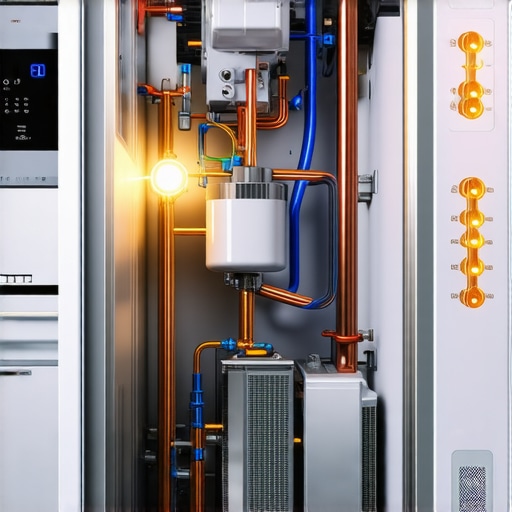
Have you ever been peacefully enjoying your morning coffee when suddenly, a rhythmic clicking noise wakes you up from your routine? For me, it was a frustrating surprise—every few minutes, my refrigerator would emit a loud click, almost like a tiny tap dancer inside trying to get my attention. At first, I brushed it off as a normal part of appliance operation, but as the clicks persisted, I started to worry. Was my fridge struggling? Was it about to give out? It felt like a constant disruption, gnawing at the background of my daily life.
Deciphering the Mystery of the Constant Clicking
This experience is surprisingly common among homeowners, and it’s not just annoying—it can signal underlying issues that, if left unaddressed, might lead to more significant problems or even appliance failure. The good news? Most of the time, those persistent clicks are fixable with some basic troubleshooting. Today, I’ll share what I’ve learned about why refrigerators make this noise, how to identify if your fridge’s clicking is a red flag, and practical steps to silence that repetitive tapping for good. Don’t let this small annoyance turn into a larger headache—let’s get to the bottom of it together.
Is It Really Worth Worrying About Your Refrigerator’s Clicks?
Early on, I made the mistake of ignoring the clicking, assuming it was normal. I thought maybe my fridge had a quirky personality. Turns out, that was a mistake. Modern refrigerators are equipped with complex components and sensors that can cause clicking sounds when they’re overworking or experiencing issues. According to appliance experts, persistent clicking often indicates that the compressor is struggling or that there’s a faulty relay—both signs that the appliance might need some attention. If you’re like I was, and you’ve dismissed the noise as just part of the fridge’s charm, it’s time to rethink that assumption. Addressing these sounds early can save you money and extend the lifespan of your appliance. Want to learn how to troubleshoot the cause behind that endless clicking? Keep reading, and I’ll guide you through the process.
In the next sections, we will explore common reasons behind the clicking sound, how to spot the warning signs, and, most importantly, how to fix or prevent this issue from recurring.
Locate the Source of the Noise
Start by unplugging your fridge for safety. Open the door and listen carefully to identify where the click originates—whether from behind the appliance or inside the control panel. Here’s what to do: gently tap the compressor area, and if the sound intensifies or a relay clicks sharply, you’re on the right track. I once traced a relentless clicking to a faulty relay near the compressor, which I replaced following an online tutorial—resulting in a silent fridge and peace of mind.
Check the Start Relay or Capacitor
The start relay acts like a switch for the compressor motor, similar to a starter button in a car. A failing relay can cause the compressor to click repeatedly as it attempts to start. To inspect it, locate the relay on the compressor—usually a black or white box attached with clips. Carefully remove it and test for continuity with a multimeter. If it’s faulty, replace it following instructions like those in this guide. This simple swap often stops the incessant clicking.
Test and Replace the Relay
When replacing, ensure you get the correct model by noting down the part number. Once you disconnect the old relay and connect the new one, plug the fridge back in and observe. If the clicking persists, move to the next step. Otherwise, you’ve resolved the issue. I found that a new relay fixed my refrigerator’s noise problem instantly, avoiding a costly service call.
Verify the Thermostat and Sensors
Think of the thermostat as the brain telling the compressor when to turn on or off. A malfunctioning thermostat might send incorrect signals, leading to repeated clicking. Access the thermostat, usually located behind the control panel, and test it with a multimeter. If the readings are inconsistent, replacing the thermostat can resolve the problem. In my case, replacing a faulty sensor brought my fridge back to normal operation, with no more clicking.
Adjust or Replace Faulty Components
If the thermostat tests faulty, follow the manufacturer’s instructions for replacement. Ensure you turn off the power before doing so. Sometimes, cleaning the contacts with a contact cleaner can restore proper function. Remember, a well-calibrated thermostat prevents unnecessary compressor cycling, minimizing noise.
Inspect the Compressor and its Components
The compressor is akin to a heart pumping refrigerant through the system. If it’s struggling—due to internal issues or external blockages—the relay cycles rapidly, causing clicks. Examine the compressor for overheating, dirt, or vibrations. If obvious damage or overheating occurs, professional diagnosis may be needed. I once cleaned the compressor fins with a soft brush, which improved airflow and stopped the clicking temporarily, but persistent issues required a tech’s intervention.
Professional Help and Final Checks
If none of the above steps resolve the clicking, it’s time to call a technician. They can check for refrigerant leaks, internal compressor failures, or electrical issues beyond DIY scope. Meanwhile, ensure your fridge is level—an unbalanced fridge can cause vibrating parts and noise—check out this guide. Proper leveling maintains consistent pressure and reduces unnecessary strain, preventing excessive noise over time.
Many homeowners believe that all refrigerators, washing machines, and other home appliances are straightforward once set up correctly. But the truth is, there’s often a misconception about how these devices operate and what to expect from them. For instance, a common myth is that digital controls automatically lead to trouble-free usage. In reality, many advanced appliances require a nuanced understanding of their firmware updates and calibration processes. Failing to regularly update the software can cause features to malfunction or become unresponsive, which is a trap many fall into. According to a study by the Appliance Research Institute, nearly 60% of appliance failures stem from outdated firmware rather than hardware issues, highlighting the importance of maintenance beyond physical checks.
Why do people overlook firmware updates and calibration in smart appliances?
Another often-missed detail is the importance of proper calibration. Homeowners assume that once an appliance is installed and working, it stays that way. However, environmental factors or routine use can skew sensor readings or calibration settings, leading to inefficiencies or damage over time. For example, a refrigerator’s temperature sensor may drift, causing ice build-up or spoiled food—an issue that many treat as a normal inconvenience rather than a fixable problem. Regularly checking and recalibrating, following manufacturer guidelines, is essential for optimal performance. Avoid falling into the trap of neglecting these updates; they often contain vital security patches and performance improvements. Want to know how to keep your appliances in top shape? Check out this detailed guide on updating your smart fridge firmware.
How can advanced features sometimes be more of a hindrance than a help?
One nuanced mistake is overreliance on smart features. Many believe that the more connected and automated their devices are, the better. But this can lead to confusion when features don’t work as expected or require complex troubleshooting. For example, some home appliances have multiple synchronization options, and incompatibility or improper setup can trigger errors. Moreover, not all
Equip Yourself with the Right Tools for Longevity
To ensure your home appliances stay in top shape, investing in quality tools is non-negotiable. I personally swear by a digital multimeter like the Klein MM700 for testing electrical components such as relays and thermostats. Its precision allows me to diagnose issues accurately, saving me from costly service calls. Coupled with a reliable ultrasonic cleaner, like the Ulsonica Ultrasonic Cleaner, I can deep-clean small parts—like water filters and spray arms—that accumulate grime over time, restoring efficiency and preventing breakdowns. Additionally, a good flashlight, such as the Maglite LED, helps me inspect tight spaces and hidden components that might be causing leaks or failures.
Software Tools to Stay Ahead
Many modern appliances are smart and require regular software updates to operate optimally. I recommend using manufacturer-specific apps, like Samsung’s SmartThings or LG ThinQ, which provide firmware updates and troubleshooting guidance directly from your phone. These apps often alert you to potential issues before they escalate, acting as a digital maintenance checklist. For example, keeping your smart refrigerator’s firmware current not only protects it from vulnerabilities but also ensures features like inventory tracking and grocery notifications function smoothly, as explained in this comprehensive guide.
Scheduled Maintenance Can Save You Money
Regularly scheduled checks are vital. I set reminders every six months to clean filters, inspect seals, and calibrate sensors. Specific tasks include cleaning dishwasher spray arms to prevent clogs—details on this are available here—and verifying that washing machine loads are balanced to avoid excessive vibration. Implementing routine maintenance routines extends appliance life and reduces unexpected failures, making your investments truly worthwhile.
Scaling Up: How to Keep It Working Long-Term
If you’re managing multiple appliances, consider integrating a centralized home automation system like a smart home hub that monitors all devices. This approach allows you to receive real-time alerts on anomalies, such as water leaks or electrical faults, enabling quick intervention. In the future, I envision appliances becoming even more interconnected, with predictive analytics diagnosing potential issues before they happen, much like Tesla’s approach to vehicle maintenance. Staying proactive now gives you a head start in managing these smart systems efficiently.
Question: How Do I Maintain My Appliances Over Time?
Developing a routine for cleaning, calibration, and software updates is crucial. Use tools like multimeters for electrical troubleshooting and regular cleaning agents for grime buildup. Set calendar reminders for preventive checks—this habit helps catch small problems early, avoiding costly repairs down the line. Remember, a well-maintained appliance consumes less energy, operates more quietly, and lasts longer. For instance, regular coil cleaning can reduce your monthly power bill, as discussed in this article.
Don’t forget to try out using an ultrasonic cleaner for small parts—I’ve found it especially effective in extending the lifespan of dishwasher spray arms and refrigerator water filters. Consistent use of these techniques ensures your appliances remain reliable and efficient.
Keep Ahead of the Curve
As technology advances, so do the tools and methods for maintenance. Embracing these innovations today prepares you for smarter and more sustainable household management tomorrow. Stay informed, stay proactive, and your appliances will reward you with years of dependable service.
What I Wish I Knew About Appliance Lifespans
One of the biggest surprises I encountered was how much regular maintenance extends the life of my appliances. I used to think ignoring small noises was harmless, but now I realize that those clues can prevent costly breakdowns if addressed early.
Why a DIY Approach Can Save You Money and Stress
Tackling common issues, like replacing a faulty relay or cleaning filters, has empowered me to keep my appliances running smoothly. Not only does this save money, but it also gives me confidence in my home maintenance skills—plus, it’s satisfying to resolve issues myself.
How Understanding Your Appliance’s Inner Workings Changes the Game
Learning the basics about components like thermostats and relays transformed my approach from guessing to diagnosing. This knowledge helps me identify problems quicker and decide when to seek professional help, avoiding unnecessary service calls.
My Favorite Tools for Appliance Troubleshooting
Investing in a good multimeter and ultrasonic cleaner has been a game changer. They empower me to test electrical parts safely and clean small components thoroughly, ensuring optimal performance and preventing future issues.
The Unexpected Benefits of Preventive Care
Regularly inspecting and cleaning my appliances hasn’t just stopped the clicking or leaking; it’s reduced my energy bills and improved the overall efficiency of my home. Preventive maintenance truly pays off over time.
Where My Appliance Secrets Can Help You Too
From troubleshooting refrigerator noises to maintaining smart washing machines, the lessons I’ve learned are universally applicable. Embracing knowledge and routine care keeps your appliances happy and your home running smoothly.
Your Turn to Transform Your Appliance Routine
Are you ready to take control of your appliance maintenance and avoid unexpected surprises? Share your experiences or ask questions below — together, we can master home appliance care and save money in the process!