
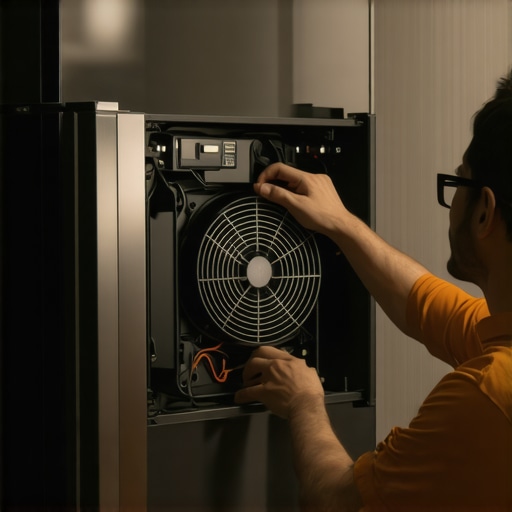
Ever since I moved into my new apartment, I couldn’t believe how peaceful everything was—until I heard it. That constant, maddening whirring coming from my refrigerator at 2 a.m., like a tiny jet engine trying to take off in my kitchen. At first, I thought it was a temporary glitch, maybe something needing a reset. But nope, it was the fan motor relentlessly humming, disrupting my sleep and turning my home into an intrusive symphony of noise. Sound familiar? If your fridge’s fan motor is making you wish you could turn down the volume on your appliances, you’re not alone. I’ve been there, and let me tell you—there’s hope.
How to Silence a Noisy Refrigerator Fan Motor Without Calling a Technician
Is It Really Worth the Hype or Just a Waste of Time?
In my early attempts, I made the mistake of thinking that buying a new fridge or calling in help was the only solution. I learned that sometimes, the fix is surprisingly simple and cost-effective. The key is understanding what’s causing the noise and how to address it safely. Did you know that a loud fan could be due to dirt buildup, misaligned blades, or worn-out bearings? According to appliance repair experts, many noise issues are user-fixable with a little bit of patience and care. For example, I discovered that cleaning and lubricating the fan motor made an immediate difference. Trust me, skipping troubleshooting and jumping straight to replacements can be both expensive and unnecessary.
Are you tired of losing sleep over a noisy fridge? Or maybe you’re fed up with the constant humming disrupting your daily routine? Well, I promise that by the end of this guide, you’ll have practical steps to quiet down that annoying fan and restore peace to your home. Ready to silence the beast?
Power Off and Unplug Your Refrigerator
Before diving into any repairs, ensure safety by disconnecting the fridge from the power source. Just like turning off a computer before cleaning its internals, cutting the power reduces the risk of electrical shocks and accidental damage. This step may seem obvious, but it’s essential for a safe workspace. I remember a time I forgot to unplug my fridge and got a mild shock while lifting the panel—lesson learned the hard way.
Access the Fan Motor Safely
Locate the back panel of your refrigerator, usually at the bottom. Use a screwdriver to remove the screws securing the panel, exposing the fan assembly. Think of it as opening the hood of a car to see its engine—careful and deliberate. Keep track of all screws and parts. I’ve accidentally dropped a screw into the compressor area before, which took some patience to retrieve.
Clean the Fan Blades and Surroundings
Use a soft brush or cloth to remove dust, debris, and grease from the fan blades. Dirt buildup resembles experience with a window fan—clogged blades wobble, causing noise. For stubborn grime, a damp cloth with mild soap works wonders. In my previous attempt, I used a vacuum to suck out stubborn dust, but be cautious not to bend the blades. Cleaning reduces imbalance, a major cause of noise, and prolongs the fan’s lifespan.
Lubricate the Fan Motor Bearings
If the fan squeaks or makes grinding sounds, the bearings might need lubrication. Locate the small oil ports on the motor, often at the ends. Use a few drops of lightweight machine oil to lubricate—think of it like adding oil to a squeaky door hinge. I once applied household oil that was too thick, which made the problem worse; so, precision is key. Proper lubrication minimizes friction and prevents grinding noises.
Check Fan Blade Alignment
Ensure the blades are straight and not hitting other components. Misaligned blades wobble and cause rattling. Gently realign if needed, like fine-tuning a picture frame. If blades are bent or broken, replacement may be necessary. During a repair, I discovered a loose fan blade that was wobbling violently—tightening it instantly silenced the racket.
Replace Worn-Out Components When Necessary
If cleaning and lubrication don’t fix the noise, the motor or bearings might be at fault. Consider purchasing a compatible replacement from the manufacturer or a trusted parts supplier. Installing a new fan motor can be straightforward if you follow the wiring diagram carefully. I replaced my fan motor using online tutorials, and the quiet hum was a relief. For detailed guides, check out this comprehensive article on refrigerator troubleshooting.
Reassemble and Test
After completing the cleaning, lubricating, and replacing steps, reattach the panel securely. Plug in your refrigerator and listen carefully. The difference should be night and day—silent operation replacing the previous loud humming. It’s satisfying to restore peace without calling a technician or buying a new appliance. Remember, regular maintenance can prevent future noise issues, keeping your fridge humming softly for years to come.
<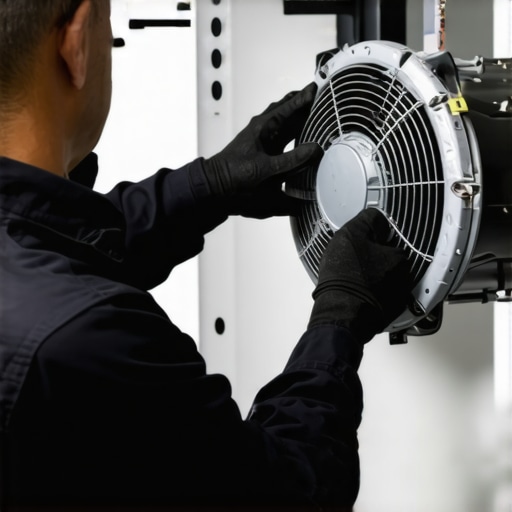 >When it comes to household appliances like dishwashers, washing machines, and refrigerators, many homeowners believe they understand their basic functions but often miss crucial nuances that can affect performance and longevity. A common misconception is assuming that these appliances are entirely maintenance-free; however, neglecting periodic checks can lead to costly repairs. For instance, many assume that dishwashers automatically remove every stain or residue, but experts reveal that using the correct detergent and loading properly are vital for optimal cleaning [source](https://smartappliancereview.com/why-your-dishwasher-leaves-your-glasses-looking-cloudy-and-spotted). Additionally, people tend to overestimate the energy savings from eco modes, not realizing they sometimes compromise cleaning effectiveness or extend cycle times, which may negate energy benefits [source](https://smartappliancereview.com/how-much-money-does-eco-mode-actually-save-on-your-utility-bill). Beyond these myths, understanding advanced features like smart integration can be tricky; many believe smart appliances always work flawlessly, but connectivity issues are common, especially if your Wi-Fi setup isn’t optimized [source](https://smartappliancereview.com/why-your-smart-home-integration-keeps-dropping-the-fridge-connection).
A critical nuance that’s often overlooked is the importance of calibrating sensors and settings regularly. For example, refrigerator temperature sensors can drift, leading to uneven cooling or excess energy consumption if not recalibrated periodically. This highlights why routine maintenance and calibration are essential to prevent issues that most people only begin to notice when appliances start malfunctioning. Did you know that a miscalibrated fridge can cause your vegetables to freeze or spoil faster? Regular checks can save you money and extend appliance life.
Let’s address a common trap: assuming high-end models are inherently more reliable. In reality, lower-end brands sometimes provide better durability if properly maintained, as they have simpler mechanisms. Conversely, premium appliances with complex features may require specialized troubleshooting, which not everyone is equipped for. This underscores the importance of understanding the actual internal mechanics rather than relying solely on brand reputation.
Finally, mastering the intricacies of appliance maintenance can significantly enhance efficiency. For example, regularly cleaning dishwasher spray arms and filtering systems ensures spotless dishes and prevents clogs. Similarly, understanding the role of proper detergent dosing and cycle choices in washing machines can prevent fabric damage or residue buildup. Smart tech can assist in this, but manual checks are still crucial.
In summary, many household appliance misconceptions stem from oversimplification—believing that features or brand names guarantee performance without ongoing attention. Digging deeper into the nuances of your appliances can prevent common pitfalls and maximize their lifespan. Have you ever fallen into this trap? Let me know in the comments.Maintaining your household appliances requires more than just occasional cleaning; it involves the right tools, consistent routines, and understanding when to upgrade or replace parts. Personally, I rely on a few specialized tools that have made long-term maintenance straightforward and cost-effective. One essential item is a digital multimeter. I use mine to check for electrical issues, ensuring that components like thermostats or motors function correctly without guesswork. By regularly testing these parts, I can catch potential failures early, preventing costly repairs.
Another invaluable tool is a set of precision screwdrivers. Appliances often have tiny screws that secure panels or components. My magnetized screwdriver set helps me remove and replace these without losing any parts, especially important when working in tight spaces or on delicate connections. Additionally, I swear by a quality vacuum with a crevice attachment to clear dust from vents, fans, and filters, which is crucial for appliances like refrigerators and washing machines that rely on proper airflow.
For cleaning stubborn residues or buildup, I turn to a microfiber cloth combined with a gentle, appliance-safe cleaning solution. Investing in a dedicated brush for cleaning spray arms of dishwashers or filters in washing machines makes routine maintenance more effective and less time-consuming. Regularly inspecting and cleaning these parts not only keeps appliances running at peak efficiency but also extends their lifespan.
Looking ahead, I predict that smart diagnostics and IoT integration will become even more prevalent, providing real-time alerts for maintenance needs. This future shift will likely make proactive care more accessible, reducing the likelihood of breakdowns and emergency repairs.
So, how do I keep my appliances running smoothly over the years? The key is combining the right tools with a disciplined, routine maintenance schedule. For example, I highly recommend using a multimeter to verify electrical connections—it’s inexpensive and offers peace of mind. As a practical step, try calibrating your smart appliances periodically. For instance, properly calibrating your smart oven ensures consistent cooking results, saving you both time and energy. You can find step-by-step calibration guides at this link. Incorporate these tools and practices into your routine, and you’ll see a noticeable difference in appliance performance and longevity.
Lessons Never Shared in Appliance Manuals
One of the biggest lightbulb moments for me was realizing that many appliance issues stem from overlooked calibration — a step I once thought was only for professional technicians. Discovering how to calibrate my smart oven to achieve perfect cooking results opened a new world of precision and prevented costly replacements.
I also learned that not all dripping sounds or vibrations mean disaster. Often, these are simple fixes like realigning or replacing worn gaskets, which I initially dismissed as too complex. Embracing patience and a bit of DIY spirit transformed my approach to home maintenance.
Another invaluable lesson was understanding how regular cleaning and lubrication can extend the life of even high-end appliances that people assume are ‘set and forget.’ The secret is staying proactive rather than reactive, saving money and frustration in the long run.
Tools and Tips That Changed My Maintenance Game
My essential toolkit includes a digital multimeter for early fault detection, a set of precision screwdrivers to handle tiny components with care, and a microfiber cloth paired with gentle cleansers for routine upkeep. These simple tools empower me to troubleshoot issues before they escalate.
For deep cleaning, I rely on a small brush designed for appliance parts and a guide on how to calibrate sensors—like the one available for smart fridges. Trusted sources like this calibration guide have become my go-to references, making complex tasks approachable.
Looking ahead, I believe that mastering these practical skills will make your experience with home appliances more satisfying and less costly. Don’t underestimate the value of proactive maintenance—your appliances will thank you with years of reliable service.
Seize Control and Keep Your Home Running Smoothly
Your home appliances are more than just tools — they are investments that reward diligent care. By applying the lessons learned and tools trusted by experienced DIYers, you’ll gain confidence in maintaining your appliances effectively. Take the first step today: start inspecting, cleaning, and calibrating your devices, and watch your home become a quieter, more efficient sanctuary.