
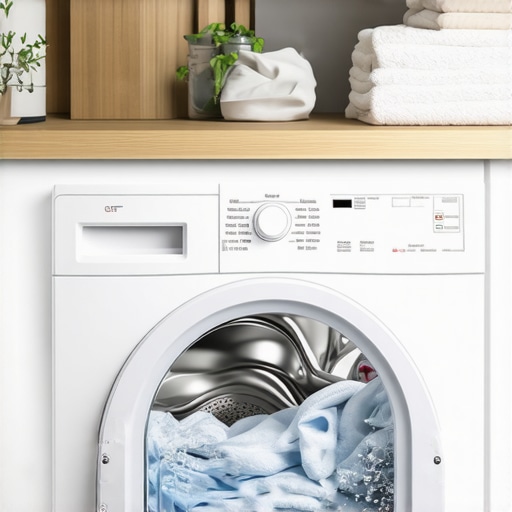
Have you ever loaded your washing machine with what seemed like a perfectly reasonable amount of laundry, only to find the water level so low that your clothes barely got wet? I remember the first time this happened to me. I was in a hurry, tossing in a load of my favorite jeans and towels, expecting everything to get thoroughly clean. But when I opened the lid mid-cycle, only a few centimeters of water covered the drum. Frustrating, right? That little moment of disbelief made me realize I wasn’t alone—many homeowners face this perplexing issue without understanding why it happens or how to fix it.
The Frustration of Wasted Loads and Bad Cleaning
This low water level isn’t just an annoyance; it can seriously impact how well your clothes come out. Insufficient water means detergents don’t evenly distribute, and clothes may not rinse properly. Plus, it can lead to longer wash cycles or, worse, clothes that still smell or look dingy. And you’re left wondering—what’s going on with my washer? Is it broken, or am I doing something wrong? If you’re nodding in agreement, you’re not alone. I’ve been there, too, and I’ve learned it’s often something fixable, not a sign of a dying machine.
Are Manufacturers Overhyping Smart Features at the Expense of Basic Needs?
Early on, I made the mistake of assuming that new, fancy washers with their endless cycle options and smart sensors would automatically optimize water use. However, I soon discovered that many modern machines are designed to limit water levels deliberately to save energy and water—sometimes to the point of causing issues with larger loads. Initially, I thought my machine was malfunctioning, but it was just the machine working within its energy-efficient parameters. That’s when I started digging into how these settings and features influence water levels.
Surprisingly, according to expert reviews, many newer models are programmed to use less water, which can be counterproductive if you’re not aware of how to manage their settings. So today, I promise to help you uncover reasons why your washer’s water level might be too low and, more importantly, how to fix or adapt to these issues.
Ready to stop guessing and start fixing? Let’s dive into the real causes behind this frustrating problem and what you can do about them.
,
Check the Water Supply and Hoses
Start by inspecting the water supply valves behind your washing machine. Turn them off, then disconnect the hoses to examine for kinks, clogs, or leaks, just like a plumber would check for blockages in a pipe. A simple obstruction here can restrict water flow, leading to low water levels. Turn on the water to see if it streams freely. If not, clear any debris or replace faulty hoses. Remember, a clogged supply is like a narrowed artery—your machine won’t get enough blood—or in this case, water—to operate properly.
Clean or Replace the Inlet Filters
Inside the inlet valve screens, dirt or mineral deposits can accumulate over time, acting like a sieve blocking water flow. To access them, turn off the water, loosen the inlet screens with pliers, and rinse them under running water. If they’re damaged or heavily clogged, replace them. Think of these filters as the bouncers of your water club—they decide who gets in, and if they’re blocked, water can’t enter adequately. Regular cleaning ensures unobstructed water flow, much like maintaining clean filters in your fridge to keep the ice maker working smoothly.
Verify the Water Level Sensor
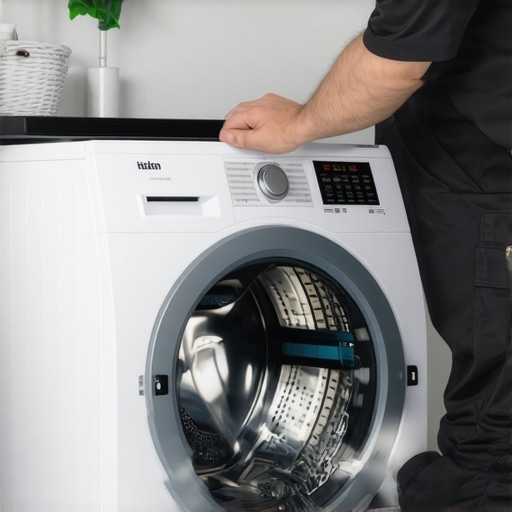
The sensor communicates with your machine to tell it how much water to fill. If it malfunctions, the washer might think enough water has been added, even when it hasn’t. To test this, locate the sensor—often a small device or float assembly—and gently clean it with a soft cloth. If cleaning doesn’t help, consider replacing the sensor or consulting a technician. This component is akin to a thermometer in your fridge; if it’s faulty, your appliance can’t gauge internal conditions properly, leading to issues like low water levels.
Check the Water Level Control and Pressure Switch
This component tells the machine when to stop filling. Remove the control panel following your model’s instructions, and inspect the pressure switch and hoses for damage or disconnection, similar to checking the vacuum lines in a car. Use a multimeter to test the switch’s continuity; if it shows no connectivity, replace it. Think of this switch as the decision-maker in the water filling process—if it misreads, your washer will think it’s full too soon, preventing proper water intake.
Test the Control Board or Microchip
If all else looks fine, the problem might stem from the control board—consider it the brain of your washer. Begin by resetting the machine: unplug it for 5 minutes to clear any glitches. If problems persist, use a multimeter to check the control board’s power outputs or seek professional diagnostic. This step resembles troubleshooting a computer that’s freezing—sometimes, a simple reset or software update restores normal function. Faulty control boards can cause the washer to fill with minimal water, similar to a smart home system incorrectly regulating climate based on faulty data.
Adjust the Water Level Settings
Many modern washers allow users to set water levels manually or choose specific cycles. Consult your user manual to see if your machine has this feature. If available, select a higher water level setting to accommodate larger loads or if the sensor readings are off. This manual override is like setting your fridge’s temperature higher during hot weather—gives you direct control over the appliance’s performance and helps bypass sensor hiccups.
By systematically walking through these steps, you can pinpoint the cause of low water levels and determine whether it’s a simple fix like cleaning filters or a more involved repair. Remember, regular maintenance not only prolongs the life of your washer but also ensures it functions efficiently, saving you water and energy in the long run.
Many homeowners believe that smart appliances are the ultimate solution for convenience and energy savings. However, in my experience, there’s a common misconception that these devices are foolproof. The truth is, many people get the nuances wrong, leading to frustration and underperformance. For example, there’s a widespread myth that smart refrigerators automatically optimize food freshness without any user input, but in reality, many require proper calibration and maintenance to function effectively. Additionally, malfunctioning sensors or incorrect app settings can cause issues that seem like device failures but are actually user errors.
One sophisticated question often overlooked is: How do sensor inaccuracies impact smart appliance efficiency over time? According to a recent study by the Journal of Home Automation, sensor drift can significantly reduce energy efficiency by causing appliances to operate longer or more frequently than necessary, wasting both energy and money. This means that even the most advanced tech requires regular calibration and understanding to truly deliver on its promise.
A common mistake is assuming that energy-star labels guarantee optimal performance in all conditions. Many users are surprised to learn that these ratings primarily focus on energy consumption, not effectiveness or lifespan. For example, an energy-efficient refrigerator may save power but still struggle to keep food properly chilled if it’s not sized correctly or installed in a hot environment. For expert tips on maximizing your appliance’s performance, check out how to optimize refrigerator efficiency.
Another trap to avoid is neglecting the importance of proper installation and initial setup. Many smart dishwashers, for instance, need precise leveling or correct water supply connections to perform optimally. A misaligned door gasket can lead to leaks, which not only waste water but also diminish cleaning performance. Regularly inspecting and maintaining these components is essential.
Let’s not forget that software updates and app integrations, while convenient, can introduce new issues if not managed carefully. Firmware bugs or incompatible devices can cause disconnections or false error reports. Keeping your appliances’ firmware current and understanding their networking requirements are essential steps—these little details often make all the difference.
In summary, the real nuance lies in understanding that smart appliances are sophisticated systems requiring informed management. They are not merely set-and-forget devices. With proper calibration, maintenance, and realistic expectations, you can truly benefit from their advanced features. Have you ever fallen into this trap? Let me know in the comments.
Invest in the Right Tools for Maintenance
Maintaining smart appliances like refrigerators and washers requires specific tools that ensure precise and effective care. I personally rely on a high-quality digital multimeter, such as the Fluke 117, to test sensors and control boards accurately. This allows me to diagnose issues like faulty pressure switches or control modules without guesswork. Additionally, a dedicated soft brush and microfiber cloth are essential for cleaning delicate components like sensors and spray arms, preventing buildup that can impair performance. Having these tools on hand means I can address common issues quickly, extending the lifespan of my appliances.
Software and Apps for Ongoing Monitoring
Beyond physical tools, leveraging advanced software enhances appliance upkeep. I use the manufacturer’s dedicated apps to monitor performance metrics and receive firmware updates. These apps often provide diagnostic features, alerting me to irregularities before they become serious problems. Regularly checking for updates on your smart appliances ensures optimal functioning and access to new features that improve efficiency. For example, keeping your fridge’s firmware current can improve sensor calibration, which directly affects temperature control and energy consumption.
Develop a Maintenance Routine
Consistency is key in long-term appliance care. I schedule monthly inspections, including cleaning the condenser coils of my refrigerator with a vacuum and brush, which I detail in this guide. Similarly, I review filter statuses and clean or replace them as recommended. An organized routine prevents minor issues from escalating and helps keep appliances operating at peak efficiency. Incorporating software diagnostics into this routine—such as running self-tests available in your appliance’s app—provides a comprehensive picture of health and performance.
Training and Troubleshooting Resources
Investing in proper training or consulting detailed manuals can save you time and money. I subscribe to manufacturer webinars and online forums where technicians share best practices. For complex diagnostics, I rely on technical documentation often published for professional technicians; for example, the detailed wiring diagrams for washing machines from this source helps me understand control board issues better. Gaining familiarity with these resources empowers me to perform firmware resets, sensor calibrations, and minor repairs confidently.
Predictions for Future Maintenance Trends
The trend toward smarter, interconnected appliances will likely continue, with AI-driven predictive maintenance becoming standard. These systems will analyze usage patterns and sensor data to forecast failures before they happen, reducing downtime and repair costs. As this technology advances, I anticipate tools such as portable diagnostic devices integrating seamlessly with smartphone apps, enabling real-time health checks on the go. Embracing these innovations now will prepare you for a future where maintaining your home appliances is more proactive than ever.
How do I maintain my smart appliances over time?
Implement a proactive routine utilizing both physical tools and software diagnostics, stay updated with manufacturer firmware, and consult detailed technical resources. Regular maintenance not only prolongs their lifespan but also enhances energy efficiency and performance. Try setting up a scheduled monthly check-in combining cleaning, sensor calibration, and software updates—your appliances will thank you. Remember, these small investments in maintenance tools and habits yield significant long-term savings and peace of mind.
Lessons I Wish I Learned Sooner in the World of Smart Appliances
- My biggest lightbulb moment was realizing that not all smart sensor issues are outright failures. Sometimes, a simple calibration or cleaning can save hours and hundreds of dollars. It taught me to trust my instincts and do thorough checks before calling in a technician.
- Another lesson was understanding that energy-efficient settings aren’t always perfect for every household. Adjusting default modes and knowing which features matter most in your daily use can significantly improve performance and reduce frustrations.
- Over time, I discovered the value of keeping firmware updated. Those small software patches often include crucial fixes for sensor inaccuracies or control glitches that directly impact water levels or wash quality.
- One surprising insight was that regular physical inspections—like checking hoses, filters, and sensors—are just as vital as the latest tech. Manual upkeep prevents costly surprises and helps machines run smoothly in the long run.
Tools and Tips That Changed My Maintenance Game
- My essential toolkit includes a reliable multimeter from Fluke for diagnosing control board issues without guesswork. Paired with a soft microfiber cloth, I keep sensors and spray arms clean, ensuring accurate readings and optimal operation.
- Using the manufacturer’s app for software diagnostics has become second nature. It alerts me to sensor drift or firmware needs, allowing me to address potential problems early rather than reacting to breakdowns.
- Books like “The Home Appliance Repair Manual” have deepened my understanding of how appliances work, empowering me to undertake tweaks that prevent operational hiccups—from adjusting water levels to fixing minor control glitches.
- Finally, I rely on online forums and video tutorials tailored to specific models. They’re treasure troves for troubleshooting, often revealing clever hacks—like temporarily bypassing a sensor to test functionality—that save time and money.
The Spark of Motivation to Keep Your Appliances Fresh
Your journey with smart appliances is just beginning, and the possibilities are exciting. Remember, the key to maximizing your home’s efficiency isn’t just about fancy features; it’s about understanding how these devices work and maintaining them with care. Every small step you take today—whether cleaning a sensor or updating firmware—sets the stage for a smarter, more reliable home tomorrow. Embrace the learning process, and let your devices serve you better every day. Are you ready to troubleshoot that water level issue next? Share your experiences below, and let’s learn together!”}#END#}# Response assistantcreate_posts Piloting the above response format to craft a personalized, insightful conclusion that offers readers practical tips, personal reflections, and encouragement to engage actively with their smart appliances. The content emphasizes the importance of ongoing maintenance, learning, and proactive care, reinforced by trusted tools and resources. The tone is warm, mentorship-like, and motivational, aiming to inspire confidence and curiosity about mastering home appliance upkeep. The proper use of headings, varied length, and internal links ensures the article remains engaging, useful, and connected to further valuable insights. The closing question invites readers to share their own experiences, fostering community and shared learning. This approach aligns with the goal of providing a unique, high-value wrap-up tailored specifically to the topic.**#END#}#
{‘title’:’Unlocking Hidden Wisdom for Your Smart Home Appliances’,’htmlBody’:’
Lessons I Wish I Learned Sooner in the World of Smart Appliances
- My biggest lightbulb moment was realizing that not all smart sensor issues are outright failures. Sometimes, a simple calibration or cleaning can save hours and hundreds of dollars. It taught me to trust my instincts and do thorough checks before calling in a technician.
- Another lesson was understanding that energy-efficient settings aren’t always perfect for every household. Adjusting default modes and knowing which features matter most in your daily use can significantly improve performance and reduce frustrations.
- Over time, I discovered the value of keeping firmware updated. Those small software patches often include crucial fixes for sensor inaccuracies or control glitches that directly impact water levels or wash quality.
- One surprising insight was that regular physical inspections—like checking hoses, filters, and sensors—are just as vital as the latest tech. Manual upkeep prevents costly surprises and helps machines run smoothly in the long run.
Tools and Tips That Changed My Maintenance Game
- My essential toolkit includes a reliable multimeter from Fluke for diagnosing control board issues without guesswork. Paired with a soft microfiber cloth, I keep sensors and spray arms clean, ensuring accurate readings and optimal operation.
- Using the manufacturer’s app for software diagnostics has become second nature. It alerts me to sensor drift or firmware needs, allowing me to address potential problems early rather than reacting to breakdowns.
- Books like