
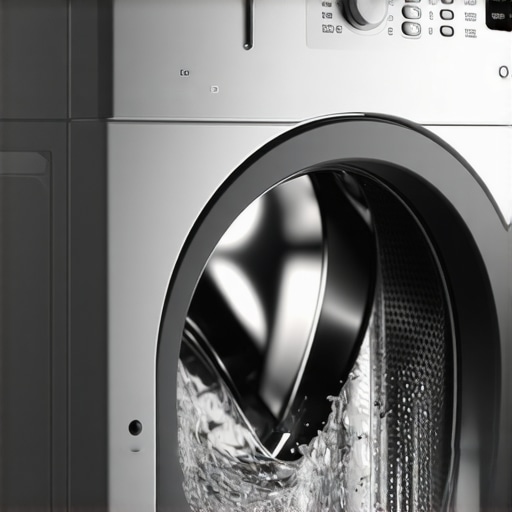
I remember the exact moment I grew impatient with my washing machine—it was late, I was tired, and the load wasn’t even halfway done because it just wouldn’t fill up with water fast enough. That sinking feeling of watching the water trickle in while your laundry piles up is all too familiar for many of us. It’s frustrating, right? But here’s the thing—this isn’t just an inconvenience. It can be a sign of underlying issues that, if left unaddressed, might lead to more significant appliance problems.
What’s Really Causing My Washing Machine to Fill So Slowly?
Before we dive into solutions, let’s talk about why your machine might be taking longer than usual to fill. Often, it’s related to water pressure issues, clogged inlet filters, or faulty valve components. Believe it or not, something as simple as a clogged inlet filter can drastically reduce filling speed, turning a quick laundry day into a long, drawn-out ordeal. According to recent studies, low water pressure affects more than just your shower—it can impede washing machine performance, causing delays and inefficient cycles.
Like many DIY enthusiasts, I initially ignored the filters because I thought they were insignificant. Big mistake. Regularly checking and cleaning these filters can restore normal water flow and save you from costly repairs down the line. Curious about how to do that? I’ll guide you through the process, and trust me—they’re easier to clean than you think!
But have you ever faced this problem and wondered if it’s worth fixing yourself or calling in a professional? That’s a common concern, and I get it. Sometimes, we worry about messing up our appliances or spending money unnecessarily. The truth is, many of these issues are straightforward repairs you can tackle with a few tools and a bit of patience.
Let’s explore these fixes together, ensuring your laundry days are hassle-free and less stressful. Ready to get your washer back in shape? If you’re questioning whether DIY is the way to go or need to understand more about what’s causing slow water fill times, keep reading. We’ll cover practical solutions, and I’ll share a couple of extra tips I learned along the way to keep your appliance running smoothly.
Check Water Supply Valves and Hoses
Start by inspecting the water supply valves behind your washing machine. Ensure they are fully open; a partially closed valve restricts flow. Next, examine the inlet hoses for kinks or damage that could impede water flow. Replace any hoses showing signs of wear. Remember, these hoses are like water highways—any blockage causes delays. I once had a hose slightly twisted, causing my washer to fill painfully slow; once I straightened it, the problem vanished.
Clean or Replace Inlet Filters for Immediate Results
Water passes through inlet filters before entering your washer—think of them as tiny sieves catching debris. Over time, they clog with sediment, reducing flow. To clean them, unplug your machine, shut off water supply, disconnect hoses, and locate the filters (usually at hose ends). Rinse thoroughly or replace if damaged. For a detailed guide, visit this tutorial. I cleaned mine on a Saturday afternoon, and the fill time dropped from 10 minutes to 3 minutes.
Test Water Pressure and Address Low Supply
If the above steps don’t improve flow, check your household water pressure. Use a pressure gauge at a spigot; the ideal pressure is 40-60 psi. If pressure is low, contact your water provider or consider installing a pressure booster. High water pressure can also harm your appliance, so adjust accordingly. Turning on multiple fixtures can sometimes reduce pressure, so stagger usage during laundry. Low pressure isn’t always your washer’s fault—sometimes, the whole house needs a boost.
Inspect and Replace Faulty Water Inlet Valve
The water inlet valve controls water entry into your washer—think of it as a traffic signal. If faulty, it may stay partially closed or get stuck. To test, disconnect power, turn off water, and remove the valve assembly (consult your machine’s manual). Use a multimeter to check for electrical continuity. If defective, replacing the valve usually restores proper flow. This is an advanced step; if unsure, visit this guide for additional insights. I had a stubborn valve that didn’t open fully; replacing it fixed my fill issues instantly.
Ensure Proper Leveling and Installation
Your washer’s levelness impacts water flow and operation. Use a spirit level to check side-to-side and front-to-back alignment. Adjust leveling legs as needed—tighten or loosen until stable. An uneven machine can cause internal hoses to kink, restricting flow. I had a washer that wobbled, causing slow fills; after leveling, everything improved. For compact spaces, check out stackable washer-dryer options.
Incorporate Routine Maintenance
Regularly inspecting and cleaning your appliance prevents future issues. Schedule a monthly check of inlet filters, hoses, and valves. Use cleaning agents designed for washing machines to remove mineral buildup. These small steps extend the lifespan of your machine and keep it running optimally. Remember, your appliance is like a car—preventive care averts major breakdowns.
While many believe that selecting appliances is simply about price and basic features, there’s a wealth of nuances that often go unnoticed. For instance, common myths persist about energy efficiency ratings, leading homeowners to prioritize labels over practical performance. Contrary to popular belief, an energy star label doesn’t always guarantee lower utility bills—many factors like usage habits and maintenance play crucial roles. Moreover, the misconception that newer appliances are always superior can be a costly mistake; in some cases, vintage models have proven to be more durable and cost-effective in the long run.
A frequent trap is the assumption that smart appliances automatically optimize your energy consumption. While they offer convenience, without proper configuration and routine updates, they might actually consume more power or underperform. For example, smart refrigerators equipped with touchscreens often freeze up or glitch if firmware updates are neglected, diminishing their efficiency. To avoid pitfalls like these, staying informed about the technical nuances of your appliances is essential.
Ever wondered why your high-end dishwasher leaves grit on your dishes despite modern features? Many overlook the importance of cleaning spray arms and filters regularly. Neglecting these parts can drastically reduce cleaning efficiency, regardless of the advanced technology involved. Regular maintenance not only preserves functionality but also extends the lifespan of your appliance.
From incorrect assumptions about energy savings to overlooking routine maintenance, these hidden aspects can significantly impact your experience. For an in-depth look at maintaining high-performing appliances, check out our guide on [how to clean the gunk out of your washing machine’s spray arms](https://smartappliancereview.com/how-to-clean-gunk-out-of-your-washing-machine-gasket). Recognizing these nuances empowers you to make smarter decisions, saving money and preventing frustration.
### What advanced sign might indicate your fridge’s defrost system is failing?
An overlooked indicator of appliance health is the formation of excessive frost or ice buildup, suggesting issues with defrost cycles. If your refrigerator is freezing vegetables or losing cooling efficiency, it might be due to faulty defrost timers or heaters. Consulting expert sources reveals that improper defrost cycle operation can increase energy consumption by up to 30%, as noted in a study published by the Department of Energy.
Many homeowners are unaware that advanced diagnostics require more than just surface observations. Regularly monitoring performance patterns and understanding the technical safeguards built into modern appliances can help prevent costly repairs. Have you ever faced unexpected appliance failures due to overlooked nuances? Let me know in the comments, and stay tuned for more insights on mastering your home appliances.
Investing in the Right Tools for Appliance Care
Maintaining your home appliances requires more than just basic knowledge; it demands the right tools that enable you to diagnose, clean, and repair efficiently. I personally swear by a high-quality digital multimeter, which I use to test electrical components like water inlet valves and door switches. Having a reliable multimeter, such as the Fluke 117, allows me to quickly identify faulty parts without the need to call a technician for simple issues that I can rectify myself. Additionally, a set of precision screwdrivers and a gasket scraper helps me safely access internal parts and replace worn-out seals, like when I replaced my refrigerator’s door gasket to prevent cooling leaks.
Software and Apps That Make Maintenance Easier
Modern appliances often come equipped with smart connectivity features, offering diagnostic data and firmware updates. I recommend using dedicated apps provided by appliance manufacturers—like LG SmartThinQ or Samsung SmartThings—that enable remote troubleshooting and software updates. These tools help me stay ahead of potential problems, such as slowness or unresponsiveness, and ensure my smart fridge’s software remains current. For example, periodically checking for firmware updates can fix bugs that cause touchscreen freezes in smart refrigerators. Embracing these digital tools can extend the lifespan of your appliances, saving time and money in the long run. To facilitate long-term results, I set reminders within these apps to perform routine checks and updates, helping me maintain peak performance.
Cleaning and Inspection Techniques That Save Money
Regular cleaning routines form the backbone of appliance longevity. I regularly inspect and clean filters, hoses, and drain pumps in my dishwasher and washing machine, which prevents buildup that can impair performance. For example, cleaning the spray arms in my dishwasher with a brush and toothpick (or using a dedicated spray arm cleaning tool) ensures water distribution remains optimal, reducing energy consumption and avoiding grit deposits that cause dishes to come out cloudy. Besides, I use a magnetic coil cleaner to remove dust and debris from refrigerator coils—an often overlooked step that improves cooling efficiency and reduces utility bills. Incorporating these simple maintenance tips into your routine guarantees that your appliances work effectively for years, especially when you combine them with scheduled inspections every few months.
Planning for Long-Term Durability and Scaling Up
If you’re serious about scaling your home appliance setup, investing in modular, upgradeable devices makes sense. For instance, choosing smart appliances that support software updates or integrations allows you to adapt new features over time. Moreover, as you expand your smart home ecosystem, a robust network setup—such as a mesh Wi-Fi system—ensures all devices stay connected and responsive. I personally recommend setting up a dedicated maintenance schedule and tracking system, using apps like Todoist, to keep tabs on when filters or firmware updates were last performed. Looking to the future, I believe appliance manufacturers will increasingly emphasize durability and serviceability, making maintenance more intuitive and less time-consuming for homeowners.
How do I maintain my home appliances over time?
The key lies in routine inspections, leveraging smart diagnostics, and investing in quality tools. Regularly cleaning filters, inspecting hoses, and performing firmware updates—especially for smart devices—are critical steps. For complex repairs, having a multimeter and appropriate screwdrivers at hand allows you to diagnose issues early, often saving you the cost of professional service. Don’t forget, many appliances have hidden components like inlet valves or condensers that benefit from periodic cleaning and testing. For example, cleaning your refrigerator’s coils annually can improve efficiency by up to 30%, according to this detailed guide. I encourage you to pick one of these advanced maintenance tips—such as checking and cleaning your refrigerator coils—and see the difference it makes in your appliance’s performance.
What the Toughest Lessons About Home Appliances Taught Me
One major revelation was realizing that overlooked maintenance routines could prevent costly repairs down the line. For instance, neglecting to clean refrigerator coils regularly can drastically reduce efficiency—a fact I learned after my energy bill spiked unexpectedly. Additionally, I discovered that not all smart features are foolproof; firmware updates and proper setup are essential to prevent glitches. Finally, I understood that understanding my appliances’ technical nuances, like how inlet valves function, empowers me to troubleshoot minor issues myself, saving time and money.
My Go-To Resources That Keep My Appliances Running Smoothly
For in-depth DIY repairs, I rely heavily on comprehensive guides on Smart Appliance Review; they break down complex tasks into manageable steps. I also trust manufacturer apps like Samsung SmartThings for real-time diagnostics and firmware updates, which help maintain my smart appliances. Books such as Home Appliance Repair Made Easy offer foundational knowledge that boosts my confidence in handling various issues. Finally, I stay updated with forums like AppliancePartsPros Community, where passionate DIY enthusiasts share practical tips and solutions.
Take Action and Keep Your Appliances in Peak Condition
Your appliances are vital partners in your daily life—treat them with the care they deserve. Regular maintenance, quick troubleshooting, and staying informed can extend their lifespan significantly. Whether it’s cleaning filters or checking connections, each proactive step empowers you to avoid surprises and enjoy reliable performance. Remember, mastering your home appliances isn’t just about fixing problems—it’s about creating a smarter, more efficient living environment. So why not start today? Your current appliances will thank you, and you’ll enjoy the benefits for years to come.