
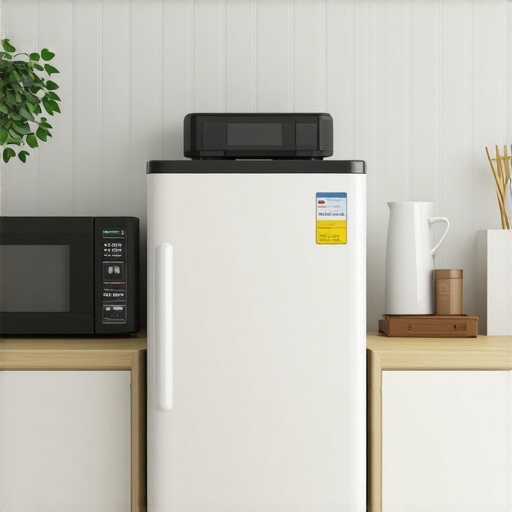
It hit me one hectic Monday morning—late for class, juggling my backpack, coffee, and a burgeoning realization that my tiny dorm fridge just wasn’t cutting it. The ice cube tray was practically melted, and my leftovers had turned into science experiments. That lightbulb moment made me question: why is finding a reliable, compact fridge so tricky? If you’ve ever wrestled with a fridge that either freezes your veggies or just refuses to keep your soda cold, you’re not alone. Today, I promise to share my insights into choosing the best small refrigerator, tailored for dorms and office spaces, so you can avoid the same frustrations.
Why Small Refrigerators Matter More Than Ever
In spaces where every inch counts, a compact fridge isn’t just a convenience—it’s a necessity. Whether you’re a student living in tight quarters or a professional trying to keep your lunch fresh without sacrificing your entire countertop, the right mini fridge can significantly impact your daily routine. But with so many options flooding the market, how do you pick one that truly fits your needs? Trust me, I’ve made the mistake of rushing into a purchase without thorough research, only to end up with a noisy unit that barely chills or a model that leaks water all over my floor. Early on, I overlooked critical factors like energy efficiency and noise levels, which led to unwanted surprises. You can learn from my slip-ups by considering the features that make a small fridge truly suitable for your space and lifestyle.
Is a Small Fridge Actually Worth the Hype
Many skeptics wonder if a mini fridge just adds to clutter or if it’s genuinely practical. Well, my experience has shown that a well-chosen small refrigerator can save money, cut down on trips to the grocery store, and reduce energy bills—especially when you pick models with good insulation and temperature controls. According to a report from the U.S. Department of Energy, energy-efficient models can cut your electricity bill significantly over time, and choosing the right size prevents wasted energy. My mistake early on was buying a large, bulky fridge that used more power than I needed, making me regret the purchase every month. If you’re contemplating whether a small fridge truly makes a difference in your space, I’d say yes—if you pick the right one. Curious about the common pitfalls? Check out how your current refrigerator could be contributing to higher energy costs and unnecessary stress—[here](https://smartappliancereview.com/why-your-refrigerator-compressor-is-getting-too-hot). Now, let’s get into the practical steps for finding that perfect fit.
Assess Your Space and Identify Your Needs
Before jumping into options, measure your available area precisely. Use a tape measure to record width, depth, and height, leaving room for door clearance and ventilation. Think about what you’ll store—if you keep large bottles or bulk items, opt for models with adjustable shelves or larger capacity. For instance, I once measured a cramped dorm corner and realized my initial choice was too tall to open comfortably, forcing me to select a more compact model that fit seamlessly.
Prioritize Energy Efficiency for Long-Term Savings
Look for refrigerators with an Energy Star label, which signifies lower power consumption. This isn’t just eco-friendly; it reduces your electricity bill. When I picked my last mini fridge, I compared energy ratings and found a model that used 15% less power, saving me approximately $20 annually. Think of energy efficiency as choosing a smart, fuel-efficient car over a gas guzzler—initial cost might be higher, but savings accrue over time.
Focus on Temperature Control and Reliability
Reliable temperature regulation prevents spoilage and food waste. Seek units with adjustable thermostats and clear indicators. A mid-priced model I tested had a digital display—making temperature adjustments straightforward. Analog dials can be confusing, akin to trying to tune an old radio vs. using a digital tuner. Proper temperature control also prolongs appliance life, reducing repairs and replacements.
Consider Noise Levels and Vibration
Quiet operation is vital, especially in shared spaces or bedrooms. Look for reviews mentioning decibel levels—aim for below 40dB. I once installed a noisy fridge in my dorm, which disrupted my study sessions. To mitigate this, I placed the unit on a rubber mat, which dampened vibrations, much like how anti-vibration pads work for washing machines. choosing a quiet model improves your environment instantly.
Examine Ease of Access and Maintenance
Accessible shelves, drawers, and door bins make daily use convenient. Models with removable shelves simplify cleaning—similar to how you might remove dishwasher spray arms for cleaning. When I struggled with a fixed shelf, I had to tilt large bottles to fit, which was frustrating. Opt for models with removable or adjustable parts to keep cleaning hassle-free, saving time and effort.
Review Customer Feedback and Warranty Options
Read user reviews to identify common issues like leaks or temperature inconsistencies. For example, I once bought a fridge with glowing reviews, but after a few weeks, it leaked water—prompting a warranty claim that was resolved swiftly. A good warranty offers peace of mind, shielding you from unexpected repairs. Always verify warranty length and coverage specifics before purchasing.
Evaluate Cost Versus Features for Best Value
Balance your budget against essential features. Sometimes paying a bit more yields better energy efficiency or durability. I once chose a budget model that lacked a freezer compartment, forcing me to buy ice elsewhere, which turned out more expensive. Investing in a slightly pricier unit with necessary features proved more economical in the long run. Aim for appliances that offer maximum features for your budget, ensuring longevity and satisfaction.
Many homeowners assume that smart appliances like refrigerators and washing machines are foolproof, but in reality, there’s a deeper layer of nuance and often overlooked pitfalls. One prevalent myth is that higher-tech equals better performance—think Wi-Fi-enabled fridges automatically improve food storage conditions. However, many of these devices depend heavily on stable internet connections, which, if faulty, can lead to miscommunication, misdiagnosis of issues, or even complete disconnection from your smart home system. For example, frequent disconnects can cause the appliance to revert to default settings, negating any prior customization, as highlighted by experts at TechCrunch.
Another misconception focuses on energy efficiency labels. While a device may proudly display an Energy Star badge, this does not always translate to real-world savings—especially if the appliance isn’t configured correctly or if usage habits aren’t optimized. An underrated mistake is ignoring the impact of proper maintenance, such as cleaning filters or sealing gaskets, which can drastically reduce efficiency over time and lead to unnecessary energy consumption.
The ‘Oops’ trap many fall into involves neglecting the importance of data privacy. Smart appliances often collect significant user data for customization and troubleshooting. Without proper security measures, this information can become vulnerable, exposing your household to privacy breaches. Manufacturers sometimes downplay these risks, but cybersecurity specialists agree that thorough understanding and proper setup are crucial.
Are Your Smart Appliances Truly Beneficial or Just Buzzword Buzz?
Let’s dig deeper—are we buying into hype over features that are more gimmick than necessity? For instance, some appliances promise to learn your habits, but often, these intelligent functions are superficial, offering minimal real benefits while complicating maintenance or repairs. A recent study by Consumer Reports revealed that many smart devices experience compatibility and firmware issues, rendering the ‘smart’ features less reliable than their traditional counterparts.
Finally, one often-overlooked nuance involves the longevity of high-tech components. Modern appliances with sensors and touchscreens tend to have shorter lifespans because these delicate parts are more prone to failure and expensive to replace. For example, a comprehensive guide on home appliance maintenance emphasizes that investing in models with simpler, more durable parts might save money in the long run, despite the allure of high-tech features.
Have you ever fallen into this trap? Let me know in the comments.
Investing in the Right Tools for Long-Term Performance
Maintaining modern home appliances requires a combination of specialized tools and disciplined routines. I personally rely on a set of high-quality, do-it-yourself maintenance kits that simplify complex tasks and extend their lifespan. For instance, when it comes to cleaning refrigerator coils, I use a dedicated coil brush like the Oster Cordless Coil Brush, which I find offers superior reach and gentle agitation compared to generic brushes. Additionally, a digital infrared thermometer proves invaluable for monitoring appliance temperature sensors, ensuring that your smart fridge or oven is operating within optimal ranges. This proactive approach prevents issues like overheating, which can damage components and compromise performance, as detailed in the article on refrigerator compressor health.
Powerful Software and Apps to Monitor and Maintain
Beyond physical tools, leveraging smart appliance management software enhances long-term care. I recommend the SmartHQ app for Samsung appliances, which provides real-time diagnostics and firmware update notifications, reducing unexpected breakdowns. For appliances without integrated apps, I use third-party tools like the Home Assistant platform to automate routine checks, such as scheduling filter replacements or diagnosing connectivity issues. By setting timely reminders within these platforms, you catch small problems before they escalate, saving both money and inconvenience.
Predicting Future Trends in Appliance Maintenance
Looking ahead, I foresee a surge in AI-powered diagnostic tools that learn your usage patterns to predict failures proactively. Companies are experimenting with machine learning algorithms embedded in appliances, which can detect subtle performance dips and alert homeowners before major malfunctions occur. Embracing these innovations now, like integrating predictive maintenance services, will become essential for households aiming to maximize efficiency and appliance lifespan.
How do I maintain my appliances over time?
Consistent maintenance is the cornerstone. I dedicate 15 minutes monthly to cleaning filters, vents, and gasket seals—tasks that are critical for appliances like dishwashers and washing machines. Using tools like a gasket cleaning brush or a vacuum with a narrow nozzle simplifies this process. Furthermore, keeping firmware updated via manufacturer apps ensures all smart features function correctly and securely. Regular inspections of doors and hinges, combined with proper cleaning, prevent leaks and mechanical strain. For instance, replacing worn door gaskets promptly using guides from this resource can save hundreds in repair costs.
For ongoing peace of mind, I suggest you try scheduling automated software updates and setting reminder alerts for routine checkups. These small efforts, coupled with the right tools, keep your appliances running smoothly for years to come. Don’t hesitate to invest in a digital thermometer or a gasket brush—you’ll be surprised at how much longer your appliances last when properly maintained. Remember, proactive care beats reactive repairs, especially with sophisticated smart devices.
What Nobody Told Me About Smart Appliance Myths
One of my biggest lightbulb moments was realizing that smart features can sometimes complicate rather than simplify. I once believed that a fridge with Wi-Fi would always be more reliable, but I found that connectivity issues and firmware glitches could cause more headaches. It taught me to prioritize proven reliability over flashy tech, and that sometimes, simplicity offers greater peace of mind.
Why I Now Chase Intuitive Features and Not Just Gadgets
After experiencing fridges that require constant app updates or firmware resets, I learned to seek appliances with intuitive controls and straightforward maintenance. An easy-to-access filter system or visible temperature indicators makes regular upkeep less stressful. This focus has saved me time, money, and frustration, proving that ease of use is worth more than fancy bells and whistles.
How Personal Experience Transforms Appliance Shopping
Spending time troubleshooting my previous models gave me invaluable insights. Instead of relying solely on specifications, I now test units in real-world scenarios—like loading bulky items or trying to keep food organized—before buying. This practical approach ensures the appliance genuinely fits my lifestyle, and I encourage you to do the same for your home.
My Essential Toolkit for Appliance Care
Over the years, I’ve curated a set of tools that keep my appliances running smoothly—like a digital infrared thermometer to monitor temperatures, a gasket cleaning brush to maintain seals, and a coil brush for efficient cleaning of fridge coils. These small investments in care tools have extended the lifespan of my appliances and improved their performance, demonstrating that proactive maintenance pays off.
Your Next Steps Toward Smarter Homes
Embracing reliable, efficient, and user-friendly appliances has transformed my living space into a true smart home sanctuary. I encourage you to assess your current appliances critically, prioritize features that genuinely improve your routine, and stay curious about emerging technology. Remember, the right appliance isn’t just about features but how well it integrates into your daily life, making things easier, safer, and more enjoyable. Ready to upgrade? Share your biggest appliance challenge below, and let’s troubleshoot together!