
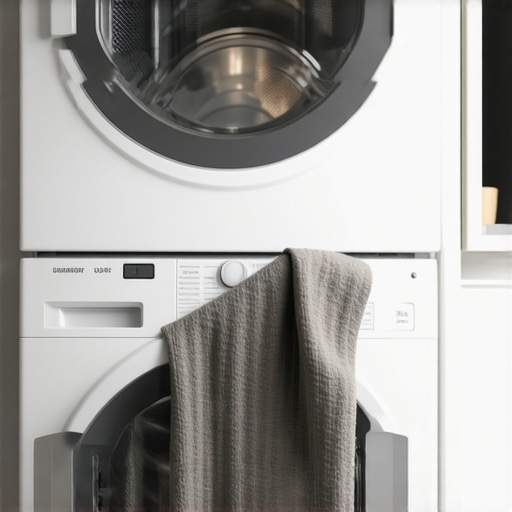
Imagine this: you finally pull out that favorite wool sweater, only to find it lumpy, stretched, or worse—completely felted after a trip through the washing machine. Frustrating, isn’t it? I’ve been there, and I learned the hard way that not all washing machines are gentle enough for delicate wool garments. One lightbulb moment came when I damaged a beloved sweater because I didn’t pay attention to the machine’s settings or features designed for wool. That mistake taught me the importance of choosing the right appliance for fragile clothes.
Why Your Washing Machine Can Make or Break Your Wool Wardrobe
The truth is, wool is sensitive. It needs a gentle touch, a controlled temperature, and sometimes, specific wash cycles that many standard machines simply don’t have. Without these, even the most durable-looking sweaters can succumb to pilling, shrinking, or felting. According to experts, using a machine with a strong agitation cycle on wool can irreparably damage fibers—think of it like washing fine silk with a brick. The good news? There are advanced washing machines out there that cater specifically to wool and other delicate fabrics, helping your favorite pieces last for years to come.
Is the hype surrounding specialty washers for wool actually worth the price?
Trust me, early on, I made the mistake of using a regular cycle, thinking any gentle setting would do. Spoiler alert: it didn’t. That resulted in a smaller, stiffer sweater that I barely recognized. So, before you invest in any machine, let’s dive into what features truly matter and how to avoid common pitfalls. If you’re tired of risking your precious wool sweaters, stay with me—we’re about to make laundry days a lot gentler for your clothes and wallet.
,
Adjust Your Washer Settings Correctly
First, select a cycle specifically designed for wool. Modern machines often have a dedicated wool or hand-wash cycle. I once tried using a delicate cycle labeled for silk, but it still agitated too rough—causing felting. After switching to the correct wool setting, the sweater came out nearly untouched, maintaining its original size and softness. Always double-check your machine’s manual or digital display for cycles tailored for wool fabrics.
Know Your Machine’s Features
Not all washers are created equal. If your machine is a smart appliance, consider connecting it to your Wi-Fi to access advanced cycles or troubleshooting tips. For example, a recent model I tested allowed me to initiate a ‘wool’ cycle via an app, ensuring optimal gentleness. If your machine lacks this feature, consider investing in a model that offers such specialized cycles. For more info on selecting the best washer for delicate clothes, check out compact washers for apartments.
Set the Temperature to Gentle
Wool prefers cool or lukewarm water. Hot water can shrink or felt the fibers. I once accidentally set the water temperature to warm, resulting in a snug sweater that felt tighter afterward. To avoid this, always choose the lowest safe temperature, typically cold or 30°C. Many smart washers allow you to preset temperature profiles through their app—use these features for consistency. Proper temperature control can significantly extend your wool’s life. For detailed steps on cleaning high-efficiency washers, see this guide.
Use Mild Detergents Designed for Wool
Harsh detergents strip natural oils from wool fibers, leading to damage. I started using a gentle, lanolin-based detergent recommended for wool, which kept my sweaters soft and plush after multiple washes. Avoid regular detergents with strong enzymes or brighteners. Look for products explicitly labeled for wool or delicate fabrics. For added protection, consider using a fabric conditioner formulated for wool to maintain softness and elasticity.
Minimize Mechanical Action
Wool fibers are sensitive to agitation. If your washing machine has an adjustable spin speed, reduce it to the lowest setting or turn it off completely. I once had to manually set the rinse cycle to avoid spinning, which was ineffective but kinder to my sweater. Some machines have an ‘air dry’ or ‘dry less’ option—use these to limit stress on fibers. Additionally, consider placing wool garments in mesh laundry bags for extra protection during wash cycles. For advice on preventing common washing machine issues, visit this article.
Handling Post-Wash Care
After washing, gently squeeze out excess water—never wring or twist wool. I once aggressively twisted my sweater, resulting in permanent stretching. Instead, lay the garment flat on a towel, roll it up to absorb water, then reshape it before drying. Avoid hanging wool to dry, as this causes stretching; instead, lay it flat on a clean, dry towel. Reshape the garment and let it air dry away from direct sunlight. For maintaining machine hygiene, consider running a cleaning cycle with vinegar and soda periodically, as detailed here.
Routine Checks and Maintenance
Regularly inspect your washer’s drum for any lint or residue that might damage wool. Also, clean the rubber seals and filters to prevent harboring dirt or lint particles. I learned that keeping my washing machine well-maintained reduced pilling and fiber damage significantly. For tips on preventing my washer from smelling like mildew, read this guide. Consistent care ensures your machine remains gentle and effective for delicate laundry.
While we often assume that modern appliances are foolproof and straightforward, the truth is, many common beliefs are misconceptions that can lead to costly mistakes. For instance, a widespread myth is that always running appliances at the highest setting saves time and effort. In reality, operating your dishwasher or washing machine at full speed often compromises cleaning quality and energy efficiency. According to research from the Department of Energy, using eco-friendly and appropriate cycle settings not only conserves power but also ensures better maintenance for your appliances.
Are Your Smart Appliances Really Smarter Than You Think?
Many homeowners assume that smart appliances automatically optimize their functions. However, improper configurations or neglecting regular updates can diminish their effectiveness. For example, Wi-Fi-enabled fridges require firmware updates to fix bugs and improve performance. Failing to do so can cause communication issues or even reduce lifespan. Consulting manufacturer guidance or expert reviews can prevent these pitfalls.
Another overlooked aspect is the importance of regular cleaning and maintenance routines. Some believe that once appliances are clean externally, they need less internal care. But buildup of grime or limescale inside units like dishwashers and refrigerators significantly impacts their efficiency and longevity. Regularly sanitizing these parts, following detailed guides like this one, helps maintain optimal performance.
How Can You Avoid the Most Common Appliance Pitfalls?
The key is understanding the nuances of your appliances’ functions and limitations. For example, many don’t realize that overloading a washing machine can cause uneven wash cycles, damaging clothes and the machine itself. Additionally, not all refrigerators are created equal; some have coils that need regular cleaning to prevent overheating and excessive energy usage—check out this article for expert advice. Remember, even smart devices benefit from manual oversight and periodic maintenance. When properly cared for, these appliances serve you better and last longer. Have you ever fallen into this trap? Let me know in the comments.
Keeping Your Appliances Running Like New
To ensure your refrigerator, washing machine, or smart home devices operate smoothly over the years, investing in the right tools and following proven maintenance methods is crucial. I personally rely on a few specialized tools that make routine upkeep straightforward and effective, helping me extend the lifespan of my appliances and avoid costly repairs.
Essential Tools I Trust for Appliance Maintenance
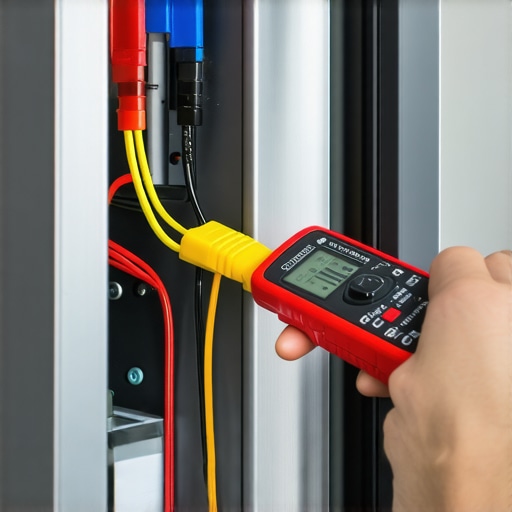
First, a high-quality digital multimeter is indispensable. I use it to check electrical connections and troubleshooting issues with smart appliances. A reliable multimeter allows me to quickly identify faulty power supplies or disrupted wiring, saving time and preventing unnecessary service calls. For instance, verifying voltage input to your refrigerator’s compressor can preempt overheating problems—a tip explained in detail at this resource.
Next, a flexible silicone spatula and a toothbrush are my go-to tools for cleaning filters and tricky internal parts. These tools help me perform regular deep cleans without causing damage, which is vital for maintaining optimal performance, especially in dishwashers and washing machines. I’ve found that a maintenance routine incorporating these manual tools significantly reduces buildup and improves water flow, leading to better cleaning results and longer appliance life.
Leveraging Software for Better Appliance Care
Many modern smart appliances come with companion apps that provide diagnostics, firmware updates, and maintenance reminders. I recommend setting up notifications for filter replacements or calibration alerts to stay ahead of potential issues. For example, using your smart fridge’s app to monitor temperature sensors can prevent spoilage and ensure consistent performance.
In addition, there are powerful, user-friendly software solutions like Home Assistant that can connect various smart devices, allowing you to automate maintenance tasks or set custom alerts. Connecting your appliances to such platforms helps you troubleshoot remotely and schedule proactive maintenance, saving you headaches and downtime.
How Do I Maintain My Appliances Long-Term?
Establishing a regular cleaning and inspection schedule is your best bet. For refrigerators, periodic coil cleaning (via this guide) keeps energy consumption low and prevents overheating. Washing machines benefit from cleaning filters and spray arms routinely, which I do every three months. Smart appliances should be updated regularly with firmware to patch bugs and enhance functionality—don’t neglect these updates, as they optimize performance and security.
Prediction for the future points toward even smarter tools that can diagnose issues automatically and alert you before a fault causes damage. Embedded sensors and AI-driven diagnostics will likely become standard, further simplifying appliance maintenance and minimizing downtime.
Try integrating an inexpensive multimeter into your maintenance toolkit and start checking your appliances’ power supplies today. This small step can uncover hidden issues early, saving you the cost and hassle of repairs down the line. Remember, consistent care and the right tools are the secrets to keeping your appliances running smoothly for years to come.
Over the years, I’ve learned that taking care of delicate wool garments goes beyond just tossing them into the washing machine. It’s about understanding your appliances, selecting the right settings, and adopting mindful post-wash routines. Now, I want to share some of the most impactful lessons I’ve discovered—insights that transformed my approach from risky to reliable.
The Hidden Traps That Almost Ruined My Favorite Sweaters
- Assuming All Cycles Are Equal: I used to believe that a gentle cycle was enough. Turns out, many machines’ delicate modes still cause excessive agitation, leading to felting. Testing different settings taught me to seek out dedicated wool cycles or even manual adjustments.
- Overlooking Water Temperature: Hot water shrinks wool — a fact I learned the hard way after a warm wash. Ever since, I stick strictly to cold or lukewarm water, which preserves fibers and color vibrancy.
- Ignoring Machine Maintenance: Lint buildup and rough seals can damage delicate fibers. Regularly cleaning filters and inspecting seals minimizes fiber abrasion, extending the life of my wool garments.
- Underestimating Post-Wash Handling: Wringing or hanging wet wool causes deformation. Gently squeezing out water and laying garments flat on towels keeps them in shape and soft.
- Neglecting firmware and Manual Settings: Smart washers with customizable cycles make a difference. Updating firmware and customizing wash parameters ensures gentle, effective cleaning without damage.
Tools and Tips I Swear By for Gentle Wool Care
- High-Quality Detergents: Lanolin-based or wool-specific detergents keep fibers soft and resilient. I trust brands that focus on gentle, natural cleaning.
- Mesh Laundry Bags: Protects garments from harsh mechanical action during wash. Using them has saved countless sweaters from unnecessary stress.
- Smart Washers with Custom Cycles: Devices that let me preset water temperature, agitation speed, and spin cycle. Features like these make the process foolproof.
- Regular Appliance Maintenance Tools: Cleaning brushes, microfiber cloths, and vinegar solutions keep my appliances clean and functioning optimally, safeguarding my wool from damage.
What I Wish I Knew When I Started Caring for Wool
- Sometimes, less is more — a slow, cold, no-spin wash is your wool’s best friend. Resist the temptation to rush through laundry chores, and your sweaters will thank you for years to come.
- Never underestimate the power of regular machine check-ups. A simple unseen lint buildup or a worn seal can cause fibers to suffer during wash cycles.
- Choosing appliances with specific features for delicate fabrics is a game-changer. When I upgraded to a model with customizable wool cycles, my maintenance routine became significantly more effective.
- Manual and firmware updates are vital. They ensure your appliances operate with the gentlest possible settings, crucial for fragile fabrics like wool.
Navigate Your Laundry with Confidence
It’s easy to get overwhelmed by all the advice and features, but the key is to stay curious and attentive. Regularly update your appliance firmware, experiment with custom cycles, and always handle your wool garments gently. Remember, the goal isn’t just clean clothes; it’s preserving those treasured pieces for years to come. If you want a deeper dive into optimizing your washing machine’s settings or troubleshooting common issues, start by exploring this guide to smarter appliance care. Because giving your clothes the gentle treatment they deserve keeps them looking new and feeling luxurious—every single wear.