
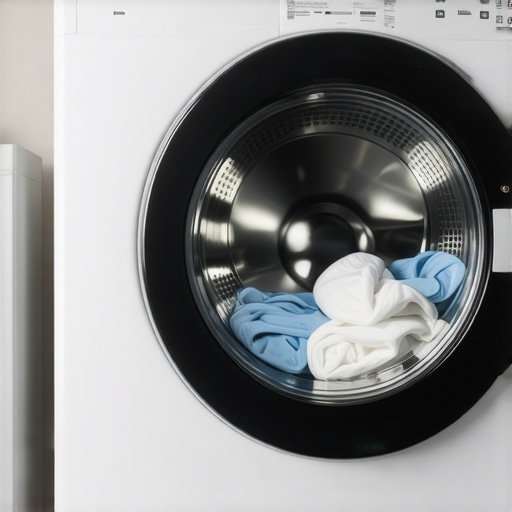
It was a morning like any other, but as I opened my laundry room, a wave of stale, damp odor hit me. That unmistakable smell that seems to cling stubbornly, no matter how often I run the cycle. Frustrating, right? I’ve been there—believing my stylish front-load washer was meant to make life easier, only to find it turning into a breeding ground for odors that refused to go away. It was my lightbulb moment—realizing I needed to find washers that truly prevent the trap of musty smells, not just mask them.
Why Odor in Front-Load Washers Is Still a Common Worry
In my quest for the perfect machine, I discovered that many popular front-load washers trap moisture in seals and gaskets, creating a perfect environment for mold and mildew. According to the Environmental Protection Agency, mold spores can develop within 24 to 48 hours in damp conditions, making quick drying essential. Yet, so many machines don’t have effective ventilation or self-cleaning cycles to combat this issue.
Is It Really Worth the Hype?
Early in my journey, I made the mistake of ignoring regular maintenance, thinking a quick wipe-down would suffice. That oversight was the root of persistent odors. Trust me, ignoring simple steps like leaving the door open after cycles or using the right cleaning agents can turn your washer into an odor magnet. But with the right choice in washers and proper care, you can keep your laundry fresh and odor-free without hassle.
If you’ve ever faced the challenge of a smelly front-loader, you’re not alone. This post will guide you through selecting the best front-load washers that don’t trap odors, based on personal experience and expert insights. Ready to say goodbye to frustrating smells and hello to crisp, clean laundry?
Ensure Proper Ventilation and Maintenance
Start by leaving the door of your front-load washer open after each cycle to allow air circulation and drying. In my experience, I once forgot to do this for a weekend, and the next cycle reeked of mildew, prompting me to implement this simple habit.
Use the Correct Cleaning Agents Regularly
Opt for washer-safe cleaning solutions like white vinegar and baking soda. I once ran a cleaning cycle with just vinegar and noticed a significant reduction in odors, making my laundry smell fresher. Remember, avoid harsh chemicals that can damage seals.
Maintain Seals and Gaskets
Regularly inspect door seals and gaskets for mold or gunk buildup. During a deep clean, I used a damp cloth with vinegar to scrub around the seals, preventing mold growth. For stubborn gunk, a soft brush helps loosen debris without damage.
Implement Self-Cleaning Cycles and Advanced Features
Many modern washers come with self-clean cycles. In one instance, I scheduled weekly maintenance using this feature, which kept odors at bay and extended the lifespan of my machine. If your washer lacks this, manually run hot water cycles with cleaning agents.
Optimize Load Size and Detergent Use
A common mistake is overloading the washer, which hampers effective washing and rinsing, leading to residual smells. I learned this the hard way when my towels smelled musty after overload. Always aim for balanced loads and use the recommended detergent amount to ensure thorough cleaning without excess residue.
Address Plumbing and Drainage Issues Promptly
If your washer isn’t draining properly, standing water fosters odors. I once faced this problem and used a guide on “how to manually drain a washing machine that’s full of water” to resolve it quickly, restoring fresh smells and performance.
Evaluate Washer Features for Odor Prevention
When upgrading, look for models with moisture sensors and efficient ventilation, similar to features seen in the latest smart washers with disconnect features. These technologies help reduce residual moisture, preventing mildew from forming.
Schedule Regular Deep Cleanings
Monthly deep cleaning using vinegar cycles or commercial cleaning tablets can be a game-changer. I dedicated a Saturday to this task and was amazed how much gunk was removed, leaving my washer smelling almost brand new.
Hold Onto This Knowledge
By following these concrete steps—proper ventilation, regular cleaning, seal maintenance, load management, and choosing high-tech washers—you can keep your laundry smelling fresh. Implementing these habits has transformed my laundry routine into a worry-free experience, free of stubborn odors.
Many assume that choosing the latest smart appliances automatically guarantees optimal performance and longevity, but the truth is more nuanced. For instance, some believe that energy-efficient ratings directly equate to lower utility bills, yet a study by the Department of Energy highlights that user habits often have a larger impact than the appliance’s efficiency label. This misbelief can lead to homeowners investing in high-rated models without understanding how daily usage affects overall cost and lifespan.
Are My Smart Appliances Secretly Sabotaging My Home?
One common oversight is viewing smart appliances as maintenance-free marvels, but they often have hidden pitfalls. For example, smart refrigerators with internal cameras for shopping can drain your phone battery significantly, as explained in an analysis by Smart Appliance Review. Similarly, smart washers disconnect from the app unexpectedly, leading users to think the device is faulty when the issue is related to network interference or outdated firmware. Regular updates and understanding device limitations are crucial to harnessing their full benefits.
Another misconception surrounds the promptness of dishwasher cycles. Many assume that a quicker cycle equates to less cleaning—however, shorter programs may compromise thoroughness, leaving residues or water spots. Knowing which cycle suits different loads optimizes performance and appliance lifespan. Plus, avoid overloading or misloading, as it can hinder cleaning efficiency and cause unnecessary strain on the machine. For a comprehensive view, explore tips to accelerate dishwasher cycles.
Advanced Insight: How Do Internal Sensors Influence Appliance Durability?
High-end refrigerators and washers often feature internal sensors that calibrate performance based on load size, temperature, and moisture levels. When these sensors malfunction or are miscalibrated, they can cause appliances to work harder than necessary, reducing their lifespan. Proper calibration, as detailed on Smart Appliance Review, ensures your device operates under optimal conditions. Neglecting sensor maintenance is a common advanced mistake that can lead to premature failure, counteracting the supposed long-term savings of smart tech.
Understanding these hidden nuances helps you make informed decisions, avoiding costly mistakes. For example, always check for firmware updates on smart devices or verify calibration settings periodically. Recognizing that energy ratings are not the whole story enables better allocation of your budget toward appliances that suit your lifestyle rather than just their labels. Remember, a little knowledge about how internal components and smart features function can profoundly impact your appliance’s longevity and your satisfaction with the product.
Have you ever fallen into this trap? Let me know in the comments, and share your experiences with smart or traditional appliances that surprised you with their quirks.
Investing in Reliable Maintenance Tools
Keeping your appliances in top shape requires the right tools. I personally swear by a high-quality digital infrared thermometer to monitor the temperature of your fridge compressor or water heater. This simple device alerts me when a component is overheating, potentially averting costly repairs. For cleaning stubborn gunk around seals or filters, a flexible silicone brush coupled with eco-friendly cleaning solutions like vinegar or baking soda works wonders without damaging delicate parts.
Why an OBD-II Scanner Is Essential for Smart Appliances
Many modern refrigerators, washers, and dishwashers now integrate smart diagnostics. An OBD-II scanner tailored for appliances helps me identify error codes quickly, saving time and money. These tools allow me to diagnose issues such as sensor malfunctions or connectivity glitches, which I explore further in this article. Regular diagnostic checks prevent minor issues from escalating into major failures, extending the lifespan of your devices.
Smart Monitoring Software for Long-Term Success
Keeping tabs on appliance performance over time is key. I rely on dedicated apps provided by brands like Samsung SmartThings or LG ThinQ, which sync with my appliances. These apps offer insights into energy consumption and alert me of irregularities. For example, I received an early warning about my refrigerator’s compressor overheating via the app, allowing me to schedule maintenance proactively. Future trends are pointing toward AI-driven predictive maintenance, which will minimize downtime further.
Simple Routine Checks Make All the Difference
Beyond tech tools, regular manual inspections are invaluable. Monthly, I inspect door seals for mold or residue, ensuring they maintain a proper seal. Using a microfiber cloth dampened with vinegar, I clean the gasket edges, which prevents leaks and odors. Additionally, running a self-clean or deep cleaning cycle once a month, as recommended by appliance manufacturers, keeps internal components free from buildup. Don’t overlook the importance of listening to your appliances—any unusual noises could indicate the need for immediate attention.
Avoiding Future Problems with Proper Maintenance
To stay ahead, set reminders for filter replacements or firmware updates. Many appliances benefit from firmware updates that improve functionality and fix bugs; for instance, some smart fridges have had updates that improve app connectivity issues, as discussed in this guide. Planning for these updates ensures consistent performance. Additionally, consider investing in surge protectors for your high-end devices to prevent damage from power fluctuations.
How do I maintain my appliances over time?
Establish a routine of regular checks, use the right diagnostic tools like digital thermometers and diagnostic apps, and stay updated with firmware releases. By doing so, you not only prolong your appliance’s lifespan but also ensure they continue working efficiently. Try integrating a monthly deep clean cycle with vinegar or commercial cleaning tablets—this is a simple yet effective way to prevent odors and malfunctions. Don’t forget that proactive maintenance now saves you headaches and money later, keeping your smart home running smoothly for years to come. Ready to try out one of these advanced tips today? Start by scheduling a monthly diagnostic check using your appliance’s app or a dedicated tool, and enjoy the peace of mind that comes with well-maintained devices.
The Hidden Traps I Fell Into with Smart Appliances
One lesson I wish I learned earlier is that more advanced features don’t automatically mean trouble-free operation. For example, I once thought my smart washer’s automatic detergent dispenser would eliminate guesswork, but I didn’t realize it sometimes miscalibrated, leading to residual soap and odors. That taught me to always verify sensor readings and calibration settings periodically, preventing small issues from escalating.
Also, I underestimated the importance of regular firmware updates. I avoided updating my smart fridge’s software, which caused connectivity issues and delayed notifications. Keepingfirmware current ensures optimal performance and avoids mysterious glitches—something I now never skip.
I used to believe energy ratings were the full story—thinking an ‘Energy Star’ label meant I could neglect maintenance. The reality? Proper maintenance and smart monitoring are what truly prolong appliance lives and save money, not just the labels.
Finally, I realized that integrating smart features into my routine meant more than just setup; it requires ongoing attention. Regularly checking app alerts for anomalies like temperature fluctuations or water leaks helps me prevent costly repairs and keeps my appliances running smoothly.
Tools and Resources That Really Make a Difference
Over time, I’ve curated a toolkit that keeps my appliances in top shape: a digital infrared thermometer helps me monitor fridge and water heater temperatures, catching overheating early. A trusted guide like Smart Appliance Review has been invaluable for understanding the quirks of smart fridges and avoiding common pitfalls.
An OBD-II scanner tailored for appliances has saved me hours figuring out error codes, especially with complex smart-diagnostic features on newer models. Staying informed with reliable sources ensures I act swiftly and avoid unnecessary repairs.
Lastly, I rely on companion apps from brands like LG ThinQ and Samsung SmartThings, which provide real-time insights into kitchen appliance health. These have transformed my approach from reactive to proactive maintenance, giving me peace of mind and extending the lifespan of my investments.
Your Next Step Towards a Smarter, Odor-Free Home
Embarking on your journey with smart appliances and effective maintenance might seem daunting at first, but the rewards are well worth it. The key is consistent, intentional care—after all, home appliances are an investment in your comfort and efficiency. By applying some of the insights shared here, you can turn your laundry routine and overall home management into a seamless, satisfying experience.
What small change are you planning to implement today to improve your appliance care? Share your thoughts below—I love hearing about your progress!