
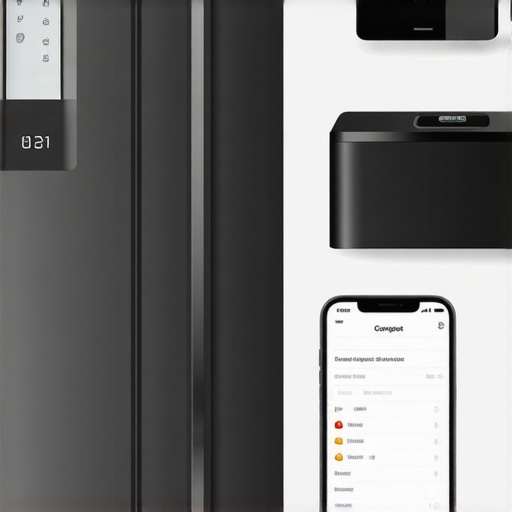
It was a typical Tuesday evening when I opened my fridge and was greeted by a mini jungle of wilting greens, forgotten leftovers, and a couple of mystery Tupperware containers. That sinking feeling hit me—how did I let my groceries turn into a miniature compost pile? It was a lightbulb moment that led me down the rabbit hole of smart home appliances and their role in managing food waste.
Discover the Game-Changing Features You Never Knew Could Save Your Food (and Money)
Managing food waste has become more than just a household chore—it’s a challenge that impacts our environment and wallets. Thanks to innovative smart features in kitchen appliances, we can now monitor, organize, and even predict our food consumption in ways that were unimaginable a decade ago. These technologies don’t just make life easier; they actively help reduce the 30-40% of food wasted globally, according to the Food and Agriculture Organization of the United Nations. That’s enough food to feed millions.
Is the Hype About Smart Food Management Tools Actually Justified?
I admit, I was skeptical at first. Early on, I made the mistake of thinking these features were just fancy gimmicks. I bought a smart refrigerator with internal cameras and no real plan to use its grocery tracking. It sat unused, collecting dust and causing more frustration than convenience. That was a costly mistake—one that taught me the importance of understanding how to leverage these functions fully. Now, I’m here to share what I’ve learned so you don’t fall into the same trap.
In the next sections, I’ll guide you through some of the best smart features and how they can genuinely help you cut down on food waste. Whether it’s setting reminders before produce spoils or creating shopping lists that sync directly with your appliances, these little tricks can make a big difference in your weekly routines. Ready to transform your kitchen into a food-saving powerhouse? Let’s dive into the practical steps.
Set Up Your Inventory with Smart Fridge Technology
Start by utilizing your smart refrigerator’s internal cameras and inventory management system. Regularly scan and categorize your groceries, especially fresh produce. When I first tried this, I found that the fridge’s app sent me alerts before my strawberries spoiled, saving me from tossing them out and reducing waste. To optimize this, ensure your fridge’s firmware is up to date, and regularly review your grocery list to keep it synchronized.
How to Customize Your Shopping Alerts
Adjust notification settings in the app to remind you of items nearing their expiration date. For instance, I set a reminder for leafy greens that typically spoil within 3 days. This proactive step helps plan meals around what’s about to go bad, limiting impulse buys and reducing excess.
Leverage Smart Appliances for Meal Prep and Storage
Use your smart oven or slow cooker to prepare large batches of meals ahead of time. Store leftovers in smart containers that log contents and expiration dates. When I cooked a large stew, I used my smart containers’ app to label portions, which prompted me to consume them before they expired. This method prevents forgotten leftovers from turning into waste.
Implement a Routine for Checking and Organizing Food
Establish weekly routines to scan your smart inventory. Incorporate this into your meal planning to create shopping lists that sync with your appliance app. I found that maintaining a digital list reduced unnecessary purchases—saving money and stocking only what I need. For more efficient organization, consider arranging your fridge according to best practices, such as keeping raw meats on the bottom shelf to avoid cross-contamination.
Use Automation and AI-Powered Predictions
Many smart appliances utilize AI to predict your food consumption habits. Set your refrigerator to analyze your usage patterns and adjust cooling or remind you of items you’re likely to consume soon. I enabled this feature, and it suggested recipes based on my current stock, encouraging me to use ingredients before spoilage.
Stay Alert With Notifications and Reports
Regularly check your appliance reports for insights into waste patterns. For example, I noticed I was wasting more bananas than I realized. The app’s detailed report helped me adjust my buying habits, buying fewer perishable items or using them faster. Combining these insights with smart shopping habits creates a cycle of reducing waste effectively.
Incorporate Smart Food Preservation Practices
Use smart features like humidity controls or specialized compartments to extend the freshness of produce. When I calibrated my fridge’s humidity settings according to the manufacturer’s instructions, my vegetables stayed fresh up to twice as long, drastically cutting down on waste. If your fridge has a magnetic gasket, replacing it (see this guide: https://smartappliancereview.com/how-to-replace-your-fridges-magnetic-door-gasket) ensures a good seal, preserving optimal conditions.
Monitor and Maintain Your Appliances
Keep an eye on alert signals such as unusual sounds or error codes like clicking or frost build-up (learn more at https://smartappliancereview.com/why-your-fridge-is-making-a-clicking-sound-every-few-minutes). Regular maintenance, including cleaning coils and inspecting seals, prevents inefficient operation that could lead to spoilage and waste. Schedule routine checks and address issues promptly to keep your food fresh longer and reduce waste.
While smart appliances promise convenience, many users fall prey to misconceptions that hinder their effectiveness. One widespread myth is that all counter-depth refrigerators truly save space; in reality, some models just look sleeker but don’t maximize storage, so it’s crucial to assess your specific needs before choosing. Have you ever fallen into this trap? Let me know in the comments.
Why Thinking More Features Means Better Performance Is a Mistake
Many believe that the more bells and whistles a smart appliance has, the better it functions. However, overcomplicating with unnecessary features can introduce bugs, reduce reliability, and increase maintenance costs. Experts warn that integrating too many smart functions can lead to compatibility issues and security vulnerabilities, especially if firmware updates aren’t properly managed. For example, endlessly adding app integrations without proper cybersecurity measures can expose your home network to risks. Always prioritize functionality tailored to your habits instead of chasing the latest tech trends.
Beware of Neglecting Proper Maintenance of Smart Appliances
One common oversight is assuming that smart appliances require less upkeep. Actually, neglecting routine cleaning—such as clearing dishwasher spray arms or cleaning refrigerator seals—can lead to malfunctions that override smart features, causing inefficiencies and even damage. For instance, dirt buildup can cause sensors to give false readings, turning off cooling prematurely. Regular maintenance not only preserves performance but also prevents costly repairs down the line. Check out this guide on how to maintain your smart appliances effectively.
Is Smart Technology Worth the Extra Cost for Home Appliances?
It’s tempting to think that smart features automatically justify higher prices. However, studies indicate that initial investment doesn’t always translate to long-term savings if the devices are misused or poorly maintained. For example, slow-drying dishwashers or inefficient wash cycles can negate energy-saving benefits. According to appliance experts, understanding the nuances—like selecting models with proven energy efficiency and user-friendly interfaces—ensures better value. For example, some smart washers are advertised as energy-efficient but require specific settings to perform optimally. Dive into reviews to find models that balance cost with real-world benefits.
The Hidden Nuance: Smart Appliances Need Education and Routine Checks
Many users overlook that smart devices often require a learning curve and routine monitoring. A common mistake is relying solely on app notifications without periodically inspecting the physical equipment. For example, a smart refrigerator might log data accurately but can still suffer from mechanical issues like clogged vents or faulty door seals, which smart features can’t detect. Regularly consulting the user manuals and staying proactive can save you from unexpected breakdowns. Want to ensure your appliances stay in top shape? Consider setting monthly check-ins for firmware updates and manual inspections to preclude avoidable failures. Remember, technology is a tool—proper understanding and maintenance maximize its benefits rather than letting it become a source of frustration.
Keeping Your Appliances in Top Shape
Investing in smart home appliances is just the beginning; maintaining them over time is crucial to ensure they work efficiently and last for years. I personally rely on specific tools and routines that help me stay ahead of potential issues and optimize performance. For example, I always keep a high-quality microfiber cloth and gentle cleaning solution nearby to regularly wipe down refrigerator seals and touchscreens, preventing dust buildup that can impair smart functions. Additionally, setting calendar reminders monthly to inspect and clean filters, coils, and gasket seals prevents minor problems from escalating into costly repairs.
Tools I Recommend for Appliance Upkeep
The magnetic door gasket replacement kit has been a game-changer in keeping my refrigerator’s seal tight, which directly impacts energy efficiency and prevents spoilage. I also swear by a digital vacuum gauge to check refrigerant pressures—modern refrigerators often develop minor leaks over time, and catching these early maintains optimal cooling. For dishwashers, I use a specialized spray arm cleaning brush, which I found in my local hardware store; ensuring the spray arms spin freely guarantees thorough cleaning and prevents buildup of residues that cause poor wash quality.
Routine Maintenance Methods Make a Difference
Incorporating routine checks into my weekly schedule—such as listening for unusual noises or checking for moisture leaks—helps identify issues at their earliest stage. For instance, following a detailed guide on making sure your dishwasher’s spray arms spin properly prevents inefficient cleaning cycles, saving water and energy. Additionally, periodically running cleaning cycles with vinegar or specialized descaling solutions keeps internal components free of mineral buildup. These simple but consistent routines extend the lifespan of my appliances and ensure they operate at peak performance, reinforcing their smart capabilities over the long term.
Where Do I See the Future of Home Appliance Maintenance?
Advances in IoT and sensor technology are paving the way for predictive maintenance. In the near future, expect appliances to alert you about component wear or refrigerant leaks before issues even manifest, based on real-time data analysis. As an example, some models already include AI-driven diagnostics integrated into their apps, providing proactive alert systems. Staying informed about these innovations allows homeowners to plan better repairs and avoid unexpected breakdowns. To learn more about how future appliances will self-maintain, check out expert analyses on the evolution of smart appliance diagnostics.
How Do I Maintain Home Appliances Over Time?
The key is establishing a consistent maintenance routine using the right tools—regular inspections, cleaning, filter replacements, and calibration checkups. Don’t wait until something fails; instead, use predictive insights and smart diagnostics to stay one step ahead. Try setting up a monthly maintenance schedule with digital reminders and invest in specific tools like gasket replacement kits or pressure gauges. This proactive approach saves money, reduces waste, and keeps your appliances performing their best for years to come. For detailed guidance on maintaining your specific devices, consider consulting manufacturer manuals or trusted review sites to ensure you’re following best practices.
Lessons I Had to Learn the Hard Way About Smart Kitchen Tools
- I used to believe more features automatically meant better performance, but overloading my appliances led to bugs and frustrations. Simplifying my setup and focusing on essential functions made a huge difference.
- Neglecting routine maintenance — like cleaning filters and checking seals — caused unexpected breakdowns, even with smart appliances, reminding me that technology still requires human oversight.
- Assuming that smart devices will fix themselves or require less attention was a misconception. Regular monitoring and proactive care have kept my kitchen running smoothly and extended my appliances’ lifespan.
- Investing in quality tools for maintenance, such as gasket replacement kits and pressure gauges, has saved me hundreds in repairs and kept my appliances performing at their best.
Tools That Keep My Kitchen Running Smart and Efficient
- The magnetic door gasket replacement kit has been a game-changer for keeping my fridge sealed tightly, which conserves energy and prevents spoilage.
- A digital vacuum gauge helps me monitor refrigerant levels, catching leaks early and avoiding costly compressor repairs, ensuring my refrigerator functions optimally.
- Cleaning brushes designed for spray arms keep my dishwasher operating efficiently, preventing residue buildup that can cause poor cleaning and water wastage.
- Manufacturer manuals and trusted review sites offer invaluable insights into regular maintenance routines, helping me avoid unnecessary repairs and downtime.
Your Turn to Take Action in the Kitchen
Embracing smart appliance maintenance isn’t just about avoiding costs—it’s about empowering yourself to create a more sustainable, efficient home. The more you learn and care for your appliances, the better they serve you, reducing food waste and saving money in the long run. Don’t wait for problems to become emergencies—take proactive steps today to keep your smart kitchen in top shape.
What’s one maintenance habit you’ve started to adopt recently? Share your experiences below and help others make their kitchen smarter and more sustainable!
**Links:** Counter depth refrigerators and dryer cycle times. Best of luck transforming your kitchen into a waste-reducing powerhouse!