
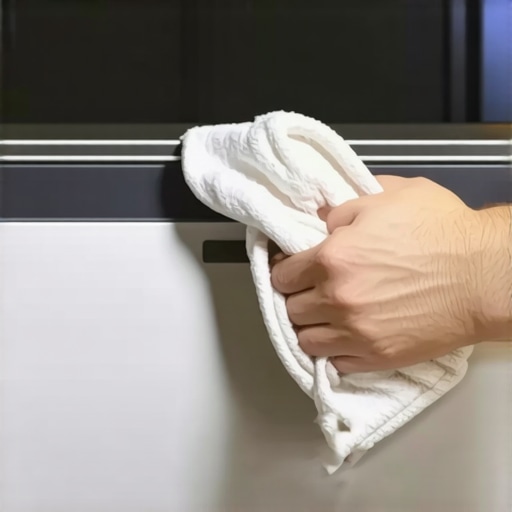
If you’ve ever stood in your kitchen, eyes fixed on that stubborn patch of grime or sticky film on your dishwasher’s front, you know exactly how frustrating it can be. One day, everything’s sparkling clean, and the next, an unsightly smear appears seemingly out of nowhere. I remember the moment I realized my dishwasher had become a magnet for fingerprints and sticky spots—it was a *wake-up call* that I couldn’t ignore. That realization prompted me to dig into solutions, not just for appearances but to maintain my appliance’s longevity and efficiency.
Why Sticky Residue on Your Dishwasher Matters More Than You Think
Beyond the visual clutter, sticky residues can actually interfere with your dishwasher’s functioning. Left unchecked, these spots can trap dirt, bacteria, and even cause corrosion over time. The good news? With just a few simple steps, you can restore your dishwasher’s exterior to its original shine without resorting to harsh chemicals. Keep in mind, regular cleaning is key—think of it as a defensive move to prolong your appliance’s life and keep your kitchen looking fresh.
Is Cleaning Sticky Residue Really Worth the Effort?
Trust me, early on I made the mistake of ignoring minor smudges, thinking they’d disappear on their own. Spoiler alert: they don’t. Instead, they accumulate, making your appliance look neglected. Plus, using the wrong cleaning products can do more harm than good, especially with stainless steel finishes which are prone to streaks and scratches. I learned this the hard way—using abrasive scrubbers and chemical cleaners often left my surface worse off. For reliable, safe tips, I always recommend checking trusted resources like this article on stainless steel cleaning.
Now that we’ve stirred up the importance of tackling this issue, let’s move on to the practical ways you can banish those sticky spots for good. Whether it’s a quick wipe or a deeper clean, you’ll be surprised at how simple and satisfying the process can be—no specialized tools required.
Start with a Simple Wipe Down
Begin by dampening a microfiber cloth with warm water mixed with a few drops of mild dish soap. Wipe the exterior surface thoroughly, paying special attention to corners and edges where grime tends to hide. Once done, dry with a clean cloth. I remember tackling my dishwasher after noticing stubborn smudges—initially a quick wipe did the trick, but persistent spots needed a deeper clean.
Use Natural Cleaning Solutions for the Interior
Mix white vinegar and baking soda as your go-to cleaning duo. Pour a cup of vinegar into the bottom of the dishwasher and run a short cycle on the hottest setting. Follow this by sprinkling a cup of baking soda across the bottom and run a quick rinse cycle. This method dissolves grease and lifts away residues without harsh chemicals—something I adopted after realizing chemical cleaners can damage stainless steel finishes, as highlighted here.
Perform a Deep Clean with a Dishwasher Cleaner
For built-up grime, invest in a commercial dishwasher cleaner. Follow the instructions on the packaging—typically, you’ll load the cleaner in the detergent compartment and run a full cycle on the hottest setting. Remember, regular deep cleans prevent sticky patches from forming in the first place, just like how periodic maintenance extends the life of your appliances, similar to techniques discussed here.
Addressing Tough Spots with Scrubbing
If residues stubbornly cling to the door or interior, use a soft-bristled toothbrush dipped in the vinegar solution to gently scrub those areas. Avoid abrasive pads to prevent scratches—especially on stainless steel surfaces. I once spent an afternoon meticulously scrubbing one stubborn corner using this method, and the difference was astonishing. The residue loosened easily, restoring my dishwasher’s shiny appearance. Just like cleaning a spray arm, regular attention ensures smooth operation.
Maintain Your Dishwasher to Prevent Future Residues
After cleaning, keep residues at bay by wiping down the surfaces weekly and running a maintenance cycle once a month. Consider adding a cup of white vinegar during one of these maintenance runs to keep mineral deposits and soap scum away. Think of it as giving your appliance a health check, similar to how smart features help monitor household appliances seamlessly.
Many homeowners operate under misconceptions about their appliances, which can lead to costly mistakes and reduced lifespan of devices. As an expert in appliance maintenance and smart technology integration, I’ve seen the fallout from these myths firsthand. Let’s clear up some misinformation and reveal nuances that most people overlook.
Myth: Older Appliances Are Always Better
Contrary to popular belief, aging appliances aren’t necessarily superior. While some vintage units, like certain refrigerators, were built to last, they often lack energy efficiency and smart diagnostics that can prevent issues before they become major problems. Modern appliances incorporate sensors and automation—think ultra-quiet washing machines—which reduce utility bills and improve maintenance scheduling. Upgrading can be more cost-effective long-term, especially when considering advances in energy-saving technology.
Beware the Trap of Overcleaning and Harsh Chemicals
Many believe that using stronger cleaning agents or overly frequent cleanings prolong their appliances’ life. In reality, abrasive cleaners and excessive washing can damage sensitive components, such as seals and electronic panels. For example, aggressive scrubbing on stainless steel finishes may cause scratches and streaks, undermining the finish’s appearance. Instead, opt for natural solutions or manufacturer-recommended products. For instance, to keep your refrigerator’s interior odor-free, a regular wipe with a vinegar solution is effective and gentle—more information can be found here.
Why Ignoring Software Updates on Smart Appliances Can Cost You
This advanced nuance trips up many users. Smart appliances often release firmware updates that fix bugs, enhance security, and improve functionality. Ignoring these updates might seem inconsequential, but it can lead to issues like false error codes or sluggish app responses. Research shows that neglecting firmware updates increases vulnerability to cyber threats and reduces device efficiency. Always ensure your smart appliances, such as washing machines and refrigerators, are running the latest software versions through their companion apps or settings menus. This proactive step is vital for seamless integration and troubleshooting, as discussed here.
Don’t Fall for Counter-Intuitive Design Features
Take counter-depth refrigerators—they’re often marketed as space-saving marvels. However, the reality is more nuanced. While they may fit better in tight kitchens, they can compromise storage capacity or airflow, impacting freshness. Similarly, many assume bigger is always better; but larger units can be less energy-efficient and harder to maintain. As an expert, I recommend assessing your actual usage patterns and space constraints rather than relying solely on marketing slogans. For example, this comparison highlights the trade-offs.
Have you ever fallen into this trap of misconceptions? Let me know in the comments, and remember—being informed means making smarter choices for your home and wallet.
Keeping It Running Without Fuss
Maintaining your home appliances like refrigerators, washing machines, and dishwashers requires the right tools and approach. Over the years, I’ve refined my toolkit to include specific devices that make routine checks and deep cleaning more effective. Investing in quality tools not only saves time but also extends the lifespan of your appliances.
Precision Measurement with a Digital Infrared Thermometer
I keep a reliable digital infrared thermometer on hand to monitor temperature fluctuations in my refrigerator and freezer. This tool provides instant readings without opening doors, helping me identify cooling issues early. Regularly checking temperature consistency ensures food safety and prevents overcooling that can cause ice buildup. [Learn more about infrared thermometers here]
Deep Cleaning with a Ultrasonic Cleaner
For parts like dishwasher spray arms or ice maker components, I use a small ultrasonic cleaner. This device vibrates at high frequencies to dislodge mineral deposits and grime from intricate crevices. It’s particularly useful for preventing blockages that impair appliance performance, saving me from costly repairs later. This method emphasizes the trend toward DIY maintenance using advanced technology.
Smart Monitoring Applications for Long-Term Health Checks
Linking appliances to dedicated apps allows me to receive alerts about firmware updates, cycle errors, and maintenance reminders. For example, I use an app that notifies me when my smart fridge’s temperature sensors drift or if my washer detects imbalance. Staying proactive with software updates, like those discussed here, prevents minor glitches from escalating into serious problems.
How do I maintain appliances over time?
Consistency is key. I schedule monthly checks, clean filters, and run calibration routines to keep everything in top shape. For instance, calibrating the load sensors on my washing machine ensures optimal water use and wash quality. Plus, I set reminders to replace water filters before they clog or fail, prolonging appliance efficiency and reducing energy costs. For detailed guidance, see this comprehensive calibration guide.
Looking ahead, I predict that smart diagnostics and AI-powered maintenance will become even more integrated, allowing appliances to self-monitor and alert homeowners proactively. Meanwhile, I recommend trying a professional-grade ultrasonic cleaner for your dishwasher parts—it’s a game-changer for stubborn residues and long-term upkeep. Regular use of such tools ensures your appliances stay reliable, efficient, and long-lasting.
The Hardest Lesson I Learned About Refrigerators and Smart Appliances
Early in my homeownership journey, I believed that neglecting routine maintenance was okay—bad idea. Now I realize that small, consistent actions are the secret to avoiding costly repairs and maintaining efficiency. For example, ignoring a simple filter change on my smart fridge led to uneven cooling, which I only discovered after a lengthy troubleshooting process. That experience taught me that proactive care saves time, money, and frustration in the long run.
3 Myths About Washing Machines and Dishwashers That Held Me Back
One misconception was that vintage appliances always outperform new models. In reality, modern washers with smart sensors can be gentler on clothes and more energy-efficient. Another myth was that harsh chemical cleaners extend appliance life—actually, they often cause damage or streaks, especially on stainless steel. Recognizing these false beliefs transformed my approach, encouraging me to rely on natural solutions like vinegar and baking soda for cleaning, which are safer and just as effective.
What Experts Won’t Tell You About Home Appliance Maintenance
Many overlook the importance of firmware updates on smart appliances. Neglecting these updates can compromise functionality or security, much like ignoring software patches on a computer. I’ve learned to set reminders to update my device apps regularly, ensuring optimal performance. Additionally, understanding that appliances like refrigerators and washing machines benefit from specialist tools—such as ultrasonic cleaners—has been a game-changer in my DIY maintenance routine.
Where to Go from Here
If you’re serious about extending the lifespan of your appliances, consider building a small toolkit including a digital infrared thermometer and ultrasonic cleaner. These tools enable precise diagnostics and thorough cleaning, minimizing breakdowns over time. Remember, a little knowledge combined with consistent effort creates appliances that serve you well for years. For deeper insights, check out trusted resources like this guide on quiet washers or tips for stainless steel maintenance.
Your Next Step to Appliance Confidence
Now it’s your turn to challenge any misconceptions you hold about home appliances. What small change could make a big difference in your routine? Remember, mastering appliance care isn’t just about savings—it’s about creating a home environment that you trust and love. Stay curious, stay proactive, and your appliances will thank you in return.