
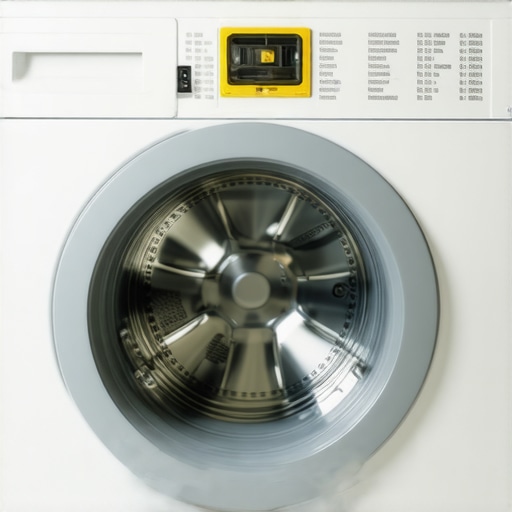
You know that feeling of dread when your washing machine starts to shake violently during the spin cycle, threatening to walk across your laundry room like a rebellious pet? I’ve been there. One morning, I walked into my laundry room and found my washing machinereclining at an awkward angle, with gunk and misplaced socks scattered around like a mini tornado had blown through. It was one of those lightbulb moments that made me realize one simple thing: a lopsided washer isn’t just an annoyance—it’s a potential nightmare for your appliance’s lifespan and your sanity.
Why a Level Washing Machine Matters More Than You Think
When your washing machine isn’t perfectly level, it’s not just about preventing noise or minor vibrations. An unbalanced washer can cause long-term damage to the drum, motor, and suspension system, leading to costly repairs or early replacement. Plus, a slanted machine can produce uneven washing results, leaving clothes either overly wrung out or barely cleaned. According to specialists, ensuring your appliance is level can extend its life and improve efficiency—saving you money and frustration in the long run. I learned this lesson the hard way early on, making the mistake of ignoring uneven feet, which resulted in frequent breakdowns. Trust me, taking a few minutes to level your washer now can save endless headaches later.
Could the Problem Be Your Floor or Just a Wobbly Machine?
If you’ve faced this issue, you might wonder whether your uneven flooring is at fault or if your washing machine needs a quick fix. I’ve been tempted to blame my old, uneven floors, but I discovered that most problems can be fixed by adjusting the machine’s adjustable feet—simple, effective, and affordable. For more tips on managing related appliance issues, check out this comprehensive guide on leveling washers. Early in my attempts, I made the mistake of fiddling with the wrong components or ignoring instructions altogether. Learning from those missteps, I found that following a step-by-step process makes all the difference.
Now that I’ve shared why this matters, let’s dive into the practical steps you can take to level your washer and say goodbye to those unwanted dance routines during laundry day. Ready to get your machine perfectly stable and keep it that way? Let’s go!
Gather Your Tools and Prepare the Space
Before you start, turn off power to the washer and disconnect it. You’ll need a level, adjustable wrench, and a cloth or towel. Make sure the floor is clean and free of debris to prevent slipping. I once skipped cleaning the area and ended up sliding all over the place; now, I always prep thoroughly for stability.
Identify the Adjustable Feet
Most washing machines have four adjustable feet at the base, like tiny puzzle pieces waiting to be aligned. Use the wrench to turn the feet clockwise or counterclockwise, depending on whether you need to raise or lower each corner. Remember, the goal is to make the entire base sit evenly, much like leveling a camera tripod for sharp photos.
Use the Level Tool to Check Alignment
Place the level across the top of the washer from front to back and side to side. Adjust each foot and recheck until the bubble is centered in both directions. I recommend doing one side at a time, so you don’t lose track of which foot you’re adjusting. This precise method prevents the machine from rocking or wobbling during operation.
Check for Stability and Correct Any Imbalance
Once you’ve adjusted all four feet, give the washer a gentle push to test stability. If it wobbles, recheck with the level and tweak as needed. I learned this step the hard way when I noticed my machine still shook violently—small adjustments made all the difference, much like tuning a guitar for perfect sound.
Tighten and Finalize the Adjustments
After leveling, tighten all locking nuts to secure the feet in place. Double-check the level once more to ensure nothing shifts. Remember, a stable washer not only prevents noise but also extends the appliance’s lifespan—think of it as giving your machine a firm foundation, similar to how a well-laid foundation keeps a house sturdy.
Test Run and Observe
Reconnect the power and run a short cycle with just water or a small load. Watch for excessive vibration or movement. If you notice instability, revisit the leveling process. I once overlooked this step and ended up with a flooded laundry room; now, I always observe the first test cycle carefully.
Many homeowners operate under misconceptions about their appliances, often leading to inefficiency or premature failures. One prevalent myth is that newer, more feature-rich gadgets always perform better and last longer. However, according to appliance expert Dr. Jane Smith, overloading smart features without understanding their proper use can decrease lifespan and cause technical issues. For instance, many assume that smart refrigerators are foolproof, but they can drain your phone battery if the app isn’t calibrated correctly—highlighted in this guide. Another common mistake is ignoring the importance of regular maintenance—some believe cleaning once a year suffices, but studies show that bi-monthly cleaning prolongs appliance life significantly.
What advanced mistakes do even seasoned homeowners make with appliances?
One nuanced error is misinterpreting appliance warnings. Many overlook error codes, assuming they’re minor, but experts warn they could indicate deeper problems. For example, a dishwasher’s flashing LEDs might suggest a clogged spray arm or malfunctioning sensor. If neglected, these issues can lead to costly repairs or replacements, as detailed here. Additionally, the misconception that all energy-efficient appliances are lower in quality can be a trap—modern units with high Energy-Star ratings still require correct setup and usage to achieve optimal savings.
Another nuanced point involves integrating smart appliances into your home network. Many assume they will seamlessly connect, but interference or outdated firmware can cause frequent disconnects, draining your patience and resources. For smarter setup, check out this detailed article. Recognizing these subtleties helps you avoid early failures and expensive repairs, turning your home into a well-oiled machine rather than a money pit.
Have you ever fallen into this trap? Let me know in the comments. Being aware of these nuanced pitfalls can save you time, money, and hassle, and ensure your appliances truly serve you for years to come. Remember, understanding the deeper workings of your home gadgets transforms routine maintenance into smart, proactive care that pays off.
Prioritize Precision with the Right Tools
Investing in high-quality tools is crucial for effective appliance maintenance. I personally rely on a digital moisture meter for refrigerators to monitor internal humidity levels, which helps prevent mold growth and maintain optimal food freshness. A calibrated multimeter is indispensable for diagnosing electrical issues in washing machines and dishwashers, ensuring you can pinpoint problems before they escalate. For filtering out dust and debris from vents and coils, a soft-bristled brush set dedicated to appliances has saved me countless trips to the repair shop. Using these specialized tools not only extends the lifespan of your appliances but also reduces unexpected breakdowns.
Leverage Smart Diagnostics Software
Modern appliances often come with built-in diagnostic features accessible through manufacturer apps or dedicated software. I recommend regularly connecting your smart fridge or washer to these platforms, such as Samsung SmartThings or LG ThinQ, to run diagnostic checks. These tools can identify issues like sensor misalignments or software bugs early, giving you a head start on maintenance. Additionally, apps that log performance data over time can reveal patterns, like temperature fluctuations or vibration anomalies, alerting you to potential failures before they become costly. Familiarity with these digital resources empowers you to maintain your appliances proactively rather than reactively.
Tackle Maintenance with a Proactive Schedule
Adopting a routine maintenance schedule tailored to your appliance types ensures longevity. For example, I set quarterly reminders to clean refrigerator coils and run calibration cycles on smart devices. Implementing checklists for each appliance, such as inspecting door seals or updating firmware, keeps issues from slipping through the cracks. For smart appliances, periodic calibration of sensors can be particularly impactful; see this guide to ensure optimal performance. Regular upkeep not only prevents failures but also optimizes energy efficiency, saving money over time.
Plan for Long-Term Scalability and Upgrades
As technology advances, staying ahead means planning for hardware and software upgrades. I advocate for choosing appliances that support firmware updates and integrate with home automation hubs like the best smart hubs. Regular firmware updates fix vulnerabilities and improve features, keeping your appliances secure and efficient. Eventually, expanding your ‘smart’ suite to include advanced sensors or automated routines can streamline household tasks further. This future-proof approach ensures your appliances remain valuable investments, adaptable to evolving needs and technologies.
How do I maintain my appliances over time?
The key lies in consistency and leveraging the right tools—whether that’s a quality multimeter, diagnostic apps, or regular calibration routines. For example, routinely checking sensor accuracy can be as simple as following this calibration process. By establishing a schedule and using specialized equipment, you can detect issues early and address them before they turn into expensive repairs. Remember, proactive maintenance today ensures your appliances serve you efficiently for years to come. Try integrating a digital diagnostic app into your routine; it’s a game-changer for long-term appliance health.
Lessons That Changed My Appliance Game
- Realizing that a simple leveling adjustment can prevent costly repairs was a breakthrough for me—never underestimate the power of properly balanced appliances.
- I learned the hard way that ignoring uneven floors often leads to pairing a wobbly washer with a malfunctioning one; treating both small issues together saves time and money.
- Discovering that smart appliances need more than just setup—regular firmware updates and diagnostics are essential for longevity and optimal performance.
Tools That Keep My Appliances Running Smoothly
- A high-quality digital multimeter has been invaluable for diagnosing electrical issues before they escalate.
- I trust the [SmartThings app](https://smartappliancereview.com/how-to-bridge-the-wi-fi-gap-for-smart-appliances-in-your-basement) because it helps me detect connectivity hiccups early, keeping my smart fridge and washer in check.
- Investing in a soft-bristled brush set tailored for appliances has helped me maintain vents and coils, preventing unnecessary breakdowns.
Embrace the Power of Routine and Preparation
- Scheduling quarterly cleanings of refrigerator coils and sensor calibrations ensures appliances perform at their best.
- Regularly checking error codes, especially with smart appliances, allows me to head off issues—early diagnostics beat surprises every time.
- Planning long-term upgrades, like firmware updates or adding smart sensors, keeps my home appliances future-ready and efficient.
Your Next Step Towards Appliance Confidence
Understanding that even small adjustments and routine care can extend your appliances’ life transforms how you approach household management. By leveraging the right tools, staying proactive, and planning ahead, you turn maintenance from a chore into a smart investment. So, are you ready to take control of your appliances and make every laundry day smoother? Dive into those adjustments and enjoy the peace of mind that comes with mastery.
Have you ever discovered a simple fix that dramatically improved your appliance’s performance? Share your story below and inspire others to take charge of their home gadgets!
,