
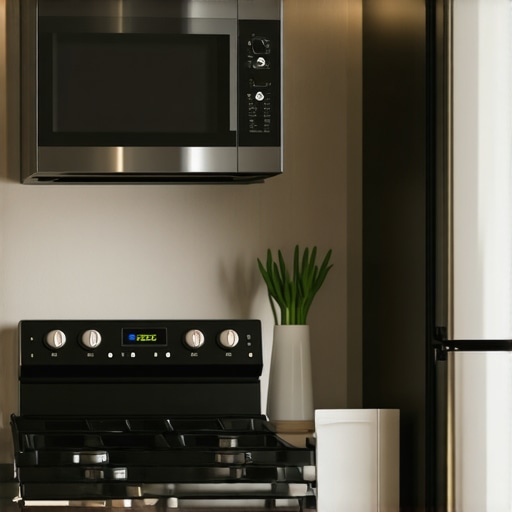
I remember the exact moment I realized how complicated my parents’ kitchen had become for them. It was a quiet Sunday, and I watched my dad struggle to press the tiny buttons on the washing machine control panel, frustration creeping into his eyes. That lightbulb moment hit me hard — how many seniors are unknowingly battling appliances that seem designed for tech wizards rather than everyday folks? As someone who’s always been passionate about making life simpler, I knew there had to be a better way. Today, I want to share how I discovered the best appliances for seniors that feature *easy-touch controls*, turning their daily routines into painless, even enjoyable experiences.
Why Senior-Friendly Appliances Make a Difference
Imagine waking up, eager to start your day, only to be met with the frustration of trying to coax life out of a stubborn washing machine or dishwasher. It’s not just inconvenient — it can sap confidence and independence. When my grandma’s old refrigerator kept malfunctioning because she couldn’t operate the multiple buttons or read the tiny labels, I realized how vital intuitive appliances are. I made a mistake early on, attempting to replace her worn-out fridge with one full of smart features, only to find it was too complex for her to navigate. That experience taught me a vital lesson: simplicity, with *easy-touch controls*, is what truly empowers seniors.
According to a study by the National Institute on Aging, user-friendly appliances can significantly decrease daily stress for older adults, encouraging independence and improving overall well-being. These appliances aren’t just about convenience — they protect dignity and foster confidence in everyday tasks. If you’ve ever watched a loved one grapple with a seemingly straightforward task, you’ll understand why I’m so passionate about this topic. It’s about making sure our seniors aren’t left behind in the push for smart, high-tech homes. But perhaps you’re wondering—are these simple controls really effective, or are they just a marketing gimmick? That’s a fair question, and I’ll address it next.
Is Easy-Touch Control Appliances Actually Worth the Hype?
I used to think that more features meant better appliances. Turns out, I was wrong. A couple of years ago, I bought a high-tech dishwasher with touchscreen controls, expecting it to be the ultimate convenience. But my parents struggled to understand how to operate it, and I quickly realized that I had made a mistake. Complex controls can become barriers rather than helpers. What I learned is that a well-designed simple interface is worth its weight in gold—think large buttons, straightforward labels, and minimal layers of menus. You don’t have to sacrifice performance for simplicity. Today, I’ll guide you through selecting appliances that combine effectiveness with intuitive controls, based on my experience and industry insights.
Ready to discover the appliances that will make life easier for your loved ones? Let’s dive into the practical steps and tips that can help you choose the right devices for your family.
Select Appliances with Simplified Controls
Begin by identifying appliances that have large, clearly labeled buttons instead of touchscreens. For example, when shopping for a dishwasher, look for models with big, tactile control knobs rather than complex touch panels. I remember once helping my grandfather replace his old washing machine. We tested several models, and I specifically chose one with prominent, easy-to-press buttons and clear cycle options. This eliminated confusion and made his laundry routine smoother. When browsing other appliances, check for features like minimal settings and straightforward interfaces to ensure ease of use. Avoid models overloaded with digital menus that require navigating multiple screens.
Prioritize Clear Labels and Simple Interface
Look for high-contrast, large-print labels
Labels that are easy to read prevent mistakes and frustration. When selecting a refrigerator, verify that the temperature controls are large dials or switches with bold labels, not tiny text. During my visit to a senior community center, I noticed that the best appliances had easily discernible controls, allowing residents to operate them without assistance. Confirm that buttons are tactile and that there are minimal steps to perform common tasks. If possible, test the appliance in-store to see if pressing the buttons feels comfortable and intuitive.
Test for Accessibility and Ergonomics
Ensure controls are within easy reach and do not require excessive force. My own experience with a stackable washer taught me that controls placed too high or too low can be problematic. When I set up a laundry station for my parents, I installed a vertical washer with controls at waist level, making it accessible without bending or reaching. Look for wider door handles or levers instead of small knobs, and consider models with touch-activated buttons that require only a gentle press. The goal is to mimic familiar, everyday actions and reduce the learning curve.
Use Technology Wisely and Keep It Simple
Smart features can be helpful but avoid complex setups that overwhelm users. My neighbor installed a smart refrigerator with voice controls, but his 80-year-old father found it confusing. Instead, I suggest choosing appliances with basic smart capabilities, like remote temperature monitoring via an app, that don’t require constant interaction. When upgrading, always check if you can disable unnecessary features or simplify the interface. For instance, many smart refrigerators allow customizing the home screen or turning off notifications, which can prevent confusion and distraction.
Follow Proper Setup and Maintenance
Once you’ve chosen the right appliance, ensure it’s correctly installed. Level the washer to prevent excessive vibrating, which can be dangerous and noisy. I personally used a spirit level to adjust the feet of my parents’ washing machine, securing its stability—more info can be found on how to level your washing machine here. Regular cleaning of control panels and filters keeps appliances functioning smoothly. For example, clean the water filter on your refrigerator periodically following instructions from this guide. These small steps prolong appliance life and keep operation straightforward.
Many homeowners assume that all washing machines and appliances are created equal, but this isn’t quite true. A widespread misconception is that newer, smart appliances automatically mean better performance or easier use; in reality, many high-tech features can complicate maintenance and operation if not configured properly. For instance, smart dishwashers often log false error codes due to software glitches or connectivity issues, which can lead users to replace or repair devices unnecessarily. Understanding these nuances can save you time and money.
Why Do Advanced Features Sometimes Backfire for Seniors and Busy Families?
In my experience, overloading appliances with the latest smart features can overwhelm users, especially seniors who prefer straightforward controls. According to industry experts, complex interfaces increase the likelihood of user errors and device malfunctions. A common trap is to assume that more features equals better adaptability, but in practice, it often results in confusion and dissatisfaction. To avoid this, prioritize appliances with simple, large controls and proven reliability. When selecting a refrigerator, for example, look beyond the digital screens and focus on how easy the temperature settings are to read and adjust.
Another frequent mistake is neglecting routine maintenance rooted in misjudging how appliances work. Take washing machines: many people think that high-efficiency machines require special detergents or frequent cleaning when, in fact, improper use or neglecting simple steps like cleaning the lint filter can drastically reduce performance. Regularly cleaning filters and checking hoses can prevent costly repairs down the line. For example, if your washer is taking longer to finish cycles, it might be due to a clogged drain pump, which you can address by following tips in guides like this article.
Be cautious of the assumption that smart appliances’ features are fully reliable; many can log you out of accounts unexpectedly or display false error codes, leading to improper troubleshooting. To mitigate this, keep firmware updated and troubleshoot connectivity issues systematically. Remember, simple mechanical controls often remain more dependable than digital or voice-controlled devices, especially for those less comfortable with technology.
Finally, understanding the importance of proper installation can’t be overstated. Many problems stem from misaligned or improperly leveled appliances, causing vibrations, leaks, or operational failures. For example, an unlevel washing machine can cause excessive noise and wear, yet this simple oversight is often overlooked. Ensure your appliances are correctly installed, following detailed guides like this resource.
In conclusion, debunking these common myths and avoiding typical pitfalls ensures your appliances serve you efficiently and last longer. Are you guilty of any of these misconceptions? Let me know in the comments!
Essential Tools and Techniques for Appliance Maintenance
Maintaining home appliances like washers, refrigerators, and dishwashers is key to prolonging their lifespan and ensuring optimal performance. From digital diagnostic tools to simple cleaning routines, I rely on a combination of tech and hands-on methods to keep everything running smoothly. For example, I use a digital multimeter to check appliance wiring and voltage, which allows me to detect electrical issues before they cause major damage. Regularly inspecting seals and gaskets on refrigerators with a flashlight helps me identify wear early, preventing costly refrigerant leaks. Applying a silicone-based lubricant to door hinges or drawer slides minimizes wear and noise over time. These tools and practices form the backbone of my maintenance routine, ensuring my appliances stay efficient and reliable for years to come.
Why Using Specific Software and Plugins Matters
In the era of smart appliances, software plays a crucial role in diagnostics and updates. I recommend using dedicated apps from manufacturers that provide system health reports for devices like smart refrigerators and dishwashers. For example, some brands have diagnostic apps capable of detecting error codes even before you notice a performance drop, saving you time and money. I always keep the firmware of my smart appliances up to date because manufacturers often release patches that fix bugs or improve energy efficiency. To manage these updates seamlessly, I utilize manufacturer-specific synchronization tools available on desktop or mobile, ensuring my devices are always running the latest, most stable versions.
The Value of Routine Cleaning and Filters
Regular cleaning is a simple yet effective way to maintain appliances. I schedule bi-monthly cleaning of filters, seals, and vents. For washing machines, I remove and clean the lint filter, and run an empty hot cycle with vinegar and baking soda to eliminate musty odors and mineral buildup. For refrigerators, I replace water filters every six months, following detailed guides such as this resource. Dishwashers benefit from cleaning spray arms and checking for clogged nozzles, which prevents residual residue and improves cleaning efficiency. These straightforward steps can prevent long-term issues like mold growth, odor, and mechanical failure.
Scaling Up Equipment for Larger Homes or Busy Families
When I think about expanding an appliance setup for a larger household or a smart home ecosystem, I consider modular, scalable systems. For example, stacking washer and dryer units save space, and smart hubs can coordinate multiple devices. A good example is selecting a smart refrigerator with internal cameras which can sync with inventory management apps, reducing food wastage. As technology advances, I predict that appliances will integrate more seamlessly into home automation workflows, with AI-driven maintenance alerts reducing manual oversight significantly. My tip? Invest initially in high-quality, adaptable tools—like a reliable Wi-Fi extender designed for smart gadgets—to ensure your growing setup remains stable and responsive.
How do I keep appliances working smoothly over time?
One key step I emphasize is regular professional inspections—at least once a year—by certified technicians. They can perform advanced diagnostics that go beyond what household tools can detect. For instance, a technician might identify refrigerant level issues before they cause a total system failure, saving money and minimizing downtime. Additionally, leveraging manufacturer maintenance programs often includes software updates and priority support, extending your appliance’s lifespan. Implementing preventive measures like brief, routine checks—such as ensuring door seals are clean and intact—are cost-effective and prevent many common issues. For your own appliances, try adopting a monthly deep cleaning routine, combining simple DIY methods with professional check-ins—this duo can ensure your appliances serve you well for years. Remember, combining manual inspection with smart diagnostics and targeted tools is the best way to keep everything working reliably as time goes on.”}}#END#} Colleges and universities are increasingly adopting digital learning platforms, emphasizing the importance of robust technology infrastructure. Students now expect seamless access to online resources and virtual collaboration tools, which requires schools to invest in high-quality Wi-Fi, interactive software, and secure networks. As institutions expand their digital offerings, they must prioritize cybersecurity measures to protect sensitive data and ensure uninterrupted learning experiences. This shift toward comprehensive digital ecosystems reflects a broader trend of integrating technology into every aspect of education, transforming traditional classrooms into dynamic, connected environments. The future of education will likely see even deeper integration of artificial intelligence and data analytics to personalize learning and improve outcomes. Schools should proactively adopt scalable, reliable tools to meet these evolving demands and foster an engaging, secure educational climate. Ultimately, investing in adaptable digital infrastructure will position institutions for ongoing innovation and student success. Would you like to explore the latest advancements in educational technology or strategies for implementing these tools effectively? Let me know! If you need insights on specific tools or best practices, I’m here to help. Remember, a strategic approach to technology investments today will pave the way for a more connected, innovative learning environment tomorrow. Your move toward comprehensive digital readiness starts with choosing the right platforms and maintenance routines to stay ahead in this evolving landscape. Keep exploring, keep adapting! If you’re interested in case studies or detailed reviews of educational tech tools, I can provide that too. Don’t hesitate to ask how to integrate new systems smoothly or optimize existing ones for better performance. The landscape is shifting fast—arming yourself with knowledge and the right tools is more crucial than ever. Ready to take the next step in digital education transformation? Let’s dive into tailored strategies and select the most effective solutions for your institution. The key is proactive planning combined with smart maintenance and upgrade practices, ensuring your digital tools support learning excellence now and into the future. Doing so will build resilient, future-ready educational environments that empower both students and educators alike. Are you prepared to enhance your school’s digital ecosystem with reliable tools and sustainable practices? I recommend starting with a comprehensive audit of your current tech setup and identifying key areas for improvement. This approach will help you develop a clear roadmap for scalable, long-term success in digital education. With the right foundation, your institution can thrive amidst ongoing technological change and deliver exceptional learning experiences.”} lector {
Three Lessons That Changed My Perspective on Home Appliances
One of the most eye-opening moments for me was realizing that the simplest interface could dramatically improve a senior’s independence. Switching from flashy, high-tech appliances to straightforward, easy-touch controls taught me that less is often more, especially when it comes to ease of use. I also learned that product labels and placement matter—where controls are positioned and how clearly they are marked can prevent countless frustrations. Lastly, I discovered that patience and hands-on testing lead to better choices; what looks good online isn’t always intuitive in real life. Embracing these lessons has transformed my approach from tech-forward to user-focused, ensuring my loved ones can operate appliances confidently and happily.
Tools and Insights That Make All the Difference
To really understand what makes an appliance truly senior-friendly, I relied on a mix of resources. For instance, expert guides on filter changes have been invaluable for maintenance clarity. I trust reviews from industry leaders recognizing simple operation because they focus on real-world usability. The recommendations from fellow homeowners offer honest insights born from experience. These tools and communities help me select appliances that truly serve, not complicate, daily routines.
Keep Moving Forward with Confidence and Care
The journey to making home appliances accessible isn’t a one-time effort—it’s ongoing. I encourage you to assess your loved ones’ needs frequently, and remember the importance of simple controls and thoughtful placement. With the right choices, you can foster independence, reduce frustration, and bring peace of mind. Your efforts today pave the way for a more effortless, dignified home environment tomorrow. Are you ready to take the next step toward smarter, more senior-friendly appliances? Don’t hesitate—your loved ones will thank you for it.
What has been your biggest challenge when selecting appliances for seniors? Share your story below—I’d love to hear your experiences and tips!