
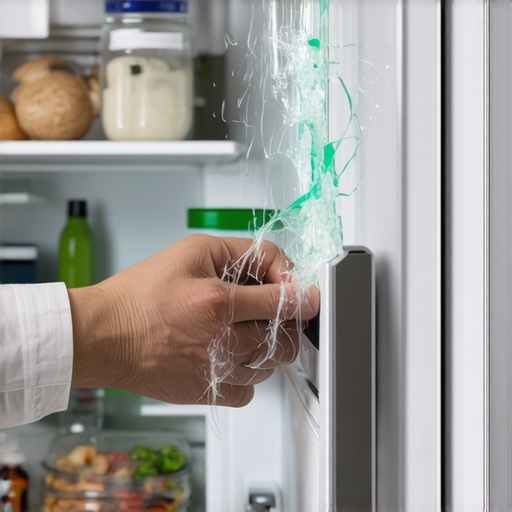
One morning, I reached into my fridge to grab some leftovers, only to hear a sad crack beneath my hand. My heart sank as I saw a large, jagged fracture running across the refrigerator shelf I relied on daily. It was a moment of frustration and realization that these tiny, often overlooked parts can unexpectedly betray us. Have you ever experienced that sinking feeling when a fridge shelf suddenly cracks, threatening the integrity of your food storage? You’re not alone. These crashes happen more often than most people realize, often because of overlooked stress points or fragile materials, especially in older models.
The Frustration of a Cracked Shelf and Why It Matters
Refrigerator shelves are intended to be sturdy yet lightweight, but they often get a rough deal—literally. The worst part? A cracked shelf isn’t just about aesthetics. It can jeopardize your food safety, cause spills, or even damage your expensive appliances. Plus, finding a suitable replacement isn’t always straightforward, especially for those tricky non-standard sizes or custom designs. That’s precisely what I want to help you with today. In this post, I’ll share my personal experience and guide you step-by-step on how to replace that cracked shelf, saving you money and stress.
Is Replacing the Shelf Actually Worth It or a Waste of Time?
Early in my repair journey, I made the mistake of dismissing a cracked shelf as a minor inconvenience. But neglecting it led to more issues—food falling, spills, and a fragile refrigerator that needed more frequent repairs. The truth? Replacing that broken shelf was more than about fixing a crack; it was about maintaining the overall health of my appliance. If you’d like to avoid similar headaches, I’ll walk you through why fixing your fridge’s shelves is crucial and how to do it right. And if you’re concerned about quality, I recommend checking out detailed guides on replacing refrigerator gaskets for tips on keeping your fridge airtight and efficient.
But enough about my mishaps. Let’s get into how you can confidently tackle this common problem and restore your fridge’s function and appearance. Ready to become a fridge repair pro? Let’s dive into the practical steps next.
,
Remove the Damaged Shelf Carefully
Start by unplugging your refrigerator—safety first, much like disconnecting a power tool before maintenance. Clear out any food or items resting on the cracked shelf. Use a flathead screwdriver or your hands to gently lift the shelf’s edges, mimicking the way you’d pry out an old window sash, to avoid further breakage. I once applied too much force on a brittle shelf, causing more cracks, so patience is key.
Measure and Identify the Replacement Part
Next, measure the dimensions—length, width, and height—using a tape measure. Take note of the material and color to match existing shelves. For a precise fit, compare your measurements with the manufacturer’s specifications. For older models, parts could be non-standard, so it’s wise to consult your refrigerator’s manual or visit manufacturer websites. When I replaced my shelf, I found a perfect match online, which saved me the headache of improvising with makeshift solutions.
Order a Suitable Replacement
Order the new shelf from the manufacturer, a reputable appliance parts store, or online retailer. Use search terms like ‘refrigerator shelf for [model name or number].’ Ensure the part number matches your model to avoid incompatible sizes. When I ordered my replacement, I went for a reinforced glass shelf to withstand heavier loads—an investment in durability that paid off with no more cracks after heavy use.
Install the New Shelf Securely
Once the part arrives, unbox it carefully, avoiding stress on the fragile edges. Place the shelf into the tracks or supports inside your fridge—the way a relay race baton fits into a runner’s hand. Tilt slightly if needed to slide it past hooks or supports, then press down gently until it clicks into place. Remember, forcing the shelf might cause new cracks, so gentle yet firm pressure is best. During my last install, I used a flashlight to ensure the shelf was seated properly, preventing future tilts or slips.
Test Stability and Function
After installation, load the shelf with a few lightweight items first, then gradually add more weight. Wiggle the shelf slightly to check for wobbling—just as you would test a newly built bridge’s stability. A properly installed shelf should feel solid and level. I learned this the hard way when I overloaded a new shelf, causing it to crack again. So, distribute weight evenly and avoid sharp, heavy objects to prolong its lifespan.
Maintain and Prevent Future Cracks
Regularly inspect the shelf for signs of stress or damage. Use protective liners if you store heavy or sharp objects—think of it as cushioning fragile ceramics in a moving box. Proper maintenance prevents sudden cracks and extends the life of your refrigerator’s interior. For additional refrigerator tips, check out our guide on checking your refrigerator coils, which impacts overall performance.
Many homeowners are quick to assume that modern appliances like washing machines, dishwashers, and smart refrigerators are foolproof, but the truth is, there are subtle misunderstandings that can lead to inefficiency or breakdowns. One common misconception is that newer models require less maintenance, yet they often come with complex features that, if misused, can reduce their lifespan. For example, many believe that leaving the water filter in place at all times is best, but bypassing or cleaning filters regularly actually preserves the appliance’s performance. Additionally, some think that running appliances at full capacity always saves time, but overloading can strain components and cause premature failure. In my experience, paying attention to these nuances helps avoid costly repairs and extends device life.
Another tricky aspect is the assumption that all cleaning cycles are equally effective. While increased cycle times might seem beneficial, they can sometimes be inefficient, especially if the appliance isn’t properly maintained or loaded. For instance, regular cleaning of spray arms in dishwashers with cleaning spray arms can drastically improve performance. Overlooking these small details is a missed opportunity to optimize your appliances’ lifespan and efficiency.
How do smart features sometimes undermine your appliance’s longevity
Many people rely heavily on smart technology, but overly frequent firmware updates or incorrect app configurations can cause compatibility issues or unexpected malfunctions. According to expert insights, ignoring recommended update procedures or misusing remote features can increase the risk of technical glitches. For example, constantly disconnecting and reconnecting your smart oven without following proper reset protocols might lead to connectivity issues that diminish its functionality. It’s crucial to understand that smart appliances, despite their convenience, require a nuanced approach for maintenance and troubleshooting, much like traditional devices, but with added layers of complexity. Have you ever fallen into this trap? Let me know in the comments.
Invest in Quality Tools for DIY Repairs
Having the right tools can make all the difference in maintaining and troubleshooting your home appliances. I personally swear by a high-quality digital multimeter like the Fluke 117. It allows me to accurately diagnose electrical issues in appliances such as washing machines and refrigerators, saving me time and preventing further damage. A sturdy set of screwdrivers, both Phillips and flathead, with magnetic tips helps when removing panels or replacing parts without slipping. Additionally, a plastic pry tool set is invaluable for opening casings gently, avoiding scratches or damage. These tools aren’t just for emergency fixes—they empower you to perform routine checks and minor upgrades confidently.
Utilize Specialized Software for Appliance Monitoring
Modern appliances often come with smart features that can be monitored and diagnosed via dedicated apps or software. For example, I recommend using the official manufacturer apps to check for firmware updates, troubleshoot error codes, and optimize performance. For refrigerators, apps like the LG ThinQ provide real-time alerts about temperature fluctuations or door seals issues. Similarly, smart dishwashers often connect to platforms that track cycle efficiency or detect clogs early. Regularly reviewing these data points helps catch problems before they escalate. As appliance technology advances, integrating monitoring tools enhances longevity and ensures consistent performance.
Implement Routine Maintenance Practices
Consistent maintenance is essential to prevent costly failures. I suggest setting a seasonal schedule to clean components like condenser coils, filters, and spray arms. For instance, cleaning the condenser coils of your refrigerator with a coil brush significantly boosts efficiency and reduces strain on the compressor. For dishwashers, periodically inspecting and clearing the spray arms from debris ensures even cleaning and prevents residual odors. Additionally, replacing water filters on schedule, such as with fridge water filters, helps maintain water quality and extends appliance lifespan. These small steps collectively maintain peak performance over the years.
Predict the Future of Appliance Maintenance
As smart technology evolves, I predict a future where appliances will proactively notify homeowners about issues and even schedule maintenance automatically. IoT-enabled sensors can detect wear and tear before failures happen, guiding users to perform timely repairs. For instance, smart washing machines might alert you when the shock absorbers need replacement or when the drum bearings are wearing out. Embracing these innovations now—like installing maintenance-friendly tools or smart monitors—prepares us for a more effortless and reliable appliance experience long-term. Keep an eye on developments in IoT diagnostics; they will revolutionize maintenance routines and reduce downtime significantly.
How do I maintain appliances over time without breaking the bank?
To keep your appliances running smoothly and avoid frequent repairs, combine regular DIY inspections with affordable tools and routine cleaning. Remember, knowledgeable use of preventive measures can save you hundreds in repair costs annually. For example, regularly checking your refrigerator’s coils and ensuring proper leveling can prevent premature compressor failure. Try integrating smart monitoring apps with your appliances to receive early warning alerts—this combination makes maintenance manageable and cost-effective. By investing in a quality multimeter and adopting a scheduled maintenance plan, you turn troubleshooting from a daunting task into a manageable routine. Consistency is key, so mark your calendar and stay proactive. Want to streamline your appliance upkeep? Start by calibrating your washing machine’s load sensors using the method from this guide, and notice the improvements in efficiency and longevity. Give it a try today to see the difference it can make.
The Hardest Lesson I Learned About Home Appliances
One of the most valuable lessons I discovered was embracing patience over haste. Rushing through a repair or maintenance task often leads to more damage or subpar results. Taking the time to measure accurately or consult manuals pays off in the long run. I used to think quick fixes were enough, but now I understand that meticulous attention ensures longevity for appliances like refrigerators and washing machines.
The Myth of Maintenance-Free Modern Appliances
Many believe that new, smart appliances are maintenance-free marvels. However, my experience shows that even the most high-tech devices require regular checks—like cleaning condenser coils or updating firmware. Ignoring these small tasks can lead to unexpected breakdowns and costly repairs. The secret is consistent care, which keeps your appliances performing at their best.
How I Learned to Trust Quality Tools
Investing in reliable tools transformed my repair approach. A good digital multimeter, sturdy screwdrivers, and plastic pry tools have been game-changers. They give confidence during troubleshooting and prevent accidental damage. My advice? Don’t skimp—quality tools save time and money, and more importantly, keep you safe as you maintain your home appliances.
Future-Proofing with Smart Monitoring
Apps and sensors now allow preemptive diagnostics—catching issues before they escalate. Connecting appliances like your fridge or dishwasher to monitoring platforms has been enlightening. It’s like having a medical check-up for your appliances, which minimizes downtime and repairs. Embrace these tech advances, and your home will thank you with years of trouble-free service.
Everyday Tips That Extend Appliance Lifespan
Small habits make a big difference: regular cleaning, proper loading, and weight distribution—these are my go-to practices. For instance, aligning your washing machine with a level, as explained in how to level your washing machine, greatly reduces vibrations and wear. My biggest takeaway? Proactive maintenance is the secret to lasting appliances and less stress in your day-to-day life.
¡”}️