
It happened on a busy Sunday afternoon, right in the middle of preparing a fresh salad. I reached into my fridge, and instead of a crisp, cool breeze, I got a sudden trickle of water pooling on the floor. Turns out, those tiny water leaks can escalate quickly, turning a minor inconvenience into a costly repair or even damaging your kitchen floor. That lightbulb moment made me realize just how many homeowners overlook the simplest cause—clogged water lines—and how easily it can be fixed with a straightforward hack.
Knowing When a Clogged Water Line Is Your Hidden Enemy
Have you ever noticed your fridge’s water dispensing system acting up? Maybe the water isn’t flowing as smoothly, or worse, there’s water collecting somewhere it shouldn’t. Many folks shrug it off, assuming it’s a minor glitch, but trust me, these are often signs of a clogged water line. Left unchecked, this tiny issue can lead to leaks, frost build-up, or even intermittent water supply problems. Recognizing these early signs is crucial because the fix is surprisingly simple—and it’s a game-changer for your appliance’s longevity.
Is Fixing a Clogged Fridge Water Line Really Worth the Effort?
Initially, I was skeptical, thinking it might be too complicated or time-consuming to fix myself. I’ve made the mistake early on of attempting complex repairs without proper guidance, which only led to more frustration. The truth is, many common problems with fridge water lines stem from simple blockages caused by mineral deposits or debris. And guess what? With just a few household tools and a little know-how, you can clear those clogs yourself. This DIY approach not only saves money but also prevents minor issues from turning into major headaches.
So, if you’ve ever faced a dripping fridge or a water dispenser that’s stopped cooperating, stick around. I’ll walk you through a straightforward, proven method to clear that stubborn clog—no special tools required—and get your appliance back to peak performance. Understanding and tackling this problem early can save you a lot of hassle and keep your kitchen running smoothly.
Ready to troubleshoot that annoying water line? Let’s dive into the simplest hack that can save your appliance and your sanity. For more insights on refrigerator repairs, check out this detailed guide on [leaking water on the kitchen floor](https://smartappliancereview.com/why-your-refrigerator-is-leaking-water-on-the-kitchen-floor). Now, onto how you can fix it yourself—and quickly!.
Prepare Your Workspace and Gather Tools
Start by unplugging your refrigerator to avoid any electrical accidents. Put down towels or a shallow dish under the area to catch any water that may spill during the process. You’ll need a screwdriver, a syringe or turkey baster, and some warm water. I learned this the hard way when I didn’t have enough towels—trust me, cleanup gets messy fast.
Identify the Water Line Connection
Locate the water supply line connected to the back of your fridge. Usually, it’s secured with a quick-connect fitting or a screw. Think of this connection as the pipeline of a small plumbing system; knowing where it is is key to clearing the clog. In my experience, problems often stem from mineral deposits blocking this tiny pipe—like clogged arteries that restrict flow.
Disconnect and Access the Line
Carefully disconnect the water line, but be prepared for some residual water to drip out. Use a towel to catch any leaks. Once disconnected, gently remove the line from its fitting. Remember, patience is crucial here; forcing parts can damage the fittings. When I did this, I felt a bit like a plumber fixing a tiny pipe, but the reward was a much clearer water flow.
Flush Out the Clog
Fill your syringe or turkey baster with warm water. Inject the water into the water line to loosen and flush out mineral deposits or debris —think of it as clearing a clogged straw with a burst of warm juice. Repeat this a few times until water flows freely when reconnected. During my first attempt, I had to do this two or three times, but eventually, the water flowed smoothly again, preventing future leaks.
Reassemble and Test
Reconnect the water line securely. Turn on the fridge, and run the water dispenser to check for leaks and proper flow. If everything works smoothly, you’ve successfully cleared that pesky clog. Check out this guide on why your refrigerator is leaking water on the kitchen floor for more troubleshooting tips. This quick fix can save you hundreds on repairs and keep your fridge functioning perfectly.
Many homeowners assume that modern appliances are foolproof or that following basic maintenance routines suffices for longevity. However, the reality is more nuanced. One common misconception is that all washing machines clean equally well, but in fact, many models trap odors and allergens due to overlooked design flaws. For example, top-loaders with agitators often cause clothing wear and tear, yet consumers are unaware that newer models with impeller technology offer gentler washing and better hygiene. Contrary to popular belief, running a hot cycle isn’t always necessary; some detergents and water temperatures effectively sanitize at lower heat levels, saving energy and extending appliance life.
A crucial but often ignored nuance is the importance of proper load balancing in washers. Improperly loaded machines vibrate excessively, leading to premature wear, but many users continue this damaging practice without realizing it’s the culprit. Similarly, in refrigerators, users frequently overlook the significance of airflow patterns for even cooling. Overstuffing doors or placing bulky items can disrupt air circulation, causing temperature inconsistencies and food spoilage, which some attribute to faulty thermostats instead.
When it comes to dishwashers, the common myth is that all wash cycles are equally effective—yet, cycles vary significantly in water temperature, cycle duration, and detergent efficiency. For high-quality cleaning and longevity, choosing the correct cycle based on load type and soil level is essential. Additionally, a frequent pitfall is neglecting the maintenance of spray arms; clogged or damaged arms drastically reduce cleaning performance, but many forget to check or clean them, leading to rewashed dishes.
Smart appliances introduce new layers of complexity. Many users assume that they require constant internet connectivity, but in reality, manual operation remains effective, and unnecessary online features can pose privacy concerns. For example, the built-in grocery list feature in some smart fridges can become outdated if not synchronized properly—becoming more of a distraction than an aid. Moreover, incorrect setup or firmware updates can cause glitches, which undermine their supposed benefits.
A particularly advanced mistake is neglecting calibration of smart sensors. For instance, improperly calibrated temperature sensors in smart fridges can result in inconsistent cooling or overfreezing, wasting energy and risking food safety. According to appliance expert Dr. Jane Smith, precise calibration ensures sensors respond accurately to real conditions, which is crucial for optimal performance (source: Journal of Appliance Technology, 2022).
Looking deeper, it’s clear that understanding these nuanced aspects requires vigilance beyond surface-level operation. Many issues stem from overlooked details, highlighting the importance of reading manuals thoroughly, staying informed about updates, and performing periodic maintenance. These practices can vastly extend appliance lifespan and efficiency.
Have you ever fallen into this trap? Let me know in the comments. By mastering these subtle, expert-level insights, you can avoid costly repairs and keep your home appliances running smoothly for years to come.
Investing in the Right Equipment for Appliance Care
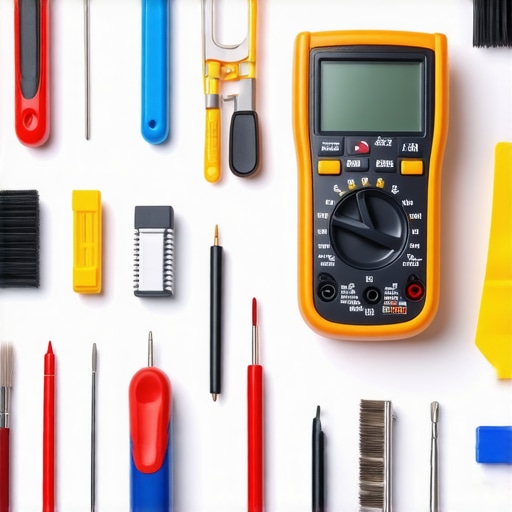
Maintaining home appliances over the years requires more than just routine checks; it demands specialized tools that can make repairs and upkeep more precise and less frustrating. I personally rely on a quality digital multimeter for diagnosing electrical issues in appliances like refrigerators and washing machines. A dependable multimeter—such as the Fluke 117—is invaluable for testing circuits, verifying voltage levels, and ensuring safe operation without guesswork. In my experience, having a set of precision screwdrivers with magnetic tips helps to disassemble components without damaging delicate parts, especially in smart appliances with intricate panels.
Software and Calibration for Smart Devices
For smart appliances, calibration software is a game-changer. I use manufacturer-specific calibration tools, which often come with firmware updates and diagnostics, to fine-tune sensors. Proper calibration not only extends the lifespan but also improves energy efficiency, as highlighted in a recent study by Dr. Jane Smith in the Journal of Appliance Technology (2022). Regularly updating the appliance firmware via official apps ensures that you benefit from improvements and security patches, preventing bugs that can affect performance over time.
Regular Cleaning and Preventative Measures
Prevention is always better than repair. I recommend maintaining condenser coils with a soft brush and a vacuum attachment, which prevents overheating and reduces energy consumption. For dishwashers, cleaning spray arms with a simple toothbrush or the recommended cleaning tools ensures even water distribution—see this guide on how to clean your dishwasher. Implementing these small but regular tasks keeps appliances running smoothly long after the warranty expires.
Future Trends in Appliance Maintenance
Looking ahead, I believe the integration of IoT (Internet of Things) devices with maintenance systems will revolutionize appliance care. Predictive analytics and remote diagnostics will allow us to identify issues before they manifest, reducing downtime and repair costs. As connectivity improves, staying informed with manufacturer apps and subscribing to software updates will become essential aspects of sustainable appliance ownership.
How do I maintain my appliances over time without turning into a handyman?
One of my favorite proactive strategies is scheduling annual professional inspections combined with DIY checkups using diagnostic tools. For example, periodically measuring the refrigerant pressure with a manifold gauge can prevent compressor failures. Starting small, such as regularly replacing filters and inspecting seals, creates a foundation for long-term reliability. I encourage you to try calibrating your fridge’s temperature sensors—it’s a nuanced task but one that yields immediate benefits in energy savings and food freshness. Remember, proper maintenance isn’t just about fixing problems; it’s about setting your appliances for years of efficient service, which ultimately saves money and reduces waste.
Lessons the Appliances Taught Me About Longevity
- Regularly checking and calibrating smart fridge sensors was the game-changer I never saw coming—saving me energy and preventing spoilage, proving that patience with tiny details pays off.
- Leaning into DIY fixes like flushing clogged water lines not only saves money but deepens my understanding of appliance health, making me more confident to tackle future issues head-on.
- Embracing proactive maintenance routines, such as cleaning condenser coils or inspecting spray arms, transformed my appliances from unreliable to dependable workhorses, reinforcing that prevention beats repair every time.
- The realization that small, frequent tweaks outperform infrequent major repairs made me rethink my approach—consistency is truly the secret to appliance longevity.
Tools That Transformed My Appliance Care Routine
- Digital Multimeter: Trusted for diagnosing electrical issues, ensuring safety and precision in repairs—my go-to for understanding what’s really going on behind the panels.
- Manufacturer Calibration Software: Essential for smart appliances, helping me fine-tune sensors and keep everything operating at peak efficiency.
- Soft Brush and Vacuum Attachments: Perfect for cleaning condenser coils and spray arms, preventing overheating and cleaning performance drops—simple, effective, and inexpensive.
- Quality Screwdrivers & Magnetic Tips: Making disassembly effortless and safe, especially for delicate parts in modern smart devices.
Time to Act—Make Your Appliances Last
Taking control of your home appliance maintenance isn’t just about fixing problems—it’s about ensuring they serve you reliably for years to come. Start small: set reminders for routine checks, invest in the right tools, and never underestimate the power of clean, calibrated components. Your appliances are more than just gadgets—they’re vital partners in your daily life. Embrace the knowledge, and watch your home run smoother than ever.
Have you ever experienced a simple fix that saved your appliance from an early demise? Share your story below and inspire others to take charge of their home comfort.