
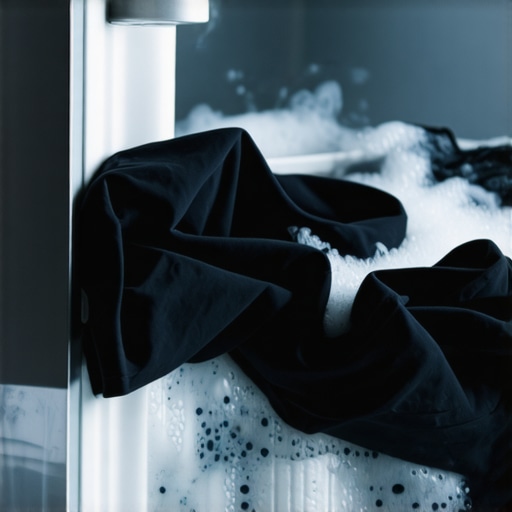
Ever pulled out a beloved pair of dark jeans only to find they’ve come out of the wash with awkward white streaks? Yeah, I’ve been there—and honestly, it’s frustrating enough to make you want to give up on your dark wardrobe altogether. One morning, I even thought my new washing machine was secretly sabotaging my clothes, leaving those annoying soap streaks on every dark shirt I owned. It was such a lightbulb moment for me that I realized I wasn’t alone in this battle.
Today, I’m here to promise you we’ll pinpoint why your washing machine might be leaving soap streaks on your dark clothes and, more importantly, how to put an end to it. No more guessing games, no more ruined outfits. Just straightforward advice based on experience, some trial, and a bit of error.
The Hidden Culprits Behind Soap Streaks on Dark Clothes
Is Overusing Detergent Doing More Harm Than Good?
I remember thinking I needed to pour a generous amount of detergent to get my clothes really clean. Turns out, I was actually making things worse. Excess detergent doesn’t rinse out properly, especially on darker fabrics, leaving behind a residue that looks like soap streaks. The key is using the right amount—trust me, a little less goes a long way. For guidance tailored to your specific washing machine, check out this detailed post on why your washing machine takes too long to fill.
Many folks, myself included early on, overlook the importance of the correct detergent amount. I used to think that more soap meant cleaner clothes. Big mistake. Too much detergent leaves residues that bond with fabric fibers, especially dark ones, creating those irritating streaks.
Understanding Rinse Cycles and Their Role
Another mistake I made was ignoring the rinse cycle altogether. Skipping or shortening rinse cycles means leftover soap and detergent can linger on your clothes, leading to streaks, especially on dark fabrics where residues are more visible. If your machine’s rinse cycle is insufficient or interrupted, chances are you’ll see those pesky streaks more often. For more insights, you might want to read about why your washing machine leaks water—sometimes, the solutions overlap.
Have you ever noticed streaks appearing only on your dark clothes? If so, you’re not alone—and there are simple tweaks worth trying.
Next, let’s dig into the practical steps that will put an end to these streaks once and for all, saving your favorite dark outfits from further distress and your sanity from unnecessary frustration. Are you ready to get your laundry routines back on track? Let’s dive in.
Measure the Correct Detergent Amount
Start by checking your washing machine’s detergent dispenser for guidance on the right amount. Use less than what you think is necessary—about half the recommended dose. I remember spilling a cup of detergent into my machine, hoping for extra cleanliness; the result was a double dose and streaked clothes. Once I reduced the quantity, rinse cycles improved, and streaks disappeared.
Perform a Hot Water and Vinegar Rinse
Run an empty cycle with hot water and add a cup of white vinegar. This helps dissolve any residual detergent buildup inside the drum or hoses. I once tried this after noticing stubborn streaks, and within cycles, my dark jeans looked pristine. This simple step restores the machine’s cleaning efficiency and prevents streaks from depositing onto fabrics.
Inspect and Clean the Dispenser
Remove and scrub the detergent drawer with warm water and a soft brush to remove trapped soap and buildup. This prevents leftover soap from slowly leaking during cycles. When I cleaned mine, I noticed a layer of dried detergent that was clogging the outlet, causing streaks. Keeping the dispenser clean ensures a smooth, even rinse.
Check the Rinse Cycle Settings
Ensure your machine’s rinse cycle isn’t shortened or skipped. Some models allow you to add extra rinse options. Think of it like rinsing your hair—more thorough rinses leave no residue. I adjusted my settings, and the subsequent washes kept my dark clothes streak-free.
Adjust Washing Habits for Dark Fabrics
Wash dark clothes inside out and with cold water, which reduces detergent and residue adhesion. I once washed my jeans with hot water and heavy detergent, resulting in streaks. Changing to cold rinse and turning them inside out minimized streaks and prolonged their color vibrancy.
Install a Water Softener if Necessary
If your water supply is hard, mineral deposits can trap soap residues, creating streaks. Consider installing a water softener or using a detergent formulated for hard water. I personally added a salt-based water softener, and my laundry outcomes vastly improved, with cleaner, streak-free dark clothes.
Regularly Service Your Washing Machine
Schedule routine maintenance—clean the filter, inspect hoses, and run cleaning cycles. This keeps the appliance functioning optimally, preventing buildup that can cause streaks. I set a monthly reminder, and it saved me from more stubborn streak issues down the line. For cleaning tips, see this guide.
Many homeowners believe that smart appliances are foolproof since they’re packed with high-tech features and automation. However, experts in the field have uncovered nuanced pitfalls that often go unnoticed. For instance, a widespread myth is that connecting your smart fridge directly to the Wi-Fi guarantees instant updates and optimal performance. In reality, improper network configurations can cause synchronization issues, leading to unnecessary malfunctions. To avoid these pitfalls, see how proper setup can prevent common errors by visiting this guide on fixing refrigerator shelves.
Why do many assume all smart features are foolproof, and how does that lead to mistakes?
Understanding the underlying technology reveals that many smart features rely heavily on stable internet connections and correct calibration, which is often overlooked. Neglecting routine updates or misinterpreting connectivity status can cause devices to behave erratically, defeating their purpose. For example, a smart dishwasher’s voice control might seem effortless, but if the firmware isn’t current, commands can go unnoticed or misinterpreted. This common oversight is easily remedied by regular updates, as explained at this detailed post on seamless Alexa integration.
Advanced tips to maximize the lifespan and efficiency of your smart home appliances
First, always ensure your network’s security protocols are up-to-date to prevent hacking or unauthorized access, which can interfere with device operation. Regularly calibrate sensors—such as temperature or humidity sensors in smart fridges—to maintain accuracy. A miscalibrated sensor might cause your fridge to run excessively, increasing energy bills, or to fail at maintaining proper temperature, risking spoilage. For optimal calibration techniques, see this expert guide. Another advanced nuance is understanding device compatibility beyond Wi-Fi standards; ensure your appliances are compatible with your home’s smart hub system to prevent integration failures. Overlooking this can render remote control useless, leading to frustration and unnecessary replacements. Remember, research before purchasing and installation is key. Have you ever fallen into this trap? Let me know in the comments.
Tools and Methods for Fleet-Footed Appliance Care
To keep your smart home appliances functioning optimally over time, investing in specialized tools and adopting proven methods is essential. I personally swear by a few key items that make routine maintenance straightforward and effective. First, a digital multimeter is invaluable for diagnosing electrical issues in appliances like refrigerators and washing machines. I use mine to check voltage and ensure sensors and control boards are operating correctly, preventing unexpected failures.
Second, a set of small, precision screwdrivers is a must-have for accessing internal components safely. For example, cleaning or replacing sensors such as the fridge’s temperature sensor (see this guide) becomes hassle-free with the right tools. Third, a moisture meter helps monitor potential leaks or condensation issues, which are common causes of long-term damage in refrigerators and dishwashers.
On the software side, regular firmware updates are vital. I subscribe to brand-specific newsletters and set reminders to check for updates on my appliances’ companion apps. These updates often patch security vulnerabilities and improve efficiency, extending appliance lifespan. Additionally, using dedicated diagnostic apps provided by manufacturers allows me to conduct self-tests without calling in service technicians, saving time and money.
To streamline cleaning and maintenance routines, I rely on a long, flexible brush designed for cleaning spray arms and hoses. Regularly removing and cleaning these parts (see this article) prevents clogs and ensures water flow remains unobstructed, directly contributing to performance and longevity.
Future of Maintenance in Smart Homes
Looking ahead, I believe integrated IoT diagnostic tools will become standard, providing real-time alerts for maintenance needs before issues escalate. Companies are already exploring predictive analytics that analyze usage patterns and sensor data to forecast failures. This means we’ll eventually receive proactive notifications—like a reminder to replace a worn rubber gasket before it causes leaks—saving us from costly repairs and downtime.
If you haven’t already, I highly recommend adopting a regular maintenance schedule that combines both physical tools and digital checks. Start with a simple task—like running a vinegar rinse periodically (this method)—to see immediate benefits. Trust me, investing a little time now will pay dividends in appliance longevity and performance down the line.
How do I stay on top of appliance maintenance over time?
Developing a routine that includes the right tools, scheduled check-ups, and firmware updates ensures your appliances serve you reliably year after year. Keep an eye on emerging smart diagnostic technologies—they’ll make maintenance even easier in the future. Regular inspections combined with proactive care are the best strategies to enhance appliance lifespan and efficiency, saving you money and frustration. For in-depth advice, check out this article for tips on keeping your washer in top shape.
Unearthing Hidden Lessons from Personal Washroom Battles
One of the most surprising revelations was that overloading detergent not only wastes product but directly causes stubborn streaks—something I used to do unconsciously, thinking I was being thorough. This taught me the importance of trusting optimal detergent amounts prescribed by manufacturers or professionals, which actually makes cleaning more effective and safeguards my clothes.
Another lightbulb moment was realizing that neglecting the rinse cycle leads to residue buildup, especially on dark fabrics. Regularly inspecting and adjusting cycle settings has become a game-changer. Also, cleaning the detergent dispenser prevents clogging and ensures a seamless rinse, underscoring the value of routine maintenance for the longevity of your appliances and clothing quality.
Lastly, I learned that water quality impacts streak formation—hard water minerals trap soap residues, so installing a water softener or switching to specialty detergents can prevent streaks and keep dark clothes looking vibrant. These personal discoveries have been instrumental in my journey to achieve consistently streak-free dark clothes.