
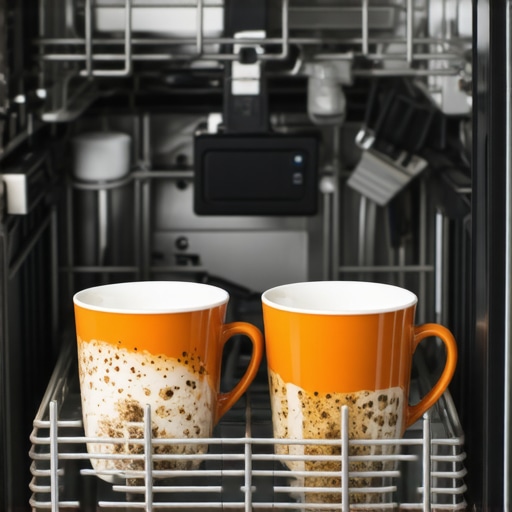
It happened again. I pulled out my coffee mug after a cycle, only to find stubborn bits of oatmeal and coffee grounds clinging stubbornly to the inside. That frustrating moment when you realize your dishwasher, supposed to clean your dishes thoroughly, is leaving behind a trail of food remnants. I remember thinking, “How is this happening again? Did I forget some crucial step?” It’s an all-too-common headache, and honestly, it can feel discouraging, especially when you’re rushing in the morning.
The Real Reason Your Dishwasher Isn’t Doing Its Job
I used to believe that all dishwashers are created equal. After all, I bought a relatively new model, so why was I still dealing with food stuck on my favorite coffee mugs? It turns out, there are several sneaky reasons behind this persistent problem. One surprisingly frequent culprit is improper loading that blocks spray arms, or a malfunctioning spray arm itself. I once crammed my dishes in so tightly I thought I was maximizing space—only to realize I was suffocating the water jets. The result? Water and detergent couldn’t reach all surfaces, leaving residue behind.
According to appliance experts, a common mistake homeowners make is overloading the dishwasher, preventing proper water circulation. This can drastically reduce cleaning effectiveness, especially on plates and mugs in the back of the appliance. Additionally, a dirty or clogged filter can cause circulating water to become recirculated without adequate cleaning power. It’s akin to washing your hair with dirty water and expecting it to be clean—futile!
If you’re nodding along, wondering if this is your problem, you’re not alone. Many folks overlook simple maintenance steps, but these can make a world of difference. For a comprehensive guide on keeping your dishwasher in tip-top shape, you might want to check out tips on [cleaning dishwasher spray arms without calling a plumber](https://smartappliancereview.com/how-to-clean-the-built-in-grinder-in-your-dishwasher). It’s helped me turn my sticky mug tragedy into a thing of the past.
Now, let’s focus on what can be done today to make sure your coffee mugs come out spotless next time. We’ll walk through practical, easy-to-follow strategies that have worked wonders for me—and will for you too. Ready to give your dishwasher the upgrade it deserves? Let’s dive into the steps that can transform your kitchen routine.
Check Your Loading Technique
Load your dishes properly by placing larger items on the sides and the back, ensuring nothing blocks the spray arms. For my own routine, I often stack mugs on their sides with space between them, which prevents them from blocking water jets. Remember, tightly packed dishes hinder water circulation, similar to how clogged arteries reduce blood flow—ineffective cleaning results.
Clean the Spray Arms
Remove and rinse the spray arms under running water to clear out any debris clogging the nozzles. Use a toothpick or small brush to dislodge stubborn particles, especially around tiny holes. I once neglected this step and noticed that my mugs still came out dirty; after cleaning the spray arms, my dishes looked nearly new. Think of spray arms as the engine of your dishwasher—without regular maintenance, they lose their power.
Maintain and Replace Filters
Regularly check your dishwasher’s filter for food buildup. Remove it, wash with warm soapy water, and reinsert. In my case, neglecting this led to recirculating dirty water, much like reusing the same unfiltered water when washing vegetables—ineffective and messy. If your filter is worn out, replacing it restores optimal cleaning. For detailed guidance, visit this article.
Use the Right Detergent and Rinse Aid
Select a quality detergent suited for your water type. Hard water needs specific formulas to prevent mineral deposits, which can cause filming and spots. I added a rinse aid, which made my mugs gleam without streaks, much like applying wax to a car for a shiny finish. Check your dishwasher’s manual or calibrate your load sensor for smarter water and detergent use.
Inspections and Troubleshooting
Inspect the door gasket for leaks or debris that block sealing. Clean it using a soft cloth; I once found crumbs lodged around the edges, compromising the seal and leaving residual water. Also, verify that your dishwasher’s arms spin freely. If they’re stuck, see this guide about fixing stuck spray arms. Regular maintenance prevents issues and keeps your mugs spotless.
Adjust Your Cycle Settings
Choose the appropriate cycle based on soil level. Heavy pots require longer, hotter cycles, while light loads benefit from quick wash options. I experimented with different settings, and found that selecting a heated rinse improved my mug’s shine. For smart appliances, exploring features like cycle optimization can save time and improve results, as explained here.
It’s a common misconception that modern home appliances are completely foolproof and require minimal upkeep. However, even the most advanced smart appliances harbor subtleties that many users miss, leading to subpar performance or premature failure. One often overlooked nuance is the significance of proper calibration, especially in smart washing machines and refrigerators. Many think that once installed, these devices are ‘set and forget.’ In reality, environmental factors like fluctuating power supplies or ambient temperatures can throw sensors off, causing inconvenient errors or inaccurate readings. Regular calibration ensures your appliance continues to operate at peak efficiency, which can be as simple as running a dedicated calibration cycle—details for which are often found in the user manual but are regularly ignored. For example, a miscalibrated fridge sensor may cause uneven cooling or excessive ice buildup, similar to how a misaligned thermostat increases energy bills. Experts suggest checking these calibrations at least once a year, especially if you notice unusual behavior. Additionally, the marketing hype around ‘self-cleaning’ features is another trap to watch out for. Many believe these functions eliminate the need for manual maintenance altogether, but in fact, neglecting routine cleaning can lead to mineral deposits, mold growth, and mechanical issues that shortcut the appliance’s lifespan. Studies by appliance engineers reveal that regular, targeted cleaning extends the operational life by up to 30% and maintains optimal performance. Moreover, common myths like
Investing in Quality Maintenance Tools
To keep your appliances running smoothly over the years, I highly recommend equipping your toolkit with a few essential items. A flexible microfiber cloth is invaluable for cleaning delicate surfaces like stainless steel refrigerators without streaks. I use mine daily to wipe down interior and exterior surfaces, preventing dust buildup that can impair performance. Additionally, a small precision screwdriver kit is crucial for tightening screws on refrigerator door handles or dishwasher panels, especially since many appliances have concealed fasteners that require careful handling.
For more stubborn grime or mineral deposits, a grout brush paired with a vinegar-based cleaner can gently scrub hard-to-reach areas. Regularly inspecting and cleaning the condenser coils of your refrigerator is another task that prolongs component life—I’ve found that a coil-cleaning brush makes this a straightforward chore. I personally use a dedicated coil brush because it reaches tight spaces without damaging delicate fins, helping my fridge operate efficiently.
Adopting Smart Monitoring Solutions
Integrating smart technology can revolutionize appliance maintenance. I rely on a smart hub, such as the best smart hubs, to unify control and receive real-time notifications. These systems alert me when a wash cycle is delayed or if a fridge sensor is reporting inconsistent temperatures. Setting up such alerts allows me to address issues proactively before they escalate into costly repairs.
Moreover, many newer appliances include diagnostic features accessible via their companion apps. Taking advantage of these tools can save both time and money—allowing you to run quick calibration checks or troubleshoot via step-by-step guides. For instance, I routinely calibrate my smart washing machine’s load sensor, following instructions from this resource. Doing so ensures optimal water levels and prevents the cycle from resetting unexpectedly, which maintains energy efficiency and preserves the machine’s longevity.
Prioritizing Routine Checks and Calibrations
Making a habit of regular inspections enhances the lifespan of your appliances. I check my refrigerator’s door seals monthly, cleaning the rubber gaskets with a soft cloth and mild soap to prevent mold and sealing issues. Similarly, scheduled calibration of smart devices, like cleaning sensors or reinitializing software, can prevent performance drift. For example, recalibrating a refrigerator’s temperature sensors can be as simple as running a dedicated cycle, ensuring food stays fresh without overworking the compressor. This practice aligns with advice from appliance experts emphasizing annual calibration routines to avoid inaccuracies that cause energy waste or spoilage. To do this effectively, keep a maintenance log and set reminders in your digital calendar.
Predicting Future Maintenance Trends
As appliances become smarter, expect more integrated diagnostic and self-maintenance capabilities. I foresee a future where appliances will autonomously alert service providers before failures occur, much like predictive health monitoring in wearables. This advancement will make routine upkeep even more proactive, reducing downtime and repair costs. Staying ahead by understanding device diagnostics and adopting compatibility with smart home ecosystems will be essential for homeowners wanting long-term appliance health.
How do I sustain optimal appliance performance over the long term?
The key lies in combining proper tools, regular preventive maintenance, and leveraging smart technology. Starting with a quality coil brush for your fridge, ensuring your smart hub is configured to send real-time alerts, and routinely calibrating your devices can dramatically extend their lifespan. For additional insights on calibration, check out this detailed guide. Don’t underestimate the power of consistent, informed upkeep; it’s the most sustainable path toward reliable home appliances. Try setting a monthly calendar reminder to inspect or calibrate one of your devices—it could save you from costly repairs down the line.
What My Overstocked Dishwasher Taught Me About True Efficiency
Overloading it was the rookie mistake that concealed my spray arms and made me ignore the importance of balance in appliance maintenance. I realized that common sense doesn’t always come naturally; patience and proper load placement are key lessons I had to learn the hard way. This experience highlighted the importance of respecting your appliances’ design so they can serve you better for years to come.
Secrets Appliances Sometimes Keep Quiet
Many smart appliance features are designed to share insights, but I discovered that calibration plays a silent yet vital role. For example, calibrating my smart fridge sensors with this guide significantly improved temperature accuracy. Trusting technology requires active upkeep; it’s not just about initial setup but ongoing fine-tuning.
My Toolbox for Appliance Longevity
Investing in specialized tools like a coil cleaning brush or a soft microfiber cloth made routine maintenance much easier and more effective. These affordable gadgets empower me to tackle small issues before they become costly repairs. Armed with the right toolkit, I’ve extended the lifespan of my appliances beyond preconceptions, demonstrating that proactive care is a smart investment.
Stimulate Your Home’s Intelligence and Your Confidence
Using a smart hub to monitor appliance health, like discussed here, has transformed my approach to home maintenance. Immediate alerts on issues like temperature fluctuations or cycle delays allow me to act quickly, preventing minor glitches from escalating. Embracing smart technology turns routine upkeep into an empowering experience.
Your Next Step Toward Appliance Mastery
Remember, the journey toward appliance mastery isn’t about perfection but consistency. Incorporate simple habits like monthly gasket checks or calibrations, and leverage smart tech to stay informed. Whether you’re fixing a leaky fridge or ensuring your dishwasher operates smoothly, small daily actions build towards a more reliable home environment. Ready to embrace this proactive approach and enjoy appliances that truly serve you? Share your experiences below—have you uncovered a tip that made a difference in your maintenance routine?