
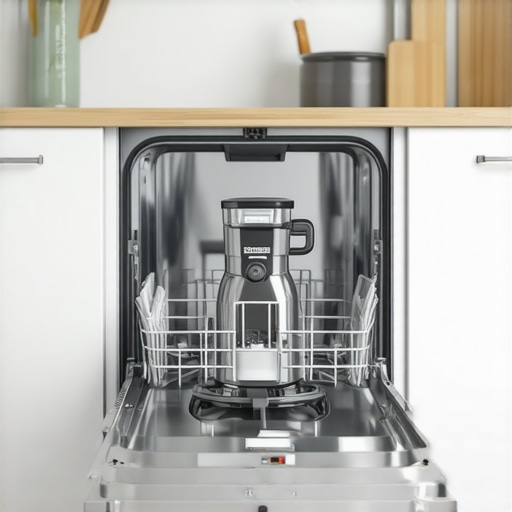
I remember the moment vividly—loading my dishwasher after a hearty family dinner, only to notice that the dishes weren’t coming out as spotless as usual. Frustration set in when I realized that the smell of old grease was creeping from the appliance, and the cleaning performance was slipping. That lightbulb moment made me dig into what was really going on. Turns out, one common culprit is a neglected built-in grinder, a component many of us overlook until problems become glaring.
Why a Dirty Grinder Can Sabotage Your Dishwasher’s Performance
You might think the grinder in your dishwasher is just a minor part, but it plays a crucial role in ensuring your dishes come out squeaky clean. Over time, food particles, grease, and mineral deposits build up in the grinder, transforming it from a helpful feature into a breeding ground for odors and even mechanical issues. Not cleaning this vital component can lead to poor water drainage, uneven cleaning, and persistent foul smells—a real nuisance that can ruin your meal prep and cleaning routine.
Research shows that regular maintenance of your appliances extends their lifespan and keeps them operating at peak efficiency. The National Renewable Energy Laboratory emphasizes that neglecting routine cleaning can cause appliances to work harder, consuming more energy and increasing costs. So, maintaining your dishwasher’s grinder isn’t just about hygiene; it’s an investment in your appliance’s longevity.
Have you ever faced stubborn odors or seen spots left on your glasses despite running the dishwasher? If so, the culprit could be a clogged or dirty grinder. Don’t worry—this isn’t as complicated as it sounds. With a few straightforward steps, you can restore your dishwasher’s performance and breathe new life into your cleaning routine.
In the following sections, I’ll guide you through the process of cleaning the built-in grinder, sharing personal tips and proven methods to keep it in tip-top shape. Ready to tackle this common but overlooked problem? Let’s get started with understanding why cleaning the grinder is so essential.
Prepare Your Tools and Environment
Before diving in, gather a toothbrush, a screwdriver, rubber gloves, and a container for holding loose parts. Turn off and unplug your dishwasher to ensure safety. Think of this process like giving your appliance a health check-up—proper tools make all the difference.
Access the Grinder
Open your dishwasher door and remove the lower rack to access the bottom interior. Locate the grinder—it’s usually a small, concealed component near the drainage pump. Use a screwdriver if panels need removal. This step is like opening a hood on a car—knowing where everything is makes the job manageable.
Carefully Remove the Grinder
Using rubber gloves, gently disconnect any clips or hoses attached to the grinder. Keep track of all screws and small parts by placing them in a container. During my first attempt, I found it helpful to take photos at each step so I wouldn’t forget the wiring—like assembling furniture, clarity prevents mistakes.
Clean the Grinder Components
Use the toothbrush to scrub away food debris, grease, and mineral buildup. For stubborn residues, soak parts in warm vinegar or a mild cleaning solution. This process resembles cleaning a coffee maker’s brew head—regular scrubbing prevents clogs. Be thorough to eliminate odors and improve performance.
Reassemble with Precision
Once cleaned, reconnect hoses and secure clips tightly. Reattach the grinder to its place, ensuring all fasteners are snug. Lock everything back into position as you did during disassembly, like reassembling a puzzle—each piece must fit correctly for optimal function.
Run a Maintenance Cycle
After reassembling, run a short hot-water cycle with a dishwasher cleaner or vinegar. This flushes out residual debris and freshens the system. Watching the cycle, I noticed improved water flow and a fresh smell—proof that maintenance pays off.
Regular Checks Keep It Fresh
Make cleaning the grinder a monthly habit to prevent buildup. Also, periodically inspect other parts like spray arms and filters. Routine maintenance like this is akin to changing your car’s oil—key to extending lifespan and maintaining efficiency. Want to explore further appliance upkeep tips? Check out this guide on spray arm cleaning for comprehensive advice.Even seasoned homeowners often fall prey to misconceptions about appliances like refrigerators, dishwashers, and washing machines. Let’s dig deeper into the nuances that many overlook, so you can avoid costly mistakes and optimize your appliances effectively. One widespread myth is that all refrigerator filters are interchangeable; in reality, using the wrong filter can impair performance and even damage the unit. It’s essential to follow manufacturer guidelines or visit trusted resources, such as this guide for proper filter replacement.
Another misconception concerns energy consumption. Many believe that newer models invariably save more energy, but in my experience, selecting an appliance with the right features for your needs is more impactful than simply prioritizing the latest release. For instance, smart appliances with advanced energy management systems can optimize usage, but only if configured correctly. Learn how to secure your smart home appliances from hackers here.
A common trap regarding dishwashers involves overloading them, thinking it saves time or effort. However, overstuffing can block spray arms and lead to inadequate cleaning. Proper loading enhances performance, especially when combined with regular maintenance like cleaning spray arms—see this detailed guide.
Advanced users often ask whether smart appliances can fully replace traditional models or improve household efficiency. While smart tech offers convenience, it also comes with pitfalls, including app glitches or connectivity issues. Understanding these nuances helps prevent frustration. For example, your smart refrigerator might stay logged out or give false error codes; knowing how to troubleshoot can save you time and money.
What about washing machines? Many assume that higher spin speeds always lead to better drying, yet overspinning can wear out your clothes faster. Striking a balance based on fabric type prolongs apparel life and conserves energy. Explore this article to understand more.
Advanced appliance management also involves understanding hidden features or settings most users never explore. For example, calibrating your smart fridge’s temperature sensors can significantly improve performance, which you can learn more about here. Recognizing these subtleties can make a tangible difference in appliance lifespan and efficiency.
Have you ever fallen into this trap? Let me know in the comments. Understanding these nuances isn’t just about avoiding mistakes; it’s about harnessing your household appliances to their full potential, saving money, and extending their lifespan.Maintaining your household appliances, from refrigerators to washing machines, requires more than just occasional cleaning—it demands the right tools and consistent routines. Investing in reliable equipment not only simplifies maintenance but also extends the lifespan of your appliances. For instance, I personally swear by a digital multimeter when troubleshooting electrical issues on smart appliances—that way, I can quickly identify faulty wiring or components without invasive disassembly. Additionally, a dedicated ultrasonic cleaner has become invaluable for cleaning stubborn grime from parts like refrigerator door gaskets and dishwasher spray arms, ensuring thorough sanitation without damaging delicate components.
When it comes to software, I recommend using appliance-specific diagnostic apps available from manufacturers or trusted third-party providers. These apps can provide real-time alerts about filter replacements, error codes, and performance metrics, making proactive maintenance much easier. For example, apps linked with smart refrigerators often monitor temperature fluctuations, letting you address issues before they affect your groceries.
Looking ahead, the trend points toward greater integration of AI-driven maintenance systems that predict failures based on usage patterns and sensor data. This predictive approach could revolutionize how we care for our appliances, reducing unexpected breakdowns.
How do I maintain appliances over time to prevent costly repairs?
Regular inspections and scheduled service are crucial. Keep a log of maintenance activities and replace consumables like filters on time—delaying these can lead to system failures or inefficiency. For example, changing the water filter on your bottom-mount fridge every six months not only keeps your water tasting fresh but also prevents mineral buildup that can impair the cooling system. To streamline this process, I utilize a simple reminder app set to alert me when each appliance’s maintenance is due.
Furthermore, using specialized tools like a microfiber cleaning cloth combined with a gentle cleaning solution, as outlined in this guide, helps keep surfaces pristine without scratching or streaking. For tight spots, a small toothbrush dipped in vinegar can dislodge debris from hard-to-reach areas.
Don’t neglect calibration tools either. Regularly calibrate smart fridge temperature sensors and washing machine load sensors to ensure optimal performance. Calibration kits specific to appliance models simplify this process and can be purchased from manufacturer websites or specialty stores.
Finally, conduct visual inspections at least quarterly. Look for loose hoses, worn seals, or corrosion—addressing minor issues early can prevent major repairs down the line. Remember, maintaining your appliances isn’t just about cleaning; it’s about using the right tools and establishing a routine that matches your household’s usage patterns.
Try integrating a digital multimeter and a calibration kit into your maintenance arsenal this month. These are not just for professionals—simple, affordable, and highly effective, they empower you to diagnose and maintain your appliances with confidence and accuracy.
What I Wish Someone Told Me About Appliance Maintenance
One of the deepest lessons I’ve learned is that even the smallest component, like a dishwasher grinder, can drastically impact overall performance. I used to ignore this part, thinking it was insignificant, until persistent odors and poor cleaning prompted me to investigate. Since then, I’ve realized that preventive care of these overlooked parts can save time, money, and frustration in the long run.
Another insight is the power of routine. Scheduling regular inspections and cleanings—soon became a ritual—transformed my approach from reactive to proactive. This shift not only extended my appliances’ lifespan but also made maintenance less daunting. Plus, I discovered that understanding the inner workings of my appliances empowers me to troubleshoot minor issues confidently, reducing dependence on costly repairs.
Lastly, the importance of using quality tools and resources cannot be overstated. From ultrasonic cleaners to appliance-specific apps, investing in the right equipment has made a significant difference. These tools turn a potentially complex task into a manageable and even satisfying routine—making appliance upkeep feel less like a chore and more like a smart investment.