
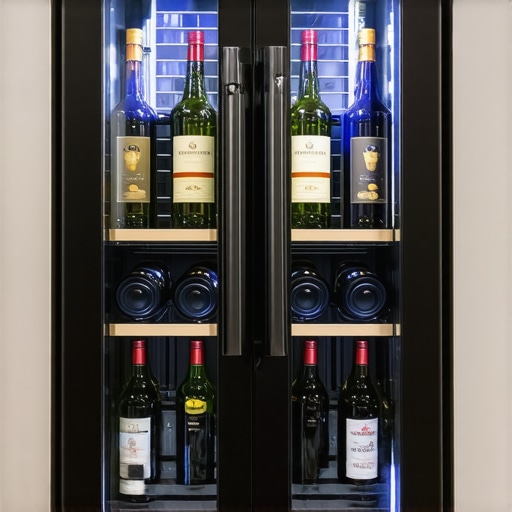
It hit me one evening, as I stood in front of my standard fridge, trying to find that perfect chilled bottle for dinner, only to realize everything was either too warm or too cold—no happy middle ground. That frustrating moment was a lightbulb that I needed a dedicated space for my wine and craft beers, not just an afterthought in my kitchen. If you’ve ever faced the dilemma of improperly storing your favorite beverages, you’re not alone. Many wine and beer enthusiasts struggle with maintaining the ideal temperature and humidity levels to preserve flavor, aroma, and carbonation.
Why Your Beverage Storage Deserves Special Attention
Storing wine and craft beer isn’t just about keeping things cool; it’s about creating the perfect environment that respects the nuances of each drink. Regular refrigerators often fluctuate in temperature, have uneven cooling zones, and lack humidity controls—all factors that can spoil the taste over time. I learned this the hard way, making the mistake early on of using my standard fridge for my collection. It was frustrating to see a once-delicious bottle turn flat or corked, simply because it wasn’t stored properly. According to a study published in the Journal of Food Science, improper storage can significantly accelerate flavor degradation in wine and beer, diminishing their quality and value.
If you’ve ever experienced a similar mishap, I have good news: selecting the right refrigerator can make all the difference. Today, we’ll explore the best options for storing your cherished beverages, ensuring they stay fresh and flavorful for years to come.
Is a High-End Wine Fridge Truly Worth the Investment?
Initially, I was skeptical about splurging on a dedicated wine fridge. My early mistake was believing any small, portable cooler would suffice. But the truth is, not all beverage refrigerators are created equal. Skimping on quality can mean inconsistent temperatures and compromised humidity levels. To avoid this, I recommend investing in a unit with precise temperature controls and reliable humidity management. For more insights on this, check out my guide on [the best small refrigerators for wine and beer](https://smartappliancereview.com/the-best-small-refrigerators-for-dorm-rooms-and-offices).
Determine Your Space and Requirements
Start by choosing a location that maintains a stable temperature away from direct sunlight or heat sources. Measure available space carefully, considering door clearance and ventilation needs. Think of it like selecting a spot for a delicate plant — it needs the right environment to thrive.
Select the Right Refrigerator Model
Choose a unit with precise temperature controls, humidity management, and adjustable shelves. Consider a model with dual zones if you plan to store both wine and craft beers separately. Investing in quality equipment is like upgrading from a standard TV to 4K — it makes a noticeable difference in quality, similar to what I experienced when I upgraded my first wine fridge.
Set Up and Level the Refrigerator
Place the fridge on a flat, stable surface. Use a level tool to ensure it’s perfectly horizontal; if uneven, adjust the feet accordingly. Think of this as balancing a skateboard — a slight tilt can cause uneven cooling or vibrations, which might disturb your beverages. An unlevel fridge can lead to issues like poor door seals or uneven temperature distribution, so take your time to level it properly.
Configure Temperature and Humidity Settings
Consult the manufacturer’s instructions to set the ideal temperature—around 45°F (7°C) for wines and 38°F (3°C) for craft beers. Enable humidity controls if available, aiming for around 70% humidity to keep corks moist and prevent spoilage. This process is akin to tuning a musical instrument — precise adjustments ensure optimal performance. I learned this when I initially set my fridge too cold, causing my wines to age prematurely, which was easily corrected once I calibrated the controls.
Arrange Your Bottles Effectively
Organize bottles by type, frequency of use, or aging stage. Use vertical storage for easy access and avoid overcrowding to ensure proper airflow—similar to how a server room needs airflow to keep equipment cool. Proper organization helps you quickly find your favorite bottle and maintains consistent temperature throughout the unit. For space optimization tips, check out this guide on small refrigerators.
Regular Maintenance and Monitoring
Check door seals monthly by closing the door on a piece of paper; if it slips out easily, replace the gasket (see this tutorial). Clean the interior with mild soap and vinegar weekly to prevent odors, and verify temperatures with a thermometer—think of it as the heartbeat monitor for your beverages. If you notice airflow issues or inconsistent temperatures, refer to this calibration method to fine-tune your settings.Many homeowners believe that choosing appliances like washing machines or refrigerators is as simple as picking the most affordable or the most feature-rich option. However, this approach often neglects subtle but critical nuances that can impact long-term performance and maintenance. One common myth is that all appliances are created equal, which isn’t true—innovations in smart technology and engineering mean that some models can be significantly more reliable and efficient if properly selected and maintained. For example, many users overlook the importance of understanding how load sensors in washing machines actually work; improper calibration can lead to excessive water usage or incomplete cycles, ultimately wasting energy and increasing costs. According to a study from the University of California, many consumers face avoidable issues when neglecting manufacturer-specific setup procedures, especially in smart appliances that rely heavily on correct configuration for optimal operation.
Another trap is assuming that frequent cleaning and routine maintenance can be postponed indefinitely, but neglecting tasks like cleaning condenser coils or replacing water filters promptly can cause appliances to run inefficiently or fail prematurely. For instance, a dirty condenser coil increases the compressor’s workload, leading to higher energy bills and potential overheating. To avoid these pitfalls, it’s essential to familiarize yourself with the specific maintenance needs of your models and follow recommended practices. For example, regularly calibrating your washing machine’s load sensor ensures it dispenses the right amount of water, which not only preserves your clothes but also prolongs the appliance’s lifespan. Learn more about this process in my detailed guide on calibrating your washing machine’s load sensor.
Most homeowners also underestimate the complexity of smart home integration. Many think that simply connecting a fridge or dishwasher to Wi-Fi is enough, but without proper network setup—like ensuring a stable, faster Wi-Fi connection—the devices can experience disconnections or delayed responses. This almost always leads to frustration and underperformance. A common mistake is leaving the water line connection for smart fridges unprotected or improperly installed, which can cause leaks or water damage. Take the time to follow installation best practices, such as those outlined in this step-by-step guide on water line installation.
Do you feel overwhelmed by the number of features and maintenance tips? You’re not alone. But understanding these nuanced aspects helps you make smarter choices, extend your appliances’ lifespan, and truly benefit from smart technology. Recognize that each device has its quirks and needs—learning them is key to maximizing your investment. So, before your next appliance purchase or maintenance routine, ask yourself: am I leveraging the full potential of my devices? Have you ever fallen into this trap? Let me know in the comments.Maintaining home appliances over the long term requires more than just routine cleaning; it involves utilizing specific tools, troubleshooting techniques, and strategic planning to ensure durability and optimal performance. One of my favorite investments is a digital infrared thermometer. I use it regularly to monitor the surface temperatures of refrigerators and washers—detecting uneven cooling or overheating early enough to prevent costly repairs. For example, when my refrigerator’s compressor fan started making noise, I used the thermometer to check the condenser coil temperature; a spike indicated a need for cleaning, which I performed using a coil brush. This simple step extended the unit’s lifespan and maintained its efficiency. Looking ahead, advancements in IoT and AI-powered diagnostics will likely make preventive maintenance smarter and more accessible, allowing appliances to notify us proactively about potential issues. How do I maintain my appliances to avoid unexpected breakdowns? I follow a disciplined routine of cleaning, calibration, and monitoring with calibrated tools like my infrared thermometer and a set of multimeters for electrical checks. To keep things running, I rely on high-quality troubleshooting kits and software—such as the smart diagnostics features in my Wi-Fi-enabled fridge—that can alert me to irregularities early on.
Make Maintenance Routine: Use Precise Tools for Longevity
I personally recommend investing in a multimeter, a small but versatile device that helps you test voltage, current, and resistance in your appliances. I use my multimeter to check circuit continuity when my dishwasher’s connection seems inconsistent, following the DIY steps outlined in this guide. Also, a microfiber cloth and vinegar-based cleaner are invaluable for regular interior sanitation, preventing mold and odors that compromise appliance health. Don’t overlook the importance of maintaining water lines; inspecting and clearing clogs regularly with a simple tool or inline filter replacement can save you from costly leaks or malfunctions. For example, I recommend periodically checking the fridge’s water line for clogs, which can be easily cleared using this quick hack. Regular calibration is another key—especially in smart appliances that rely on precise sensors; familiarize yourself with calibration procedures, which can be performed with dedicated tools and software. For washing machines, calibration of load sensors ensures accurate water levels and cycle times, saving both energy and water. Learn more about this at this detailed guide. In the future, I predict that smart diagnostic apps integrated into appliances will flag issues before they escalate, making maintenance less reactive and more proactive. Remember, the first step to trouble-free appliances is investing in the right tools and developing a regular maintenance habit. I highly suggest trying out an infrared thermometer for your refrigerators—it’s an easy, effective way to monitor and maintain optimal conditions—trust me, it’s a game-changer for appliance longevity.
What I Wish I Knew When I Started My Beverage Sanctuary
One of the most overlooked aspects of home appliances is understanding that not all refrigerators are created equal—especially for storing delicate beverages like wine and craft beer. I learned this the hard way, realizing that generic fridges cause flavor degradation over time, which was heartbreaking for a wine enthusiast like myself. That’s when I discovered the importance of selecting appliances tailored for specific needs—saving me from countless disappointments.
Another revelation was the crucial role of precise temperature calibration. I used to settle for default settings, but careful calibration, using tools like a digital thermometer, transformed my beverage experience. This step, often underestimated, prevents spoilage and preserves aroma and carbonation, making every sip delightful.
The most surprising insight was the significance of proper airflow organization within storage units. Overcrowding led to uneven cooling, causing fluctuations that could ruin my collection. Implementing thoughtful bottle arrangement and regular maintenance kept my beverages at optimal conditions, which I recommend for anyone serious about storage.
Tools That Changed My Approach to Appliance Care
My essential toolkit now includes a reliable digital infrared thermometer, a multimeter, and small brushes for cleaning condensers and water lines. These tools have empowered me to troubleshoot and fine-tune my appliances, extending their lifespan and ensuring peak performance. For example, using a thermometer to monitor compressor temperature helped me prevent overheating issues—saving money and hassle.
Additionally, I trust resources like the comprehensive guides on calibrating load sensors and cleaning clogged water lines because they provide actionable steps that lead to real results. Investing in understanding appliance maintenance has been a game-changer for my confidence and longevity of my equipment.
Your Next Step Toward Appliance Confidence
Embracing the nuances of appliance management is empowering. By applying these insights, you can ensure your home appliances support your lifestyle, not hinder it. Whether you’re stocking a wine fridge or maintaining your smart refrigerator, remember that right tools, regular attention, and a curious mindset make all the difference. Don’t let appliance issues dampen your enjoyment—take charge today and enjoy the benefits of well-maintained, purpose-built home tools.
What’s one appliance maintenance tip you’ve found surprisingly effective? Share your experience below—let’s learn from each other’s journeys to smarter home living!
,