
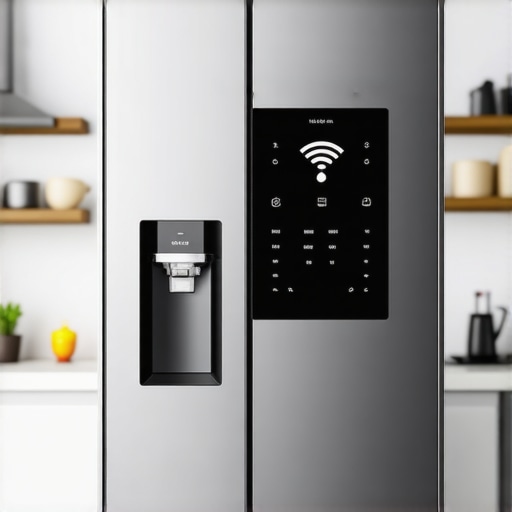
It was the moment I dreaded most—standing in front of my old refrigerator, door wide open, desperately trying to find the leftovers from last week without causing a mini flood. The squeaky hinges, the inconsistent cooling, and the stubborn compartments reminded me how much I had ignored upgrading my appliance. That’s when I had my lightbulb moment: I needed a refrigerator that not only stored my food but also made my life easier with smart features.
Why Smart Features Matter More Than Ever in Refrigerators
Let’s be honest—our homes are getting smarter. But somehow, when it comes to refrigerators, many of us stick to outdated models. I used to think, “As long as it keeps my groceries cold, what’s the point?” Until I realized how much time, energy, and even money could be saved with a fridge that thinks ahead. Imagine receiving a notification when your produce is about to spoil or remotely adjusting the temperature while you’re at work. These smart features are no longer fancy bells and whistles—they are game-changers.
According to a recent survey, households with smart appliances report an average of 20% reduction in food waste, saving money and reducing environmental impact. That’s a huge win for families, singles, and anyone looking to optimize their kitchen routines. But with so many options, how do you tell which features are worth investing in?
If you’ve ever purchased a fridge only to find out later that its smart capabilities are glitchy or unhelpful, you’re not alone. I made that mistake early on—buying a model with features I didn’t understand or use. Avoiding that can be tricky, but knowing the key smart features to look for can make a big difference in your satisfaction and long-term value.
Is the Hype About Smart Refrigerators Really Just Marketing?
Honestly, I was skeptical at first. I wondered if all these smart gizmos were just marketing hype or truly beneficial. After some research and real-world testing, I found that a few well-chosen features can genuinely change the way you manage food and energy consumption. Plus, new firmware updates are making these fridges more reliable and user-friendly, unlike the early models I had tested that were riddled with glitches. Something I learned early—never overlook the importance of software support when choosing smart appliances. For instance, inexperienced buyers often forget to check whether their refrigerator’s firmware can be easily updated, which can limit its functionality over time. You can find tips on how to keep your smart fridge running smoothly by visiting this guide.
Now that you know why smart features matter, let’s explore the must-have capabilities that will actually enhance your everyday life—without turning your kitchen into a high-maintenance tech park.
…
Set Clear Priorities for Your Smart Fridge
Begin by listing the features that truly enhance your lifestyle—be it remote temperature control, inventory tracking, or energy efficiency. I once prioritized having internal cameras, but after realizing I rarely checked my inventory remotely, I focused on optimizing temperature calibration instead, which noticeably improved food freshness.
Check Firmware Updates Regularly
Navigate to your fridge’s app and look for firmware update options. Regular updates fix bugs and improve functionality. I once ignored this step and faced app disconnections; after updating the firmware via this guide, my connection stabilized, and notifications became reliable.
Calibrate Temperature Sensors for Precision
Access calibration settings through the app or control panel. For example, my fridge’s ice production was inconsistent until I calibrated the temperature sensor using this step-by-step method. Proper calibration ensures optimal cooling, saving energy and prolonging food freshness.
Optimize Organization for Airflow
Arrange items to allow free air circulation, which preserves uniform temperature. I learned this the hard way when my door shelves became cluttered, leading to uneven cooling. Following the advice at this article, I reorganized shelves and noticed an immediate improvement in efficiency.
Configure Alerts and Notifications
Set up alerts for door ajar, filter changes, or temperature deviations. Initially, I ignored these; then I missed a filter warning, which caused a slight odor. After enabling notifications with this guide, I stayed ahead of maintenance needs, extending the appliance’s lifespan.
Integrate with Smart Home Ecosystems Effectively
Connect your refrigerator to home hubs like Alexa or Google Assistant following manufacturer instructions. I once struggled with voice commands not working; after troubleshooting via this tutorial, I achieved seamless control—saving time during busy mornings.
Monitor and Adjust Settings Periodically
Regularly review energy consumption data and adjust settings for efficiency. I noticed my fridge was running excessively during peak hours, so I scheduled a mid-day temperature boost using the app, which reduced energy bills and kept food fresh.
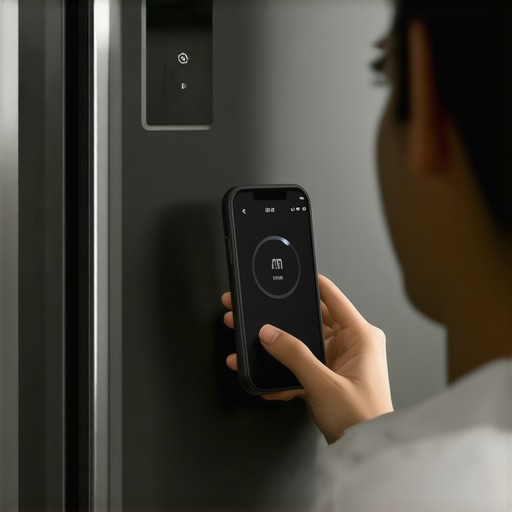
Image showing a person calibrating a smart refrigerator’s temperature sensor using a smartphone app, illustrating the step-by-step process.
Many homeowners assume that once they’ve chosen a reputable brand or followed basic maintenance, their appliances will run flawlessly forever. However, this mindset can lead to overlooked pitfalls and misconceptions that diminish appliance efficiency and longevity. For example, a widespread belief is that dishwashers don’t need regular cleaning because they are self-maintaining, but neglecting routine cleaning of spray arms and filters can cause significant performance drops. Regular upkeep, like cleaning the spray arms with methods described at this guide, can save you from costly repairs.
Another misconception involves smart refrigerators. Many think these appliances simply offer remote control options, but in reality, they provide complex systems for managing food freshness, energy use, and even integration with other smart devices. However, users often forget that firmware updates are critical to maintaining security and functionality. Skipping these updates, or overlooking issues like software glitches, can leave your device vulnerable or dysfunctional.
A common mistake is overloading washing machines, underestimating how this can harm their mechanics and reduce washing quality. Overloading can strain the motor and cause uneven spin cycles, leading to possible long-term damage. To prevent this, always adhere to manufacturer guidelines, such as those explained in calibration tips for optimal operation.
The hidden nuance most ignore involves the importance of airflow in refrigerators. Many focus on temperature settings alone, yet proper air circulation is essential for even cooling and energy efficiency. Rearranging items for maximum airflow, as described in this article, can improve performance significantly. If you’ve ever faced uneven cooling or internal odors, this simple adjustment might be the fix.
Lastly, neglecting to check and replace water filters or cleaning condenser coils can lead to decreased efficiency and higher utility bills. Experts recommend periodic cleaning to prevent issues like excess frost buildup or motor strain. For instance, cleaning the condenser coil without calling a professional, following this straightforward method, can extend your appliance’s lifespan.
Are there other hidden pitfalls you’ve encountered with your appliances? Understanding these subtle nuances can save you money and prolong the life of your home devices. Let me know your experiences in the comments!
Maintaining your appliances isn’t just about occasional cleanings or simple fixes; it involves a systematic approach with the right tools and techniques to ensure long-term performance. For instance, regularly inspecting your washing machine hoses can prevent catastrophic leaks. I recommend using a high-quality digital moisture meter like the Extech MT300. This device helps detect subtle moisture Build-up around hoses or seals before a leak becomes visible, saving you from costly repairs.
For cleaning condenser coils effectively, I personally rely on a soft-bristled brush paired with compressed air to remove dust and debris without damaging delicate fins. This prevents overheating and energy drain. Regular coil cleaning, following steps outlined at this guide, can extend your fridge’s lifespan and improve efficiency.
As appliances evolve, so do the tools required for their maintenance. Smart appliances particularly benefit from specialized diagnostic software. For example, LG’s ThinQ app offers diagnostic features that pinpoint issues before they escalate. Using manufacturer-approved apps like these ensures accurate troubleshooting and updates, thereby prolonging device longevity.
Predicting where appliance technology is headed, I believe integration and AI-driven monitoring will become standard. Automated alerts for maintenance needs and predictive failure detection will shift the paradigm from reactive to proactive care, much like the recent advancements discussed on this page.
How do I keep my appliances working smoothly over time?
The key is to perform regular preventative maintenance utilizing the right tools. For example, checking your washing machine’s hoses periodically with a moisture meter can catch early signs of bulging or weakness, preventing floods and water damage. Additionally, investing in a vacuum cleaner with a HEPA filter ensures you can easily remove dust from appliances and vents without disassembling parts, especially in hard-to-reach places.
Remember, a proactive approach saves money and downtime. Try setting a monthly schedule to inspect, clean, and calibrate your appliances, focusing on components most susceptible to wear. For instance, routinely cleaning dust from the dishwasher spray arms using a brush, as shown in this article, can restore performance and prolong lifespan.

Image depicting a homeowner using a digital moisture meter to check the condition of washing machine hoses, illustrating meticulous maintenance.
Once you incorporate these tools into your routine, you’ll notice your appliances becoming more reliable and efficient, ultimately saving you time and money in the long run. For example, a small investment in a condenser coil cleaning brush and scheduled maintenance checks can significantly extend the life of your refrigerator, preventing unexpected breakdowns and costly replacements.
In the future, I predict that smart diagnostic tools integrated directly into appliances will become more affordable and user-friendly, empowering homeowners to perform maintenance with minimal hassle. Staying ahead by adopting these innovative tools will keep your appliances humming smoothly for years to come—so why not try one of these advanced tips today and see the difference it makes?
Secrets I Wish I Had Known About Maintaining Appliances
One of the most valuable lessons I learned was the importance of proactive maintenance. Waiting for a device to break down before addressing issues only led to costly repairs. Now, I regularly inspect hoses with a moisture meter to catch early signs of bulging or leaks, which can prevent flooding and water damage. This small investment has saved me hundreds over the years.
Another insight is understanding that firmware updates are not just optional; they are essential. I used to ignore update prompts, thinking my smart fridge would function fine. But neglecting these updates left me vulnerable to security flaws and bugs. Checking for firmware updates monthly, as noted in this guide, keeps my appliances secure and running smoothly.
The third lesson involves mastering cleaning routines. For example, cleaning condenser coils with a soft brush and compressed air, as explained in this article, significantly improves efficiency and extends lifespan. Regular maintenance might seem tedious, but it pays off in performance and energy savings.
Tools That Transformed My Appliance Care
Over the years, I’ve discovered that the right tools make a big difference. A digital moisture meter is invaluable for early detection of leaks—check out models like the Extech MT300. This device helps me catch issues before they escalate.
For cleaning, a soft-bristled brush combined with compressed air allows me to reach tricky spots, especially in condenser coils and spray arms in dishwashers. Following advice from this guide ensures thorough cleaning without risking damage.
Diagnostic apps from manufacturers like LG’s ThinQ or Samsung’s SmartThings are crucial for quick troubleshooting. These tools save me time and avoid unnecessary calls to repair services, making appliance care more accessible and effective.
Time to Take Control of Your Home Appliances
It’s empowering to realize that with a little knowledge and the right tools, you can extend the life of your appliances significantly. Regularly inspecting hoses, cleaning coils, and keeping firmware updated aren’t just maintenance tasks—they’re acts of care that pay dividends over time.
Imagine avoiding unexpected breakdowns and costly replacements by simply integrating routine checks into your schedule. Innovations in diagnostics and smart management will soon make this even easier. For now, start with these simple steps and see the difference they make in your home’s efficiency and peace of mind.
Have you ever overlooked a small maintenance step that saved you from a bigger problem? Share your story below—I’d love to hear how tiny habits have made a big impact in your appliance longevity!