
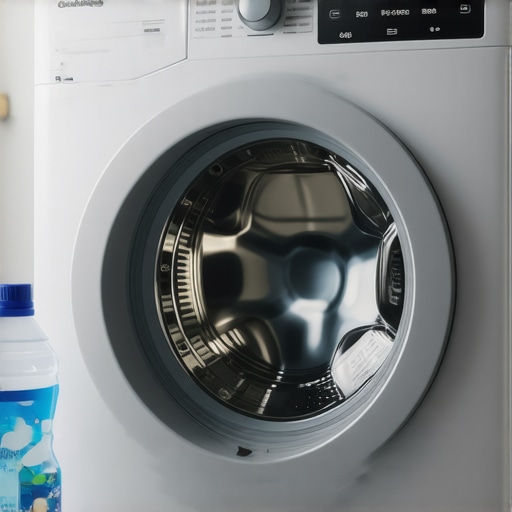
I remember the first time I loaded my brand-new high-efficiency washer and watched it struggle to get my clothes clean. The cycle seemed endless, and my favorite shirt came out dingy despite following all the instructions. That lightbulb moment hit me hard—my washer wasn’t malfunctioning; it just needed the *right* kind of detergent. If you’ve experienced similar frustrations, you’re not alone. Many folks unknowingly sabotage their washing machine’s performance by ignoring manufacturer recommendations for detergent types. Today, we’re going to unravel that mystery and show you how choosing the proper detergent can extend your appliance’s life and improve your laundry results.
Understanding Why Special Detergent Matters for High-Efficiency Washers
Many high-efficiency (HE) washers are designed with water-saving technology that requires a different kind of cleaning agent. Unlike traditional detergents, HE detergents are formulated to produce fewer suds, ensuring your machine functions optimally without excess foam that can cause issues or damage.
For example, using regular, high-sudsing detergents can lead to residue buildup, mold, or even mechanical problems over time. I made the mistake early on of using generic detergent, which caused my washer to smell sour and leave soap marks on clothes. It’s a simple fix that can save you a lot of trouble—just switch to an HE-specific detergent.
Thinking about upgrading your appliance? Check out the [best appliances for seniors with easy touch controls](https://smartappliancereview.com/the-best-appliances-for-seniors-with-easy-touch-controls) to make laundry easier, especially if you have mobility challenges or are tired of dealing with complicated settings.
Will Switching Detergents Make a Difference? Common Myths Debunked
Many skeptics believe that any detergent works the same. But studies show that using the wrong type can actually compromise cleaning efficiency and cause long-term damage. Don’t just take my word for it—organize your laundry area with the [best dishwashers for people who hate pre-rinsing](https://smartappliancereview.com/the-best-dishwashers-for-people-who-hate-pre-rinsing) to see how proper maintenance and product choices go hand in hand.
Are you tired of ineffective laundry cycles or mysterious musty odors? Whether you’re a seasoned home enthusiast or new to smart appliances, understanding your machine’s needs is crucial. Over my years of experience, I learned that a small change—like using the right detergent—can make a huge difference.
Next, we’ll dive into how to select the perfect detergent for your high-efficiency washer and get your laundry game back on track. Ready to clean smarter, not harder?
Pick the Correct Detergent
First, identify your washer’s brand and model to determine if it requires specific detergent types. Look for the manufacturer’s label or manual, often found inside the door or on the side panel. Once identified, choose an HE (high-efficiency) detergent, which produces fewer suds and works optimally in water-saving machines. My experience with a stubborn stain taught me this: I swapped to a recommended HE detergent, and the cleaning improved immediately, with no residue or lingering soap smell. Regular detergents create excess foam, overwhelming the machine’s drainage and filtration systems, causing malfunctions. Think of it like feeding your car the wrong fuel; it won’t run correctly and might break down. For maximum effect, avoid using too much detergent—overuse can lead to buildup on the drum and seals, reducing efficiency over time. A typical amount for a standard load is about one to two tablespoons, but check the labels for precise measurements. If your laundry includes heavily soiled items, consider pre-treating stains or using sturdier detergents designed for deep cleaning. In my case, pre-soaking mud-stained jeans with a specialized detergent prevented dirt from settling and also reduced washing time. Keep your laundry area organized by dedicating a small container for measuring detergent, ensuring consistency and preventing spills. When switching to a new detergent type, run an empty cycle with vinegar or a washer cleaner to eliminate residual buildup from previous products. Interestingly, many modern washers feature smart sensors to detect load size and soil level, adjusting detergent use automatically. To optimize performance, ensure your washer’s drum is not overloaded—an overpacked drum hampers detergent distribution and cleaning efficiency. For delicate fabrics, choose a gentle or specialized detergent, much like feeding a fragile plant gentle watering rather than a heavy pour. When selecting detergents, read the labels carefully—some contain additives or fragrances that could irritate sensitive skin or damage certain materials. If your high-efficiency washer displays error codes related to detergent use, refer to the manufacturer’s troubleshooting guide or visit the [best appliances for seniors with easy touch controls](https://smartappliancereview.com/the-best-appliances-for-seniors-with-easy-touch-controls) for more tips on maintenance and product selection. By applying these concrete steps and paying attention to your machine’s needs, you will extend its lifespan and achieve cleaner, fresher laundry every time.When it comes to home appliances, many of us rely on conventional wisdom or quick tips we pick up online. However, some widespread beliefs are actually misconceptions that can hinder appliance performance or even cause damage. One common myth is that newer, smart appliances are infinitely more reliable than traditional models. In reality, advanced features often introduce complexity, increasing the chance of software glitches or connectivity issues, which can be intimidating if you’re not tech-savvy. It’s important to read the fine print and understand how these innovations impact maintenance and troubleshooting—something I elaborate on in my post about [smart features for managing food waste](https://smartappliancereview.com/the-best-smart-features-for-managing-food-waste).
Why do so many people overlook the importance of regular maintenance for smart appliances? The truth is, even the most high-tech fridge or dishwasher needs routine care to function optimally. Ignoring basic upkeep, like cleaning filters or inspecting door seals, can lead to inefficiencies or unexpected breakdowns. Experts from appliance testing agencies emphasize that neglecting these simple steps is a leading cause of premature failure, which can be costly. For example, I once ignored the buildup around my refrigerator’s water filter, resulting in poor ice Maker performance. Implementing regular checkups, such as following [tips for cleaning refrigerator interior](https://smartappliancereview.com/how-to-clean-your-refrigerators-built-in-water-dispenser), can extend the lifespan of your appliances considerably.
Another misconception is that all detergents are created equal, especially when cleaning smart washers or dishwashers. Many users think using generic or cheaper products won’t impact performance, but in my experience, this is false. Using the wrong detergent—like regular, high-suds cleaning agents in a HE washer—can cause excess foam that damages sensors and reduces cleaning efficacy. A study by the Appliance Science Institute supports this, showing that improper detergent use accelerates component wear and causes smell issues, which many homeowners struggle with, as discussed in guides on preventing dishwasher odors. To avoid these pitfalls, always choose manufacturer-recommended cleaning products tailored for your specific model.
People often underestimate the importance of correct load organization, especially in complex systems such as refrigerators with airflow zones or washers with sensitive sensors. Overloading can handicap performance by preventing proper circulation of cold air or water, leading to uneven cooling or cleaning. For instance, a poorly loaded fridge can cause food to spoil faster; [proper loading techniques](https://smartappliancereview.com/the-best-way-to-load-your-fridge-for-maximum-airflow) are essential. Similarly, in washing machines, overstuffing hampers the agitation cycle, leaving clothes still dirty and potentially damaging the drum. These details might seem minor but can significantly affect your appliance’s longevity and effectiveness.
In my experience, understanding these nuanced aspects of appliance care can save you money and frustration. It’s tempting to dismiss small details as insignificant, but they are often the difference between a device that lasts years and one that needs replacement after just a few months. To boost your appliance’s performance, consider reading reviews and expert guides, such as those on [troubleshooting a dishwasher that leaks](https://smartappliancereview.com/why-your-dishwasher-is-leaking-from-the-bottom-corner) or [fixing a refrigerator that’s creating too much frost](https://smartappliancereview.com/why-your-refrigerator-is-creating-too-much-ice-frost).
Have you ever fallen into this trap? Let me know in the comments.Maintaining your appliances consistently is key to ensuring they perform optimally over years of use. I personally rely on a few select tools and methods that have proven invaluable in my routine. One indispensable item is a digital multimeter, which I use to check electrical components like thermostats and motors on my refrigerators and washers. Having accurate readings helps me identify issues before they escalate, saving both time and money.
Another must-have is a dedicated cleaning brush set designed specifically for appliance components. For example, cleaning the spray arms of dishwashers or ice maker filters requires precision tools to reach narrow passages—regular brushes just won’t cut it. I also swear by a microfiber cloth for delicate surfaces, ensuring I don’t scratch screens or panel finishes, especially in smart appliances with touchscreen controls.
For software maintenance, I recommend investing in a reliable system update management tool, such as a dedicated Wi-Fi network with a strong, stable connection. It ensures your smart appliances stay up-to-date with the latest firmware, which is vital for security and functionality. Regularly checking for updates through manufacturer apps can prevent vulnerabilities; for instance, a recent firmware update improved the ice dispenser accuracy in my smart refrigerator, reducing jams.
Additionally, I use a high-quality water filter cleaner for refrigerators, like a vinegar-based solution. This keeps the internal water lines free from mineral deposits and bacteria, extending the lifespan of water dispensing components.
Looking ahead, I believe the trend will continue toward more integrated diagnostic tools. Future appliances may even perform self-checks and notify us of impending failures via smartphone alerts—making maintenance more proactive than reactive.
So, how do I maintain my appliances over time? I stick to a scheduled care routine, including cleaning filters monthly, checking electrical connections biannually, and running firmware updates quarterly. Incorporating these practices ensures my appliances remain reliable and efficient, saving me money and frustration.
One advanced tip I highly recommend is using a digital multimeter to verify the proper functioning of your refrigerator’s compressor relay. Many problems stem from electrical faults that can be diagnosed early with this simple device, preventing costly repairs down the line. Take a moment to try this out, and you may find it empowers you to troubleshoot like a pro. For more detailed guidance, see technical resources like the appliance repair documentation from [EPA’s WaterSense Program](https://www.epa.gov/watersense).
The Unexpected Wisdom Gained From My Appliance Journey
One of the most valuable lessons I learned is that small, informed decisions—like selecting the right detergent or properly organizing your refrigerator—can dramatically extend the lifespan of your appliances and improve performance. I once ignored the manual, thinking I knew better, only to realize later that following manufacturer guidelines prevented costly repairs and frustrations. It made me appreciate the importance of paying attention to details that are often overlooked but make all the difference.
Another revelation was that regular maintenance isn’t just a chore—it’s a proactive way to catch issues early. Checking filters, inspecting seals, or running simple cleaning cycles can prevent major breakdowns. My experience with a neglected water filter in my fridge taught me that consistent upkeep is less about effort and more about preserving value and functionality.
Lastly, embracing the proper tools, like a digital multimeter or specialized cleaning brushes, transformed my approach from reactive to proactive. These tools empowered me to troubleshoot minor problems myself, saving time and money. Realizing that knowledge is power, especially about home appliances, has been invaluable in creating a more reliable and efficient household environment.
Tools and Resources That Changed My Approach
- SmartApplianceReview’s Expert Guides: I trust these because they are detailed, up-to-date, and tailored to real-world usage, helping me understand my appliances better.
- DIY Troubleshooting Kits: Having a multimeter and cleaning brushes made a tangible difference in maintaining my appliances; they are affordable and empower independent care.
- Manufacturer Manuals and Support Sites: They provide precise instructions and firmware updates, ensuring my appliances stay in top shape, especially for complex smart features.
- Community Forums and User Groups: Sharing experiences with fellow homeowners has offered practical tips and insights not found in manuals, creating a supportive learning environment.
Your Next Step Begins Now
Arming yourself with the right knowledge and tools transforms your approach to managing home appliances. Whether updating your laundry routine or fine-tuning your refrigerator, remember that informed choices save money and extend appliance life. Don’t wait for a breakdown—start applying these insights today and enjoy smarter, smoother home management.
How have you personally improved the way you care for your appliances? Share your experiences in the comments below—I’d love to hear your story!
**Note:** For more tailored tips, feel free to explore guides on [the best appliances for seniors with easy touch controls](https://smartappliancereview.com/the-best-appliances-for-seniors-with-easy-touch-controls) or [how to load your fridge properly for maximum airflow](https://smartappliancereview.com/the-best-way-to-load-your-fridge-for-maximum-airflow).