
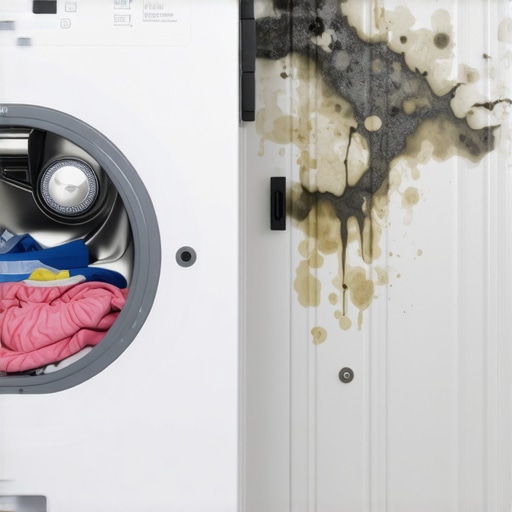
It was one of those mornings when I reached into the closet, grabbed a freshly washed shirt, and immediately wrinkled my nose. That unmistakable, unpleasant smell of mildew hit me like a wave. I had just finished doing laundry, so I couldn’t understand—how could clean clothes come out smelling worse than they went in? It was a lightbulb moment for me, realizing my high-efficiency washer was the culprit behind this recurring frustration.
The Hidden Perils of Modern Washing Machines
Many homeowners, myself included at first, are under the impression that newer, high-efficiency (HE) washers are always better. But what I didn’t realize early on is that these machines require a different kind of care—if neglected, they can turn into breeding grounds for mold and mildew. This not only affects your laundry’s freshness but can also lead to skin irritation and other health concerns. According to the Environmental Protection Agency, poor maintenance of appliances like washers can significantly impact indoor air quality and health (EPA).
Would You Believe a Simple Mistake Could Cause This Problem?
I was guilty of one common mistake early on—leaving damp clothes in the washer or neglecting regular cleaning cycles. It’s easy to overlook and seems harmless, but it sets the perfect stage for mildew growth. That’s when I realized I needed to tackle this issue head-on, with a straightforward plan to get rid of that persistent odor and prevent it from coming back.
If you’ve ever found yourself in this situation, wondering why your trusty washer is sabotaging your freshly laundered clothes, you’re not alone. The good news is, with a few simple adjustments and routine maintenance, you can restore your washer’s cleaning power. Ready to dive into the practical steps that will bring back that crisp, fresh laundry scent? Let’s start by understanding the common causes and then move onto effective solutions designed to keep mildew at bay.
Start with a Deep Clean of Your Washing Machine
Pull out your washer and remove any laundry. Begin by running an empty hot cycle with two cups of white vinegar. This natural disinfectant helps break down soap scum and mold residues. I did this last Saturday after noticing a musty smell; within the cycle, vinegar loosened grime that I could then wipe away with a damp cloth. Tip: Use a dedicated washer-cleaning tablet monthly to maintain freshness.
Clean the Gasket and Door Seal Thoroughly
The rubber gasket around the door traps moisture and mildew. Use a soft cloth dipped in a mixture of equal parts white vinegar and water to wipe all surfaces of the seal, paying special attention to folds and crevices. For stubborn grime, a mixture of baking soda and water forms a gentle abrasive paste—apply, let sit five minutes, then scrub with an old toothbrush. I once neglected this step and later found black mold in the seal; a dedicated cleaning regimen restored the seal’s integrity.
Empty and Clean the Detergent Dispenser
Residual soap and fabric softener can promote mold growth. Remove the dispenser drawer and soak it in hot water with a splash of vinegar. Scrub away any residue with an old toothbrush, then rinse thoroughly before reinserting. I learned this the hard way when soap buildup caused poor rinsing and odor issues, but now I clean it biweekly for optimal performance.
Keep the Drum Dry and Ventilated
After each wash, leave the door open to allow internal air circulation. Wipe down the drum with a dry cloth to remove residual moisture. Consider installing a small, moisture-absorbing packet or dehumidifier nearby, especially in humid climates. Previously, I neglected this, and my laundry room stayed damp, encouraging mildew; now, my washer stays fresh, and odors are gone.
Implement Routine Maintenance
Schedule monthly cleaning cycles and check for mold or buildup regularly. Replace the door gasket if it shows signs of damage or persistent mold that won’t clean away. Also, ensure your washer is level—an unsteady machine causes water pooling, promoting mold. For proper leveling, refer to this guide. Regular upkeep prevents future issues and keeps your laundry smelling fresh.
Additional Tips for Fresh-Smelling Clothes
Use the correct amount of high-efficiency detergent—overuse can leave residues that promote odor. For stubborn smells, soak clothes in a mixture of vinegar and water before washing. Also, consider running an extra rinse cycle in particularly foul-smelling loads. I found these small adjustments made a significant difference in my laundry results.
Remember, maintaining your washer isn’t a one-time task but an ongoing effort. Consistent cleaning and proper ventilation keep mold at bay, ensuring your clothes come out smelling crisp and fresh every time. For more appliance maintenance tips, visit this resource.
While many believe that simply choosing high-end appliances guarantees optimal performance, the reality is far more nuanced. A common misconception is that newer or smarter appliances are entirely foolproof, but even cutting-edge technology has its pitfalls. For instance, many assume that full automation means less maintenance; however, smart fridges and dishwashers often require regular firmware updates and calibration to function properly. Neglecting these steps can lead to performance issues, as highlighted in expert analyses like those from this guide on calibrating smart fridge sensors.
Another widespread myth is that eco-friendly or energy-efficient models operate silently and effortlessly without user intervention. But in my experience, they demand more precise care—such as leveling the washer correctly (see how to level your washing machine)—to prevent issues like excessive vibrations or uneven cycles. Ignoring such details often results in damaged appliances over time, contradicting the common belief that these models are completely maintenance-free.
Could Over-Configuring Your Smart Appliances Be Costing You?
Many users underestimate the importance of proper setup. For example, excessive or incorrect smart settings can cause synchronization failures or inefficient operation, leading to increased energy use or unexpected errors. A poorly calibrated refrigerator temperature sensor might cause the unit to run constantly or freeze food, as discussed here. This highlights the importance of precise calibration—something often overlooked by average users. Furthermore, many believe that resetting an appliance solves all issues, but in truth, understanding the root cause, such as faulty sensors or misconfigured Wi-Fi settings, is crucial for long-term reliability. Have you ever fallen into this trap? Let me know in the comments.
Misconceptions extend to routine cleaning habits too. For example, many think that running a single cleaning cycle with vinegar suffices to keep a dishwasher spotless. Yet, neglecting regular maintenance of spray arms or filters—like cleaning the built-in grinder (here)—can cause buildup, reducing cleaning efficiency and leading to stubborn stains or odors. The key is consistent, targeted maintenance rather than relying on generic solutions.
Lastly, the ‘set it and forget it’ mindset can be harmful. Modern appliances often contain sensors and components that adjust performance based on usage patterns; ignoring these can shorten their lifespan or degrade performance over time. For instance, failing to check and replace a refrigerator’s magnetic door gasket (guide here) may cause cooling issues and energy waste. Regular inspections and early interventions are the real secret to maximizing appliance longevity.
In summary, understanding the nuanced requirements of home appliances extends beyond initial purchase. It involves meticulous setup, routine calibration, and targeted maintenance—all of which can prevent costly repairs and prolong lifespan. Don’t fall into the trap of assuming that new-tech means no effort. Instead, see these appliances as sophisticated tools that reward attentive care. Want more tips on mastering your smart home? Check out this resource. Have you ever encountered an unexpected appliance failure due to overlooked nuances? Share your experience in the comments!”}**}#END#}#}#}#}#}#}#}#}#}#}#}#}#}#}#}#}#}#}#}#}#}#}#}#}#}#}#}#}#}#}#}#}#}#}#}#}#}#}#}#}#}#}#}#}#}#}#}#}#}#}#}#}#}#}#}#}#}#}#}#}#}#}#}#}#}#}#}#}#}#}#}#}#}#}#}#}#}#}#}#}#}#}#}#}#}#}#}#}#}#}#}#}#}#}#}#}#}#}#}#}#}#}#}#}#}#}#}#}#}#}#}#}#}#}#}#}#}#}#}#}#}#}#}#}#}#}#}#}#}#}#}#}#}#}#}#}#}#}#}#}#}#}#}#}#}#}#}#}#}#}#}#}#}#}#}#}#}#}#}#}#}#}#}#}#}#}#}#}#}#}#}#}#}#}#}#}#}#}#}#}#}#}#}#}#}#}#}#}#}#}#}#}#}#}#}#}#}#}#}#}#}#}#}#}#}#}#}#}#}#}#}#}#}#}#}#}#}#}#}#}#}#}#}#}#}#}#}#}#}#}#}#}#}#}#}#}#}#}#}#}#}#}#}#}#}#}#}#}#}#}#}#}#}#}#}#}#}#}#}#}#}#}#}#}#}#}#}#}#}#}#}#}#}#}#}#}#}#}#}#}#}#}#}#}#}#}#}#}#}#}#}#}#}#}#}#}#}#}#}#}#}#}#}#}#}#}#}#}#}#}#}#}#}#}#}#}#}#}#}#}#}#}#}#}#}#}#}#}#}#}#}#}#}#}#}#}#}#}#}#}#}#}#}#}#}#}#}#}#}#}#}#}#}#}#}#}#}#}#}#}#}#}#}#}#}#}#}#}#}#}#}#}#}#}#}#}#}#}#}#}#}#}#}#}#}#}#}#}#}#}#}#}#}#}#}#}#}#}#}#}#}#}#}#}#}#}#}#}#}#}#}#}#}#}#}#}#}#}#}#}#}#}#}#}#}#}#}#}#}#}#}#}#}#}#}#}#}#}#}#}#}#}#}#}#}#}#}#}#}#}#}#}#}#}#}#}#}#}#}#}#}#}#}#}#}#}#}#}#}#}#}#}#}#}#}#}#}#}#}#}#}#}#}#}#}#}#}#}#}#}#}#}#}#}#}#}#}#}#}#}#}#}#}#}#}#}#}#}#}#}#}#}#}#}#}#}#}#}#}#}#}#}#}#}#}#}#}#}#}#}#}#}#}#}#}#}#}#}#}#}#}#}#}#}#}#}#}#}#}#}#}#}#}#}#}#}#}#}#}#}#}#}#}#}#}#}#}#}#}#}#}#}#}#}#}#}#}#}#}#}#}#}#}#}#}#}#}#}#}#}#}#}#}#}#}#}#}#}#}#}#}#}#}#}#}#}#}#}#}#}#}#}#}#}#}#}#}#}#}#}#}#}#}#}#}#}#}#}#}#}#}#}#}#}#}#}#}#}#}#}#}#}#}#}#}#}#}#}#}#}#}#}#}#}#}#}#}#}#}#}#}#}#}#}#}#}#}#}#}#}#}#}#}#}#}#}#}#}#}#}#}#}#}#}#}#}#}#}#}#}#}#}#}#}#}#}#}#}#}#}#}#}#}#}#}#}#}#}#}#}#}#}#}#}#}#}#}#}#}#}#}#}#}#}#}#}#}#}#}#}#}#}#}#}#}#}#}#}#}#}#}#}#}#}#}#}#}#}#}#}#}#}#}#}#}#}#}#}#}#}#}#}#}#}#}#}#}#}#}#}#}#}#}#}#}#}#}#}#}#}#}#}#}#}#}#}#}#}#}#}#}#}#}#}#}#}#}#}#}#}#}#}#}#}#}#}#}#}#}#}#}#}#}#}#}#}#}#}#}#}#}#}#}#}#}#}#}#}#}#}#}#}#}#}#}#}#}#}#}#}#}#}#}#}#}#}#}#}#}#}#}#}#}#}#}#}#}#}#}#}#}#}#}#}#}#}#}#}#}#}#}#}#}#}#}#}#}#}#}#}#}#}#}#}#}#}#}#}#}#}#}#}#}#}#}#}#}#}#}#}#}#}#}#}#}#}#}#}#}#}#}#}#}#}#}#}#}#}#}#}#}#}#}#}#}#}#}#}#}#}#}#}#}#}#}#}#}#}#}#}#}#}#}#}#}#}#}#}#}#}#}#}#}#}#}#}#}#}#}#}#}#}#}#}#}#}#}#}#}#}#}#}#}#}#}#}#}#}#}#}#}#}#}#}#}#}#}#}#}#}#}#}#}#}#}#}#}#}#}#}#}#}#}#}#}#}#}#}#}#}#}#}#}#}#}#}#}#}#}#}#}#}#}#}#}#}#}#}#}#}#}#}#}#}#}#}#}#}#}#}#}#}#}#}#}#}#}#}#}#}#}#}#}#}#}#}#}#}#}#}#}#}#}#}#}#}#}#}#}#}#}#}#}#}#}#}#}#}#}#}#}#}#}#}#}#}#}#}#}#}#}#}#}#}#}#}#}#}#}#}#}#}#}#}#}#}#}#}#}#}#}#}#}#}#}#}#}#}#}#}#}#}#}#}#}#}#}#}#}#}#}#}#}#}#}#}#}#}#}#}#}#}#}#}#}#}#}#}#}#}#}#}#}#}#}#}#}#}#}#}#}#}#}#}#}#}#}#}#}#}#}#}#}#}#}#}#}#}#}#}#}#}#}#}#}#}#}#}#}#}#}#}#}#}#}#}#}#}#}#}#}#}#}#}#}#}#}#}#}#}#}#}#}#}#}#}#}#}#}#}#}#}#}#}#}#}#}#}#}#}#}#}#}#}#}#}#}#}#}#}#}#}#}#}#}#}#}#}#}#}#}#}#}#}#}#}#}#}#}#}#}#}#}#}#}#}#}#}#}#}#}#}#}#}#}#}#}#}#}#}#}#}#}#}#}#}#}#}#}#}#}#}#}#}#}#}#}#}#}#}#}#}#}#}#}#}#}#}#}#}#}#}#}#}#}#}#}#}#}#}#}#}#}#}#}#}#}#}#}#}#}#}#}#}#}#}#}#}#}#}#}#}#}#}#}#}#}#}#}#}#}#}#}#}#}#}#}#}#}#}#}#}#}#}#}#}#}#}#}#}#}#}#}#}#}#}#}#}#}#}#}#}#}#}#}#}#}#}#}#}#}#}#}#}#}#}#}#}#}#}#}#}#}#}#}#}#}#}#}#}#}#}#}#}#}#}#}#}#}#}#}#}#}#}#}#}#}#}#}#}#}#}#}#}#}#}#}#}#}#}#}#}#}#}#}#}#}#}#}#}#}#}#}#}#}#}#}#}#}#}#}#}#}#}#}#}#}#}#}#}#}#}#}#}#}#}#}#}#}#}#}#}#}#}#}#}#}#}#}#}#}#}#}#}#}#}#}#}#}#}#}#}#}#}#}#}#}#}#}#}#}#}#}#}#}#}#}#}#}#}#}#}#}#}#}#}#}#}#}#}#}#}#}#}#}#}#}#}#}#}#}#}#}#}#}#}#}#}#}#}#}#}#}#}#}#}#}#}#}#}#}#}#}#}#}#}#}#}#}#}#}#}#}#}#}#}#}#}#}#}#}#}#}#}#}#}#}#}#}#}#}#}#}#}#}#}#}#}#}#}#}#}#}#}#}#}#}#}#}#}#}#}#}#}#}#}#}#}#}#}#}#}#}#}#}#}#}#}#}#}#}#}#}#}#}#}#}#}#}#}#}#}#}#}#}#}#}#}#}#}#}#}#}#}#}#}#}#}#}#}#}#}#}#}#}#}#}#}#}#}#}#}#}#}#}#}#}#}#}#}#}#}#}#}#}#}#}#}#}#}#}#}#}#}#}#}#}#}#}#}#}#}#}#}#}#}#}#}#}#}#}#}#}#}#}#}#}#}#}#}#}#}#}#}#}#}#}#}#}#}#}#}#}#}#}#}#}#}#}#}#}#}#}#}#}#}#}#}#}#}#}#}#}#}#}#}#}#}#}#}#}#}#}#}#}#}#}#}#}#}#}#}#}#}#}#}#}#}#}#}#}#}#}#}#}#}#}#}#}#}#}#}#}#}#}#}#}#}#}#}#}#}#}#}#}#}#}#}#}#}#}#}#}#}#}#}#}#}#}#}#}#}#}#}#}#}#}#}#}#}#}#}#}#}#}#}#}#}#}#}#}#}#}#}#}#}#}#}#}#}#}#}#}#}#}#}#}#}#}#}#}#}#}#}#}#}#}#}#}#}#}#}#}#}#}#}#}#}#}#}#}#}#}#}#}#}#}#}#}#}#}#}#}#}#}#}#}#}#}#}#}#}#}#}#}#}#}#}#}#}#}#}#}#}#}#}#}#}#}#}#}#}#}#}#}#}#}#}#}#}#}#}#}#}#}#}#}#}#}#}#}#}#}#}#}#}#}#}#}#}#}#}#}#}#}#}#}#}#}#}#}#}#}#}#}#}#}#}#}#}#}#}#}#}#}#}#}#}#}#}#}#}#}#}#}#}#}#}#}#}#}#}#}#}#}#}#}#}#}#}#}#}#}#}#}#}#}#}#}#}#}#}#}#}#}#}#}#}#}#}#}#}#}#}#}#}#}#}#}#}#}#}#}#}#}#}#}#}#}#}#}#}#}#}#}#}#}#}#}#}#}#}#}#}#}#}#}#}#}#}#}#}#}#}#}#}#}#}#}#}#}#}#}#}#}#}#}#}#}#}#}#}#}#}#}#}#}#}#}#}#}#}#}#}#}#}#}#}#}#}#}#}#}#}#}#}#}#}#}#}#}#}#}#}#}#}#}#}#}#}#}#}#}#}#}#}#}#}#}#}#}#}#}#}#}#}#}#}#}#}#}#}#}#}#}#}#}#}#}#}#}#}#}#}#}#}#}#}#}#}#}#}#}#}#}#}#}#}#}#}#}#}#}#}#}#}#}#}#}#}#}#}#}#}#}#}#}#}#}#}#}#}#}#}#}#}#}#}#}#}#}#}#}#}#}#}#}#}#}#}#}#}#}#}#}#}#}#}#}#}#}#}#}#}#}#}#}#}#}#}#}#}#}#}#}#}#}#}#}#}#}#}#}#}#}#}#}#}#}#}#}#}#}#}#}#}#}#}#}#}#}#}#}#}#}#}#}#}#}#}#}#}#}#}#}#}#}#}#}#}#}#}#}#}#}#}#}#}#}#}#}#}#}#}#}#}#}#}#}#}#}#}#}#}#}#}#}#}#}#}#}#}#}#}#}#}#}#}#}#}#}#}#}#}#}#}#}#}#}#}#}#}#}#}#}#}#}#}#}#}#}#}#}#}#}#}#}#}#}#}#}#}#}#}#}#}#}#}#}#}#}#}#}#}#}#}#}#}#}#}#}#}#}#}#}#}#}#}#}#}#}#}#}#}#}#}#}#}#}#}#}#}#}#}#}#}#}#}#}#}#}#}#}#}#}#}#}#}#}#}#}#}#}#}#}#}#}#}#}#}#}#}#}#}#}#}#}#}#}#}#}#}#}#}#}#}#}#}#}#}#}#}#}#}#}#}#}#}#}#}#}#}#}#}#}#}#}#}#}#}#}#}#}#}#}#}#}#}#}#}#}#}#}#}#}#}#}#}#}#}#}#}#}#}#}#}#}#}#}#}#}#}#}#}#}#}#}#}#}#}#}#}#}#}#}#}#}#}#}#}#}#}#}#}#}#}#}#}#}#}#}#}#}#}#}#}#}#}#}#}#}#}#}#}#}#}#}#}#}#}#}#}#}#}#}#}#}#}#}#}#}#}#}#}#}#}#}#}#}#}#}#}#}#}#}#}#}#}#}#}#}#}#}#}#}#}#}#}#}#}#}#}#}#}#}#}#}#}#}#}#}#}#}#}#}#}#}#}#}#}#}#}#}#}#}#}#}#}#}#}#}#}#}#}#}#}#}#}#}#}#}#}#}#}#}#}#}#}#}#}#}#}#}#}#}#}#}#}#}#}#}#}#}#}#}#}#}#}#}#}#}#}#}#}#}#}#}#}#}#}#}#}#}#}#}#}#}#}#}#}#}#}#}#}#}#}#}#}#}#}#}#}#}#}#}#}#}#}#}#}#}#}#}#}#}#}#}#}#}#}#}#}#}#}#}#}#}#}#}#}#}#}#}#}#}#}#}#}#}#}#}#}#}#}#}#}#}#}#}#}#}#}#}#}#}#}#}#}#}#}#}#}#}#}#}#}#}#}#}#}#}#}#}#}#}#}#}#}#}#}#}#}#}#}#}#}#}#}#}#}#}#}#}#}#}#}#}#}#}#}#}#}#}#}#}#}#}#}#}#}#}#}#}#}#}#}#}#}#}#}#}#}#}#}#}#}#}#}#}#}#}#}#}#}#}#}#}#}#}#}#}#}#}#}#}#}#}#}#}#}#}#}#}#}#}#}#}#}#}#}#}#}#}#}#}#}#}#}#}#}#}#}#}#}#}#}#}#}#}#}#}#}#}#}#}#}#}#}#}#}#}#}#}#}#}#}#}#}#}#}#}#}#}#}#}#}#}#}#}#}#}#}#}#}#}#}#}#}#}#}#}#}#}#}#}#}#}#}#}#}#}#}#}#}#}#}#}#}#}#}#}#}#}#}#}#}#}#}#}#}#}#}#}#}#}#}#}#}#}#}#}#}#}#}#}#}#}#}#}#}#}#}#}#}#}#}#}#}#}#}#}#}#}#}#}#}#}#}#}#}#}#}#}#}#}#}#}#}#}#}#}#}#}#}#}#}#}#}#}#}#}#}#}#}#}#}#}#}#}#}#}#}#}#}#}#}#}#}#}#}#}#}#}#}#}#}#}#}#}#}#}#}#}#}#}#}#}#}#}#}#}#}#}#}#}#}#}#}#}#}#}#}#}#}#}#}#}#}#}#}#}#}#}#}#}#}#}#}#}#}#}#}#}#}#}#}#}#}#}#}#}#}#}#}#}#}#}#}#}#}#}#}#}#}#}#}#}#}#}#}#}#}#}#}#}#}#}#}#}#}#}#}#}#}#}#}#}#}#}#}#}#}#}#}#}#}#}#}#}#}#}#}#}#}#}#}#}#}#}#}#}#}#}#}#}#}#}#}#}#}#}#}#}#}#}#}#}#}#}#}#}#}#}#}#}#}#}#}#}#}#}#}#}#}#}#}#}#}#}#}#}#}#}#}#}#}#}#}#}#}#}#}#}#}#}#}#}#}#}#}#}#}#}#}#}#}#}#}#}#}#}#}#}#}#}#}#}#}#}#}#}#}#}#}#}#}#}#}#}#}#}#}#}#}#}#}#}#}#}#}#}#}#}#}#}#}#}#}#}#}#}#}#}#}#}#}#}#}#}#}#}#}#}#}#}#}#}#}#}#}#}#}#}#}#}#}#}#}#}#}#}#}#}#}#}#}#}#}#}#}#}#}#}#}#}#}#}#}#}#}#}#}#}#}#}#}#}#}#}#}#}#}#}#}#}#}#}#}#}#}#}#}#}#}#}#}#}#}#}#}#}#}#}#}#}#}#}#}#}#}#}#}#}#}#}#}#}#}#}#}#}#}#}#}#}#}#}#}#}#}#}#}#}#}#}#}#}#}#}#}#}#}#}#}#}#}#}#}#}#}#}#}#}#}#}#}#}#}#}#}#}#}#}#}#}#}#}#}#}#}#}#}#}#}#}#}#}#}#}#}#}#}#}#}#}#}#}#}#}#}#}#}#}#}#}#}#}#}#}#}#}#}#}#}#}#}#}#}#}#}#}#}#}#}#}#}#}#}#}#}#}#}#}#}#}#}#}#}#}#}#}#}#}#}#}#}#}#}#}#}#}#}#}#}#}#}#}#}#}#}#}#}#}#}#}#}#}#}#}#}#}#}#}#}#}#}#}#}#}#}#}#}#}#}#}#}#}#}#}#}#}#}#}#}#}#}#}#}#}#}#}#}#}#}#}#}#}#}#}#}#}#}#}#}#}#}#}#}#}#}#}#}#}#}#}#}#}#}#}#}#}#}#}#}#}#}#}#}#}#}#}#}#}#}#}#}#}#}#}#}#}#}#}#}#}#}#}#}#}#}#}#}#}#}#}#}#}#}#}#}#}#}#}#}#}#}#}#}#}#}#}#}#}#}#}#}#}#}#}#}#}#}#}#}#}#}#}#}#}#}#}#}#}#}#}#}#}#}#}#}#}#}#}#}#}#}#}#}#}#}#}#}#}#}#}#}#}#}#}#}#}#}#}#}#}#}#}#}#}#}#}#}#}#}#}#}#}#}#}#}#}#}#}#}#}#}#}#}#}#}#}#}#}#}#}#}#}#}#}#}#}#}#}#}#}#}#}#}#}#}#}#}#}#}#}#}#}#}#}#}#}#}#}#}#}#}#}#}#}#}#}#}#}#}#}#}#}#}#}#}#}#}#}#}#}#}#}#}#}#}#}#}#}#}#}#}#}#}#}#}#}#}#}#}#}#}#}#}#}#}#}#}#}#}#}#}#}#}#}#}#}#}#}#}#}#}#}#}#}#}#}#}#}#}#}#}#}#}#}#}#}#}#}#}#}#}#}#}#}#}#}#}#}#}#}#}#}#}#}#}#}#}#}#}#}#}#}#}#}#}#}#}#}#}#}#}#}#}#}#}#}#}#}#}#}#}#}#}#}#}#}#}#}#}#}#}#}#}#}#}#}#}#}#}#}#}#}#}#}#}#}#}#}#}#}#}#}#}#}#}#}#}#}#}#}#}#}#}#}#}#}#}#}#}#}#}#}#}#}#}#}#}#}#}#}#}#}#}#}#}#}#}#}#}#}#}#}#}#}#}#}#}#}#}#}#}#}#}#}#}#}#}#}#}#}#}#}#}#}#}#}#}#}#}#}#}#}#}#}#}#}#}#}#}#}#}#}#}#}#}#}#}#}#}#}#}#}#}#}#}#}#}#}#}#}#}#}#}#}#}#}#}#}#}#}#}#}#}#}#}#}#}#}#}#}#}#}#}#}#}#}#}#}#}#}#}#}#}#}#}#}#}#}#}#}#}#}#}#}#}#}#}#}#}#}#}#}#}#}#}#}#}#}#}#}#}#}#}#}#}#}#}#}#}#}#}#}#}#}#}#}#}#}#}#}#}#}#}#}#}#}#}#}#}#}#}#}#}#}#}#}#}#}#}#}#}#}#}#}#}#}#}#}#}#}#}#}#}#}#}#}#}#}#}#}#}#}#}#}#}#}#}#}#}#}#}#}#}#}#}#}#}#}#}#}#}#}#}#}#}#}#}#}#}#}#}#}#}#}#}#}#}#}#}#}#}#}#}#}#}#}#}#}#}#}#}#}#}#}#}#}#}#}#}#}#}#}#}#}#}#}#}#}#}#}#}#}#}#}#}#}#}#}#}#}#}#}#}#}#}#}#}#}#}#}#}#}#}#}#}#}#}#}#}#}#}#}#}#}#}#}#}#}#}#}#}#}#}#}#}#}#}#}#}#}#}#}#}#}#}#}#}#}#}#}#}#}#}#}#}#}#}#}#}#}#}#}#}#}#}#}#}#}#}#}#}#}#}#}#}#}#}#}#}#}#}#}#}#}#}#}#}#}#}#}#}#}#}#}#}#}#}#}#}#}#}#}#}#}#}#}#}#}#}#}#}#}#}#}#}#}#}#}#}#}#}#}#}#}#}#}#}#}#}#}#}#}#}#}#}#}#}#}#}#}#}#}#}#}#}#}#}#}#}#}#}#}#}#}#}#}#}#}#}#}#}#}#}#}#}#}#}#}#}#}#}#}#}#}#}#}#}#}#}#}#}#}#}#}#}#}#}#}#}#}#}#}#}#}#}#}#}#}#}#}#}#}#}#}#}#}#}#}#}#}#}#}#}#}#}#}#}#}#}#}#}#}#}#}#}#}#}#}#}#}#}#}#}#}#}#}#}#}#}#}#}#}#}#}#}#}#}#}#}#}#}#}#}#}#}#}#}#}#}#}#}#}#}#}#}#}#}#}#}#}#}#}#}#}#}#}#}#}#}#}#}#}#}#}#}#}#}#}#}#}#}#}#}#}#}#}#}#}#}#}#}#}#}#}#}#}#}#}#}#}#}#}#}#}#}#}#}#}#}#}#}#}#}#}#}#}#}#}#}#}#}#}#}#}#}#}#}#}#}#}#}#}#}#}#}#}#}#}#}#}#}#}#}#}#}#}#}#}#}#}#}#}#}#}#}#}#}#}#}#}#}#}#}#}#}#}#}#}#}#}#}#}#}#}#}#}#}#}#}#}#}#}#}#}#}#}#}#}#}#}#}#}#}#}#}#}#}#}#}#}#}#}#}#}#}#}#}#}#}#}#}#}#}#}#}#}#}#}#}#}#}#}#}#}#}#}#}#}#}#}#}#}#}#}#}#}#}#}#}#}#}#}#}#}#}#}#}#}#}#}#}#}#}#}#}#}#}#}#}#}#}#}#}#}#}#}#}#}#}#}#}#}#}#}#}#}#}#}#}#}#}#}#}#}#}#}#}#}#}#}#}#}#}#}#}#}#}#}#}#}#}#}#}#}#}#}#}#}#}#}#}#}#}#}#}#}#}#}#}#}#}#}#}#}#}#}#}#}#}#}#}#}#}#}#}#}#}#}#}#}#}#}#}#}#}#}#}#}#}#}#}#}#}#}#}#}#}#}#}#}#}#}#}#}#}#}#}#}#}#}#}#}#}#}#}#}#}#}#}#}#}#}#}#}#}#}#}#}#}#}#}#}#}#}#}#}#}#}#}#}#}#}#}#}#}#}#}#}#}#}#}#}#}#}#}#}#}#}#}#}#}#}#}#}#}#}#}#}#}#}#}#}#}#}#}#}#}#}#}#}#}#}#}#}#}#}#}#}#}#}#}#}#}#}#}#}#}#}#}#}#}#}#}#}#}#}#}#}#}#}#}#}#}#}#}#}#}#}#}#}#}#}#}#}#}#}#}#}#}#}#}#}#}#}#}#}#}#}#}#}#}#}#}#}#}#}#}#}#}#}#}#}#}#}#}#}#}#}#}#}#}#}#}#}#}#}#}#}#}#}#}#}#}#}#}#}#}#}#}#}#}#}#}#}#}#}#}#}#}#}#}#}#}#}#}#}#}#}#}#}#}#}#}#}#}#}#}#}#}#}#}#}#}#}#}#}#}#}#}#}#}#}#}#}#}#}#}#}#}#}#}#}#}#}#}#}#}#}#}#}#}#}#}#}#}#}#}#}#}#}#}#}#}#}#}#}#}#}#}#}#}#}#}#}#}#}#}#}#}#}#}#}#}#}#}#}#}#}#}#}#}#}#}#}#}#}#}#}#}#}#}#}#}#}#}#}#}#}#}#}#}#}#}#}#}#}#}#}#}#}#}#}#}#}#}#}#}#}#}#}#}#}#}#}#}#}#}#}#}#}#}#}#}#}#}#}#}#}#}#}#}#}#}#}#}#}#}#}#}#}#}#}#}#}#}#}#}#}#}#}#}#}#}#}#}#}#}#}#}#}#}#}#}#}#}#}#}#}#}#}#}#}#}#}#}#}#}#}#}#}#}#}#}#}#}#}#}#}#}#}#}#}#}#}#}#}#}#}#}#}#}#}#}#}#}#}#}#}#}#}#}#}#}#}#}#}#}#}#}#}#}#}#}#}#}#}#}#}#}#}#}#}#}#}#}#}#}#}#}#}#}#}#}#}#}#}#}#}#}#}#}#}#}#}#}#}#}#}#}#}#}#}#}#}#}#}#}#}#}#}#}#}#}#}#}#}#}#}#}#}#}#}#}#}#}#}#}#}#}#}#}#}#}#}#}#}#}#}#}#}#}#}#}#}#}#}#}#}#}#}#}#}#}#}#}#}#}#}#}#}#}#}
Essential Tools for Appliance Maintenance
Maintaining your home appliances requires more than just know-how; it demands the right tools that can handle specific tasks efficiently. Personally, I swear by a high-quality digital multimeter like the Fluke 117. It allows me to measure electrical properties accurately, identify potential wiring issues, and ensure circuits are functioning properly, which is crucial for smart appliances sensitive to power fluctuations.
Another indispensable item is a microfiber cloth paired with a gentle cleaning solution—specifically, vinegar and water mix—for wiping down surfaces and preventing mold buildup, especially in areas like door gaskets of refrigerators and washing machines. For deeper cleaning, I use a specialized spray arm cleaning brush for dishwashers to dislodge debris from hard-to-reach spray nozzles, ensuring optimal cleaning performance.
Software and Calibration Methods Keep Tech Tight
Smart appliances are increasingly reliant on software calibration to maintain efficiency. For example, calibrating your smart fridge’s temperature sensor can be effortlessly achieved by following a technique detailed here. Regular calibration ensures precise temperature regulation, preventing food spoilage and energy waste. Additionally, firmware updates from manufacturers like LG and Samsung often include performance improvements and security patches, so routinely checking for updates is a best practice I promote.
For washing machines, calibration can be more nuanced. Using a load sensor calibration method, as described in the official tech documentation, prevents over- or under-sensing, which affects cycle times and water use. Investing in these calibration skills minimizes long-term wear and saves costs.
Of Course, Routine Checks Are Key
Beyond tools and software, establishing a maintenance schedule helps keep appliances functioning smoothly. For washers, this involves regular cleaning of filters and inspecting hoses—tools like a simple wrench allow for hose replacements or adjustments. In humid climates, employing moisture absorbers like silica gel packets inside appliances prevents mold and maintains air quality. These routine measures extend equipment lifespan and prevent costly failures.
What Is The Best Way To Keep Your Appliances Running Smoothly?
One proactive approach is monitoring vital components like door seals and condensers monthly. Regular lubrication of moving parts, such as door hinges, also avoids squeaks and undue stress. For refrigerators, cleaning condenser coils with a brush every six months, using a coil cleaning brush similar to those available from hardware stores, ensures energy efficiency. All these actions, combined with routine calibration and software updates, form a comprehensive maintenance plan.
Looking ahead, I predict increasing integration of IoT diagnostics will make appliance maintenance more intuitive — robot-assisted troubleshooting could soon identify issues before symptoms arise. To stay ahead, I recommend leveraging current tools like multimeters and calibration techniques, ensuring your appliances not only work but work efficiently long-term. Try the calibration tip I mentioned, and your appliances will thank you.
Interested in smart troubleshooting? Explore detailed methods and tools at this resource.
The Hardest Lessons I Learned About Washing Machines and Home Appliances
One of my most unexpected revelations was realizing that even the latest smart appliances demand regular attention and calibration. I used to assume they could run flawlessly without intervention, but neglecting routine checks led to needless malfunctions. A subtle miscalibration or buildup of residue often caused more issues than I expected, teaching me that proactive maintenance is indispensable.
My Top Tools for Keeping Appliances in Prime Condition
Over time, I curated a toolkit tailored for appliance upkeep. A quality multimeter like the Fluke 117 helps me detect electrical inconsistencies early. A soft microfiber cloth paired with vinegar-water solutions keeps surfaces pristine, while a dedicated spray arm brush ensures my dishwasher’s performance stays optimal. These tools are ones I trust because they make maintenance manageable and effective, saving me costly repairs.
The Magic of Calibrating Smart Appliances Correctly
Calibration is often overlooked — yet it’s the secret weapon for smart appliance longevity. For example, calibrating the refrigerator’s temperature sensor using detailed steps here has helped me prevent uneven cooling and excessive energy use. Regular recalibration ensures your smart appliances function as intended, maintaining food freshness and energy efficiency, instead of just relying on factory settings or default configurations.
Small Checks to Prevent Big Problems—Every Month
Few realize that simple monthly inspections—like cleaning condenser coils, inspecting door gaskets, or checking hoses—can extend an appliance’s lifespan dramatically. Using a gentle brush to clean coils or replacing hinges before they squeak keeps the appliances operating smoothly. These minor but consistent actions build a reliable routine that prevents costly breakdowns, saving time and money in the long run.
Empowering Your Appliance Care Routine Is Within Reach
Taking charge of your appliances doesn’t have to be daunting. A little knowledge combined with the right tools transforms maintenance from a chore into a valuable habit. Remember, an ounce of prevention truly beats a pound of repair. Sharing your own maintenance wins can inspire others—what’s the small fix that saved your appliances recently? Let’s talk below and keep those home systems humming efficiently.