
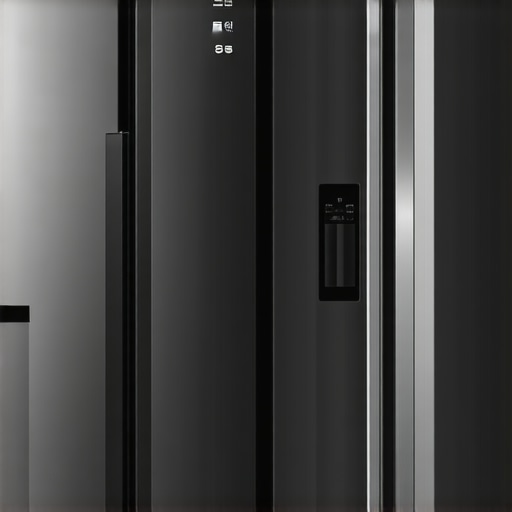
One morning, I opened my fridge—and was greeted not by the cool, organized space I expected, but by a maze of mismatched shelves and half-heartedly packed leftovers. It hit me then: choosing the right fridge isn’t just about looks or brand names; it’s about how it fits into my life. That lightbulb moment led me down a path of discovery about the real differences between French door and side-by-side refrigerators, a decision that can honestly make or break your daily routines.
Your Kitchen’s Heartbeat: Why This Choice Matters Now More Than Ever
In today’s smart home era, our appliances do more than just keep food cold—they’re becoming integral to our lifestyle. With the rise of smart refrigerators, some models even suggest recipes or track expiration dates. But amidst all this tech, the fundamental layout of your fridge still impacts usability, energy efficiency, and your overall kitchen flow. I’ll share insights based on my experience and research, so you won’t have to make that dreaded
Assess Your Appliance Needs Carefully
Start by making a list of what you need from each appliance. For example, if you cook every night, prioritize a dishwasher that can handle heavy pots and pans, like the ones reviewed here. Think about the size, capacity, and special features that match your routines. I once bought a compact refrigerator that seemed ideal, but its limited space forced me to reorganize weekly. Lesson: match size and features to your actual use to avoid future frustration.
Measure and Plan Your Kitchen Space
Measure Carefully
Use a tape measure to record available space, including door clearance. For example, trying to fit a French door fridge into a tight corner without measuring led to a stressful afternoon—tilting and potential damage. Knowing your space helps prevent this. Don’t forget to account for necessary clearance for ventilation and door swing, which can affect appliance performance and lifespan.
Visualize and Sketch
Create a simple diagram of your workspace, noting outlet locations and pathways. This prevents buying appliances with cords that won’t reach outlets or obstruct pathways. I once placed a large freezer too close to a wall, restricting airflow and causing it to work harder. Proper planning saves energy and prolongs appliance life.
Select Features That Boost Efficiency and Convenience
Next, identify the smart features that truly add value. For example, a refrigerator with an internal camera allows you to check groceries while shopping—no more surprise runs to the store. When choosing a dishwasher, opt for models with voice control integration that make operation effortless. Prioritize energy efficiency ratings, which can significantly cut your utility bills over time.
Install and Connect Your Appliances Correctly
Follow Manufacturer Instructions Precisely
Each appliance comes with installation guides. Carefully follow them for secure setup, especially for plumbing and electrical connections. For instance, improperly connected water lines can cause leaks or prevent ice maker function. If your refrigerator water line is acting up, check out this guide to troubleshoot common issues.
Configure Settings for Your Routine
Adjust temperature settings, cycle options, and Wi-Fi connections to match your habits. For smart appliances, ensure they are recognized by your home hub like your smart home system. When I connected my fridge to Alexa, I gained instant access to temperature controls and freshness alerts, saving time and energy.
Maintain Regularly to Ensure Longevity
Set a schedule for cleaning filters, seals, and coils. For example, cleaning the rubber seal on your dishwasher door can prevent mold and bad odors. Regular maintenance not only enhances performance but also prevents costly repairs. Monitor for signs like leaks, unusual noises, or error codes, and address them promptly.
Optimize Usage to Save Energy and Time
Use eco modes during off-peak hours and avoid overloading appliances. Loading the fridge properly—placing heavier items on the bottom and avoiding blocking vents—ensures even cooling and energy efficiency. Learn how to load your fridge for maximum airflow here. Similarly, run full loads in your washer and dishwasher to maximize efficiency and reduce water use.
Troubleshoot Common Issues Swiftly
If an appliance isn’t functioning correctly, consult troubleshooting guides or support forums. For example, if your washing machine takes too long to fill, review this step-by-step process. Addressing issues early prevents bigger problems and extends appliance lifespan. Remember, simples repairs like unjamming a dishwasher spray arm can make a big difference.
Many homeowners assume that choosing a washing machine or refrigerator is straightforward, but in reality, there’s a lot of nuance that often escapes even seasoned consumers. One common misconception is that bigger capacity always equals better performance. However, an oversized machine used inefficiently can lead to wasted energy and premature wear. For example, selecting a washing machine with a high capacity and running only small loads can significantly increase utility bills and reduce the lifespan of your appliance. Additionally, many overlook that high efficiency (HE) washers require specialized detergents to perform optimally. Using regular detergents can cause excess suds, leading to longer cycles and potential mechanical issues. For more on how to get the most out of your HE washer, check out this guide.
Why Do So Many Appliances Fail Prematurely
A frequent mistake is neglecting regular maintenance and believing that warranties cover all repairs. Many assume that if an appliance stops working, it’s a manufacturer defect, but often, simple issues like clogged filters or worn seals are the culprit. For instance, a leaking refrigerator often results from a neglected door gasket or blocked defrost drain, which can be fixed with routine cleaning — a task detailed here. Skipping these checks leads to bigger problems down the line and reduces appliance lifespan.
Advanced Insight: Smart Appliances and Network Security
Many tech-savvy users assume that connecting smart appliances to their home networks is purely beneficial, but they overlook security risks. IoT devices like smart refrigerators and washers can be entry points for hackers if not properly secured. It’s recommended to segment your smart devices on a separate network and keep firmware updated — a strategy supported by cybersecurity expert recommendations. As this expert emphasizes, a little extra security can save you from potential privacy breaches and device malfunctions.
Are you making any of these common mistakes? Have you ever fallen into this trap? Let me know in the comments.
Invest in Quality Maintenance Tools for Long-Term Reliability
One of the smartest decisions I made was equipping my toolkit with specialty cleaning brushes and digital multimeters. A flexible, small-detail brush helps me reach into tight spots like dishwasher spray arms or refrigerator door seals, ensuring thorough cleaning that prevents mold buildup. The rubber seal brush I use is specifically designed for this purpose, prolonging the life of my appliance seals and preventing leaks. For electrical troubleshooting, a reliable digital multimeter is indispensable; it allows me to quickly check continuity and voltage without calling a repair technician, saving money and time. Personal experience shows that investing in quality tools upfront results in fewer expensive repairs down the line.
Leverage Software and App Alerts for Preventive Maintenance
Modern smart appliances come with companion apps that offer proactive alerts. I highly recommend setting up notifications for filter replacements or error codes. For instance, my refrigerator’s app reminds me to replace the water filter before it affects water quality, which I do easily via detailed instructions provided in the app. Additionally, apps like these smart tools can log maintenance history, helping you track your appliance’s health over time. Periodic checks prompted by app alerts can catch small issues before they become costly failures, ensuring your appliances work longer and more efficiently.
Document and Schedule Regular Maintenance with Digital Calendars
Consistency is key. I use a dedicated calendar app to schedule monthly maintenance tasks such as cleaning coils, inspecting hoses, and updating firmware. This habit reduces the odds of forgotten upkeep. For example, cleaning the dishwasher rubber seal or checking the water supply hose helps maintain optimal function. By integrating these routine checks into my schedule, I extend my appliances’ lifespan and prevent disruptions. Long-term results include energy savings, fewer repairs, and peace of mind knowing everything runs smoothly.
Future of Appliance Maintenance
Looking forward, I predict that usage data and AI-driven diagnostics will become standard, making appliance upkeep even simpler. Imagine appliances that automatically alert you to impending component failures before they happen, or recommend personalized maintenance schedules based on your usage patterns. To prepare now, try incorporating a high-quality multimeter into your toolkit and setting up app notifications to stay ahead of issues. These small investments can pay dividends by keeping your home running seamlessly and reducing long-term expenses.
Have you tried any of these tools or methods? I encourage you to give that maintenance app notification or digital multimeter a shot — you might be surprised at the difference they make in keeping your appliances in top shape.
Lessons the Manuals Keep Secret About Smart Appliance Longevity
- Never underestimate the power of regular filter cleaning; I discovered that a simple wipe-down can extend appliance lifespan significantly, especially with high-tech refrigerators.
- Choosing appliances with updateable firmware has saved me from costly replacements. It’s a small detail that can make a huge difference in keeping devices running smoothly.
- Investing in quality troubleshooting tools, like a good digital multimeter, empowered me to handle many minor issues myself, saving hundreds over the years.
- Syncing appliances with your home app isn’t just about convenience—it’s a proactive way to catch problems early, before they escalate into expensive repairs.
- Taking time to measure and visualize your kitchen layout first can prevent many installation headaches, ultimately protecting your investment.
My Gear for Peace of Mind in Smart Appliance Care
- Smart home maintenance apps: These help me receive timely alerts for filter replacements and error codes, keeping my appliances in top shape without guesswork.
- Reliable troubleshooting guides: I trust resources that are clear and comprehensive, like the ones you’ll find here, to empower self-repair and maintenance.
- Versatile tools: A good digital multimeter and specialty brushes are my go-to essentials for routine checks and deep cleans, extending appliance life.
- Organized scheduling: I use digital calendars to keep regular maintenance tasks like coil cleaning and seal inspections on track, turning routine care into an easy habit.
Charge Forward with Confidence Today
Taking charge of your smart appliance health isn’t just about maintenance; it’s about creating a home that’s efficient, safe, and future-ready. When you implement these secrets, you’re investing in peace of mind and long-term savings. Remember, small steps today can prevent big headaches tomorrow. Don’t wait for a breakdown—start your proactive appliance care now, and watch your home run smoother than ever. Have you tried any of these maintenance tips or tools? Share your experiences below—your insights could help others craft a more reliable home environment.