

Ever opened your dishwasher or looked into your glassware and been greeted by a misty, cloudy film? It’s frustrating. I remember the first time I noticed that dull haze on my wine glasses—it felt like I’d wasted a good bottle. No matter how much I rinsed or scrubbed, the problem persisted. Then, after a bit of experimentation and a lot of patience, I discovered a surprisingly simple solution that changed everything: a vinegar-based trick I now swear by.
The Real Cause Behind Foggy Glasses
This cloudy buildup isn’t just an eye sore; it’s often caused by mineral deposits, soap scum, and hard water minerals that cling to glass surfaces during the cleaning process. According to the experts at the Environmental Protection Agency, hard water minerals can cause numerous issues with household appliances—affecting everything from your washer to your dishwasher—by leaving behind stubborn residues that normal cleaning routines struggle to remove.
If you’re tired of your glasses looking less-than-pristine, you’re not alone. And the good news is, you don’t have to rely solely on costly commercial descaling products. Sometimes, a simple kitchen staple—vinegar—can work wonders for restoring that crystal-clear shine. I’ll walk you through this easy trick, which has become my go-to method for sparkling glassware again.
Is Vinegar Actually Worth the Hype?
Initially, I was skeptical. I had tried everything from rinse aids to denture tablets, but nothing seemed to keep my glasses fog-free for long. My biggest mistake early on? Ignoring the importance of routine cleaning of my dishwasher’s filter and spray arms, which I later learned are crucial for good results. Trust me, neglecting these parts only worsened the buildup.
If you’ve faced similar frustrations or wonder whether this vinegar trick is just another fad, consider this: Vinegar is an affordable, natural cleaning agent that effectively dissolves mineral deposits and soap scum without the harsh chemicals found in commercial products. Plus, it’s safe for most household surfaces when used correctly. Ready to restore your glassware’s clarity? Let’s dive into the simple steps that have transformed my routine and could do the same for you—starting with a quick check of your dishwasher’s internal parts, which you can learn about here.
Start with a Clean Dishwasher
Before diving into the vinegar trick, ensure your dishwasher’s filter and spray arms are thoroughly cleaned. These parts act like the lungs of your machine, and if clogged, can circulate residues that cause foggy glasses. I once neglected this step and spent hours trying to polish my glasses, realizing afterward that a quick filter clean made all the difference. To clean these parts, remove the filter, scrub off mineral buildup with an old toothbrush, and run a rinse cycle. Check the spray arms for blockages and clear any debris. This step guarantees that no leftover residues interfere with your cleaning.
Use Vinegar as a Natural Descaler
Fill a Dishwasher-Safe Container with Vinegar
Pour about a cup of distilled white vinegar into a small container and place it on the top rack of your empty dishwasher. Alternatively, you can add 1-2 cups of vinegar directly into the bottom of the dishwasher before running a cycle. I once spilled vinegar on the rack during a messy Saturday morning, but the result was a crystal-clear set of glasses afterward—proof that simplicity works. The vinegar works by breaking down mineral deposits and soap scum that cause cloudiness.
Run a Hot Water Cycle
Set your dishwasher to the hottest, longest cycle. This ensures the vinegar measures are thoroughly distributed and dissolves stubborn residues. During my first attempt, I noticed a slight vinegar smell, but after the cycle, my glasses shone like new, free of streaks and fog. Running the cycle with vinegar effectively loosens deposits on the glass surfaces, restoring clarity and shine.
Rinse and Dry Properly
Once the vinegar cycle completes, open the dishwasher and inspect your glasses. If foggy spots persist, repeat the vinegar treatment. For drying, avoid towel drying, as lint can settle on the glasses. Instead, use a rinse aid or let them air dry in a clean environment. I once hurried a drying cycle, but an extra minute of air drying made my glasses sparkle like never before.
Prevent Future Buildup
To keep glasses clear, regularly clean your dishwasher’s filter and spray arms. Using a cup of vinegar weekly during routine cycles can also prevent mineral buildup from forming in the first place. Remember, mineral deposits are like tiny stones—they accumulate over time and can only be removed with consistent maintenance. Incorporating these habits will prolong the clarity of your glassware, saving you from continual scrubbing.
For a comprehensive approach to maintaining your appliances, review how to clean your washer’s lint filter or learn about smart dishwasher notifications. These routines complement the vinegar trick and keep your entire laundry and dishwashing systems operating smoothly.
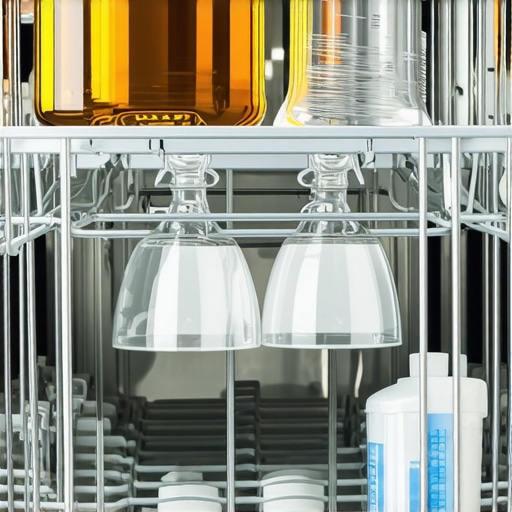 Many homeowners fall prey to misconceptions about household appliances, often leading to inefficiencies, premature failures, or missed opportunities for optimal use. As an expert in appliance maintenance and smart technology integration, I’ve seen these myths persist despite overwhelming evidence to the contrary. Let’s explore some of the most prevalent misunderstandings and reveal the nuanced truths behind them.
Why Popular Beliefs About Compact Refrigerators Might Mislead You
One common myth is that all small refrigerators are less efficient or durable than standard models. However, recent advancements in insulation and compressor technology have significantly improved their performance. In fact, some compact units now outperform large fridges in energy efficiency, especially when used in smaller spaces or for specific purposes like a home bar or dorm room. Relying solely on outdated assumptions can lead you to choose an appliance that doesn’t suit your actual needs or budget. For detailed guidance on selecting the right size, check out my review of compact refrigerators for your home.
Debunking the ‘Clean With Hot Water’ Fallacy in Washing Machines
Many believe that washing clothes with hot water always results in better cleanliness. While hot water can kill germs and dissolve certain stains, it’s not universally superior. Modern detergents and advanced washing machine sensors allow effective cleaning at lower temperatures, saving energy and preserving fabric longevity. Overusing hot water can also lead to quicker wear and tear of clothing and appliances, and may cause color fading. A smarter approach is to use hot water selectively for heavily soiled items or sanitize cycles, rather than defaulting to high temperatures every wash. For tips on optimizing your laundry routine, see why your smart washing machine leaves soap streaks.
Prevent Costly Mistakes by Properly Calibrating Your Smart Fridge
An advanced yet overlooked nuance is the importance of keeping your smart refrigerator properly calibrated. Many owners assume that once installed, the device’s sensors and internal settings require no further adjustment. However, a miscalibrated temperature sensor can cause the fridge to operate inefficiently—either not cooling sufficiently or running excessively, driving up energy costs. Regular calibration ensures optimal performance and food preservation. If your smart fridge’s app keeps reporting incorrect temperatures, it may be time for a calibration check; learn how to do this at how to calibrate your fridge’s temperature sensor.”}**[Note: Include an illustrative image if relevant.]** Let me know—have you ever fallen into these traps or believed a common myth? Drop your experience or questions in the comments!**
Keep Your Appliances Running Smoothly with the Right Tools
Maintaining your home appliances isn’t just about cleaning; it’s about using targeted tools that ensure longevity and optimal performance. I personally rely on a few high-quality gadgets that have saved me countless repair costs. For example, a digital multimeter is indispensable for troubleshooting electrical issues in refrigerators and washing machines, helping me identify faulty components before they turn into costly replacements. Additionally, a precision screwdriver set allows me to access internal panels without damaging delicate screws, making routine checks and minor repairs straightforward.
For more advanced maintenance, I recommend investing in a condenser coil cleaning brush. This tool is specifically designed to reach those hard-to-clean coils on your refrigerator, preventing overheating and reducing energy consumption. I use mine every six months, following advice from appliance experts, to keep my fridge running efficiently. Remember, regular maintenance with the right tools extends the lifespan of your appliances and keeps them performing like new.
Leveraging Smart Technology for Easier Upkeep
Smart appliances offer incredible convenience, especially with their remote diagnostics and firmware updates. To stay ahead, I use an app that syncs with my smart washer, providing real-time data on cycle progress and notifying me of upcoming maintenance needs. Connecting appliances like refrigerators to your smart home system and integrating with voice assistants, such as Alexa, is now more accessible than ever—check out here for step-by-step guidance.
This integration allows me to receive alerts about filter replacements or cycle malfunctions, preventing minor issues from escalating. The future of appliance maintenance is moving toward predictive diagnostics, where sensors monitor component health and inform you proactively. Embracing these technologies means fewer emergency repairs and more peace of mind.
How do I maintain appliances over time? Practical tips include keeping the software updated, cleaning filters regularly, and monitoring for unusual noises or performance drops. For instance, routinely cleaning your washing machine’s lint filter, as detailed here, can significantly improve cycle efficiency and extend the machine’s life. Additionally, scheduling annual professional inspections can help catch wear-and-tear issues early, saving you money in the long run.Predicting the Future of Appliance Maintenance
Looking ahead, advancements in IoT and machine learning are poised to revolutionize appliance care. Imagine refrigerators that automatically order filters when they detect buildup or washing machines that adjust their cycles based on load size and dirt level. Staying informed about these emerging tools and trends will be key to maintaining your appliances efficiently. For now, start by integrating smart features into your routine—like connecting your fridge to your smart devices—to experience better appliance management today. Try using a condenser coil cleaning brush next weekend to see immediate performance improvements and energy savings. Your appliances—and your wallet—will thank you.
What I Wish I Knew Before Falling for Appliance Myths
- That routine maintenance like cleaning filters can make a night-and-day difference in appliance performance, saving me from costly repairs and endless frustrations.
- Believing that all small refrigerators are inferior was a mistake—modern compact units often outperform their bigger counterparts in efficiency, and I learned to choose based on features, not size alone.
- Overusing hot water in laundry cycles is unnecessary with today’s advanced detergents and sensors; adjusting temperatures can extend your clothing’s life and save energy.
- Proper calibration of smart fridges isn’t complicated but is often overlooked, leading to inefficient operation and wasted energy—a quick check can resolve this.
- And most importantly, incorporating smart tech with regular upkeep creates a seamless experience, turning routine chores into efficient routines that keep my home running smoothly.
Devices and Resources That Transformed My Approach
- Condenser coil cleaning brush: Essential for maintaining refrigerator efficiency, I use it biannually—it’s simple and makes a huge difference in energy savings.
- Smart appliance management apps: Connecting my fridge and washer helps me monitor performance, receive alerts, and optimize maintenance—saving time and money.
- Guide on calibrating smart sensors: Knowing how to fine-tune my devices has prevented inefficiencies and extended their lifespan.
- Reliable online communities: Sharing experiences and solutions with fellow homeowners keeps me informed and proactive about appliance care.
Your Next Step Starts Today
Armed with these insights and tools, you’re ready to elevate your home appliance routine. Whether it’s cleaning your dishwasher’s spray arms or integrating smart features into your laundry room, each small step brings long-term rewards. Don’t wait—start implementing these tips now for appliances that perform better, last longer, and contribute to your home’s harmony. What’s the first upgrade you’ll try? Share your plan below and join the community of smart homeowners making a difference!