
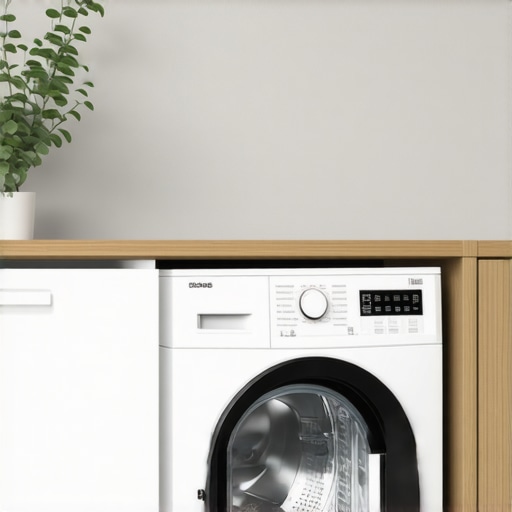
It was a typical Tuesday afternoon when I finally hit my breaking point. My small apartment’s bathroom had turned into a laundry battleground—clothes piled high on the sink, soap suds threatening to drip onto the floor, and that dreaded warning chime from my malfunctioning, overstuffed washing machine. I realized then that juggling laundry in a cramped space was more than just inconvenient; it was downright stressful. That lightbulb moment led me down a rabbit hole of researching compact washers designed specifically for homes without dedicated laundry rooms.
Why a Compact Washer Might Be Your Best Home Upgrade
Living without a spacious laundry area doesn’t mean you have to compromise on clean clothes or your sanity. Many homeowners and renters face the same challenge I did: how to fit an effective washing solution in tight quarters. A compact washer isn’t just a space-saver; it’s a game-changer that makes laundry day less of a chore. These nifty machines are designed to be powerful yet small enough to tuck away in a kitchen corner, bathroom, or utility closet. But what makes them truly stand out? Well, I’ve learned that choosing the right one involves understanding your specific needs, typical laundry load, and even your home’s water and power capabilities.
Early on, I made the mistake of assuming all small washers were created equal. Spoiler alert: they’re not. Some models sacrifice performance for size, leaving clothes less than perfectly clean. Others boast smart features that I didn’t realize I needed until I actually used them. Understanding these nuances can save you time, money, and the frustration of buying the wrong appliance.
If you’re tired of laundry day feeling like an uphill battle in your tiny apartment or tiny kitchen, then you’ve come to the right place. In the sections ahead, I’ll guide you through the most important features to look for and help you make an informed decision. Whether you’re curious about the latest smart washing machines or want to learn how to maximize space and efficiency, I’ve got practical tips backed by real-world experience.
Ready to reclaim your laundry routine? Let’s jump into what really matters when choosing the best compact washer for your home. For a broader look at how smart appliances are transforming modern living, check out this [latest guide to smart home appliances](https://smartappliancereview.com/ultimate-guide-to-smart-home-appliances-for-a-modern-living). Now, let’s get started on finding a washer that fits your space and lifestyle perfectly.
Choose the Right Size and Capacity
Start by assessing your laundry needs. Think of your washing machine as a car; smaller models like a compact hatchback are ideal for city driving—navigating tight spaces—while larger SUVs suit bigger households. For a solo apartment dweller, a machine with a capacity of 2.0 to 3.5 cubic feet is sufficient. I once bought a compact washer assuming bigger was better, but it struggled with larger loads, leading to twice the work. Measure your available space carefully and match it with a model’s dimensions, considering door clearance and ventilation requirements.
Prioritize Smart Features and Connectivity
After narrowing down size, focus on features that streamline your laundry routine. Smart washers can detect load size and soil level, adjusting cycles accordingly—saving water and energy. Think of these features as having a personal laundry assistant who knows exactly what to do. When I connected my washer to the app, I received notifications about cycle completion—a game-changer. To find models with these capabilities, visit this guide. Ensure your Wi-Fi is strong enough; a weak signal can disrupt app connectivity, much like trying to call while out of reception.
Understand Water and Power Compatibility
Ensure your home’s water pressure and electrical outlets match your chosen appliance. Some compact washers use lower water levels, akin to a sip instead of a gulp—perfect for small apartments, but others require standard hookups. Verify voltage requirements—most are 110V, similar to standard kitchen outlets. I once attempted to install a model designed for 220V; it caused delays and frustration, so double-check specifications. For detailed advice, see this article on water-saving tips.
Consider Noise and Vibration Levels
Living in close quarters demands quiet operation. Think of your washer as a whispering neighbor—nobody wants to be kept awake. Look for models with anti-vibration technology and sound insulation. When I tested a model with vibration pads, my upstairs neighbors hardly noticed during laundry. Read reviews to gauge real-world noise levels, and if possible, choose units with a ‘quiet mode’—an option that limits spin speed to reduce noise, much like a car’s cruise control maintaining steady speed without jerks. This can prevent disturbances in apartments or condos.
Set Up Properly for Longevity
Just as a well-tuned bicycle lasts longer, correct installation extends your washer’s lifespan. Place the machine on a level surface using a spirit level—a quick way to prevent excessive vibration. Secure hoses to prevent leaks; think of them as the lifelines of your device. Regularly clean the lint filter and run maintenance cycles as advised. I kept a maintenance schedule, and my washer has been running smoothly for over five years. For detailed setup instructions, visit installation tips.
Maximize Space and Accessibility
In tight apartments, every inch counts. Stack your washer and dryer if possible—imagine stacking building blocks for efficiency. Use adjustable shelving and wall-mounted hooks to keep detergents and laundry supplies organized. When I installed a fold-down countertop above my washer, it doubled as a folding station—saving space and time. Clear pathways for access and plan for easy maintenance. Remember, a clutter-free area reduces accidents and prolongs the appliance’s usability. For clever organization ideas, check this resource.
Many enthusiasts dive headfirst into upgrading their homes with the latest smart appliances, believing that these devices are foolproof and require minimal oversight. But in my experience, there’s a subtle misconception that can lead even seasoned users astray. The common myth is that smart technology completely automates home maintenance, eliminating the need for user involvement. However, this oversimplification can cause unforeseen issues, especially when firmware updates or compatibility checks are ignored.
One overlooked aspect is the importance of understanding device interoperability and firmware versions. Smart appliances are often released with competing standards or varying update cycles, much like the evolving standards in smart home hubs. Ignoring firmware updates can lead to security vulnerabilities or functionality gaps, akin to leaving your front door unlocked because you think the lock is set. Recent studies, like those highlighted in this report, emphasize the necessity of regular updates for optimal performance and security.
Are My Smart Appliances Truly Secure or Just a Hacking Target?
An advanced concern many don’t consider is cybersecurity. Many believe that once an appliance is connected to their Wi-Fi, it’s safe by default. This is a dangerous misconception. Smart devices, including refrigerators, dishwashers, and washing machines, act as nodes in your home network, and if not properly secured, can serve as entry points for hackers. Implementing strong, unique passwords, enabling network segmentation, and keeping firmware current protect your data and privacy. For detailed steps, you can visit this guide.
Furthermore, many users assume that all smart appliances are compatible with every smart home ecosystem. The reality is nuanced; compatibility often depends on specific protocols (like Zigbee or Z-Wave) and standards. For example, connecting a refrigerator designed for Alexa might not sync seamlessly with Google Home. The key is to verify compatibility before purchase, which can prevent the frustration of a device gathering dust because it won’t integrate into your existing setup. For insights into choosing the right ecosystem, refer to this comprehensive guide.
Finally, an often-neglected nuance pertains to software obsolescence. As devices age, their firmware, apps, and compatibility with other systems may become outdated, leading to performance issues or security risks. Regularly checking manufacturer support pages or subscribing to update alerts can extend your appliance’s lifespan and maintain security. Recognizing these subtleties ensures that your investment in smart home technology pays off in both convenience and peace of mind.
Have you ever fallen into this trap? Let me know in the comments. Being aware of these hidden nuances helps you get the most out of your smart appliances and avoids unnecessary headaches down the line.
How do I keep my smart appliances functioning seamlessly over time?
Keeping your smart home devices in top shape requires more than just initial setup. I rely on a combination of dedicated tools, routine maintenance practices, and software updates to ensure longevity and optimal performance. For example, I use a high-quality digital multimeter like the Fluke 117 to verify electrical connections and troubleshoot power issues quickly. This tool allows me to identify voltage irregularities that could cause appliances to malfunction or lose connectivity. Additionally, I employ network monitoring apps such as Fing to regularly audit my Wi-Fi network, ensuring my appliances maintain a strong and stable connection—crucial for their smart features.
Regularly inspecting and cleaning filters and sensors is another cornerstone of maintenance. For my refrigerator, I schedule bi-monthly checks for the air filters and defrosts to prevent ice buildup, referencing expert advice from this article. For washing machines, I run recommended maintenance cycles and clean the detergent dispensers with vinegar to prevent odor and residue buildup. These small steps proactively prevent issues that could lead to costly repairs or reduced efficiency.
Software updates are equally vital. I subscribe to manufacturer notifications and periodically check for firmware upgrades through their official apps or websites, as suggested by this resource. Keeping firmware current not only enhances features but also patches security vulnerabilities—crucial as IoT devices become more integral to our homes.
Investing in a UPS (Uninterruptible Power Supply) for critical appliances like routers and hubs is a smart move. During power outages, this device provides backup power, preventing abrupt disconnects that can corrupt data or impair device operation. I recommend the APC Back-UPS Pro because of its reliability and surge protection capabilities, which safeguard your investments against lightning strikes and power fluctuations.
As smart appliances trend toward greater AI integration, predictability and preventative maintenance will become more sophisticated. Future developments may include self-diagnostic features and automated alerts for potential issues—reducing the manual oversight required currently. For now, these manual tools and routines remain the best defense against unexpected failures.
If you haven’t already, try implementing a regular maintenance check using your appliance’s built-in diagnostic functions combined with external tools like network monitors and simple electrical testers. These steps can dramatically extend your device’s lifespan and keep your smart home running smoothly. For more advanced tips, visit this guide.
Beyond the Manual: Secrets That Only Experience Reveals
One lesson I wish I’d known earlier is how crucial routine firmware updates are; neglecting them can leave your smart appliances vulnerable to security threats. Additionally, I underestimated the importance of compatibility checks within my smart home ecosystem, leading to frustrating disconnects. Lastly, I realized that investing in quality space-saving accessories—like stacking kits and shelving—can maximize utility and longevity, transforming a cramped laundry area into a functional sanctuary.
Tools and Knowledge That Made All the Difference
My go-to resource has been The Ultimate Guide to Smart Home Appliances. It’s a comprehensive blueprint that bridges the gap between tech specs and real-world application. For troubleshooting, I rely on the Smart Device Toolbox app, which provides insights into my devices’ connectivity and firmware status. For security, I trust this cybersecurity guide, ensuring my appliances are protected from vulnerabilities. Finally, I keep a detailed logbook of all updates and maintenance tasks, which helps me prevent unexpected breakdowns and prolong device lifespan.
Embrace the Journey Toward a Smarter, More Efficient Home
Stepping into the world of smart appliances may seem daunting at first, but remember—every small step you take toward understanding and optimizing your devices paves the way for a more seamless living experience. Your tiny home doesn’t have to compromise on innovation or convenience; with the right knowledge and attitude, you can transform limited space into a hub of efficiency and comfort. Keep experimenting, stay curious, and enjoy the process of mastering your smart appliance ecosystem. You’ve got this.