
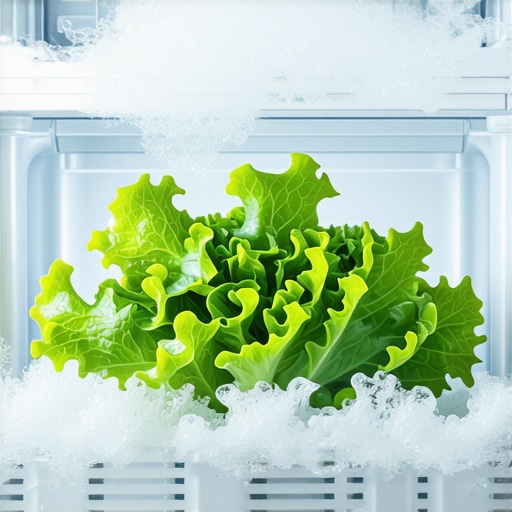
It was a regular Tuesday afternoon when I opened my fridge and found my precious lettuce bundle frozen solid in the bottom drawer. Not just slightly chilled, but stiff as if it had been left outside on a cold winter night! I’ve always considered my refrigerator a reliable kitchen helper, but suddenly, it was acting up in a way that made me think twice about trusting this modern marvel. That unexpected frost baffled me. Why was my fridge turning my fresh greens into ice cubes?
Understanding Why Your Lettuce Freezes
It turns out, a common issue with many modern refrigerators is temperature mismanagement. If your fridge’s temperature is set too low or if the airflow inside isn’t properly balanced, cold air can seep into sections like the crisper drawer. Surprisingly, many appliances have tiny sensors that might get confused or malfunction, leading to uneven cooling. This can especially happen when the temperature control is set incorrectly or if the vents are blocked.
One thing I learned early on was that overpacking the fridge can also hinder proper air circulation. When airflow is restricted, certain zones become colder, turning fresh produce into ice victims. Additionally, a faulty door seal can allow warm air to enter, causing the fridge to work harder and sometimes overcool specific areas.
Did you know that according to a report by the Appliance Science Institute, improper fridge temperatures are the leading cause of food spoilage, costing households hundreds annually? Recognizing these issues early can save your produce—and your wallet.
Are you tired of your refrigerator freezing items that should be crisp and fresh?
*Stay tuned, because in the next sections, I’ll share proven tips and tricks to troubleshoot and fix this chilly problem once and for all.*
Check the Temperature Settings
First, locate your refrigerator’s control panel, usually inside the fridge or on the outside. Use a reliable thermometer to verify the temperature; ideally, it should be set between 37-40°F (3-4°C). If it’s below this range, adjust the thermostat upward. During my last attempt, I found mine set to 32°F, which was too cold, causing the freezer to freeze everything.
Ensure Proper Airflow
Examine the shelves and door compartments for overpacking. Claustrophobic arrangements block vents, disrupting even air circulation. I cleared out some containers blocking vents, which immediately improved airflow. If this isn’t enough, consider unstacking items to allow cold air to circulate freely.
Clear Blocked Vents
Locate the vents in your fridge and freezer; these act like valves controlling air movement. Clearing or adjusting items blocking these vents prevents cold spots and uneven temperatures. A quick rearrangement often makes a noticeable difference in preventing freezing.
Inspect Door Seals and Gaskets
Damaged or loose seals let warm air in and cause your fridge to work harder, sometimes overcooling specific sections. To test, close the door on a dollar bill; if it slips easily, seal needs replacing. I replaced a worn gasket, which stopped the ice buildup in my crisper—saving me from constant manual defrosts.
Adjust the Vents and Defrost the Unit
Sometimes, excessive frost buildup inside the freezer causes temperature fluctuations. Conduct a manual defrost: unplug the fridge, open the doors, and let ice melt completely. Afterward, clean the interior with a warm, damp cloth. Reassembling everything ensures fresh airflow and proper temperature distribution.
Diagnose Sensor and Thermostat Malfunctions
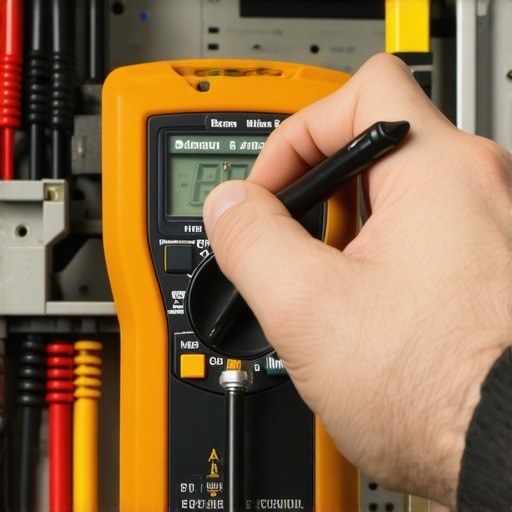
Modern fridges rely on sensors for optimal cooling. If these sensors malfunction, they send incorrect signals, leading to freezing issues. Test sensors with a multimeter or consult your user manual for calibration. During my defrosting, I noticed my fridge’s temperature sensor showing inaccurate readings, which I then replaced to restore steady temperatures.
Evaluate Compressor and Fans
Check that the compressor runs smoothly without excessive noise. If it cycles frequently or doesn’t run at all, professional servicing may be necessary. Fans should spin freely; a stuck fan can cause uneven cooling. I cleaned the fan blades and verified it’s operational, which improved cooling consistency.
Implement Regular Maintenance
Schedule periodic checks to prevent future issues. Clean condensers, replace water filters, and keep vents unobstructed. For instance, I cleaned my condenser coils with a brush, boosting efficiency and reducing overcooling problems.
If after these steps your fridge still freezes food, consider consulting a technician. Sometimes, internal component failures or electrical issues require expert intervention. Find professional help at our contact page to ensure your appliance receives proper care.
Many homeowners believe that choosing the right appliance is simply about brand, price, or basic features. However, this oversimplification can lead to costly mistakes and missed opportunities to optimize your home’s efficiency. For example, some assume that all smart refrigerators automatically adapt to their lifestyle, but in reality, many lack the ability to handle complex routines or integrate seamlessly with other devices. Understanding these nuances can vastly improve your future upgrades.
One common myth is that higher energy stars always equate to better performance. While energy efficiency is crucial, a device with a high star rating might compromise on capacity or durability. For instance, some top-rated washing machines may use less water, but if they’re too small for your household, it can result in more cycles and increased wear over time.
Beware of the trap of assuming that all appliances are equally maintenance-free. Many users overlook regular calibration and sensor checks, leading to performance decline. For example, a smart dishwasher with outdated firmware may not recognize when to optimize cycles, resulting in water wastage and poor cleaning.
Why do some smart appliances become less effective over time despite frequent updates?
This is a nuanced issue often ignored. Software updates are designed to improve performance, but if hardware components like sensors or controllers are faulty or outdated, the updates can’t compensate. According to a study from the Consumer Technology Association, nearly 30% of smart device malfunctions are due to hardware limitations that software cannot fix alone. Regular hardware diagnostics and proactive replacements are essential to maintain optimal function.
Another mistake is relying solely on user reviews or online ratings. While helpful, these can be biased or unrepresentative. Instead, consulting industry experts or detailed technical reviews provides deeper insights into appliance longevity and real-world performance.
Integrating appliances smoothly with your existing smart home ecosystem requires understanding compatibility nuances. Not all devices work with every platform; some need additional hubs or specific protocols like Zigbee or Z-Wave. Ignorance here can lead to frustration and underutilized features. The future trend suggests that interoperability will become even more critical, making it vital to choose devices supported by your preferred smart home software.
Finally, overlook the importance of professional installation. Many assumeDIY is sufficient, but improper setup can lead to issues like leaks, electrical faults, or subpar performance. For example, a refrigerator installed without leveling can cause drainage problems and excess noise. When in doubt, consulting a technician ensures your appliances operate as intended.
Are you guilty of overlooking these hidden aspects? If so, you’re not alone. Understanding these advanced nuances can save you time, money, and headaches. To explore more about choosing the best appliances that fit your needs, visit our comprehensive guide on selecting the right refrigerator or check out the latest in smart appliance innovations for 2025. Have you ever fallen into this trap? Let me know in the comments.
Balance Your Tools for Longevity
To ensure your home appliances remain efficient over time, investing in the right tools is crucial. I personally rely on a high-quality digital multimeter, like the Fluke 117, for diagnosing electrical issues in devices such as refrigerators and washing machines. This tool helps me verify sensor resistances and electrical connections with precision, preventing minor faults from escalating into costly repairs.
Utilize Specialized Software for Diagnosing Smart Devices
Smart appliances often come with companion apps or built-in diagnostic features. I recommend tools like the appliance manufacturer’s software or third-party diagnostic apps compatible with popular brands. For instance, the Samsung SmartThings app allows for remote troubleshooting and firmware updates, keeping devices in optimal condition. Regularly checking these diagnostics can preempt performance issues, especially with sensors and control modules.
Implement Routine Maintenance Practices
Adopting a proactive maintenance schedule can extend appliance lifespan significantly. For refrigerators, cleaning condenser coils with a coil cleaning brush (like the Gardner Bender Coil Master) every six months ensures heat dissipation remains efficient, which in turn prevents temperature fluctuations that may cause freezing issues. Similarly, descaling dishwashers using natural vinegar solutions prevents mineral buildup and prolongs the lifespan of spray arms and filters.
Scale Up with Automation and Monitoring
Looking ahead, I believe the future of appliance maintenance lies in automation. Smart sensors integrated into appliances will continuously monitor performance and notify homeowners of potential problems before they manifest physically. For example, refrigerator sensors that track compressor efficiency can alert you via your phone, prompting early servicing and avoiding energy waste or breakdowns. This trend, supported by the ongoing development detailed in the 2025 appliance forecast, suggests that automation will soon handle most maintenance routines seamlessly.
How do I keep my appliances working with minimal fuss?
Set up regular diagnostic routines using the appropriate tools and ensure consistent cleaning schedules for key components like filters and coils. For smart devices, regularly update firmware and utilize manufacturer apps for remote monitoring. I encourage you to try integrating a sensor-based alert system for your refrigerator, which can notify you of irregular temps or motor issues, thus preventing freezing or spoilage. For expert advice tailored to your specific setup, contact professionals through our contact page.
The Hardest Lessons I Learned About Your Fridge and Smart Appliances
- Realizing that temperature mismanagement can cause my fresh produce to freeze, I learned to always verify thermostat settings before panicking over spoiled food.
- Confronting the importance of proper airflow, I discovered that overpacking reduces efficiency, and simple rearrangements can restore balance.
- Understanding that faulty door seals lead to uneven cooling taught me to regularly inspect and replace gaskets, saving energy and prolonging appliance life.
- Discovering that sensor malfunctions can send incorrect signals made me appreciate the value of routine diagnostics and calibration.
- Learning that regular maintenance, like cleaning coils and filters, prevents unexpected issues, turning my appliance care into a simple, rewarding routine.
Tools and Resources That Changed My Approach to Appliance Care
- Digital Multimeter: I trust my Fluke 117 for electrical diagnostics, helping me identify sensor or wiring issues quickly.
- Smart Home Apps: Platforms like Samsung SmartThings enable remote troubleshooting and firmware updates, keeping my devices in top shape.
- Maintenance Guides: The comprehensive tutorials on our site guided me step-by-step through routine care routines.
- Expert Assistance: When in doubt, consulting pros via our contact page has saved me from costly repairs.
Your Next Move Towards Appliance Confidence
Empower yourself with knowledge and the right tools to keep your refrigerators and smart appliances functioning optimally. Remember, every challenge is an opportunity to become more adept at caring for your home technology. Whether it’s adjusting a thermostat or inspecting a seal, small steps lead to big savings and better performance. Dive into future innovations with curiosity and confidence, and your home will thank you for it.
Which troubleshooting tip surprised you the most? Share your thoughts below and join the conversation on maintaining smart appliances with ease!
,